- BIST10011,639-0.71%
- USD49.45+0.05%
- EUR55.62+0.37%
- GOLD4,190.60+0.23%
- INTEREST37.00%-1.00
- BITCOIN82,847+1.02%
- October 19, 202617°
- BIST10011,639-0.71%
- USD49.45+0.05%
- EUR55.62+0.37%
- GOLD4,190.60+0.23%
- INTEREST37.00%-1.00
- BITCOIN82,847+1.02%
- October 19, 202617°
AlBaraka Summit puts global Islamic finance volume at $6 trillion
The ethical foundations, regulatory framework and technology opportunities in Islamic finance are being discussed at the fifth AlBaraka Summit in London. The summit puts the global Islamic finance sector at $6 trillion, sukuk issuances at $1 trillion and the Islamic consumption economy at $2.6 trillion.


The fifth AlBaraka Summit, which began in London, is being held on October 13-14 with the aim of increasing Islamic finance’s global impact and rebuilding its ethical foundations. The summit, themed “Ethics in Action: Rebuilding the Foundations and Advancing the Global Impact of the Islamic Economy,” is also addressing the regulatory framework and opportunities in technology and finance.
The global Islamic finance sector has reached $6 trillion, while sukuk issuances stand at $1 trillion. The Islamic consumption economy has grown to $2.6 trillion.
Call for ethical principles to be applied in the economy
Yousef Hassan Khalawi, secretary-general of the AlBaraka Islamic Economic Forum, said in his opening speech that international events in the field of Islamic economics involve significant challenges. Khalawi noted that AlBaraka events have also been held in cities such as Istanbul, Karachi and Cairo.
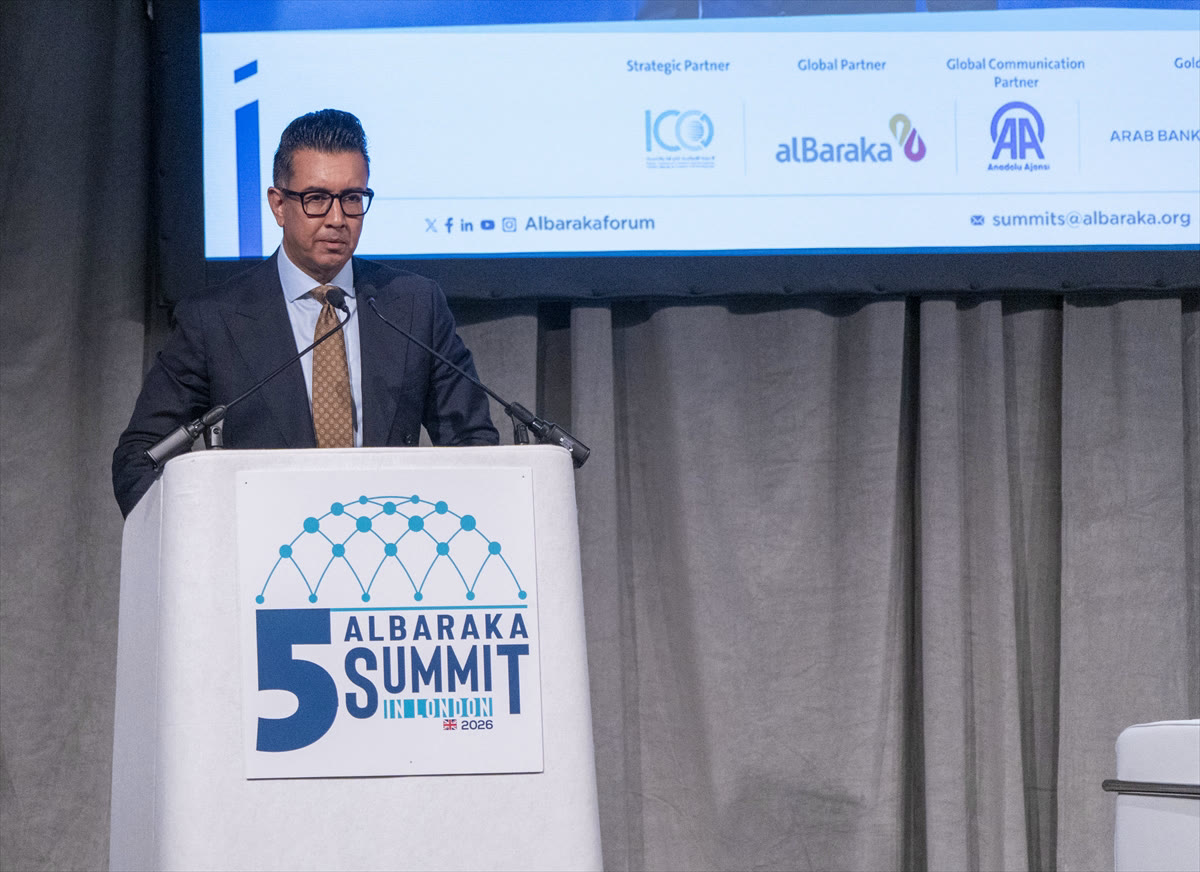
Khalawi said the initiatives were not limited to the Islamic finance sector and that all of humanity would pay the price if the responsibility of establishing the right economic model was not fulfilled.
Khalawi said climate change, extreme heat, drought, food security, wars and rising poverty were among the main crises facing the world. He noted that these problems could not be addressed separately, pointing out that more than 1 billion people were struggling with poverty in one part of the world while great wealth was accumulating in another.
Khalawi said technological advances and economic growth could not be considered a true success unless they generated prosperity for all of humanity. He added that, alongside inequality, the neglect of ethical values lay at the heart of this contradiction.
Emphasis on trust and customer protection in Islamic banking
Khalawi said discussions on protecting children, families and society in areas such as social networks and artificial intelligence should not be limited to technology policies. He said these issues were also linked to ethical responsibility, social awareness and people’s future, adding that the same approach should be adopted in Islamic banking.
Emphasizing that Islamic finance could not consist merely of formally differentiating financial products, Khalawi said the extent to which ethical values were reflected in daily practices, customer relations and institutional decisions was important.
Khalawi said the system needed to develop a more responsible approach to risk and that Islamic finance should not be viewed merely as a structure offering interest-free transactions. He said reliability, accountability and customer protection should be at the center of its practices.
Khalawi said that if Islamic banks assumed their responsibilities and raised their standards, the traditional banking sector could also move in a similar direction under competitive pressure. He added that genuinely applying religious and ethical principles could make Islamic banking a model for the entire financial sector.
Speakers from several countries took part in the summit
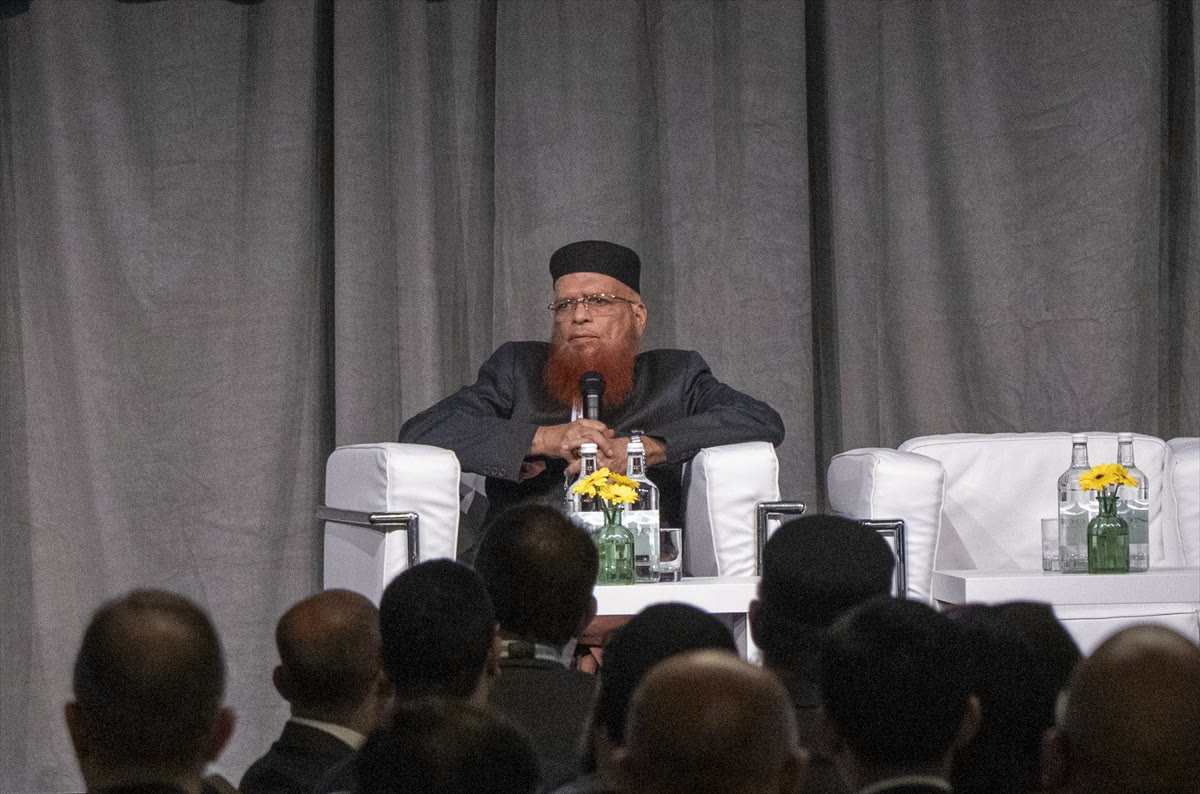
Mufti Muhammad Taqi Usmani, chairman of the International Shariah Council of the Accounting and Auditing Organization for Islamic Financial Institutions, spoke at the opening about the importance of applying ethical values in Islamic finance.
Shakeel Ahmed Yousuf Mohamed, Mauritius’ minister of housing and lands, also discussed Islamic finance practices in his country. Mohamed called on international Islamic finance institutions to operate in Mauritius and expand their existing activities there.
Following the opening speeches, plaques were presented to representatives of the Islamic Chamber of Commerce and Development, the summit’s strategic partner; Al Baraka Group, its global partner; Arab Bank Europe, its gold sponsor; and the Libya Africa Investment Portfolio, its silver sponsor.
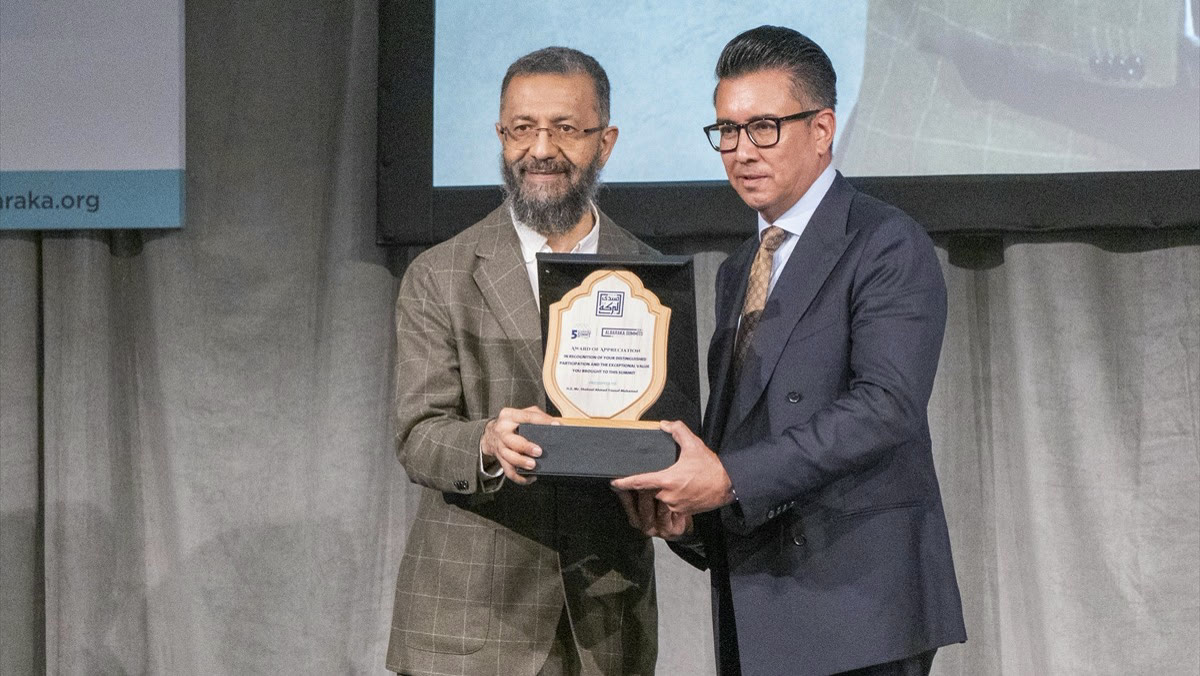
The session titled “Strategic Leadership for the Islamic Economy” addressed rebuilding the regulatory framework, applying ethics in public policy, strategic leadership, global impact and action priorities for the future.
Stay Updated with Hilal Times
Subscribe to be informed about special news, developments and announcements. We will keep you informed.
By signing up, you agree to our Privacy Policy