Despite the Israeli army's announcement on Sunday evening that it was preparing for a missile attack from Iran, the expected attack did not occur. Hours later, the announcement of a more permanent ceasefire agreement between the US and Iran in Geneva indicated a rapid shift in regional tensions.
This development revealed that Israel's attacks against the Iran-backed Hezbollah in Lebanon could at any moment challenge the months-long efforts by the US and Iran to ease regional conflict. Israel's targets in Lebanon continued to exert pressure on Washington's broader diplomatic plan.
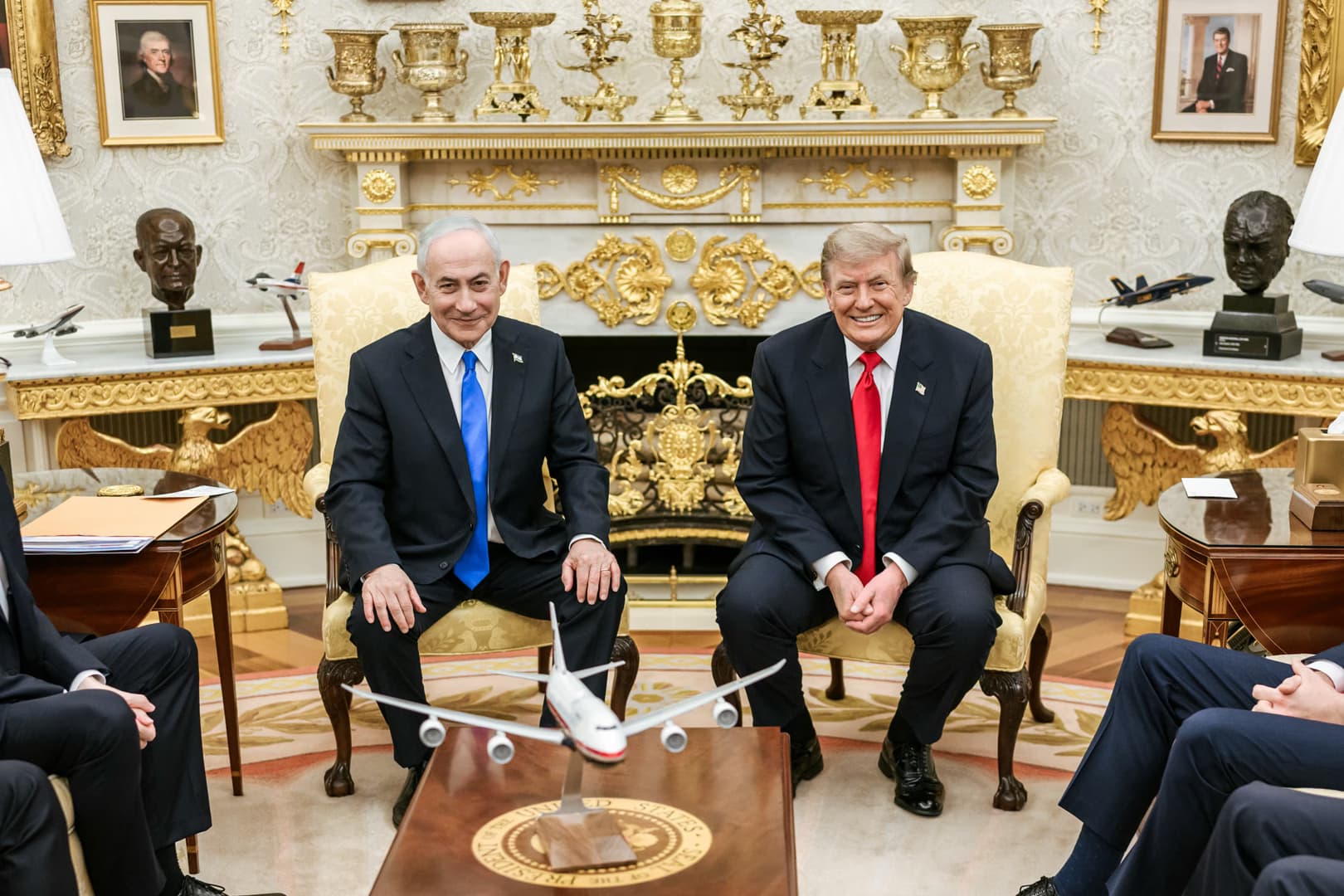
Netanyahu has not yet spoken publicly about the agreement. An Israeli official said the prime minister wants to meet with US President Donald Trump to discuss the deal.
Following the announcement, Trump sharply criticized Netanyahu, describing the Israeli prime minister as "a very difficult person" and warning that if Iran acquires nuclear weapons, Israel would not be able to sustain its existence for long.
Iran's threat to strike Israel on Sunday came in response to Israeli airstrikes on the southern suburbs of Beirut, Lebanon's capital. Israel stated these attacks were retaliation for Hezbollah attacks in the north on the same day.
This marked the second time in a week that a three-way mutual fire line was established. In previous exchanges, Iran had carried out its threats and launched missiles at Israel; most of these missiles were intercepted, and there were no casualties.
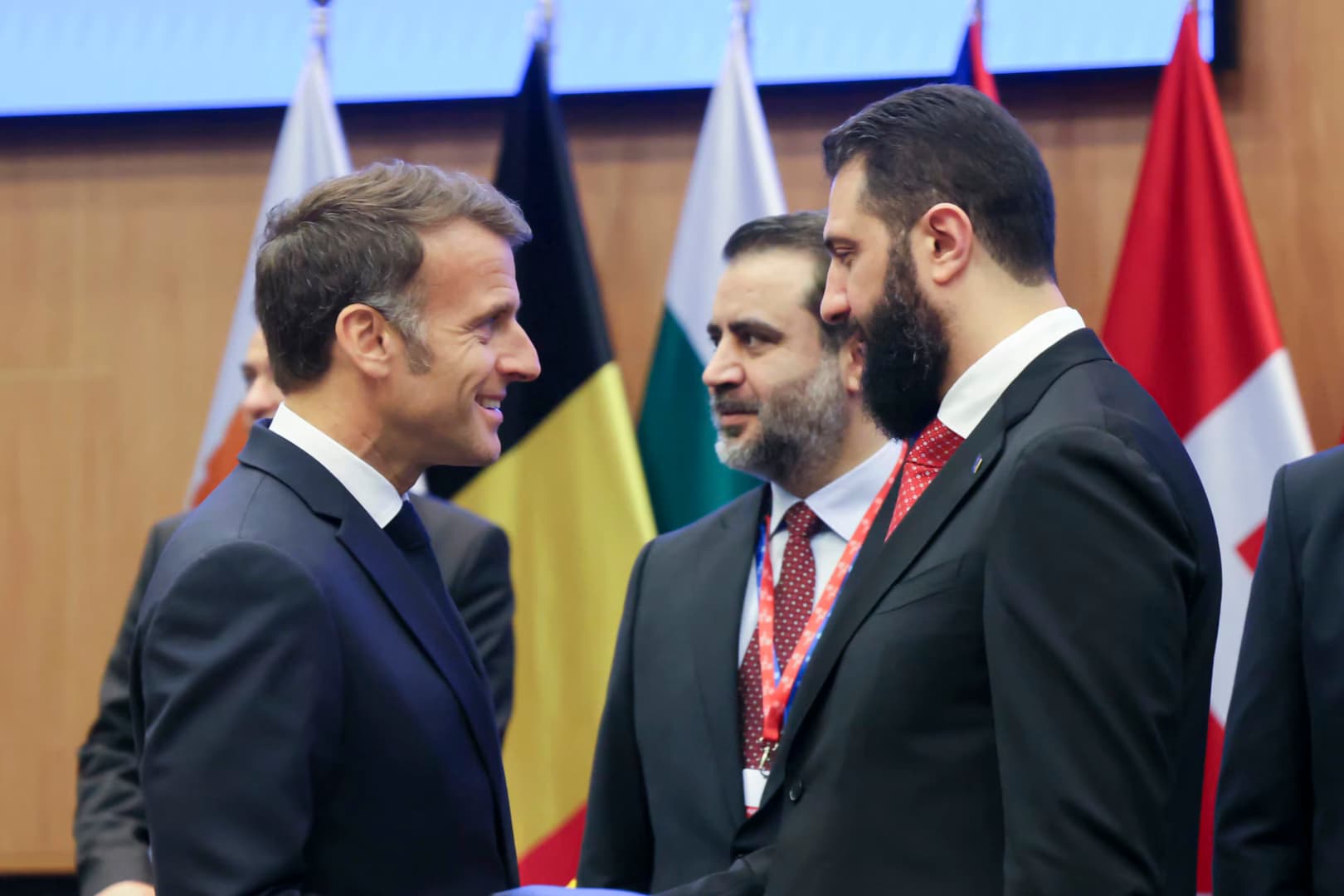
While world leaders praised Trump's announcement, US Vice President JD Vance said Israel would have a seat at the table and that there were factions within the country pleased with the agreement. However, objections to the text quickly rose within Israel.
Israeli Defense Minister Israel Katz stated that the army would not withdraw from the battlefields where it is stationed. Katz explained that, together with Netanyahu, they are pursuing a clear policy that keeps the army in security zones in Lebanon, Syria, and Gaza.
Katz's statement did not directly address the ceasefire but clearly showed Israel's opposition to withdrawing from Lebanon. The same statement noted that Netanyahu conveyed this stance to Trump and also explained it to US Defense Secretary Pete Hegseth.
While relative calm was largely restored along Israel's northern border after the ceasefire, the army reported that an unmanned aerial vehicle crossed from Lebanon into northern Israel and was intercepted. Warning sirens were not activated.
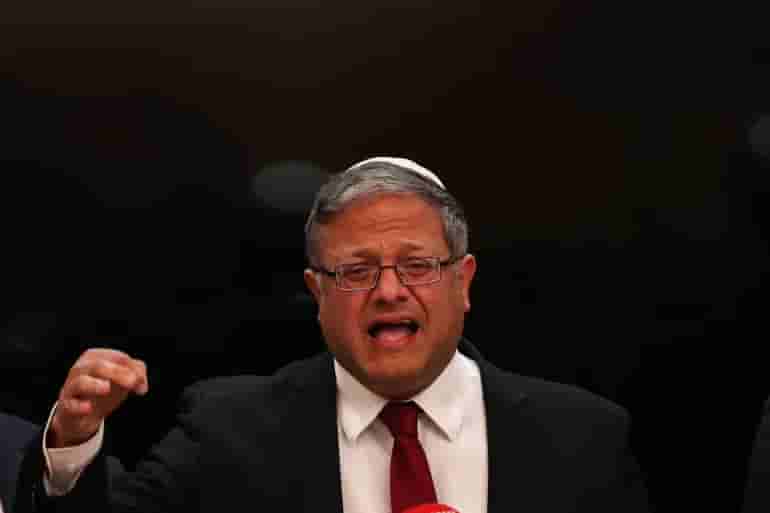
Israeli politicians began criticizing the agreement from the very first hours. Far-right National Security Minister Itamar Ben-Gvir wrote that the US agreement does not bind Israel and demanded the complete dismantling of Hezbollah.
Finance Minister Bezalel Smotrich also described the agreement as bad for Israel and the free world. Smotrich argued that the campaign to prevent Iran from acquiring nuclear weapons must continue.
Center-right opposition leader and former prime minister Yair Lapid accused Netanyahu of being weak and ineffective. Lapid said the US and Iran reached the agreement excluding Israel, which could be a devastating failure in terms of foreign policy and security.
Former Defense Minister and Netanyahu's former ally Avigdor Liberman also called the agreement a disaster for Israel. The criticisms indicated increasing political pressure on Netanyahu.
Netanyahu appears to remain distant from the agreement at a time when he needs support from northern Israel and the far-right coalition partners. The impact of the agreement on the ground and in politics will become clearer in the coming days.
Sanam Vakil from London-based Chatham House said Netanyahu will try to prioritize his own agenda over the agreement and that Trump may have to take on a mediator role to advance the process.