The destruction caused by the attacks in Gaza since October 7, 2023, was assessed by United Nations special rapporteurs and experts across six areas, from housing and healthcare to the environment, education and cultural heritage.
Housing crisis deepened
Rajagopal, the UN Special Rapporteur on the right to adequate housing, said the scale and humanitarian consequences of the destruction in Gaza had reached a level unprecedented since the Second World War. Rajagopal said more than 80 percent of homes had been destroyed.
After the ceasefire, Palestinians seeking to return home faced major challenges, including rebuilding housing and clearing the rubble. The need to deliver urgent humanitarian aid and shelter support to Gaza, particularly its northern areas, was stressed.
Women and children paid a heavy price
Reem Alsalem, the UN Special Rapporteur on violence against women and girls, argued that Palestinian women and children were systematically targeted in Israel’s attacks on Gaza. Alsalem claimed that the killing of women and violence against reproductive health were being used as tools of genocide.
According to figures from Gaza’s Health Ministry, 17,841 children and 12,298 women were killed in the attacks. Hundreds of thousands of women were displaced, while access to food and basic hygiene products faced serious disruptions.
Alsalem said the destruction of the healthcare system, the denial of essential services to pregnant and breastfeeding women, and the worsening conditions surrounding childbirth threatened the continuation of the Palestinian people’s existence.
Health infrastructure destroyed
Sitte, a Palestinian-descended doctor, described Israel’s targeting of Gaza’s healthcare system as one of the preparatory steps for genocide. Damage to hospitals, healthcare workers and medical infrastructure further worsened living conditions.
Restricted access to healthcare made it more difficult to treat the injured and sick, while also deepening the humanitarian crisis in Gaza.
Environmental destruction posed long-term risks
The attacks carried out since October 7, 2023, caused severe and long-term damage to Gaza’s ecological system. Environmental experts said approximately 70 percent of agricultural land had been destroyed and that water resources, wells, trees and infrastructure had been damaged.
Alongside rubble and dust from the bombardment, chemical pollution also threatened public health. The future of agricultural production and access to clean water were put at risk.
Educational institutions in Gaza lost their function
Farida Shaheed, the UN Special Rapporteur on the right to education, described the deliberate destruction of Gaza’s education system as part of a systematic effort targeting the future of Palestinians. Shaheed said more than 90 percent of schools had become completely or partially unusable.
Universities, libraries and historical archives were also damaged, while Shaheed described what happened as “educide.”

Historic and religious sites were damaged
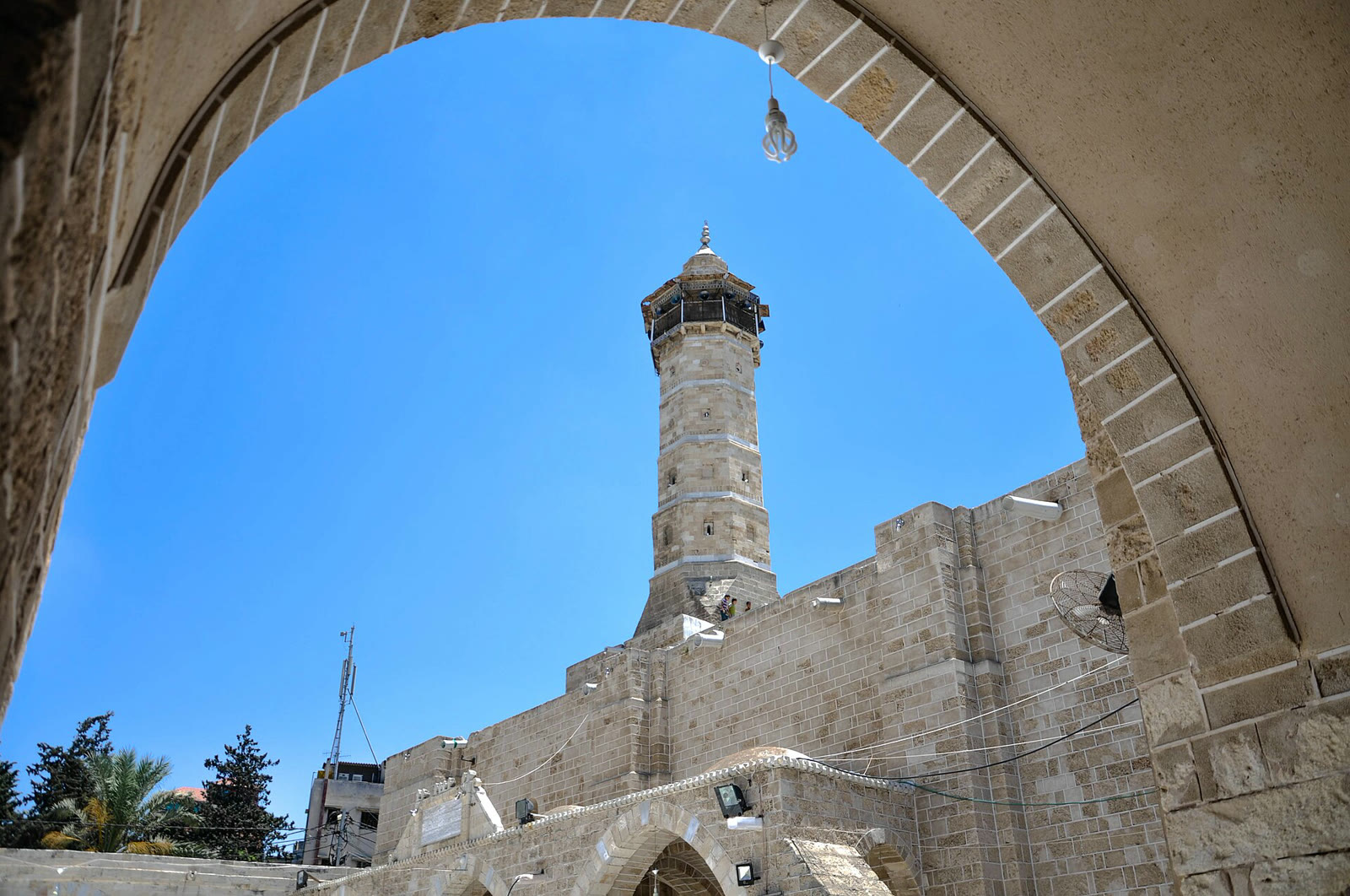
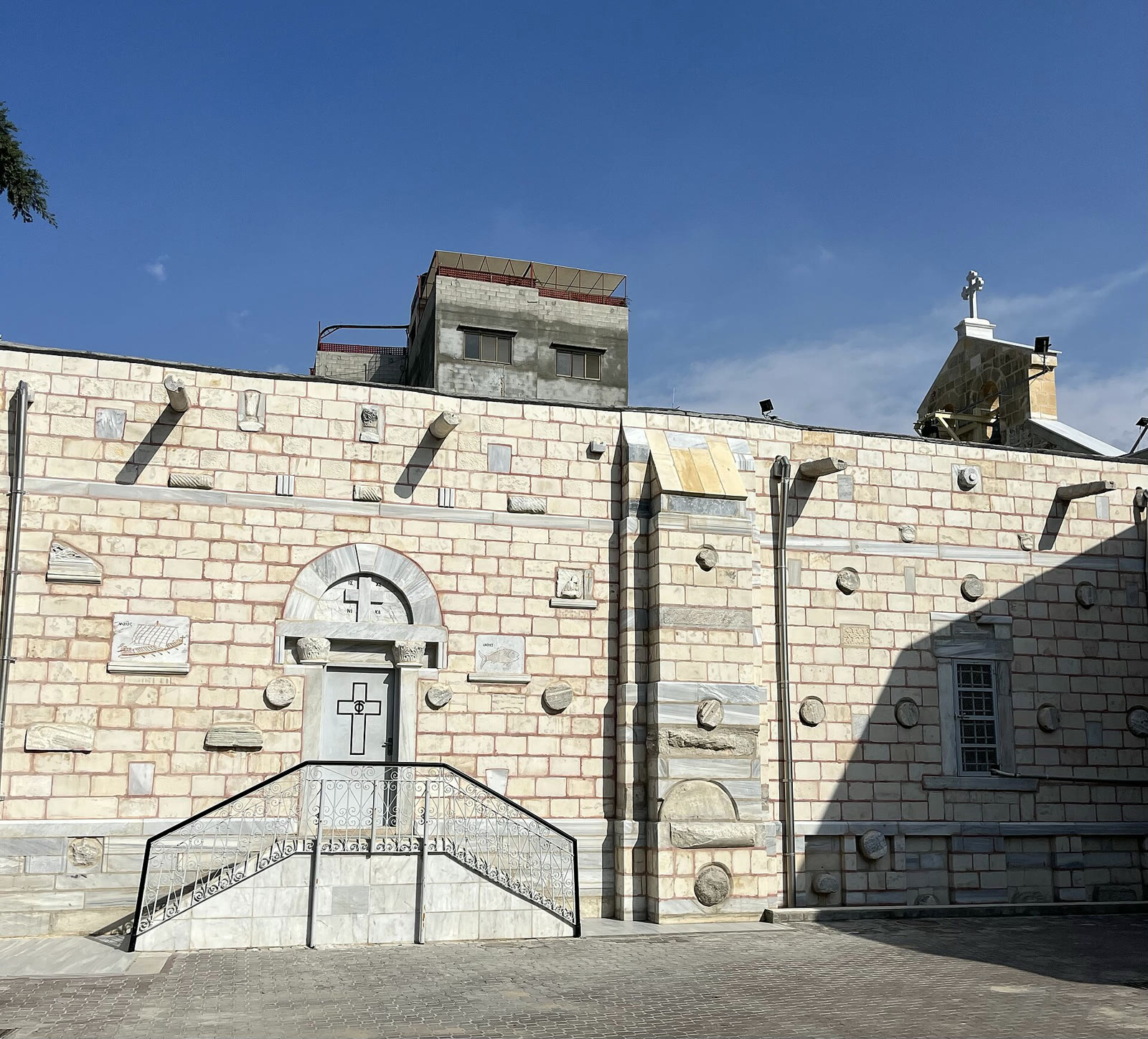
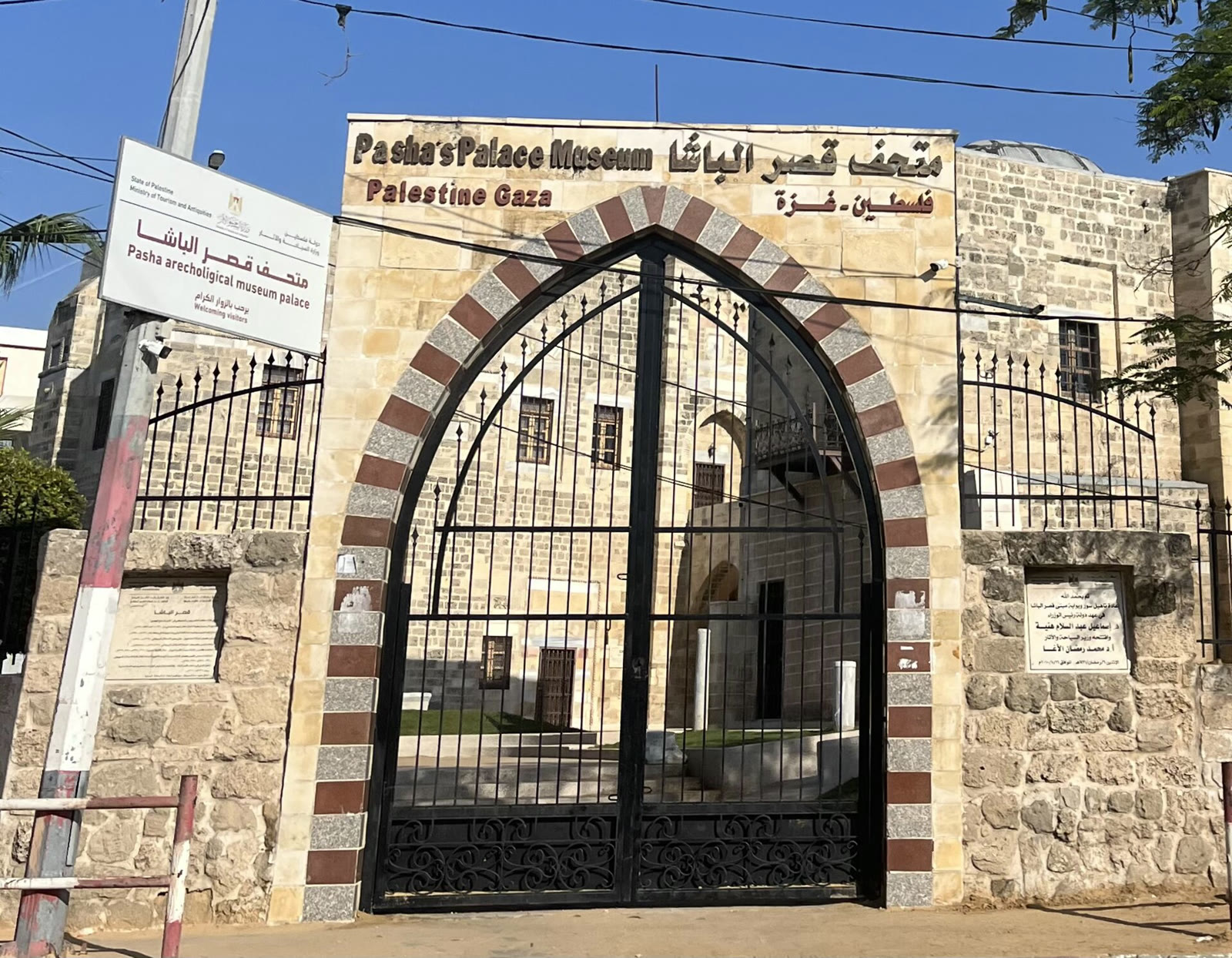
Israel’s attacks also caused extensive damage to Gaza’s thousands-of-years-old historical and cultural heritage. Georgia Andreou of the University of Southampton and Anne Irfan of University College London said mosques, churches, historic buildings, libraries and archives had been damaged.
UNESCO confirmed that 69 cultural heritage sites in Gaza had been damaged. Experts said at least 200 historic sites had been destroyed.
Simon Brelaud, an archaeologist at the French Institute for the Near East, cited assessments that 95 percent of Gaza’s historic sites had been affected. Brelaud said mosques, churches, museums and archaeological sites had been damaged, while the Tell es-Sakan archaeological site had been completely destroyed.