- BIST10011,619-0.88%
- USD49.45+0.05%
- EUR55.62+0.37%
- GOLD4,199.00+0.43%
- INTEREST37.00%-1.00
- BITCOIN82,693+0.83%
- October 19, 202616°
- BIST10011,619-0.88%
- USD49.45+0.05%
- EUR55.62+0.37%
- GOLD4,199.00+0.43%
- INTEREST37.00%-1.00
- BITCOIN82,693+0.83%
- October 19, 202616°
Beirut Book Fair brings Arab world together despite crises
The 67th Arab International Book Fair in Lebanon’s capital Beirut is hosting about 165 publishers on Oct. 9-18. The event addresses developments in Lebanon, Syria and the region, as well as the role of culture in times of crisis.
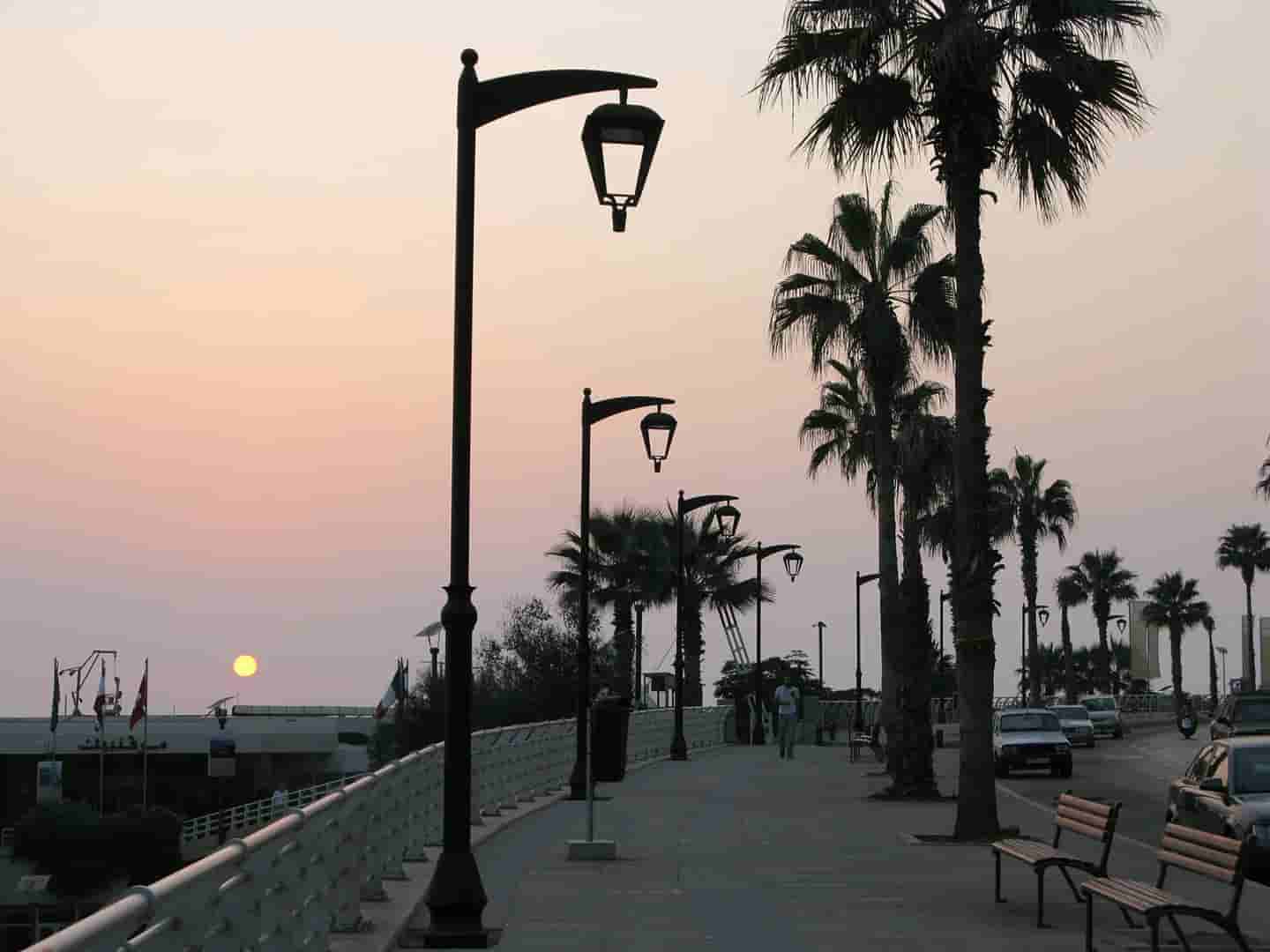
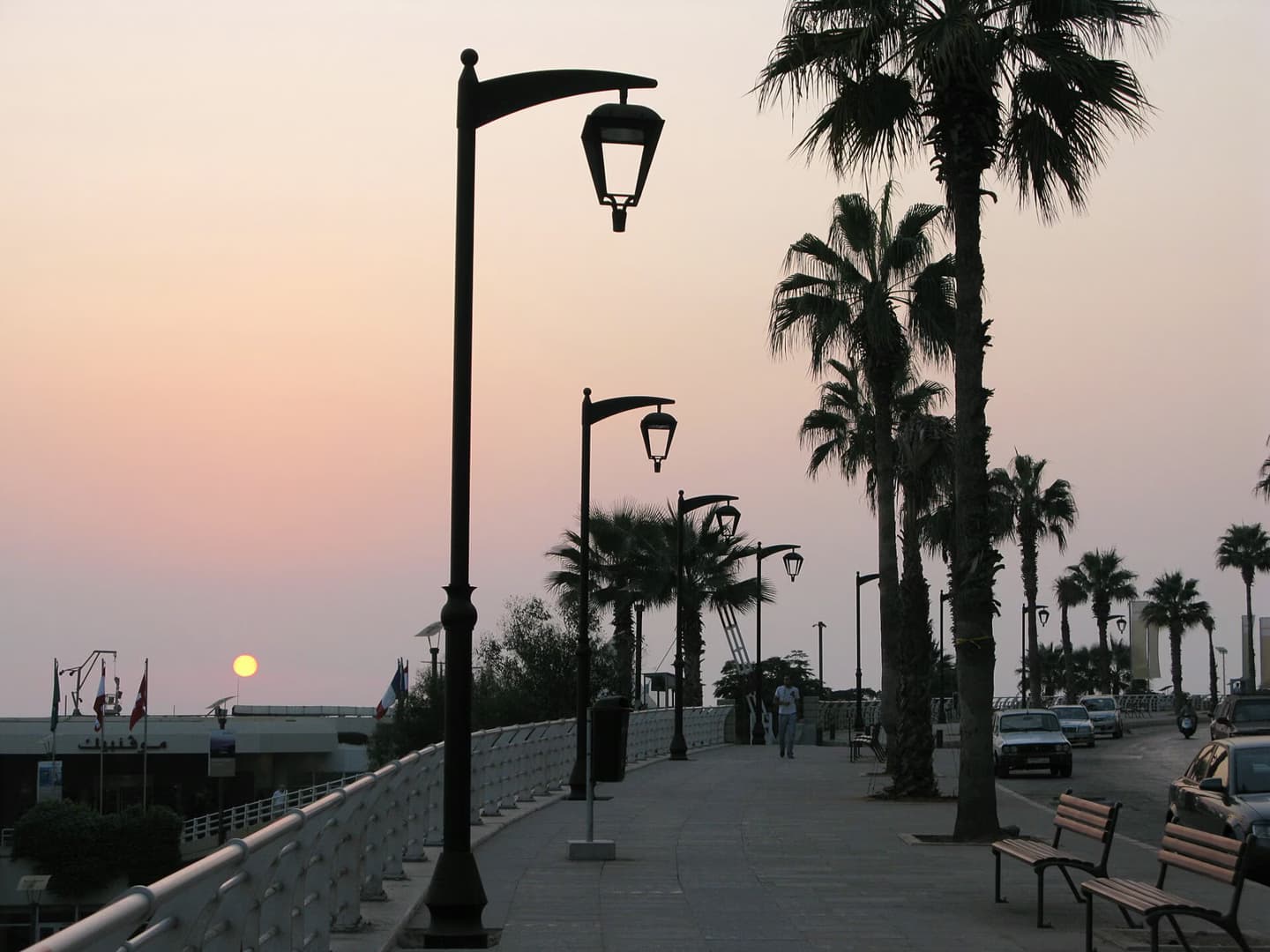
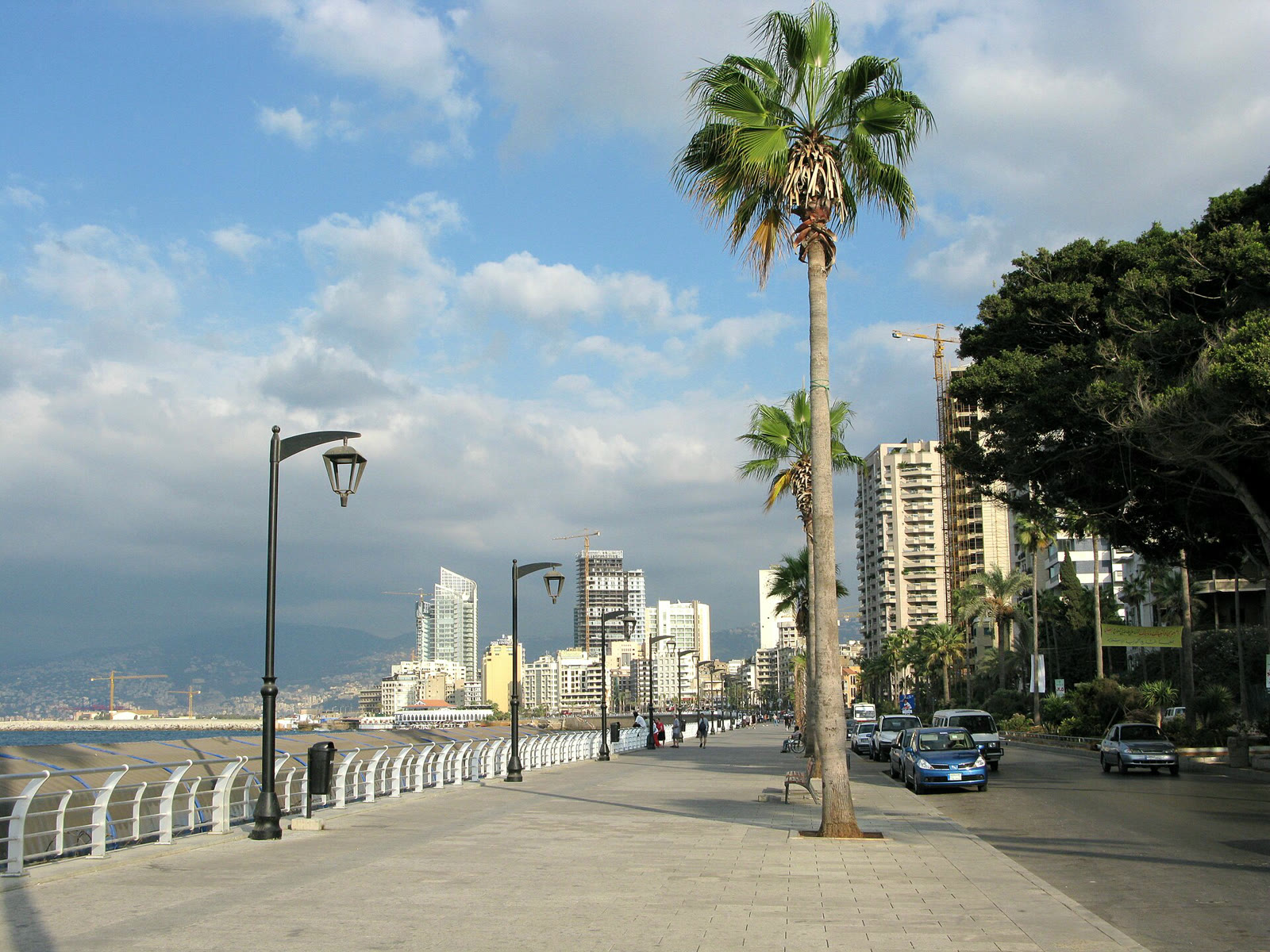
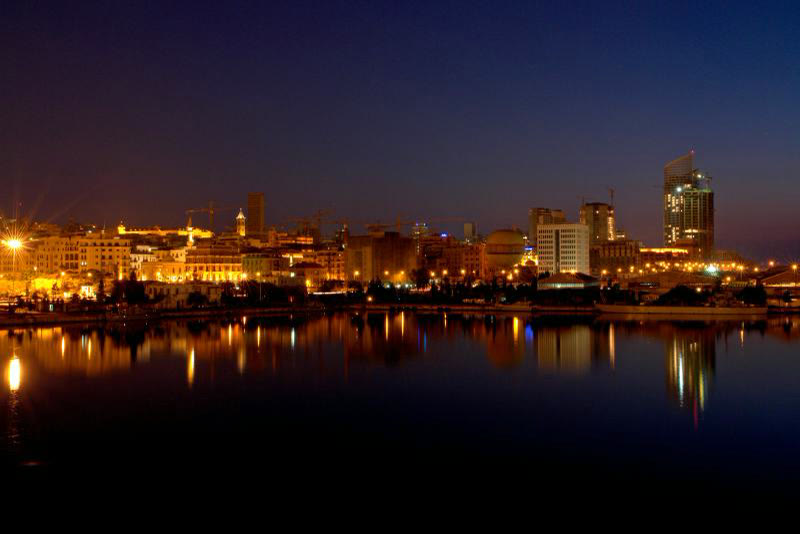
The 67th Arab International Book Fair in Lebanon’s capital Beirut is bringing together Arab publishing and intellectual life at a time when the country faces economic, security and political crises. Organized by the Arab Cultural Club and the Lebanese Publishers Union, the fair is being held on Oct. 9-18 at the Seaside Arena on the Beirut waterfront.
About 165 publishers are taking part in the event, 23 of them from outside Lebanon. The fair is organized as part of efforts to preserve Beirut’s place in Arab publishing and intellectual life.
Lebanese and regional agenda on the cultural program
The fair features intellectual and literary talks, conferences, evening programs, book signings and activities for children. The program of about 90 events discusses the agenda in Lebanon and the region as well as the transformations in Syria following the fall of the Bashar al-Assad regime.
At the fair, which will host meetings to introduce new books, readers can learn about the content of works even if they cannot buy them. Presentations on the history of the fair and of book production also explain the stages of making a book and key milestones in Beirut’s cultural past.
The importance of culture in times of crisis
Salwa Siniora Baasiri, president of the Arab Cultural Club, said the fair was being held under extremely difficult conditions. Noting that these conditions could have led to the event’s cancellation, Baasiri said the organizers had insisted on holding the fair.
Baasiri said culture is a basic need in times of crisis and can offer perspectives for solutions to crises by strengthening awareness in society. Describing the participation of publishers as acceptable given the current conditions, she said the cultural program had been expanded and its range of topics diversified to make up for the absence of some Arab publishers.
The fair’s president said interest in the events had also been remarkable. Baasiri said this interest showed that visitors had maintained their interest in knowledge and books despite the crises in Lebanon, stressing that people continue to stay connected with culture and ideas.
Transformation in Syria and ties with Lebanon under discussion
The program also addresses how relations between Lebanon and Syria might take shape following the political transformations in Syria. Lebanese journalist and writer Mounir al-Rabih signed his book “The Hidden Aspects of Assad’s Fall” at the fair.
Al-Rabih said his book examines the period leading up to the fall of the regime in Syria through interviews he conducted with figures from Syria’s new government and the former regime. Noting that he signed his book first in Damascus and then in Beirut, al-Rabih said this showed that cultural interaction between Lebanese and Syrians continues.
Arguing that Lebanon and Syria have an opportunity to enter a new era in which they can benefit from regional integration, al-Rabih pointed to geographical connections, trade, energy and technology. He said past transformations must be understood in order to shape the future.
Students’ interest in the fair
Fair visitor Nariman Allouch said the Beirut Book Fair is among the most important book fairs in the Arab world. Allouch said the crises Lebanon has gone through had not prevented the fair from taking place but had instead strengthened the determination to keep it going.
Allouch said she noticed students coming to the fair in the morning to look for specific books. Former Lebanese minister Ghada Shreim said holding the fair under the current conditions in the region carries cultural significance.
Shreim said culture, knowledge and reading are the basic elements of rapprochement between societies, adding that the place of books in public life must be preserved despite changing circumstances.
Stay Updated with Hilal Times
Subscribe to be informed about special news, developments and announcements. We will keep you informed.
By signing up, you agree to our Privacy Policy