- BIST10011,619-0.88%
- USD49.45+0.05%
- EUR55.62+0.37%
- GOLD4,199.00+0.43%
- INTEREST37.00%-1.00
- BITCOIN82,693+0.83%
- October 19, 202616°
- BIST10011,619-0.88%
- USD49.45+0.05%
- EUR55.62+0.37%
- GOLD4,199.00+0.43%
- INTEREST37.00%-1.00
- BITCOIN82,693+0.83%
- October 19, 202616°
Egyptian couple receives Umrah trip after reporting archaeological find
Khaled al-Shahat Khalil, who found an inscribed stone block on his land in Egypt’s Gharbia Governorate, handed the find over to the authorities. Two statues believed to belong to Ramesses II and a granite block bearing hieroglyphic inscriptions were discovered during salvage excavations; Khalil and his wife were rewarded with an Umrah trip.


Khaled al-Shahat Khalil, who handed a stone block over to the authorities in Egypt’s Gharbia Governorate, was honored in his village by Egyptian Minister of Tourism and Antiquities Sherif Fathy and Gharbia Governor Alaa Abdel-Moaty for his honesty and civic awareness. Khalil and his wife were presented with a certificate of appreciation and an Umrah trip.
He handed the find over to archaeological authorities
Khalil discovered an inscribed stone block while working on his own land opposite his home in the village of Bahbit el-Hagar. He promptly notified the competent archaeological inspection unit and handed the block over to the relevant authorities.
Following the notification, an archaeological inspection team visited the site and conducted an initial examination. The Bahbit el-Hagar Archaeological Inspection Area also initiated legal procedures and drew up an official report.
Excavations uncover statues believed to belong to Ramesses II
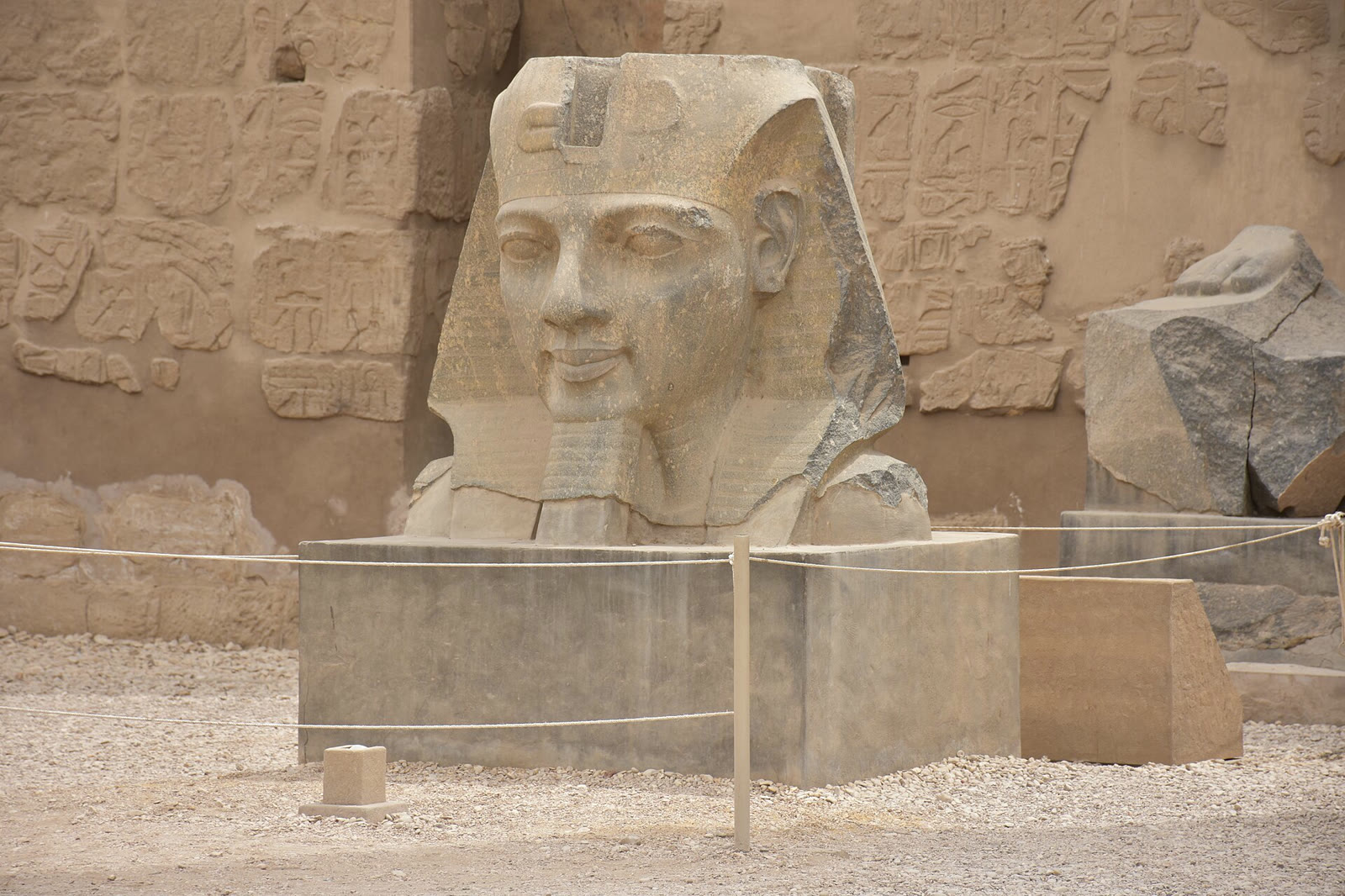
Salvage excavations began in the area after a committee and a working team of specialists were formed under the Supreme Council of Antiquities. During the work, a large statue head believed to belong to King Ramesses II was found.
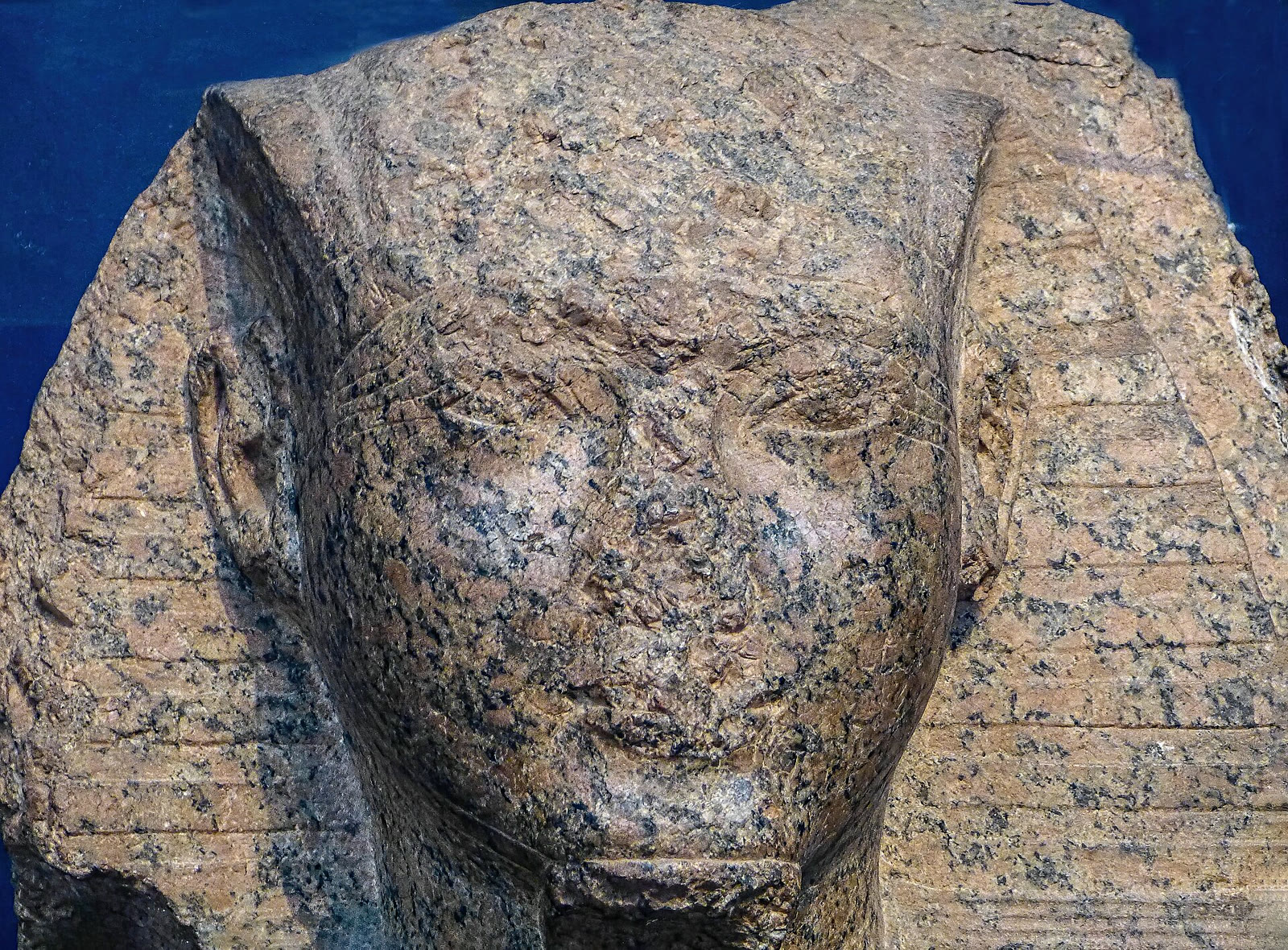
The approximately 1.60-meter-high statue head shows the king wearing the double crown symbolizing the unification of Upper and Lower Egypt. Pieces remaining from the upper section of the statue’s back pillar were also uncovered at the excavation site.
The second find consisted of most of a royal statue approximately 2.40 meters long, also believed to belong to Ramesses II. The statue, which is missing its legs and pedestal, depicts the king wearing the royal headdress known as the nemes.
The statue’s head was also found during the excavation work. The head, which retains its facial features, was in good condition and was similar in appearance to the face of the first statue.
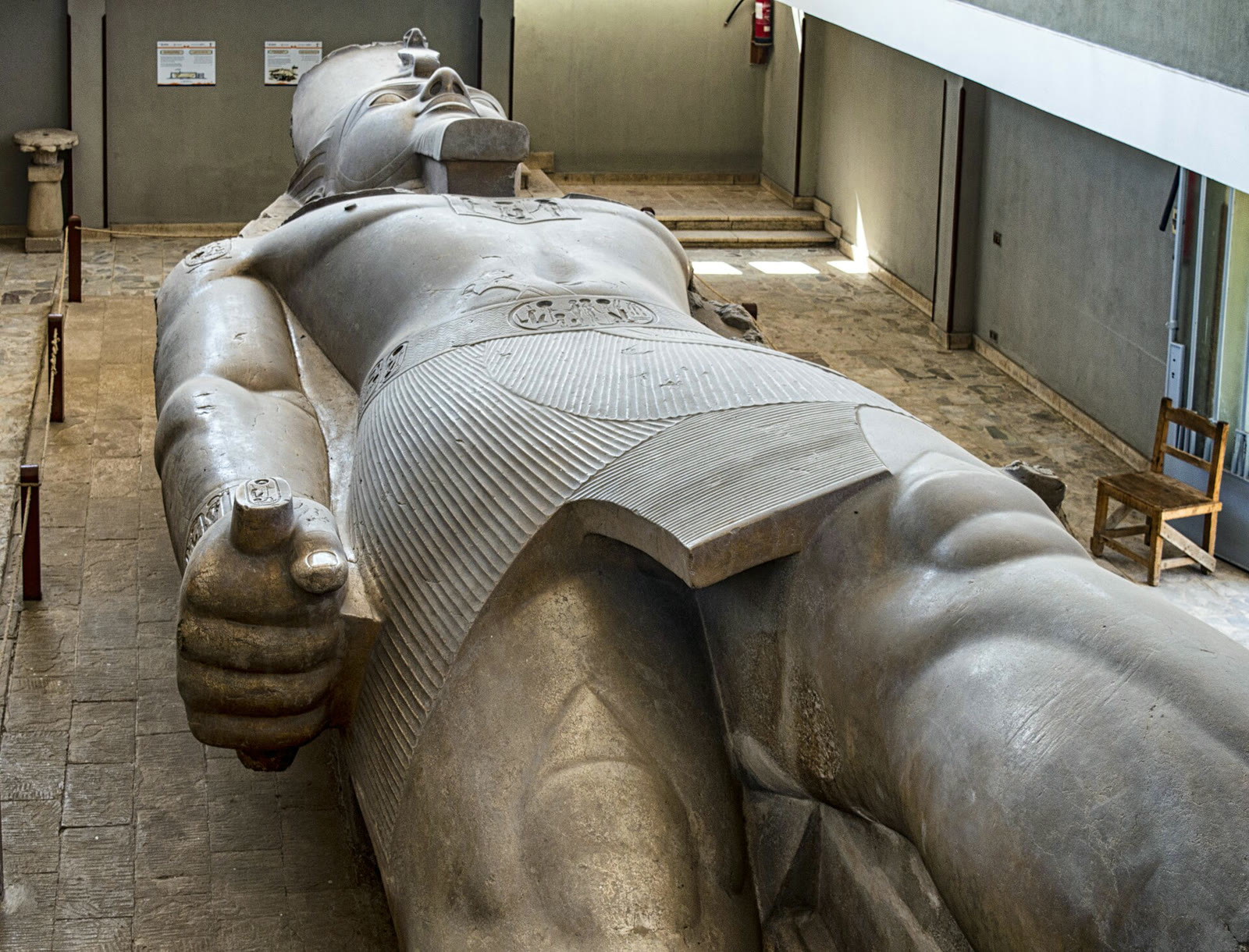
Pink granite block bearing hieroglyphic inscriptions found
The teams discovered a 1.30-meter-long block made of pink granite approximately one meter north of the second statue. The block contains remnants of hieroglyphic inscriptions bearing the titles of King Ramesses II.
Khalil receives an Umrah trip
Sherif Fathy and Alaa Abdel-Moaty rewarded Khalil in the presence of his family and fellow villagers. Fathy said the prompt reporting of the stone block enabled experts to handle the find in accordance with scientific and archaeological rules.
Minister Fathy presented Khaled al-Shahat Khalil and his wife with a certificate of appreciation and an Umrah trip. Gharbia Governor Abdel-Moaty said Khalil had demonstrated awareness and responsibility in protecting Egypt’s antiquities.
The historical importance of Bahbit el-Hagar
The Bahbit el-Hagar area in Gharbia Governorate is among the important archaeological sites in the Nile Delta. The area is known for the remains of a large temple dedicated to the cult of Isis according to ancient beliefs.
The site is said to contain numerous granite blocks and architectural elements reflecting its religious and architectural importance in ancient Egypt. The royal coffin of Ramesses II, regarded as one of the most powerful and best-known pharaohs in ancient Egyptian history, was discovered in 1881 in the hidden area of Deir el-Bahari in Luxor Governorate.
Stay Updated with Hilal Times
Subscribe to be informed about special news, developments and announcements. We will keep you informed.
By signing up, you agree to our Privacy Policy