The number of diplomatic missions in West Jerusalem rose to 10 after Colombia opened its embassy there. The decision came amid ongoing disputes over the international status of Jerusalem.
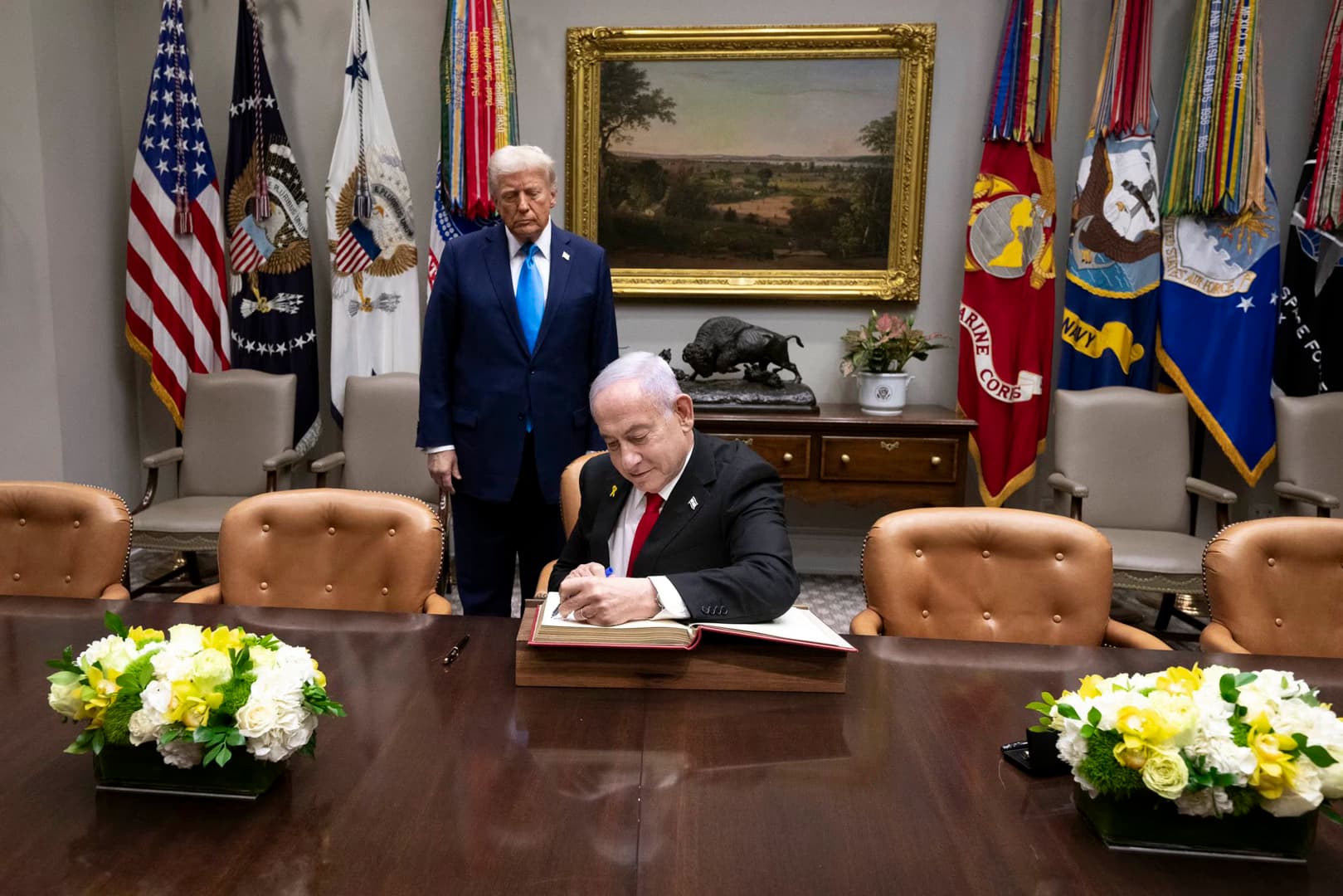
Israeli Foreign Minister Gideon Saar, Colombian Foreign Minister Omar Bula Escobar and West Jerusalem Mayor Moshe Lion attended the opening. Lion said Colombia was the 10th country to move its embassy to West Jerusalem.
The foreign ministers of 19 countries, including Türkiye, firmly rejected Colombia’s decision in a joint statement. Signed by Türkiye, Algeria, Djibouti, Indonesia, Palestine, Qatar, Kuwait, Lebanon, Libya, Malaysia, Egypt, Pakistan, Somalia, Sudan, Syria, Saudi Arabia, Oman, Jordan and Yemen, the statement said the move violates UN Security Council Resolutions 476 and 478 and undermines peace efforts based on the two-state solution. The ministers called on the Colombian government to reconsider and reverse the decision without delay and to abide by its obligations under international law.
Palestine calls for the decision to be reversed
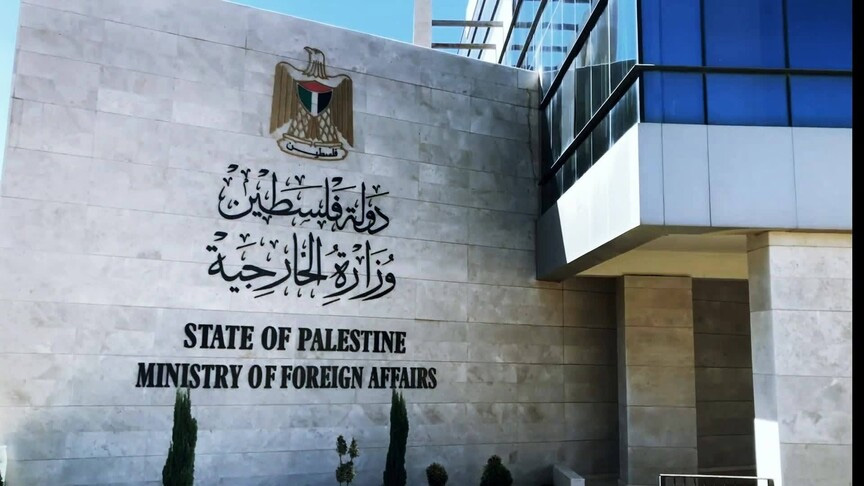
The Palestinian Foreign Ministry described the embassy’s opening as a violation of the legitimate national rights of the Palestinian people, saying it contravened international law and relevant United Nations resolutions. The ministry said all actions and decisions aimed at changing Jerusalem’s status as an occupied city, as well as its legal and historical character, were null and void and would have no legal effect.
The ministry argued that the opening violated United Nations Security Council Resolutions 476 and 478, adopted in 1980, and said the move weakened international consensus on Jerusalem’s status and could encourage Israel to create unlawful facts on the ground. The ministry called on Colombia to reverse its decision and urged the activation of United Nations, Arab and Islamic decisions against countries that have moved their embassies to Jerusalem or opened them in the city.
Relations re-established in August 2026
Colombia’s opening of the embassy came after diplomatic relations between the two countries were re-established in August 2026. Colombia had severed diplomatic relations with Israel in May 2024 under the previous government.
Jordan condemns and rejects the decision
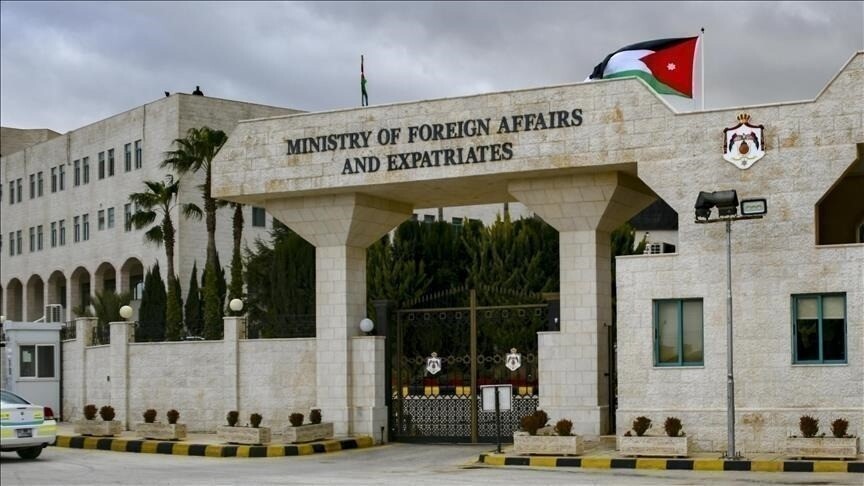
Jordan’s Foreign Ministry also condemned and rejected Colombia’s move, saying it contravened international law and international legitimacy resolutions. The ministry said all measures and decisions aimed at changing Jerusalem’s status or legal position were null, illegitimate and without legal effect.
According to Jordan, a just and comprehensive peace can be achieved only through the establishment of an independent and sovereign Palestinian state, with East Jerusalem as its capital, on the basis of the borders of June 4, 1967.
Türkiye’s Foreign Ministry also condemned Colombia’s opening of its embassy in Jerusalem and called on Bogota to reverse the decision. The ministry said the move was incompatible with UN Security Council Resolutions 476 and 478 and with the legal principles set out in the International Court of Justice’s advisory opinion, stressing that East Jerusalem is an inseparable part of the occupied Palestinian territories. Qatar’s Foreign Ministry likewise said the opening violated international law and Security Council Resolution 478, adding that it rejects any step aimed at changing the legal and historical status of Jerusalem.
Algeria’s Foreign Ministry also issued a separate written statement describing Colombia’s move as a clear and grave violation of international law and relevant international resolutions. Warning that the decision would undermine the two-state solution and harm efforts for lasting peace in the region, the ministry called on the international community, above all the UN Security Council, to act. Former Colombian President Gustavo Petro also opposed the decision, saying that moving the embassy to Jerusalem would be “the greatest sign of disrespect toward the entire Islamic world.”
Jerusalem’s final status remains unresolved
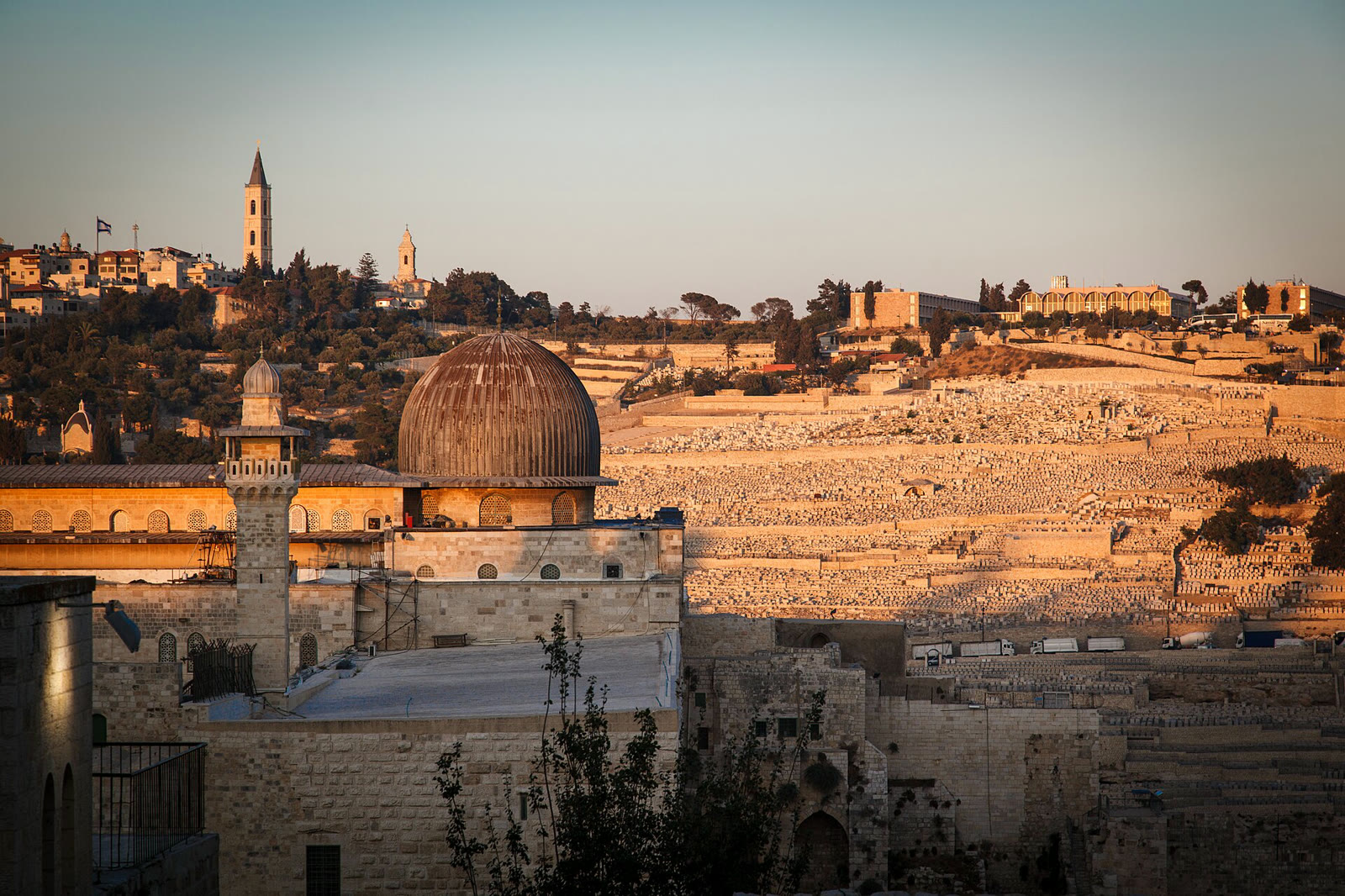
Jerusalem remains one of the most sensitive issues at the center of the Israeli-Palestinian conflict. While Israel regards the entire city as its capital, Palestinians consider East Jerusalem, which has been under Israeli occupation since 1967, the capital of a future Palestinian state.
Israel’s annexation of East Jerusalem in 1980 was not recognized internationally. In Resolution 478, adopted in August 1980, the United Nations Security Council rejected Israel’s steps to alter the character and status of Jerusalem.
The resolution called on countries with diplomatic missions in the city to withdraw their missions. Accordingly, most countries maintain their embassies in Tel Aviv or its environs, in line with the international position that Jerusalem’s final status should be determined through negotiations.
Colombia had also notified the United Nations on August 28, 1980, that it had moved its diplomatic mission from Jerusalem to Tel Aviv in compliance with Resolution 478. The country’s reopening of an embassy in Jerusalem came 46 years after that move.
Embassies in West Jerusalem
According to Israel’s Foreign Ministry, the countries with embassies in West Jerusalem following Colombia’s opening include the United States, Guatemala, Honduras, Kosovo, Paraguay, Papua New Guinea, Fiji, Nauru and Somaliland.
Israel is the only country that recognizes Somaliland’s independence.
According to the Palestinian Foreign Ministry, 160 of the United Nations’ 193 members recognize the State of Palestine. Palestine has held non-member observer state status at the United Nations since 2012.