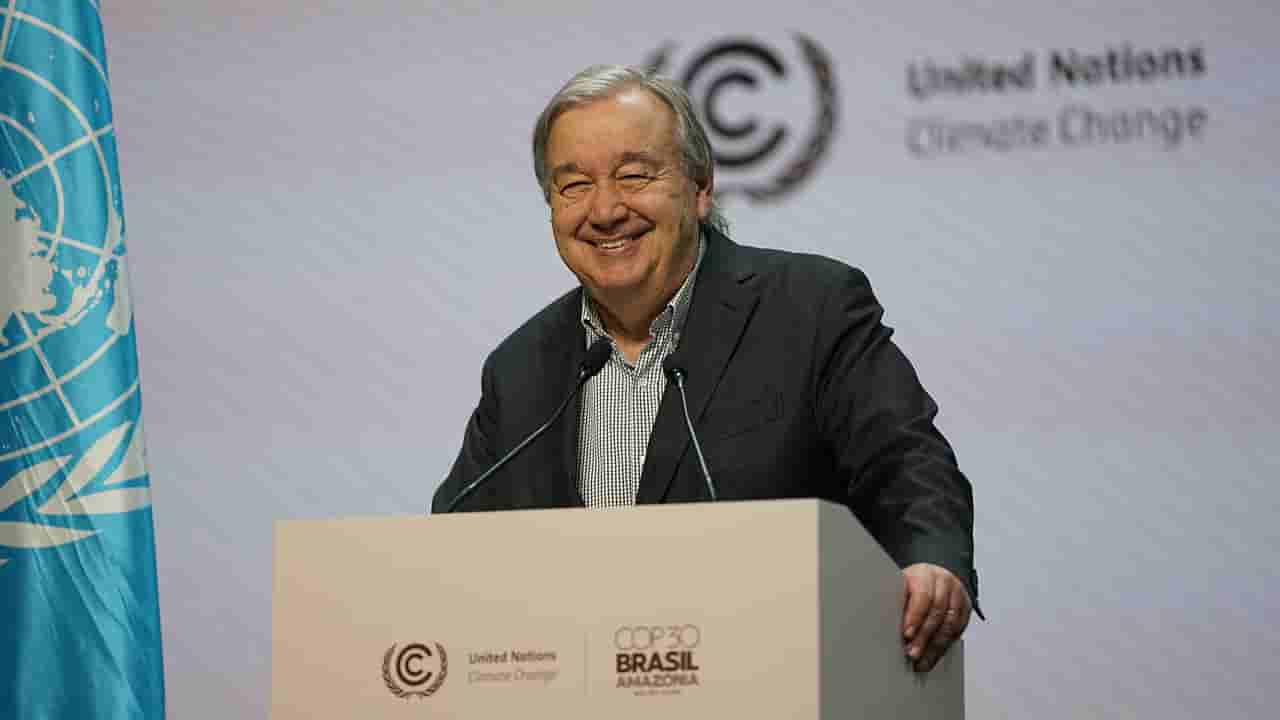
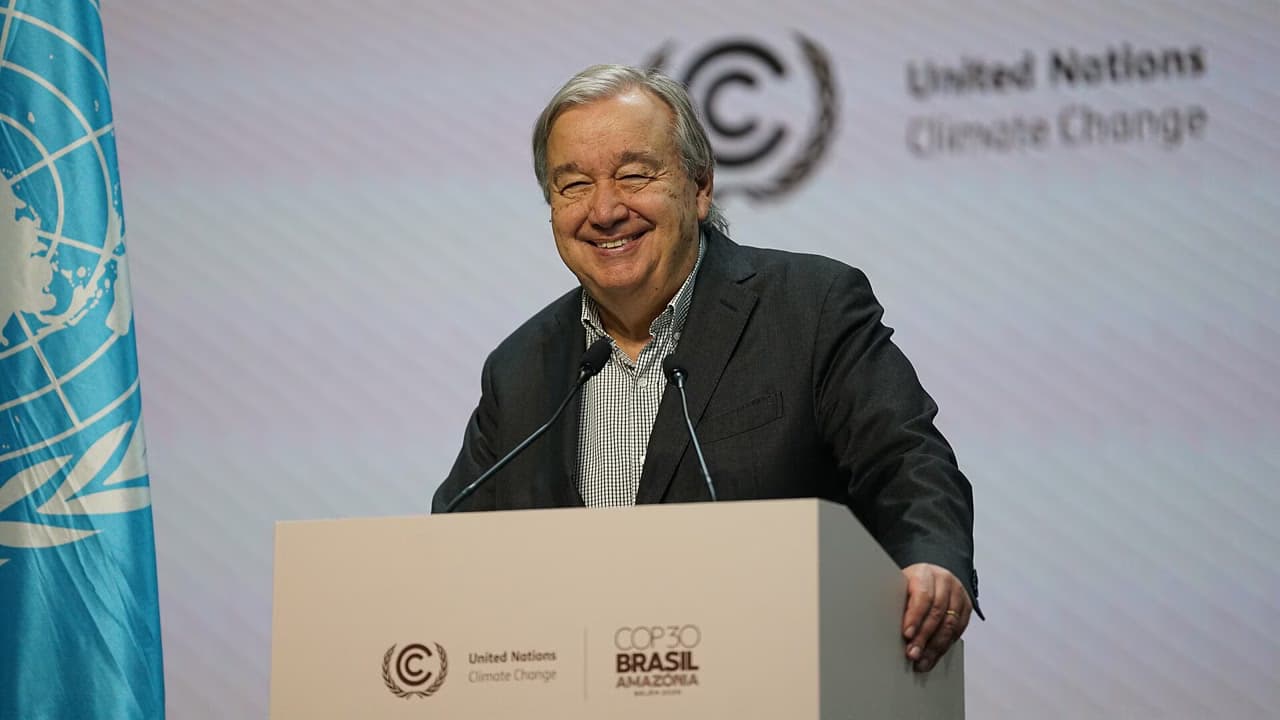
As health services continue under severe conditions in Gaza, 2,027 patients unable to access the treatment they needed or medical evacuation outside the Gaza Strip have died. Dr. Mohammed Abu Afafsh, director of the Gaza Health Aid Service, announced the deaths in an assessment of the crisis in the healthcare system.
Abu Afafsh said the situation had worsened because border crossings were being kept closed, the entry of medicines and medical supplies was restricted, and diagnostic and treatment centers were experiencing operational disruptions.
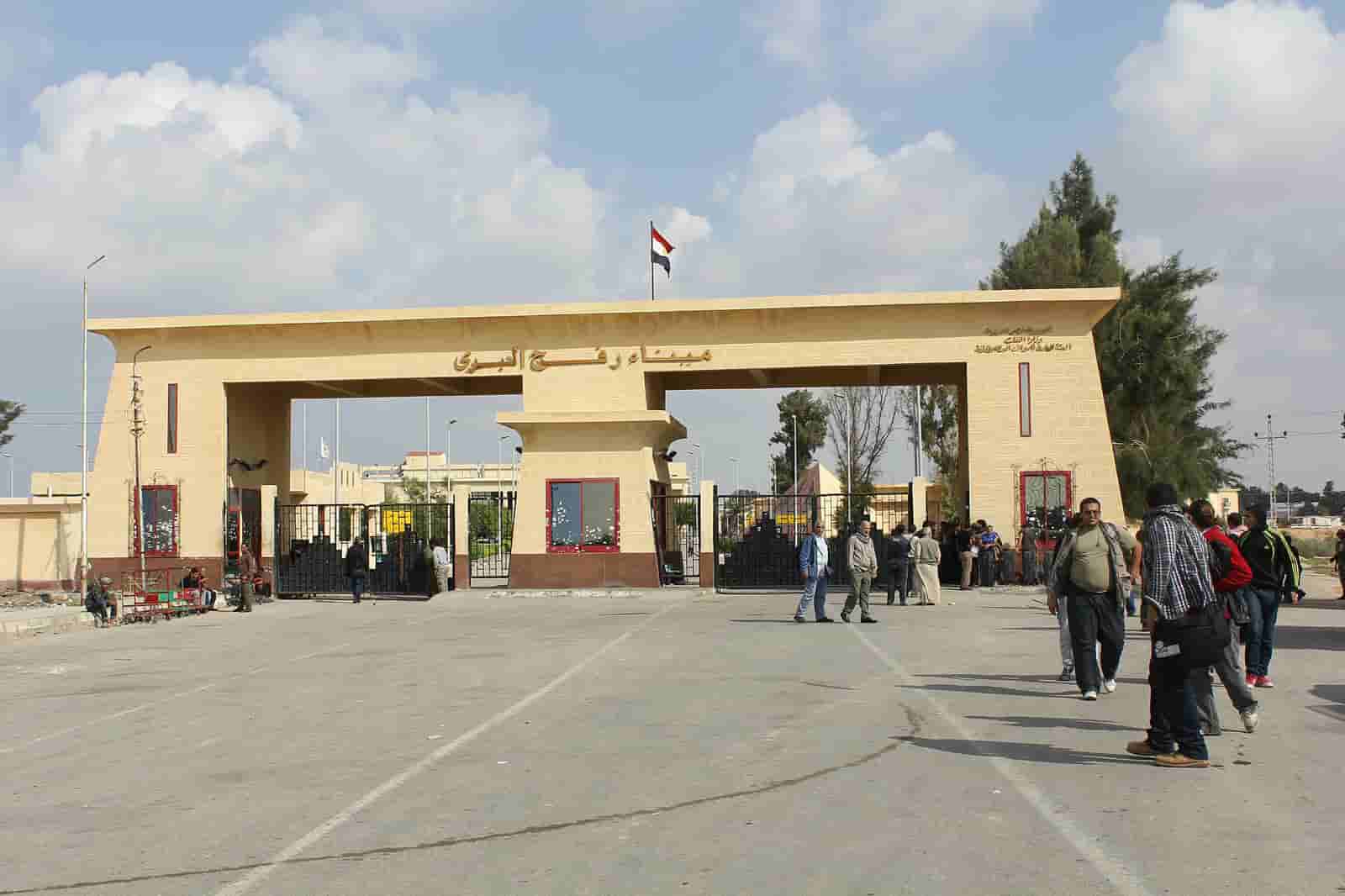
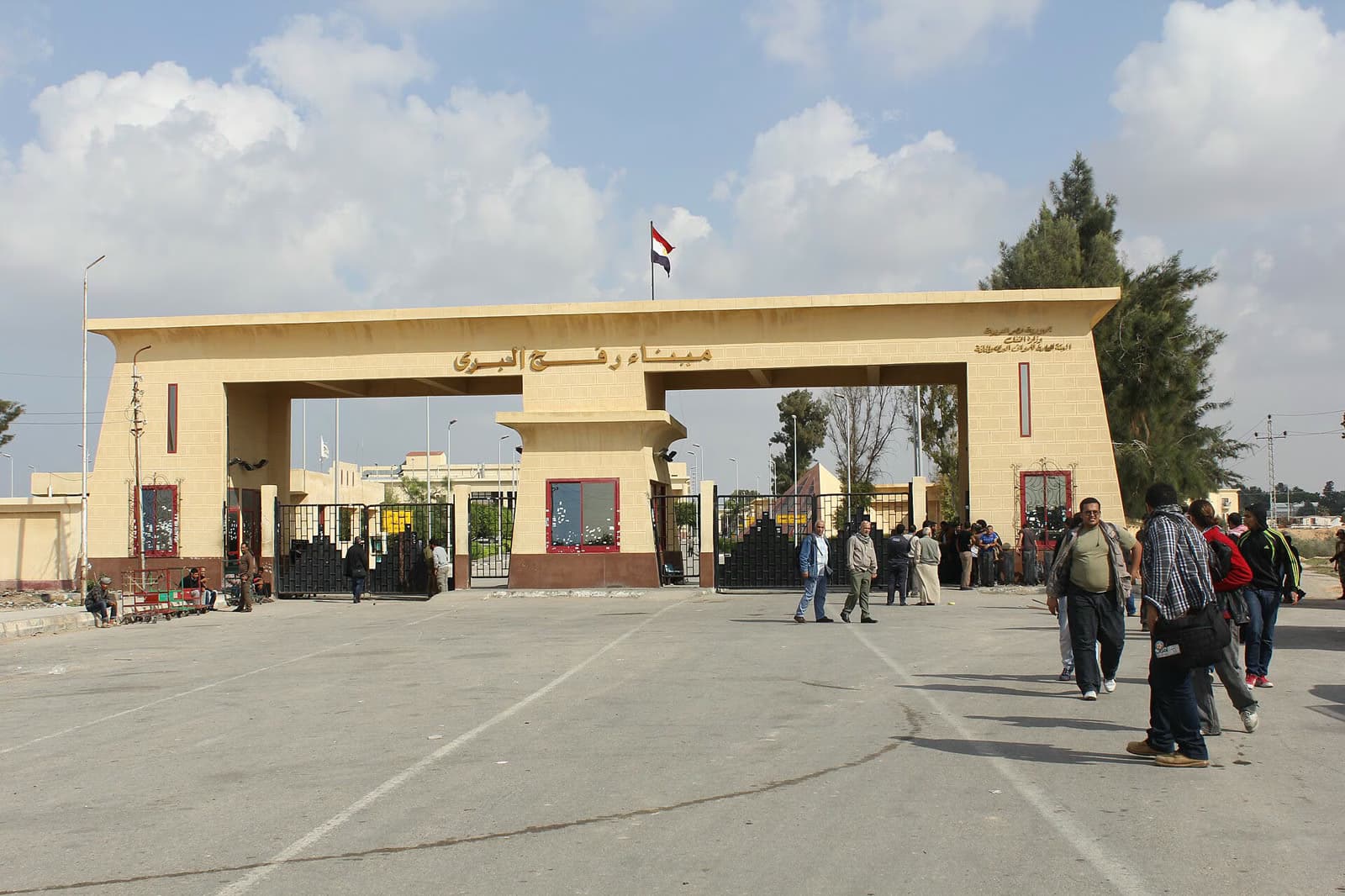
Patient crossings from Rafah into Egypt halted
Abu Afafsh said more than 21,000 people in Gaza need medical evacuation and announced that no patients had been able to leave for Egypt through the Rafah Border Crossing for more than five days.
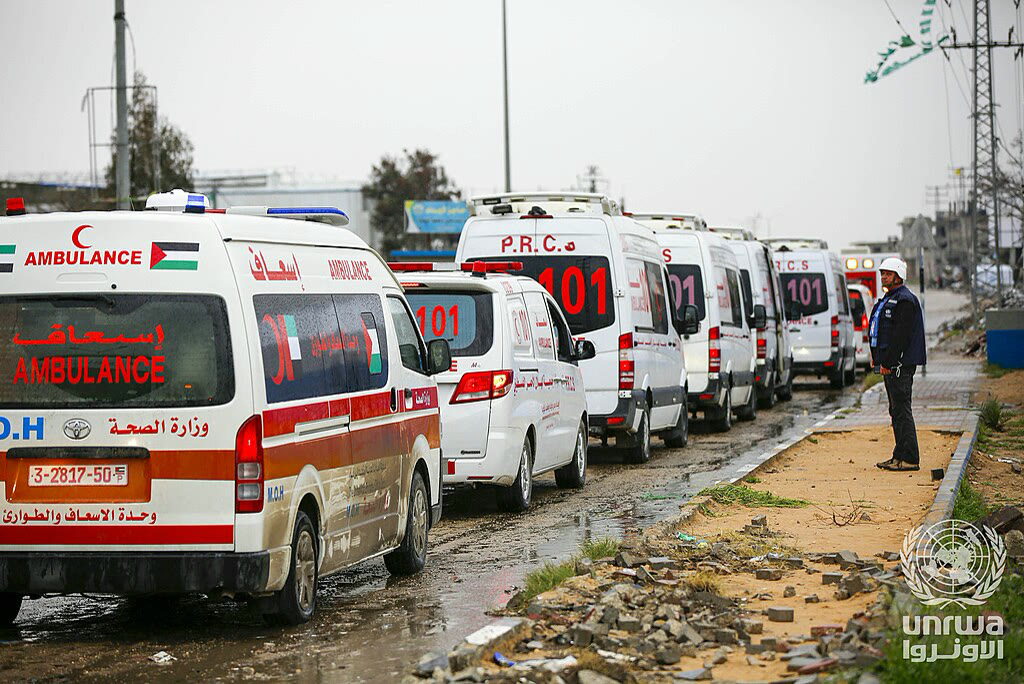
The continued closure of border crossings and delays in evacuations are further worsening patients' health conditions. Abu Afafsh noted that serious complications were being seen particularly among people with cancer, kidney failure, heart disease and other chronic illnesses.
Abu Afafsh said Gaza's hospitals were experiencing shortages of medicines, medical equipment, consumables and specialist staff, adding that the limited capacity of laboratories and operating rooms was making diagnosis and treatment more difficult. He said healthcare facilities had been forced to reduce their services because of insufficient resources, leaving many patients unable to access adequate healthcare.
Fewer than 227 healthcare facilities remain operational
According to Abu Afafsh's statement, more than 574 healthcare facilities operated from northern Gaza to the south before the broader crisis began. That number is now no more than 227, most of which are operating with severe resource shortages.
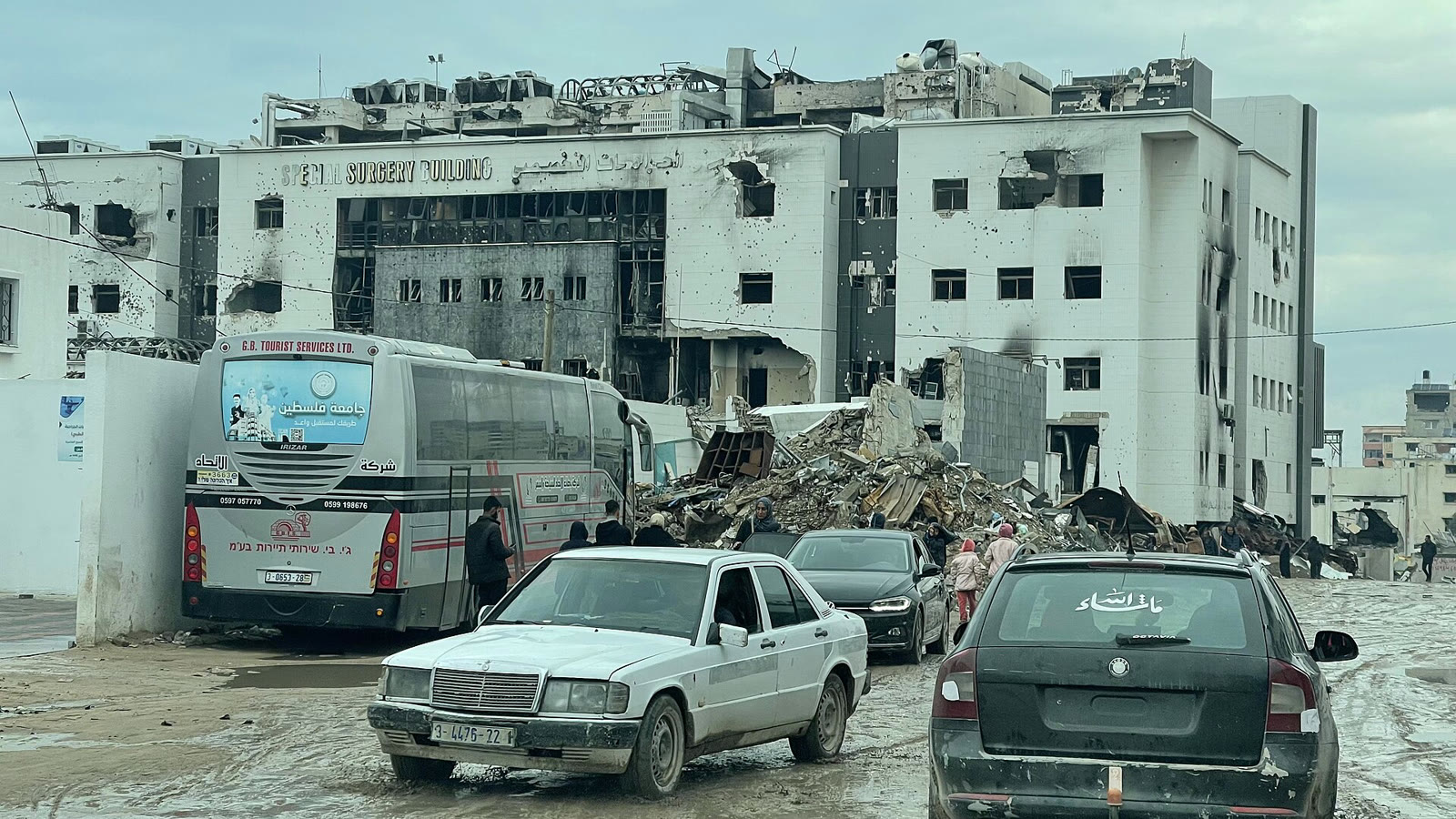
The decline in the number of healthcare facilities has adversely affected the monitoring of pregnant women and children, nutrition programs, the provision of food supplements and vaccination efforts.
Abu Afafsh warned that children born after the Israeli attacks began in October 2023 could face long-term health problems because of malnutrition, weakened immune systems and a lack of necessary medical care.
Pressure on healthcare services in Gaza
Attacks and restrictions on the area have made Gaza's healthcare system one of the sectors most severely affected. In addition to more than 175,000 wounded people, needs have increased for the treatment of chronic illnesses, long-term rehabilitation and the care of thousands of people who have lost limbs.
Attacks on hospitals have forced some healthcare facilities to suspend operations, while restrictions on the entry of medical supplies and on fuel supplies needed to operate generators have also disrupted healthcare services.
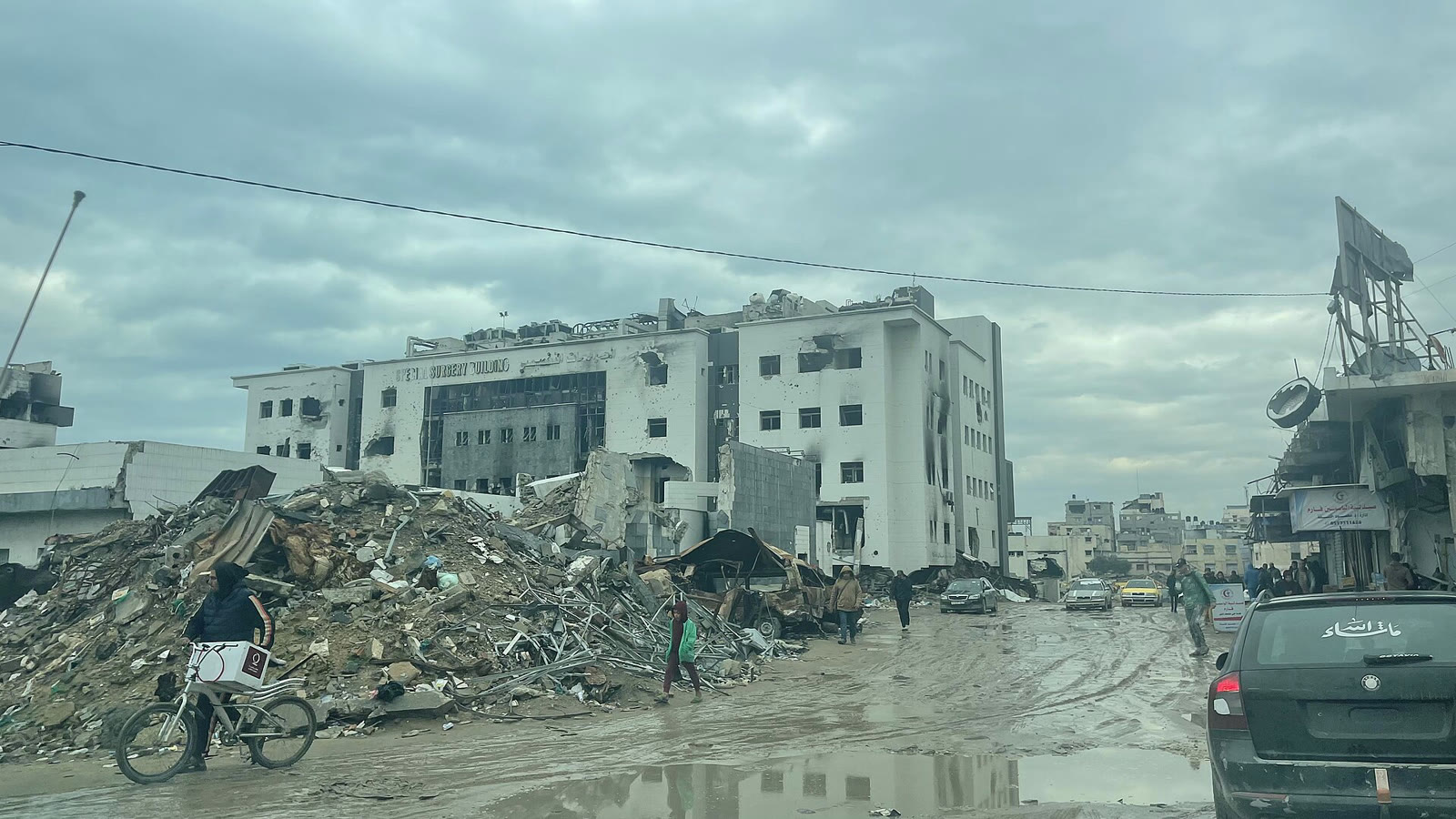
Despite the ceasefire agreement that took effect on October 10, 2025, attacks in Gaza have continued, it was alleged. According to data from Gaza's Ministry of Health, 1,501 Palestinians have been killed and 5,323 people injured in attacks since the ceasefire took effect.
The same data shows that more than 74,000 Palestinians have been killed and more than 175,000 people injured in attacks on Gaza since October 2023. Approximately 90 percent of the area's infrastructure has been destroyed.
In a statement on Oct. 15, Gaza’s Health Ministry said the closure of the Rafah crossing for a second week was blocking the evacuation of patients who need treatment abroad. According to the ministry, more than 20,000 patients and wounded are waiting to leave the enclave, and 1,344 patients have died while awaiting treatment since the ceasefire took effect on Oct. 10, 2025. Describing the closure as a grave violation of international humanitarian law, the ministry called for urgent pressure on Israel to reopen Rafah and the other crossings.