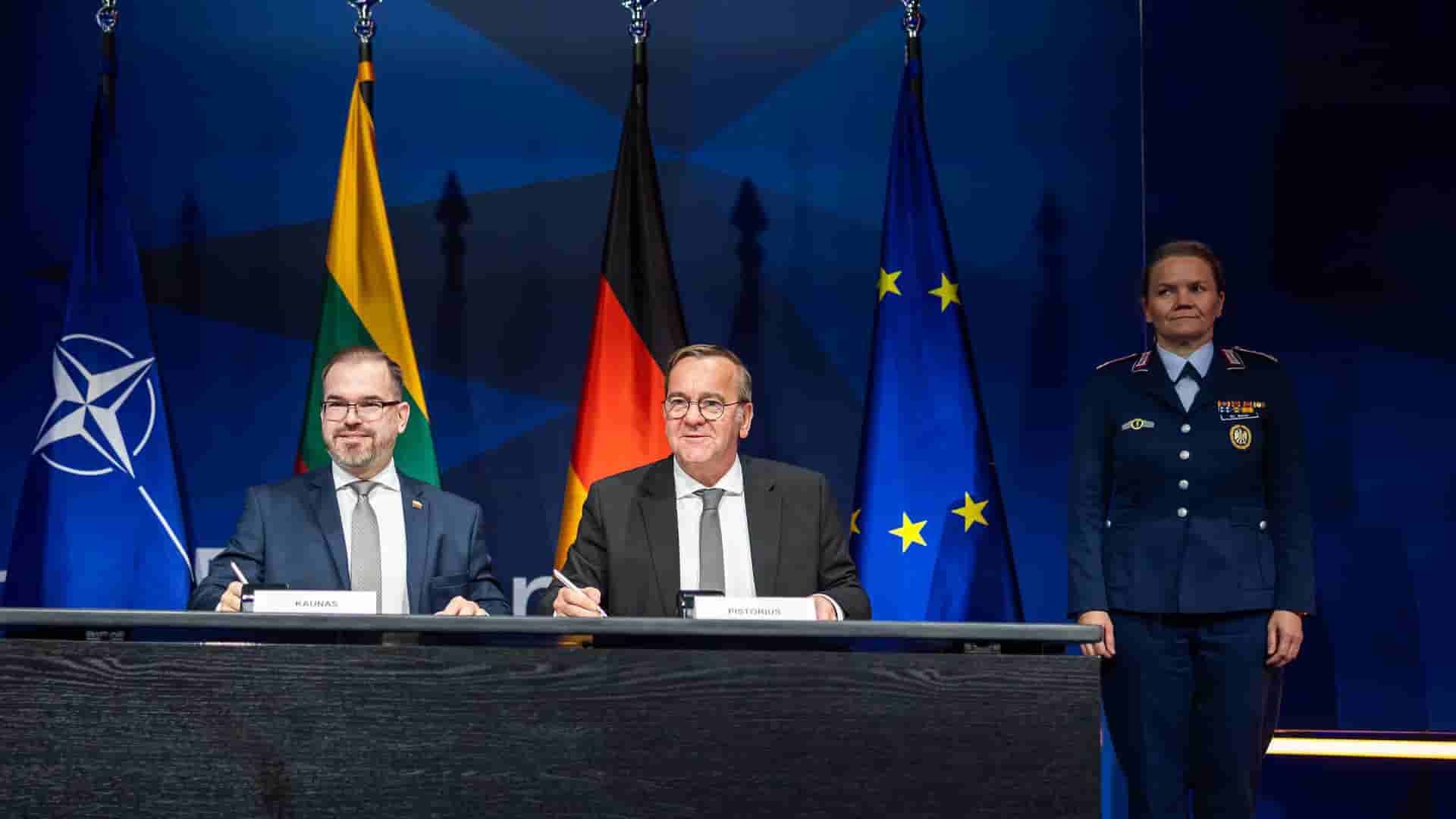
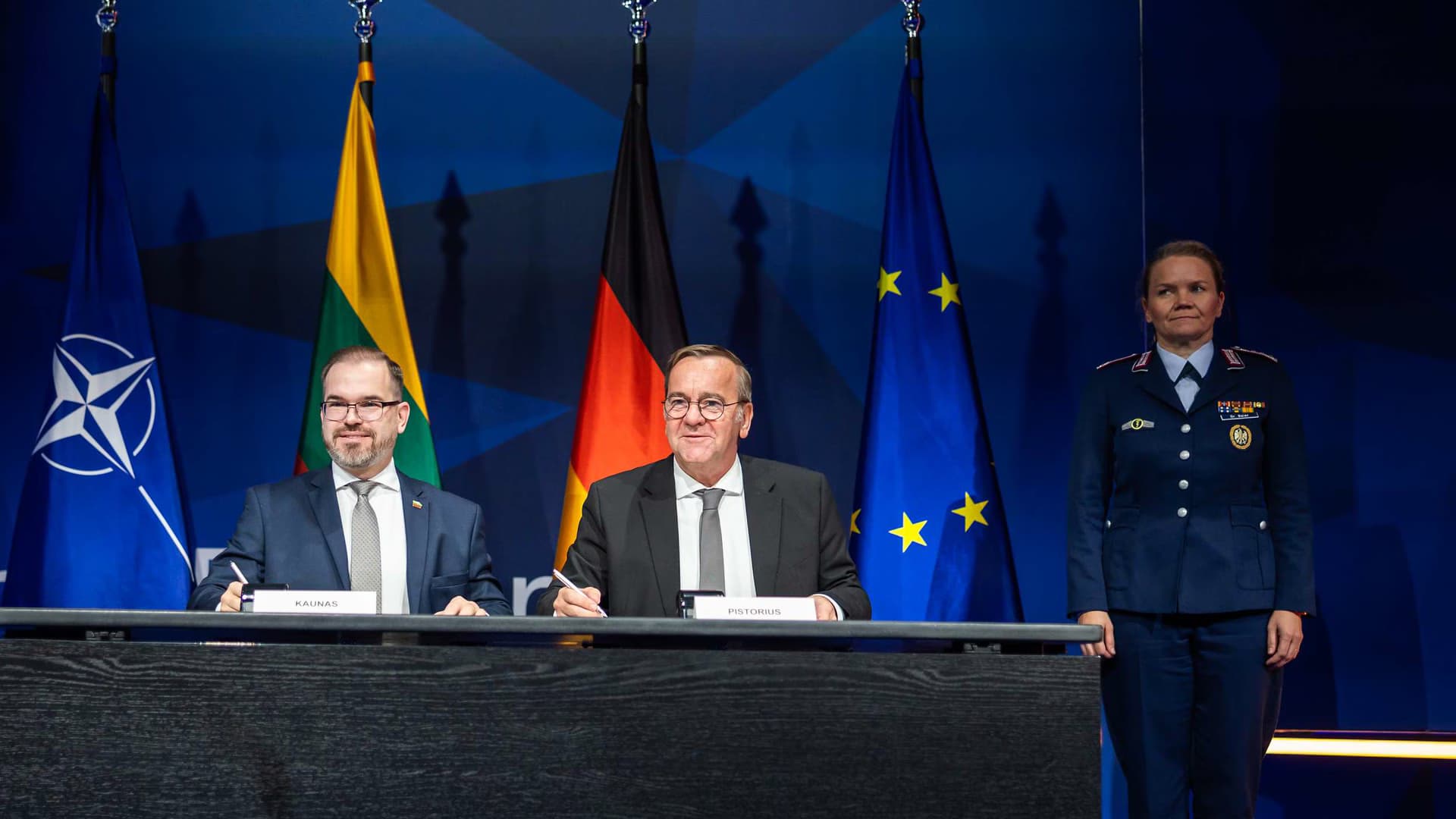
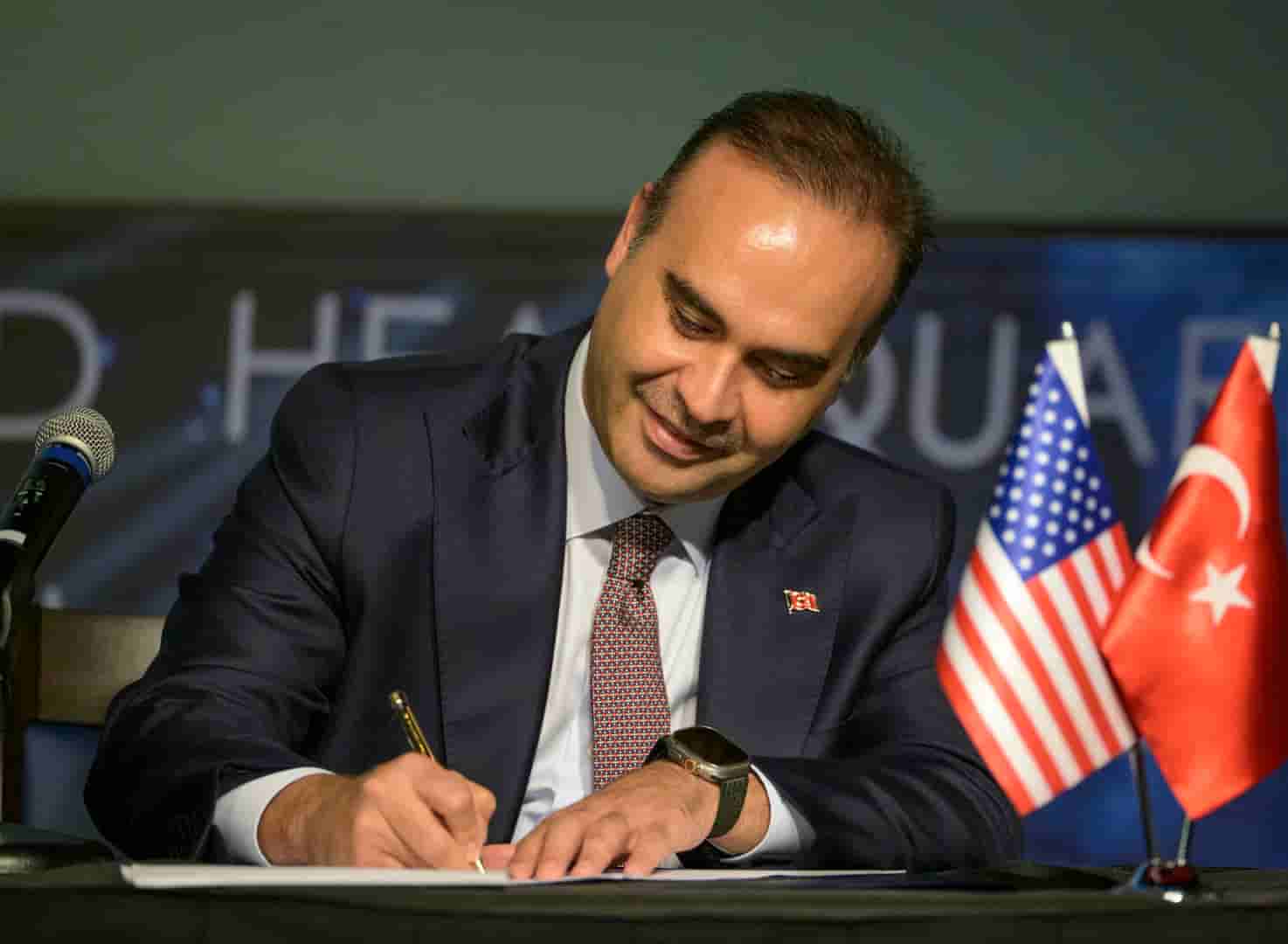
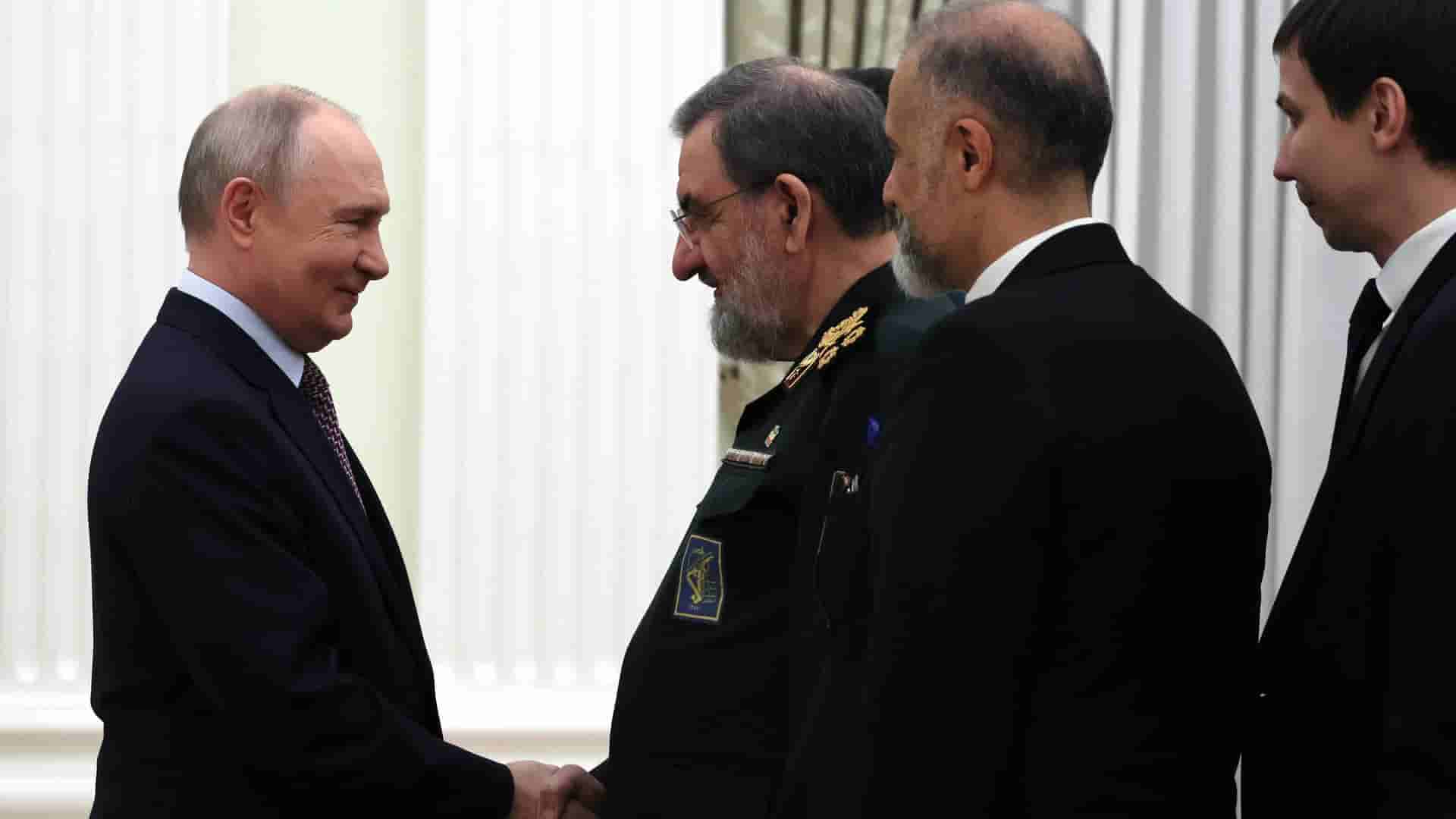
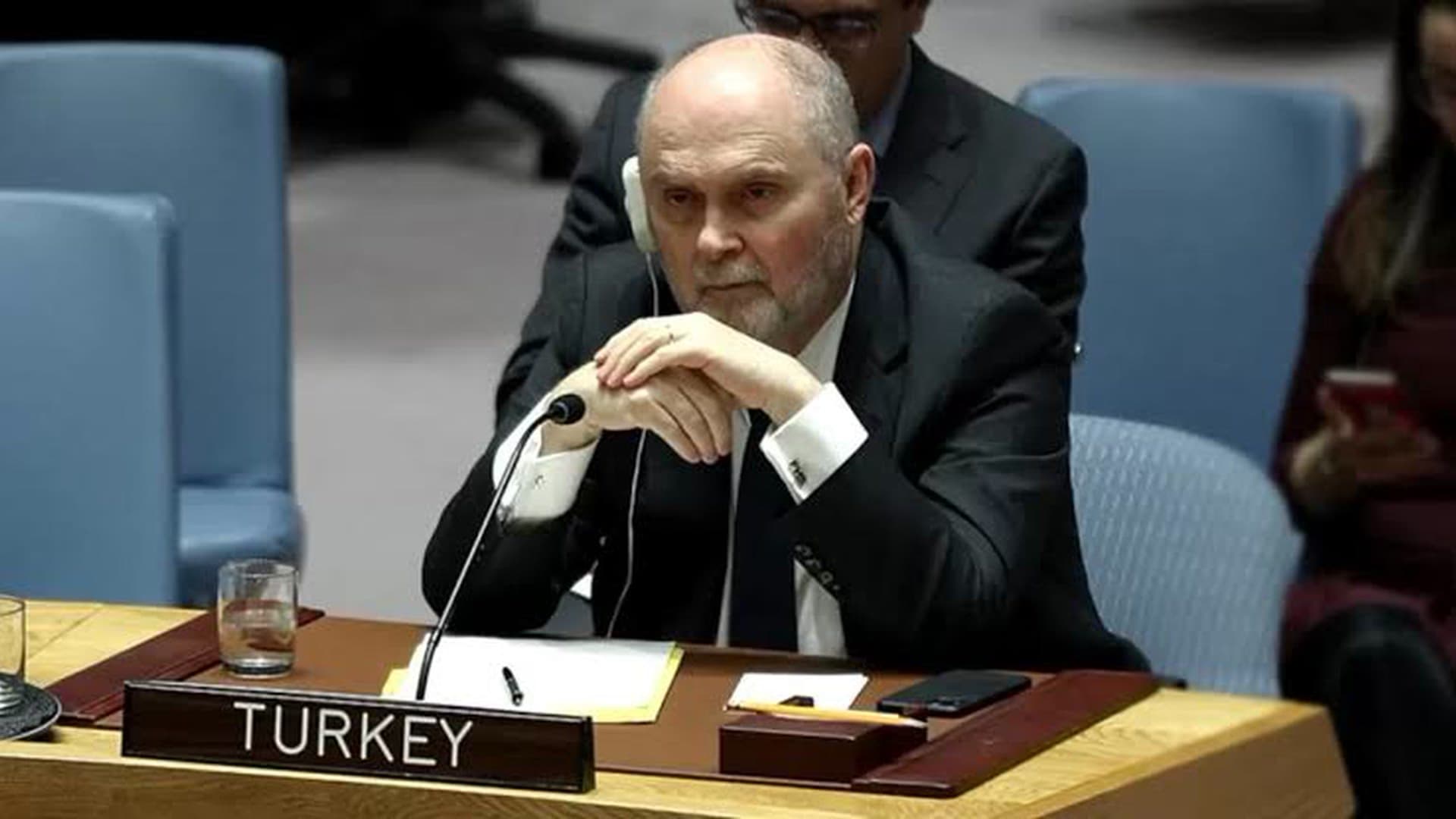
“What if Syria joined the Mecca Alliance, and then Israel attacked Syria as it has done many times in the past—not only under the Assad regime, but also under the relatively newer regime? What happens then? Under the Mecca Agreement, would that be considered a declaration of war on Türkiye? I think the answer is yes,” Regev says in the clip. The headline “Syria weighs joining the Mecca Charter” appeared on screen during his remarks, alongside footage of Saudi Crown Prince Mohammed bin Salman.
This argument is based on Article 2 of the agreement, which states that any external armed aggression against one party is considered aggression against all parties. However, the text leaves the nature and scope of support for the attacked party to be determined by agreement among the parties, within the framework of the right to legitimate self-defense set out in Article 51 of the United Nations Charter. It does not predetermine the form of any response.
“Discussions to assess membership”
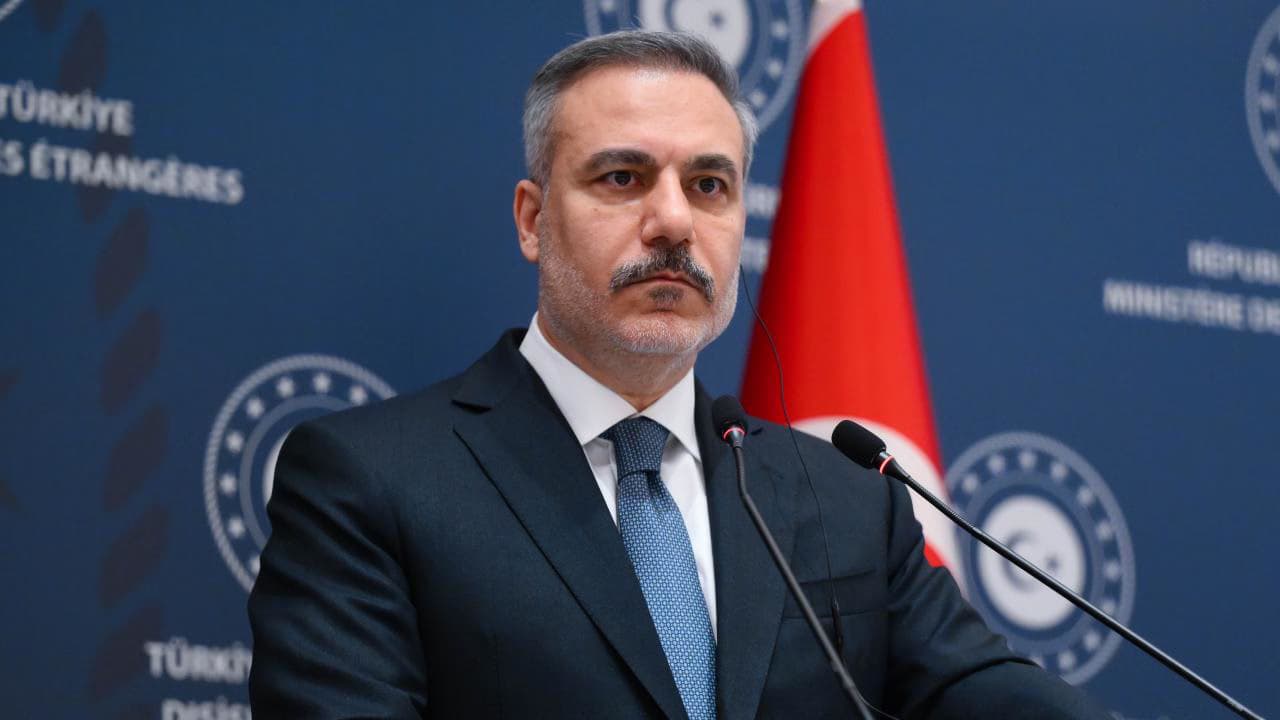
On October 31, Syrian Foreign Minister Asaad al-Shaibani announced during a session on “The Foundations of Regional Security” at the 22nd Manama Dialogue, organized by the International Institute for Strategic Studies in Bahrain, that “discussions are currently under way to assess Syria’s joining the Mecca Alliance.” He said Syria was an integral part of the region’s security and that the region needed shared deterrence and defense frameworks more than ever, adding that Gulf stability was an extension of Syria’s security.
During the same session, al-Shaibani said Israel had carried out more than 1,000 attacks on Syria in less than two years, killing dozens. He asked: “How can the demand to control the borders and restrict weapons be reconciled with Syrian sovereignty being violated and targeted daily?” He called for a return to the lines in place before December 8, 2024, and for the 1974 Disengagement Agreement to be activated.
Damascus has not announced that it has submitted a formal application or made a final decision. On August 21, during a visit to Islamabad, al-Shaibani first disclosed that his country was considering joining the agreement and that its decision would be announced later. At the time, he stressed that Israel had no right to dictate Damascus’s alliances or partnerships.
Unanimity is required for membership
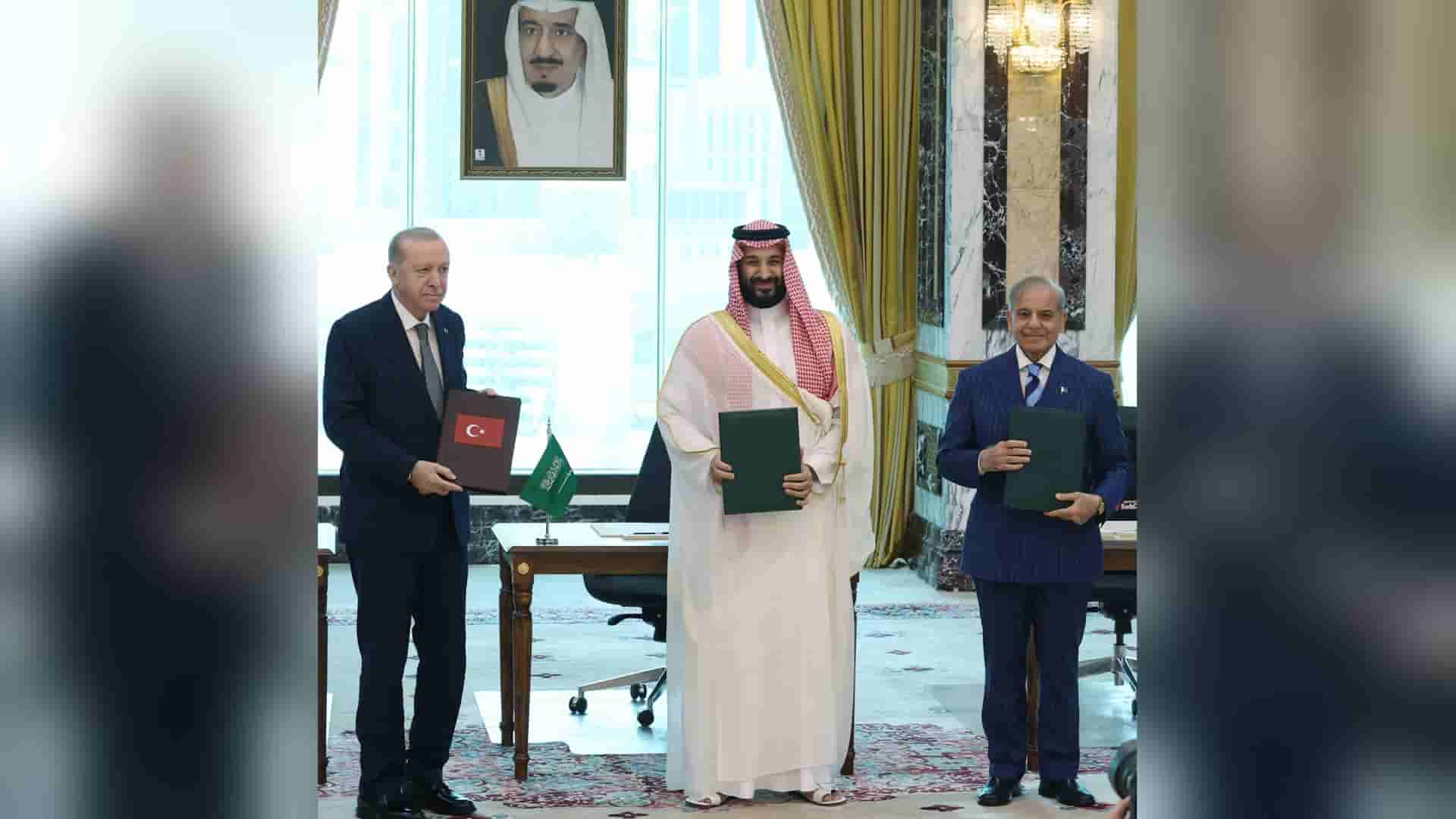
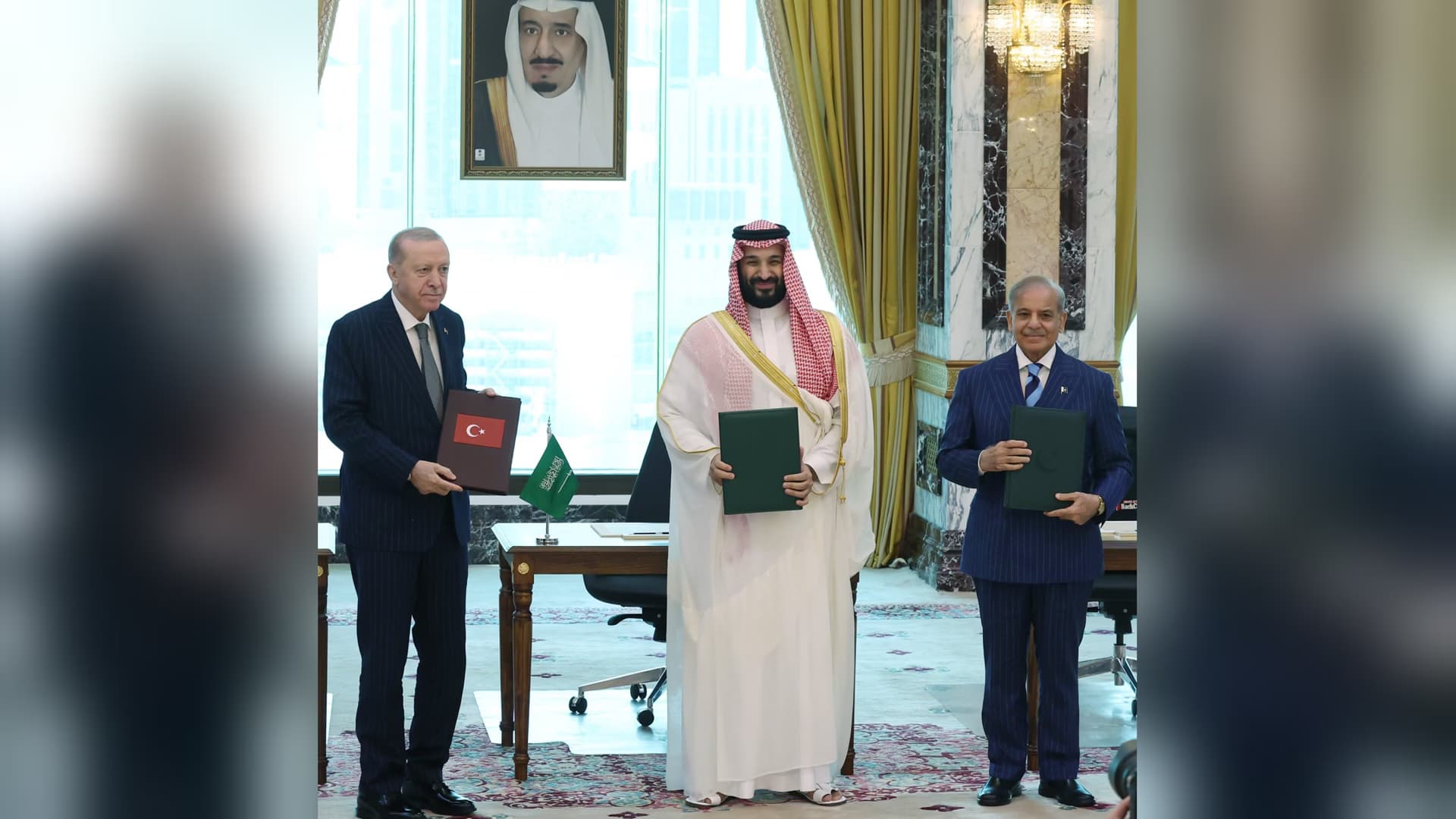
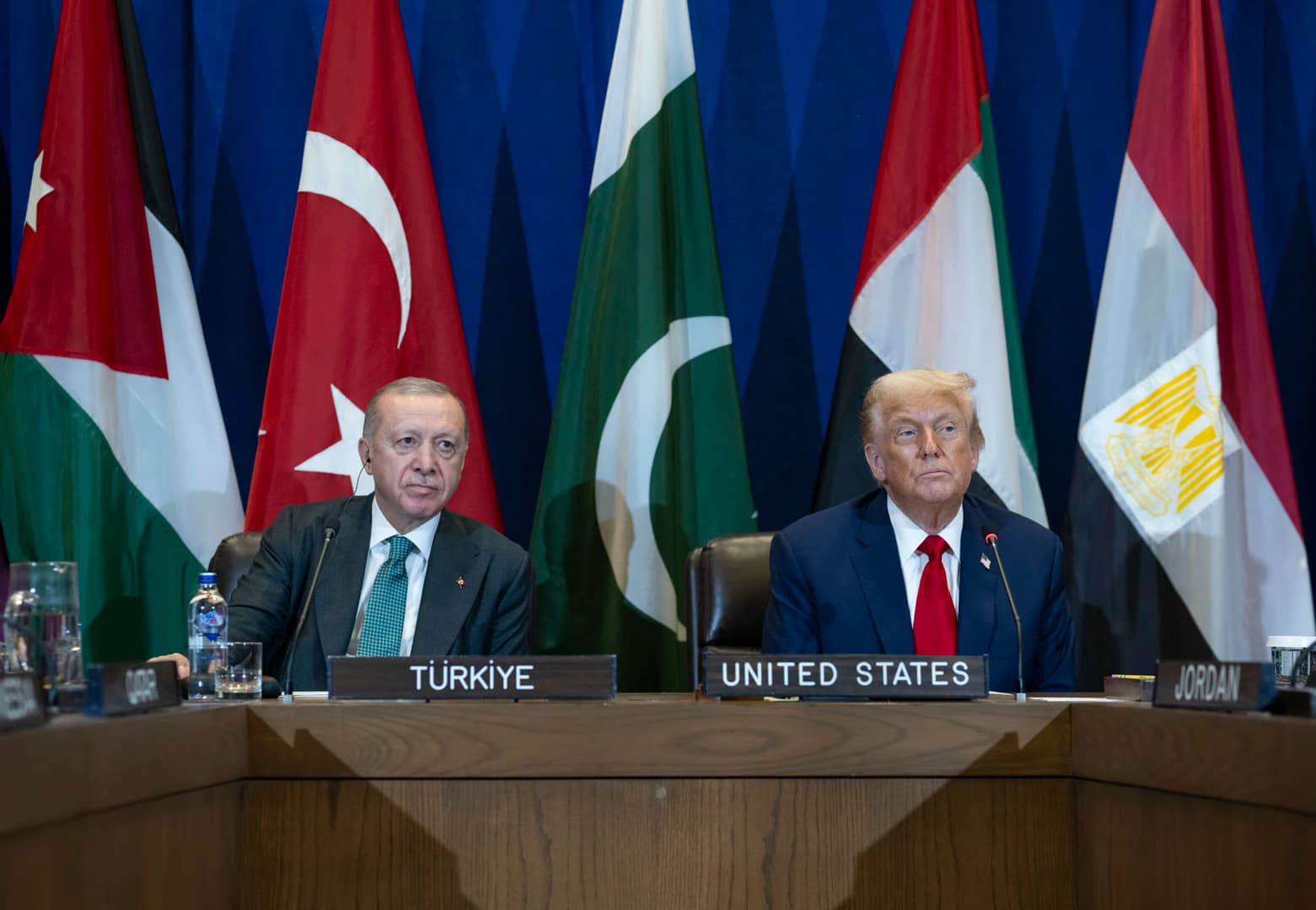
President of Türkiye Recep Tayyip Erdoğan, Saudi Crown Prince and Prime Minister Mohammed bin Salman, and Pakistani Prime Minister Shehbaz Sharif signed the agreement in Mecca on August 7. After Pakistan and Saudi Arabia completed their ratification procedures, the Turkish Parliament’s General Assembly approved the ratification bill on Thursday evening, November 5, by 279 votes to 119. The agreement requires the unanimous approval of the three founding states for any new country to join, meaning any Syrian move would require the approval of Ankara, Riyadh and Islamabad.
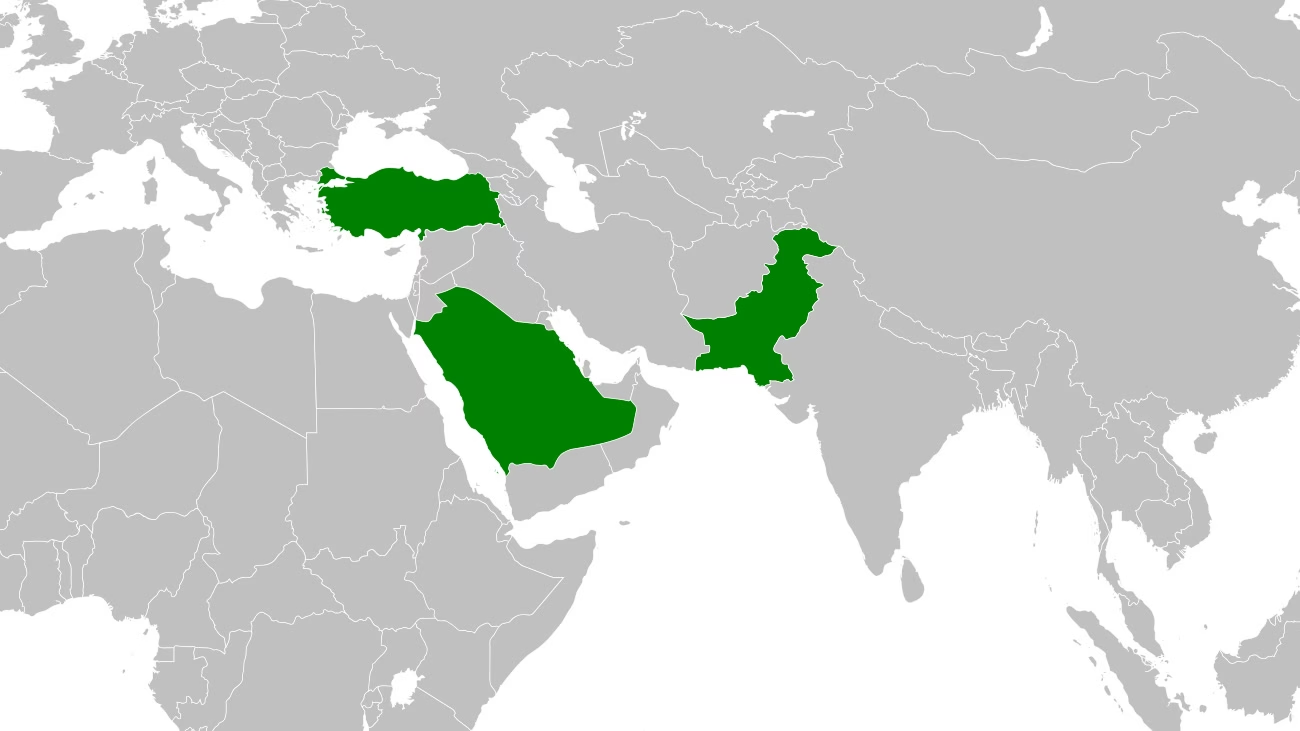
The map shows the three countries that signed the agreement in green. Syria lies along Türkiye’s southern border and near Saudi Arabia’s northern border. If Syria joins, the agreement’s umbrella would extend for the first time to a country in the Levant.
Rapid rapprochement with Riyadh
These discussions come amid rapidly deepening ties between Damascus and Riyadh. Syrian President Ahmad al-Sharaa met the Saudi crown prince at Al-Yamamah Palace in Riyadh on Wednesday, November 4. The two sides signed agreements and memorandums of understanding that the Syrian Arab News Agency (SANA) said covered development, energy, housing, health, industry, agriculture and military cooperation. One of them was a cooperation agreement between the two countries’ defense ministries, whose details were not published.
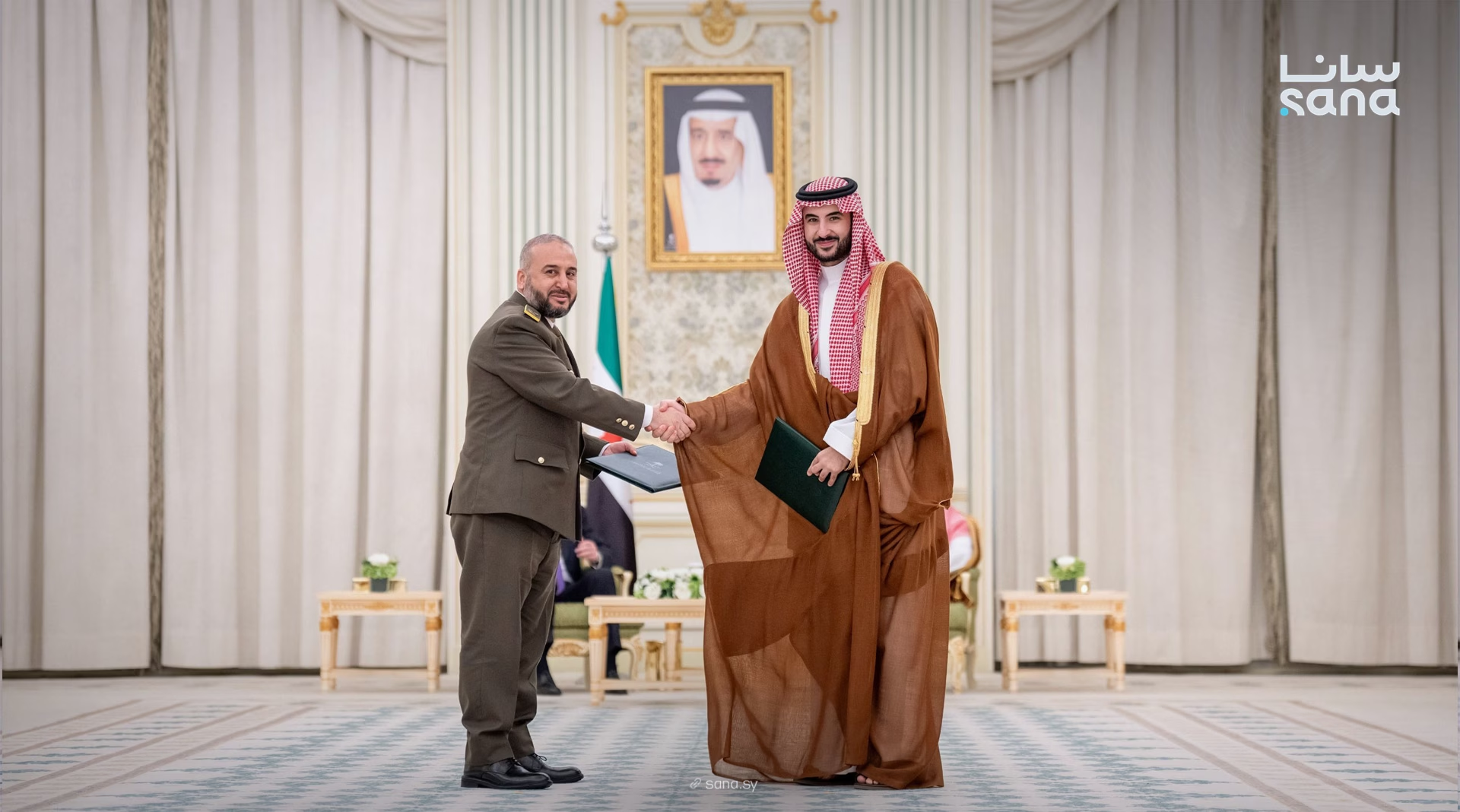
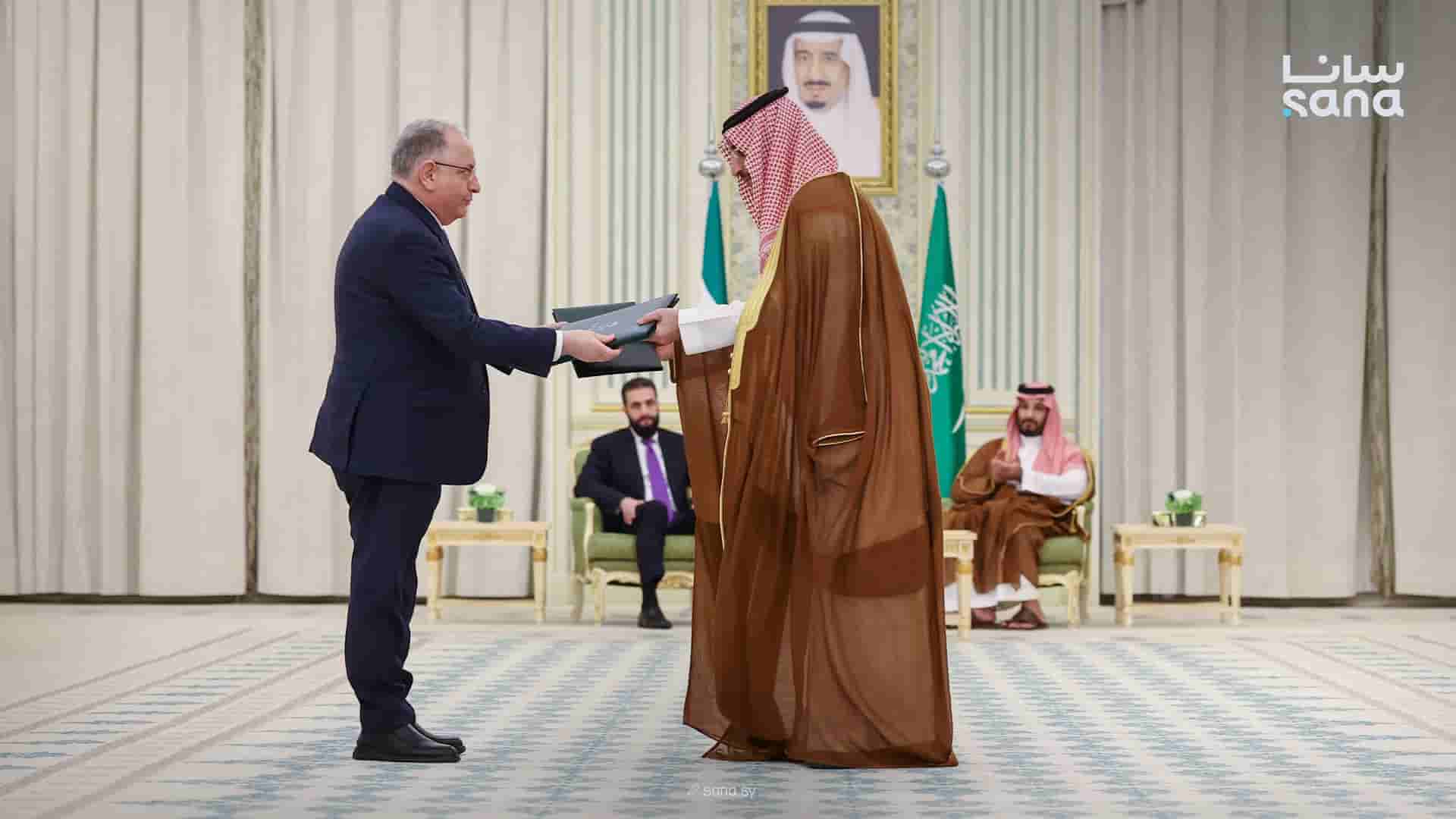
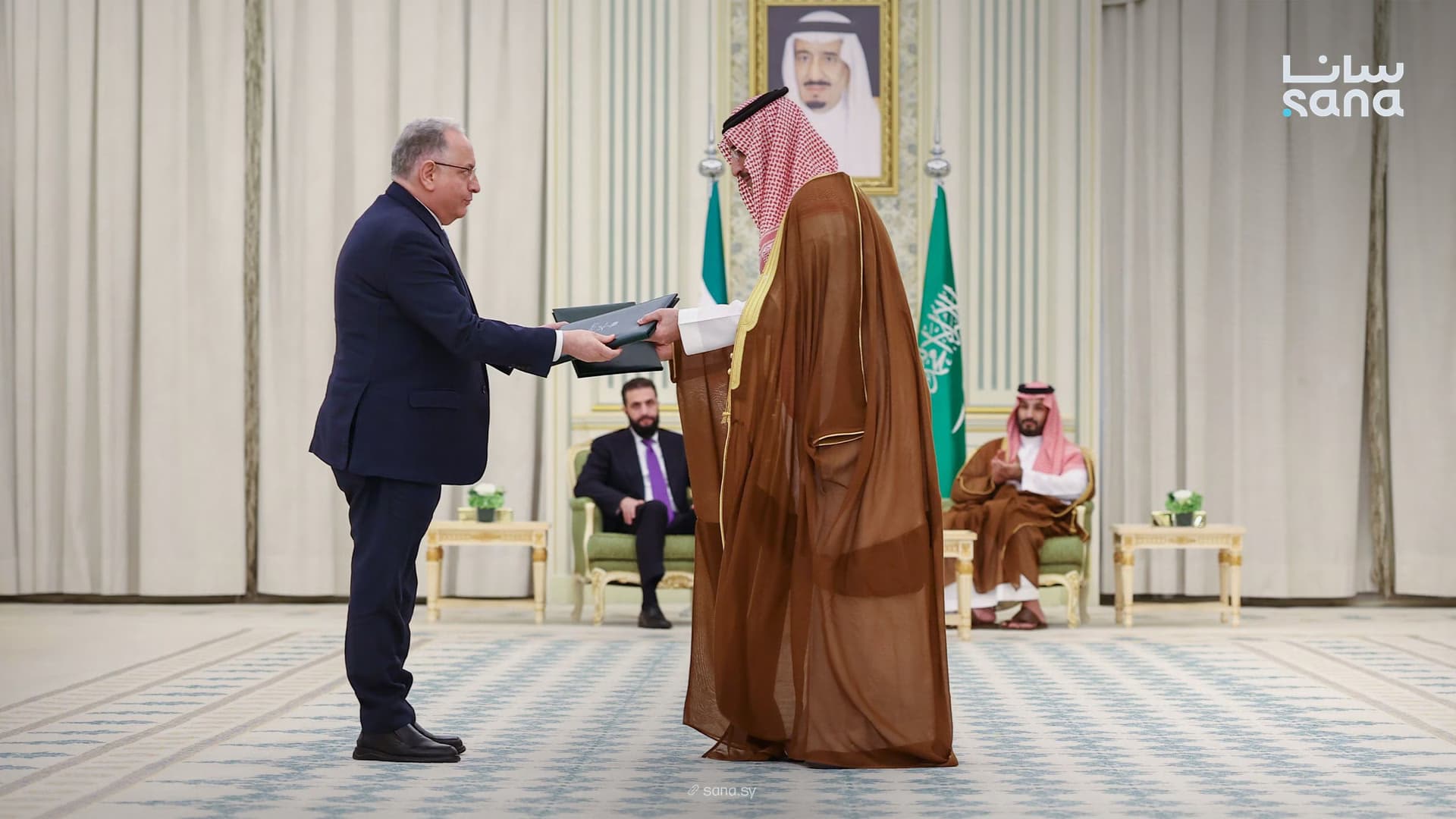
The image published by SANA shows Syrian Defense Minister Murhaf Abu Qasra and Saudi Defense Minister Prince Khalid bin Salman exchanging documents during the ceremony. During the same visit, the two sides signed six loan agreements with the Saudi Fund for Development worth more than $403 million. No announcement was made about Syria joining the Mecca Agreement.
Israeli analyses without an official position
Israel has not yet issued an official public position on Syria’s possible accession to the agreement. The discussion has been limited to analysts and media outlets. On August 8, the day after the agreement was signed, Al Jazeera said Israel had not officially responded to it.
Speaking to an Israeli television channel, Ahmed Sharawi, an analyst at the Washington-based Foundation for Defense of Democracies (FDD), said countries in the region wanted Syria to abandon a policy of “zero problems” with everyone and choose a side. Al-Shaibani presents the issue differently. The Israeli website Ynet quoted him as saying: “There is no country in the region today capable of addressing its security alone.”
Video: i24NEWS via ConflictTR / X. Photos: Claudio Chienntonzzi / Wikimedia Commons (cover, CC BY 4.0); SANA; map: Wikimedia Commons (CC0)