- BIST10011,483+1.32%
- USD50.07+0.05%
- EUR55.96-0.52%
- GOLD4,074.90-0.94%
- INTEREST36.00%-1.00
- BITCOIN75,724-0.04%
- November 8, 20267°
- BIST10011,483+1.32%
- USD50.07+0.05%
- EUR55.96-0.52%
- GOLD4,074.90-0.94%
- INTEREST36.00%-1.00
- BITCOIN75,724-0.04%
- November 8, 20267°
Germany withholds more Patriots for Kyiv after Ukraine intercepts 4 of 36 missiles
German Defense Minister Boris Pistorius said Germany is currently unable to provide Ukraine with additional Patriot systems from its army stocks, on the same day Ukrainian President Volodymyr Zelenskyy said his country's defenses had intercepted only four of 36 ballistic missiles launched at Kyiv and its surroundings. Pistorius urged other allies to fill the gap.
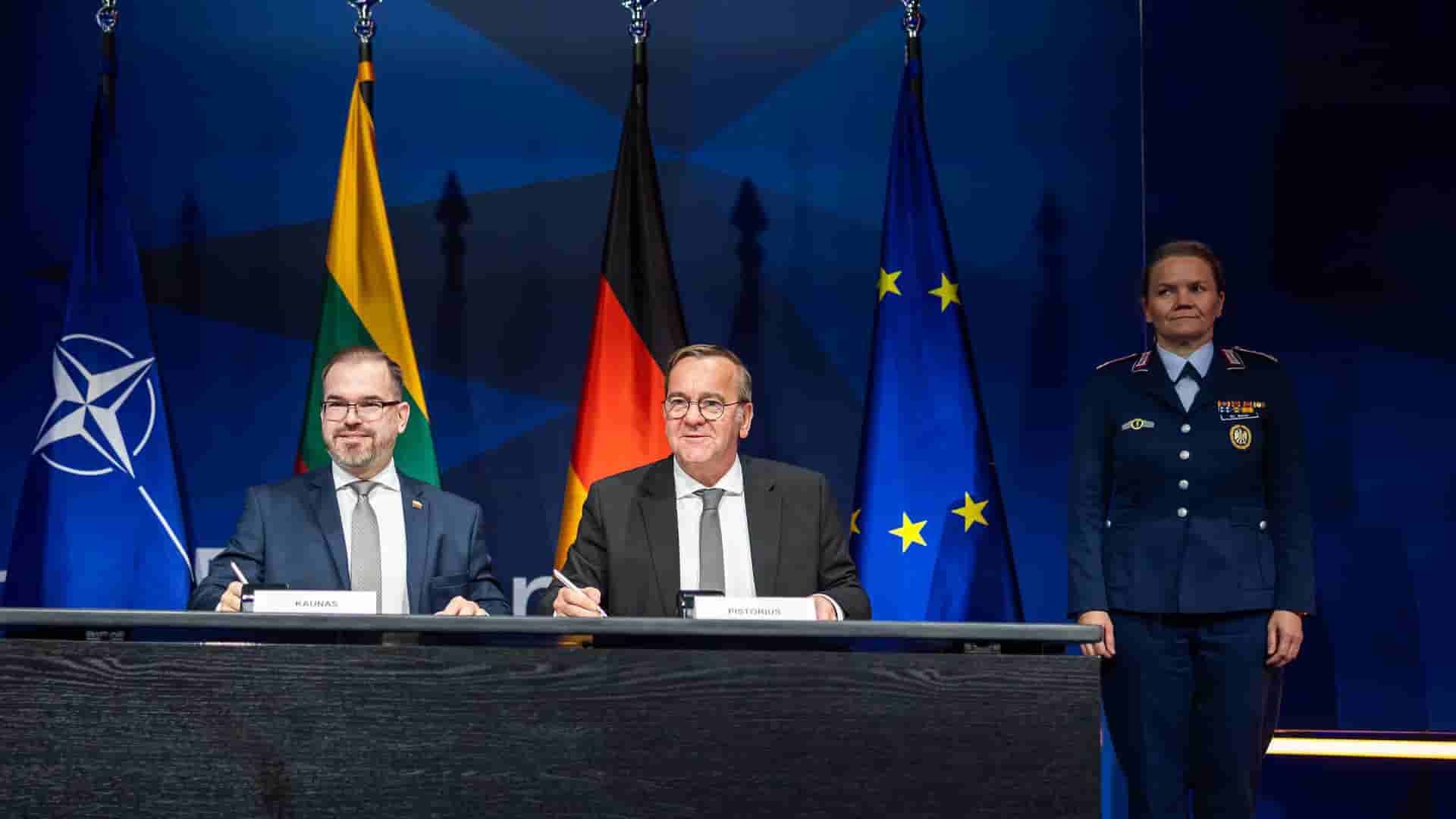
Ukraine's air defenses intercepted only four of the 36 missiles Russia launched on a ballistic trajectory toward Kyiv and its surroundings overnight from Friday to Saturday, President Volodymyr Zelenskyy said. On the same day, German Defense Minister Boris Pistorius temporarily ruled out supplying Ukraine with new Patriot systems from the stocks of the German army, the Bundeswehr.
Pistorius said in an interview with newspapers belonging to the Funke media group, published Saturday: “Anything we provide now will not be replaced in the foreseeable future, and that would create gaps that we cannot take responsibility for.” He added in remarks to Berliner Morgenpost: “More cannot be done at present.”
“Others must provide more”
The minister said Germany had already delivered several Patriot systems and a large number of guided missiles to Ukraine, stressing that other NATO partners must make a greater contribution because some countries had so far provided far less. He said the issue should be discussed at the next meeting of the Ukraine Defense Contact Group in mid-November.
Germany's position does not mean a complete halt to air-defense support. Berliner Zeitung noted that Berlin had pledged in September to provide Kyiv with additional PAC-2 interceptor missiles from army stocks and was also supporting the purchase of new air-defense ammunition. Germany has delivered three Patriot systems to Ukraine since Russia's invasion began in 2022, then announced in August 2025 that it would send two more.
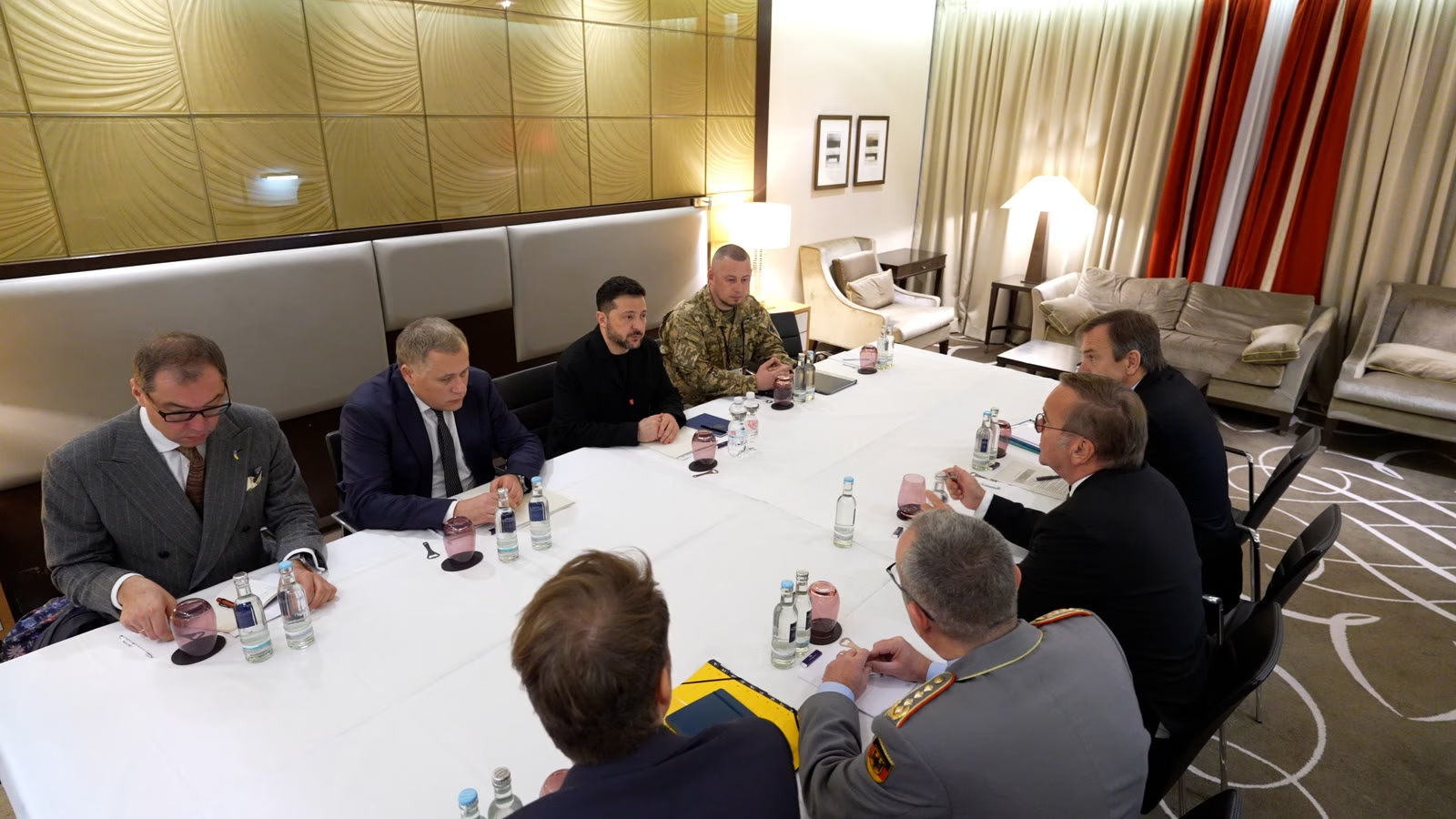
Zelenskyy met Pistorius in Berlin on November 4 and told him, according to the Ukrainian presidency, that the situation involving ballistic missiles was particularly difficult because of a shortage of Patriot interceptors. He referred to a contract to purchase German-made PAC-2 missiles over the next two years and efforts to accelerate their delivery.
A global race for interceptor missiles
Ukraine faces intense competition for these missiles. In March, Zelenskyy said Middle Eastern countries had used more than 800 PAC-3 missiles during three days of Iranian attacks, a number Ukraine had not possessed throughout the war to counter Russian strikes. Berliner Zeitung reported that the United States had recently approved the sale of an additional 500 Patriot interceptors to Kyiv, valued at an estimated $2.1 billion, but Reuters expects them not to be delivered before the beginning of the 2030s.
In his post about the previous night's attack, Zelenskyy said the United States was best placed to help address the shortage, adding: “At every level, we are seeking ways to accelerate supplies and convey the necessary messages to the American side so that Ukraine is provided with the means to protect lives.” He said the strikes hit substations linking the Rivne and Khmelnytskyi nuclear power plants to Kyiv and central Ukraine, while the Northern Bridge over the Dnipro River in the capital was damaged.
Zelenskyy linked the escalation of the strikes to the diplomatic track, saying Russia was trying to pressure Ukraine and its partners before the expected round of trilateral talks in Abu Dhabi on November 10 and 11. He said: “We hope the United States, like our other partners, will act decisively.”
Photos: German Defense Ministry (cover), Ukrainian presidency
Stay Updated with Hilal Times
Subscribe to be informed about special news, developments and announcements. We will keep you informed.
By signing up, you agree to our Privacy Policy