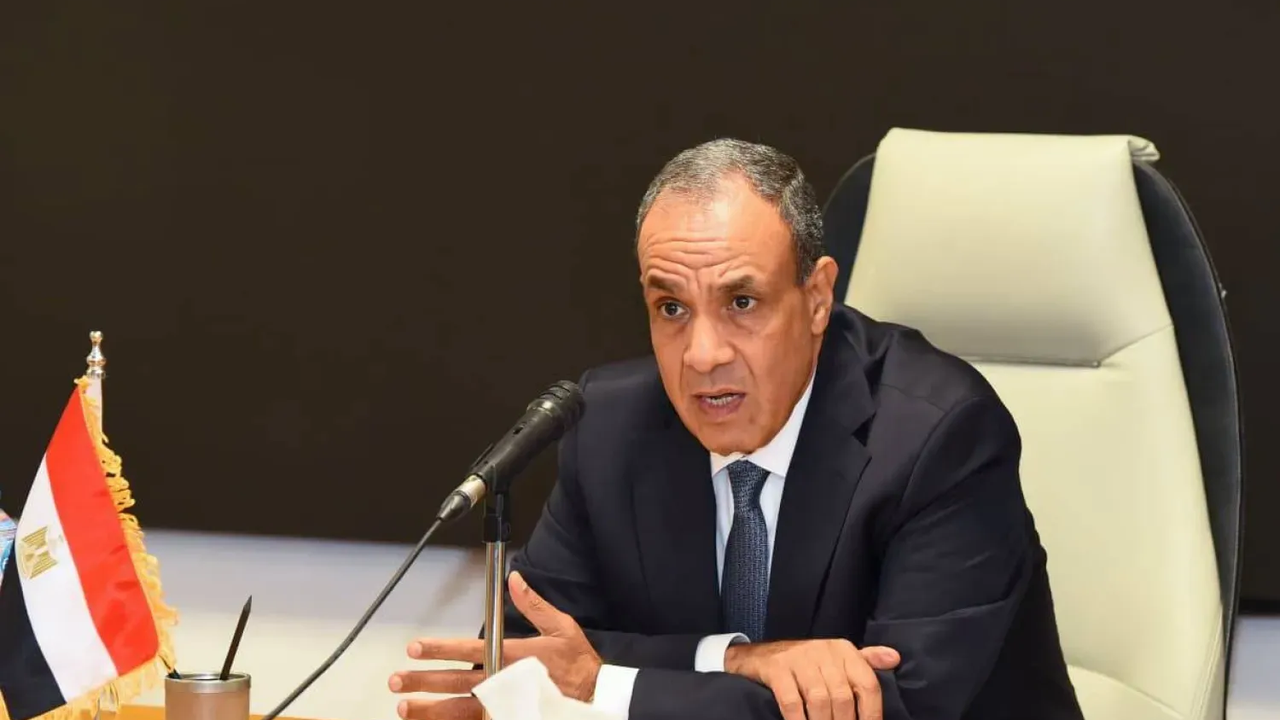
Egyptian Foreign Minister Badr Abdelatty and Massad Boulos, US President Donald Trump’s chief adviser on Arab and African affairs, held a phone call on Friday to discuss regional issues. The call took place as part of regional consultations between Cairo and Washington.
According to a statement from Egypt’s Foreign Ministry, the two sides discussed the Iran crisis and the importance of ensuring freedom of navigation in the Strait of Hormuz in line with the rules and provisions of international law.
Debate over navigation in the Strait of Hormuz
The United States and Israel launched an operation against Iran on February 28, 2026. The Strait of Hormuz, which is critical to oil exports and global supply chains, was closed during this period.
Iran, for its part, carried out attacks against the Gulf states and what it described as “US and Israeli targets” in the region. A ceasefire was subsequently reached.
Washington and Tehran signed the “Islamabad Agreement” on June 17, 2026. The agreement provided for an end to military operations and the launch of arrangements to reopen the Strait of Hormuz to maritime navigation.
The process later stalled because of disputes over implementing the agreement and maritime navigation in the strait. Fighting resumed in July.
Call for a political solution in Sudan
Another topic of the phone call was efforts to end the fighting in Sudan. Abdelatty called for ongoing efforts to be strengthened and for steps to be supported that would end the conflict and create suitable conditions for a political solution and dialogue.
The Egyptian foreign minister also reiterated his country’s commitment to preserving Sudan’s unity, sovereignty and territorial integrity, as well as maintaining its national institutions.
The war between the Sudanese army and the Rapid Support Forces has continued since April 2023 because of a dispute over the integration of the military structure. The resulting humanitarian crisis has claimed tens of thousands of lives and displaced approximately 13 million people.
Emphasis on unity in Libya
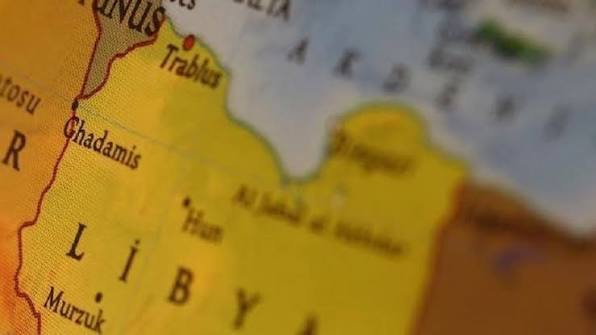
Abdelatty and Boulos also discussed the situation in Libya and ways to advance the political process. Abdelatty said Egypt’s initiatives on Libya were based on the priorities of preserving the country’s unity, sovereignty and territorial integrity, as well as supporting the unity of its national institutions.
Abdelatty said that the complementary nature of regional and international efforts supporting Libya’s political process would help the parties reach a lasting settlement reflecting the will of the people. He said the settlement should preserve the unity of the state and its institutions.
Libya has two governments: the Government of National Unity, based in Tripoli and governing the west of the country, and an administration based in Benghazi that was appointed by the House of Representatives in early 2022 and governs the east and much of the south.
The long-awaited elections are expected to end the political and armed conflicts and bring to a close the transitional periods that have continued since the overthrow of Muammar Gaddafi’s government in 2011.