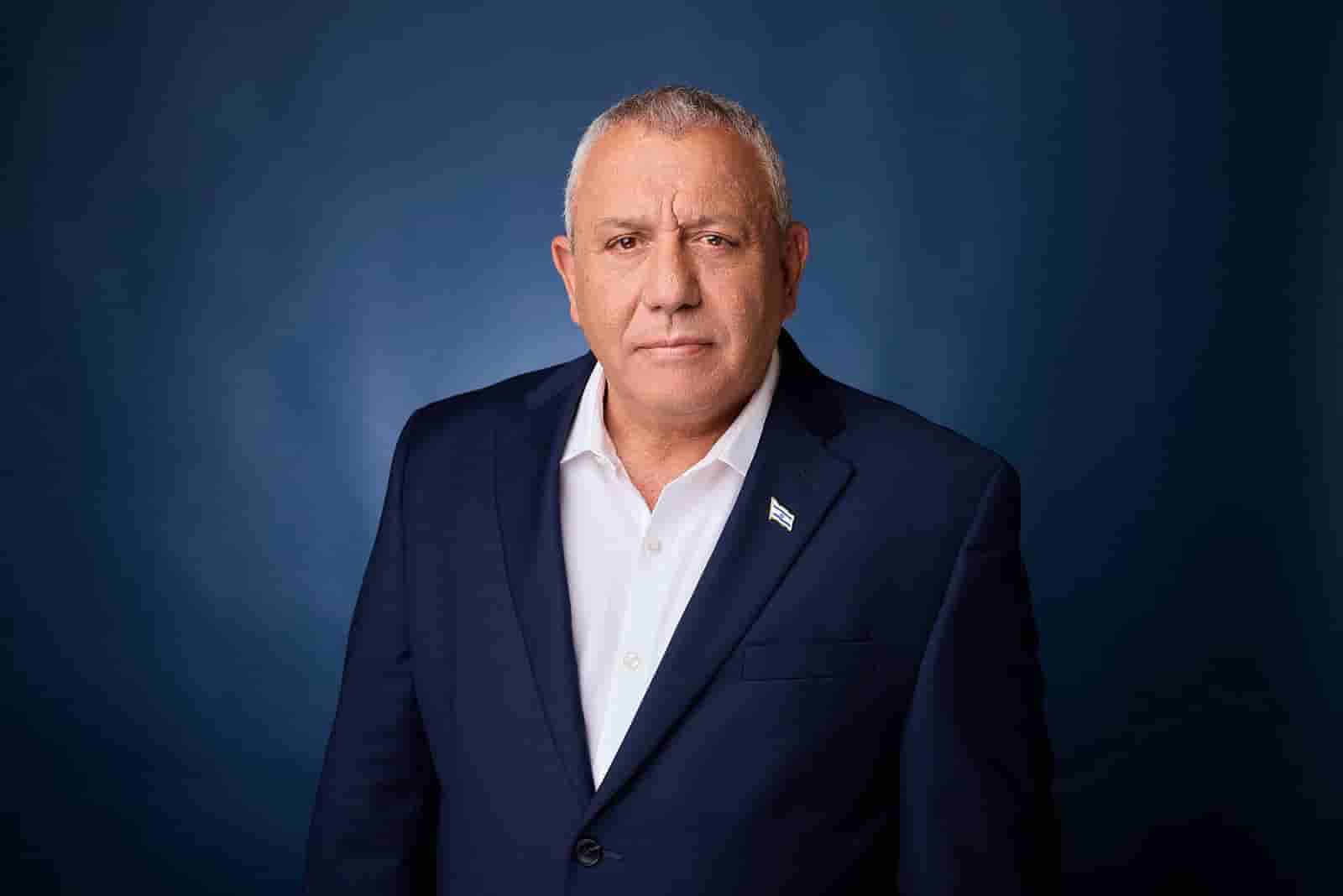
An Israeli public opinion poll showed that neither of the two main political camps had secured enough seats to form a government on its own. In the poll, 43 percent of respondents considered former Chief of Staff Gadi Eisenkot more suitable for prime minister, compared with 38 percent for Prime Minister Binyamin Netanyahu.
Projected distribution of seats
Eisenkot’s Yashar party won 22 seats in the 120-member parliament. Likud, led by Netanyahu, remained at 20 seats, marking a loss of one seat compared with the previous week’s poll.
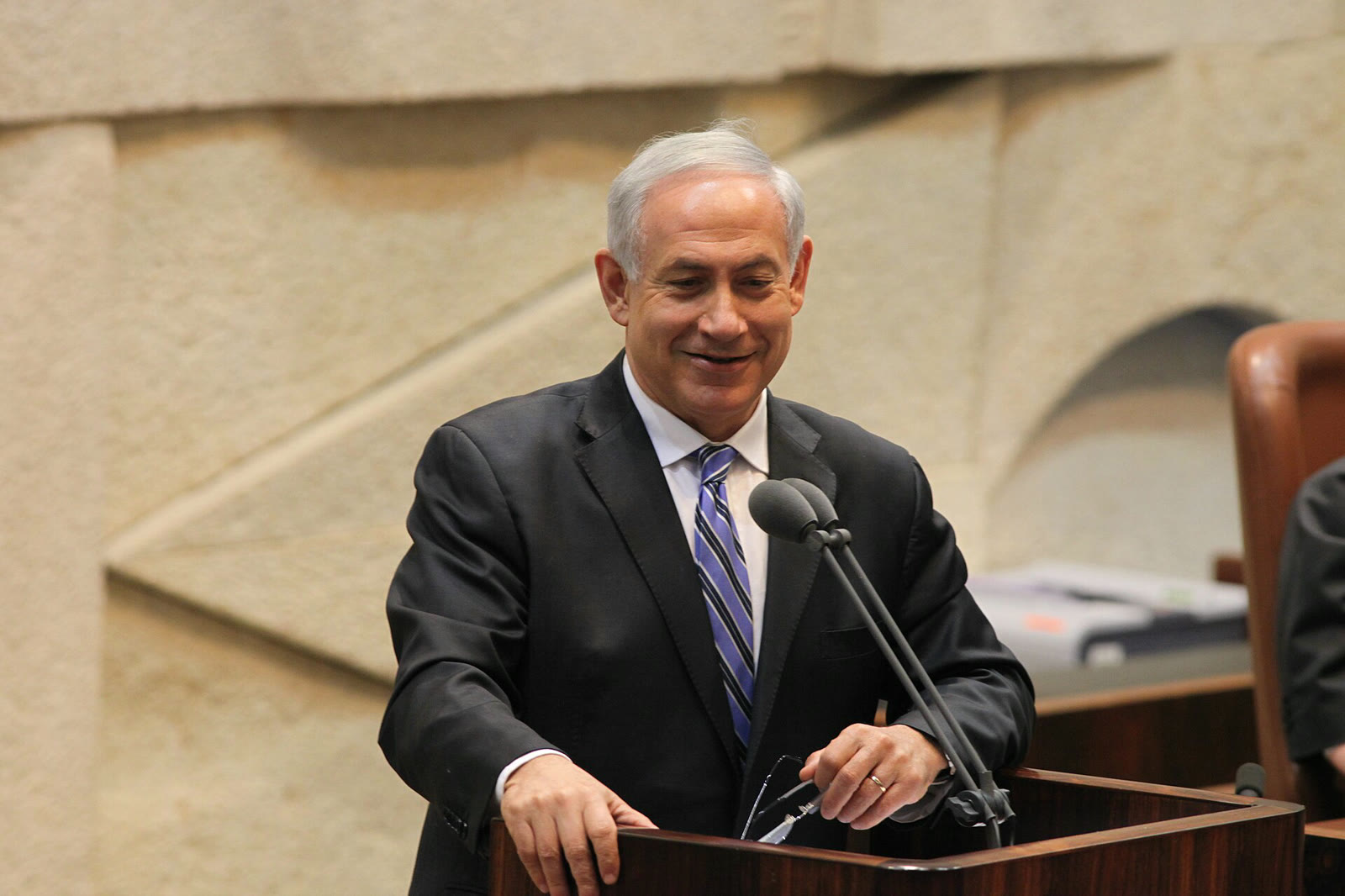
Netanyahu’s political bloc, made up of right-wing and Haredi parties, rose to 53 seats. The bloc, which gained two seats compared with the previous week, remained eight seats short of the 61 needed to form a government.
Eisenkot’s political bloc won 50 seats, while parties outside the two main camps secured a total of 17 seats. In the poll’s classification, Arab lists were allocated 13 seats: eight to the Joint List and five to the United Arab List led by Mansour Abbas.
Seat distribution among other parties
- Itamar Ben-Gvir’s Jewish Power party won nine seats.
- Shas secured seven seats.
- The Religious Zionism and Identity alliance won five seats.
- United Torah Judaism reached eight seats.
- The Our People Israel party, led by former general Ofer Winter, crossed the electoral threshold with four seats after failing to do so in the previous poll.
Undecided voters account for 30 percent
Thirty percent of respondents said they had not decided which party to vote for, while 21 percent said they were considering not taking part in the elections.
Fifty-four percent of participants supported a televised debate between Netanyahu and Eisenkot before the election. Among those who said they would vote for Likud, 38 percent shared that view.
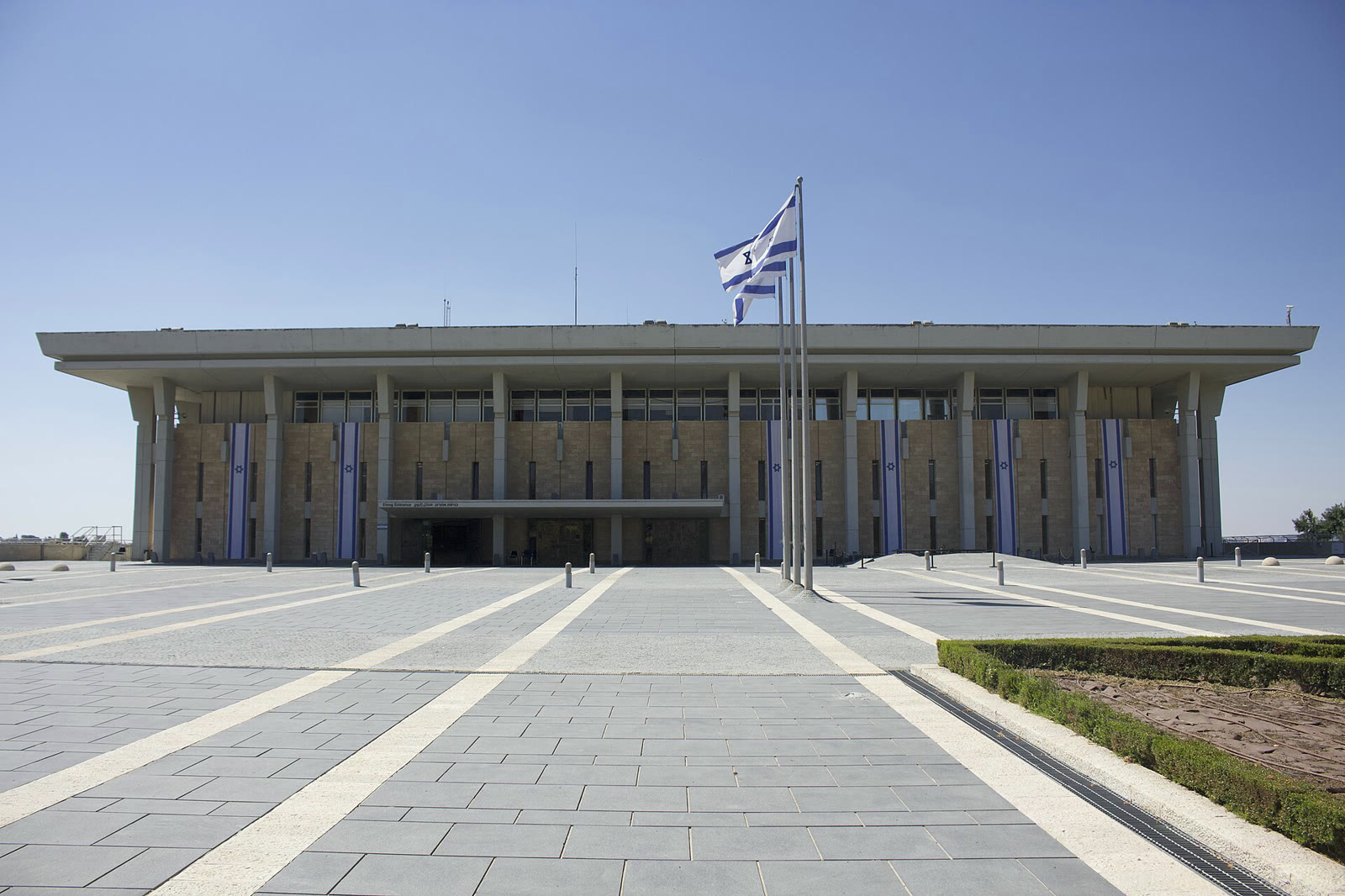
The poll results showed that Netanyahu’s political bloc and the Jewish opposition camp would not secure the majority needed to form a government on their own in the parliamentary elections scheduled for October 27, 2026.