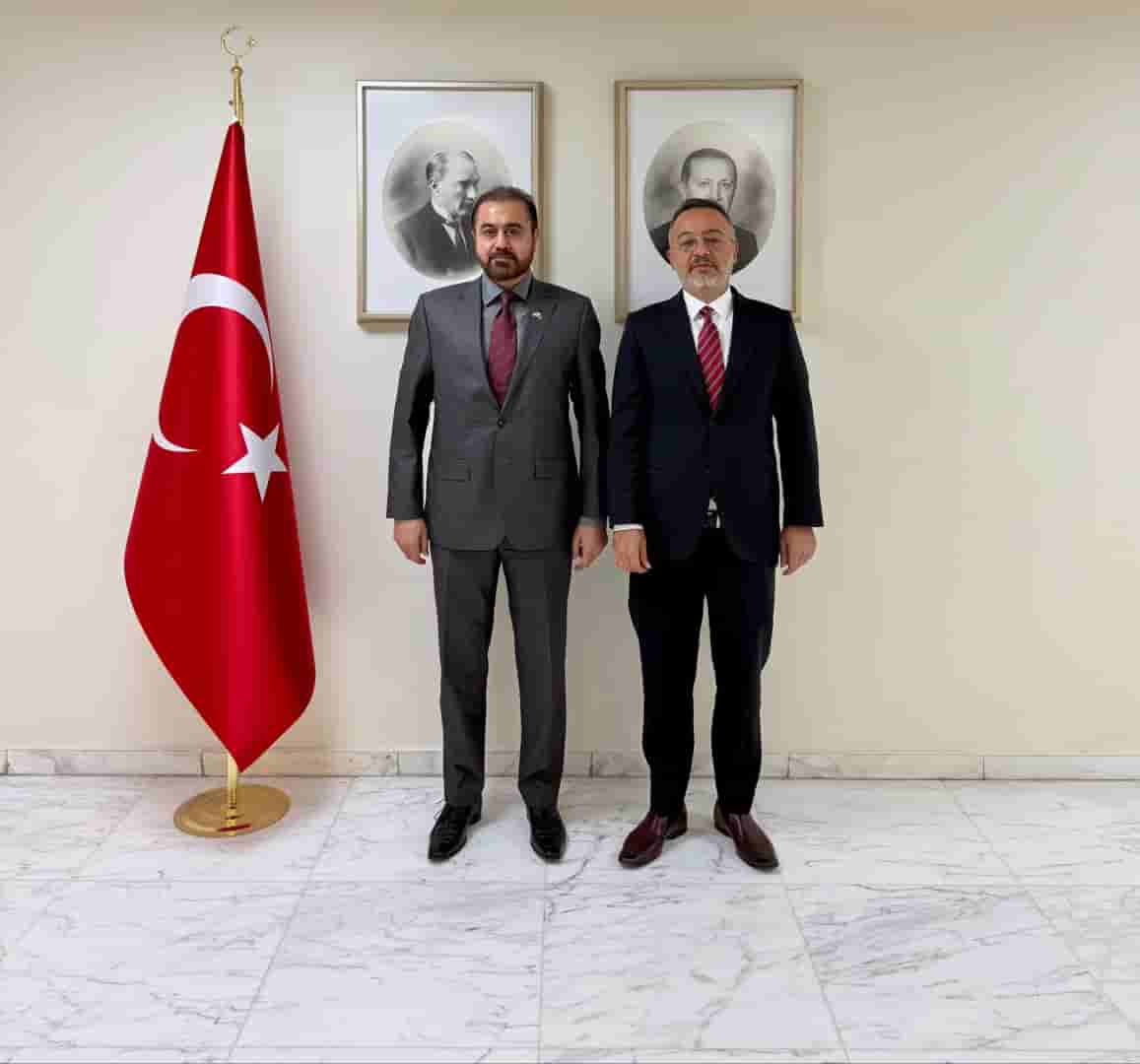
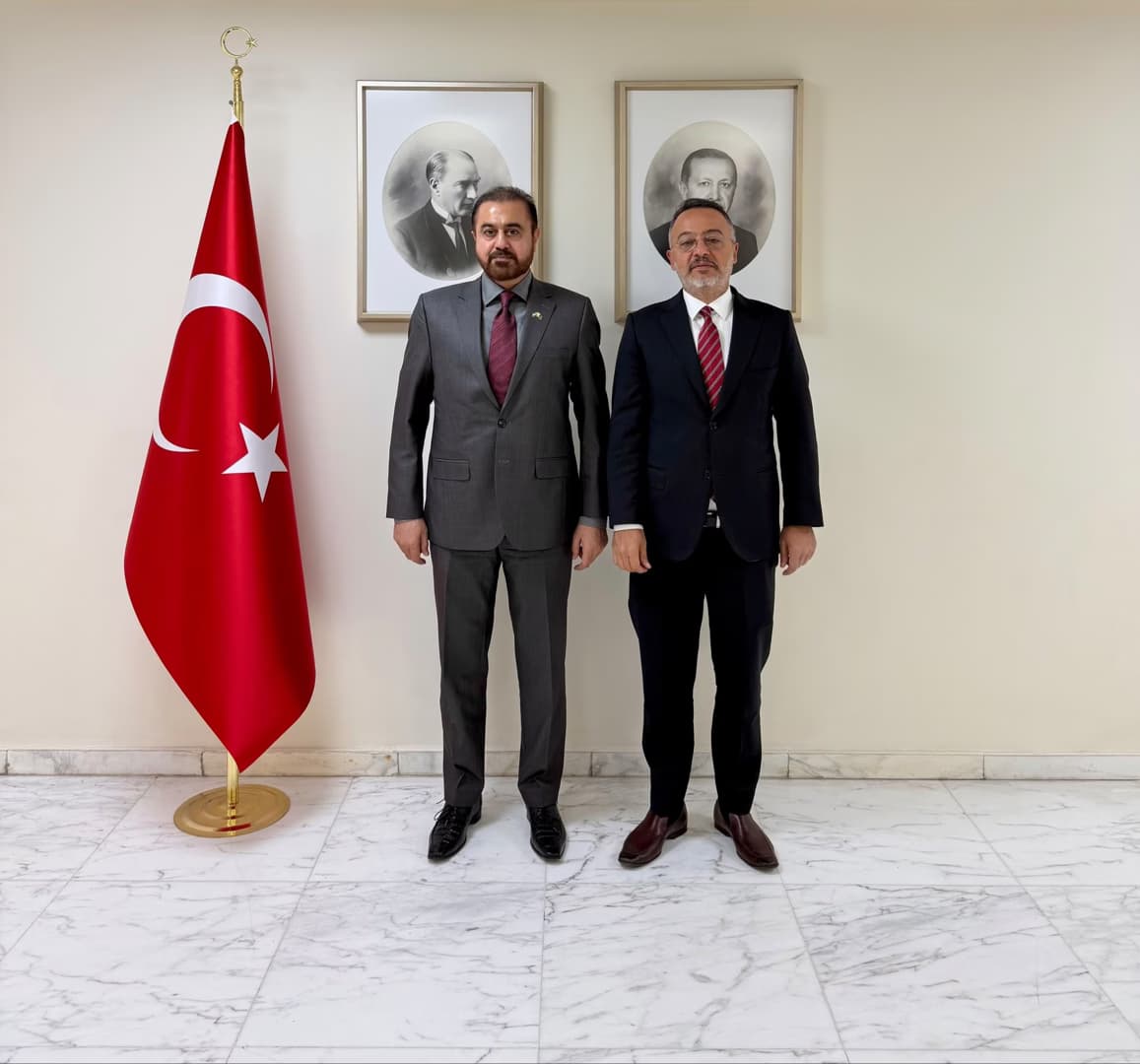
Consuls and diplomats from 15 European countries visited the Masafer Yatta area in the southern West Bank to examine on the ground the threats facing Palestinians’ living conditions and educational institutions.
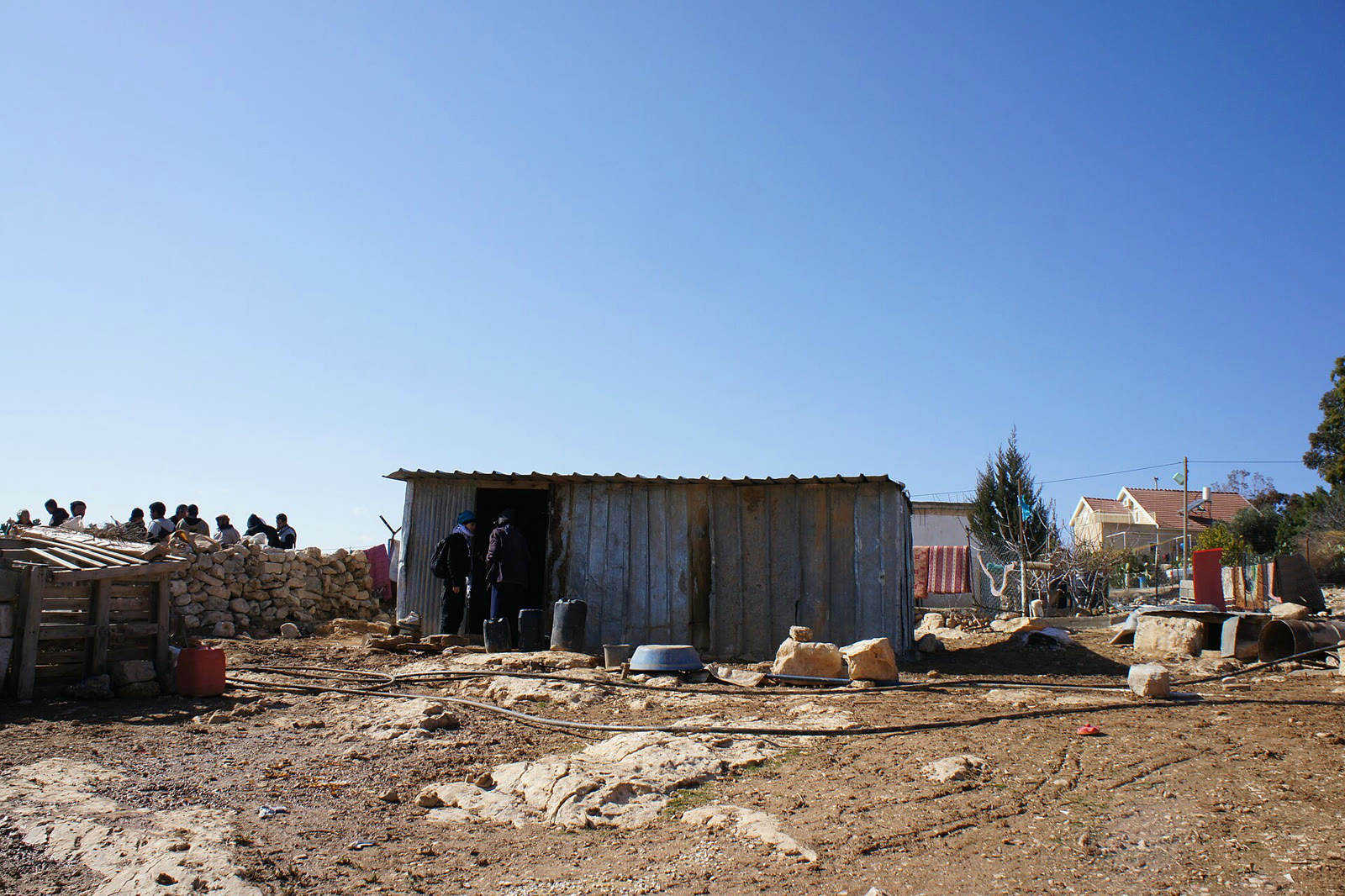
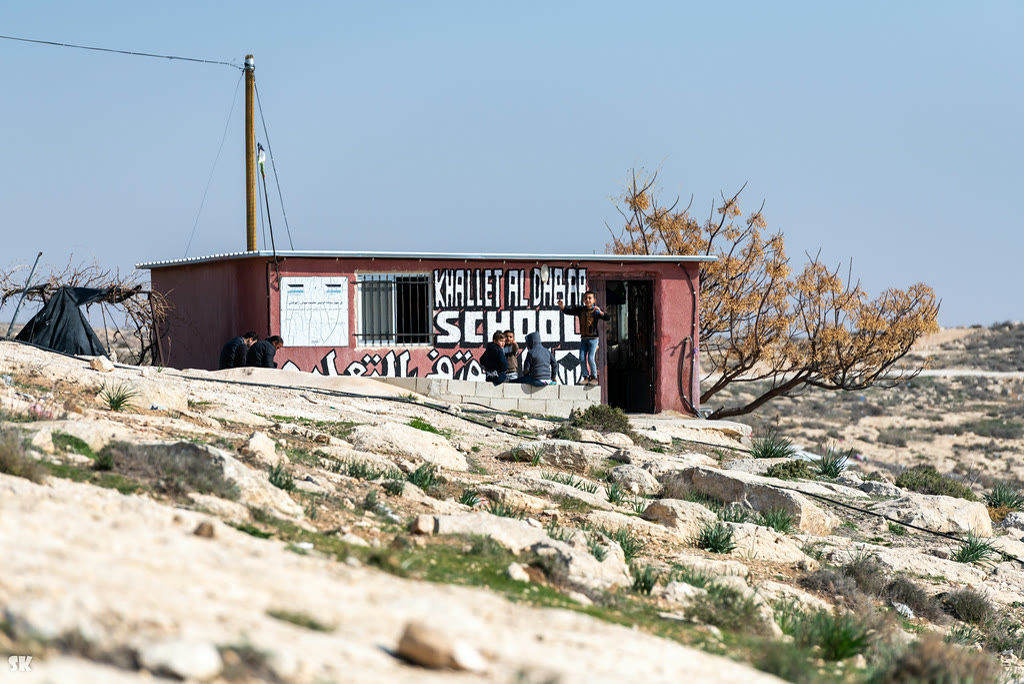
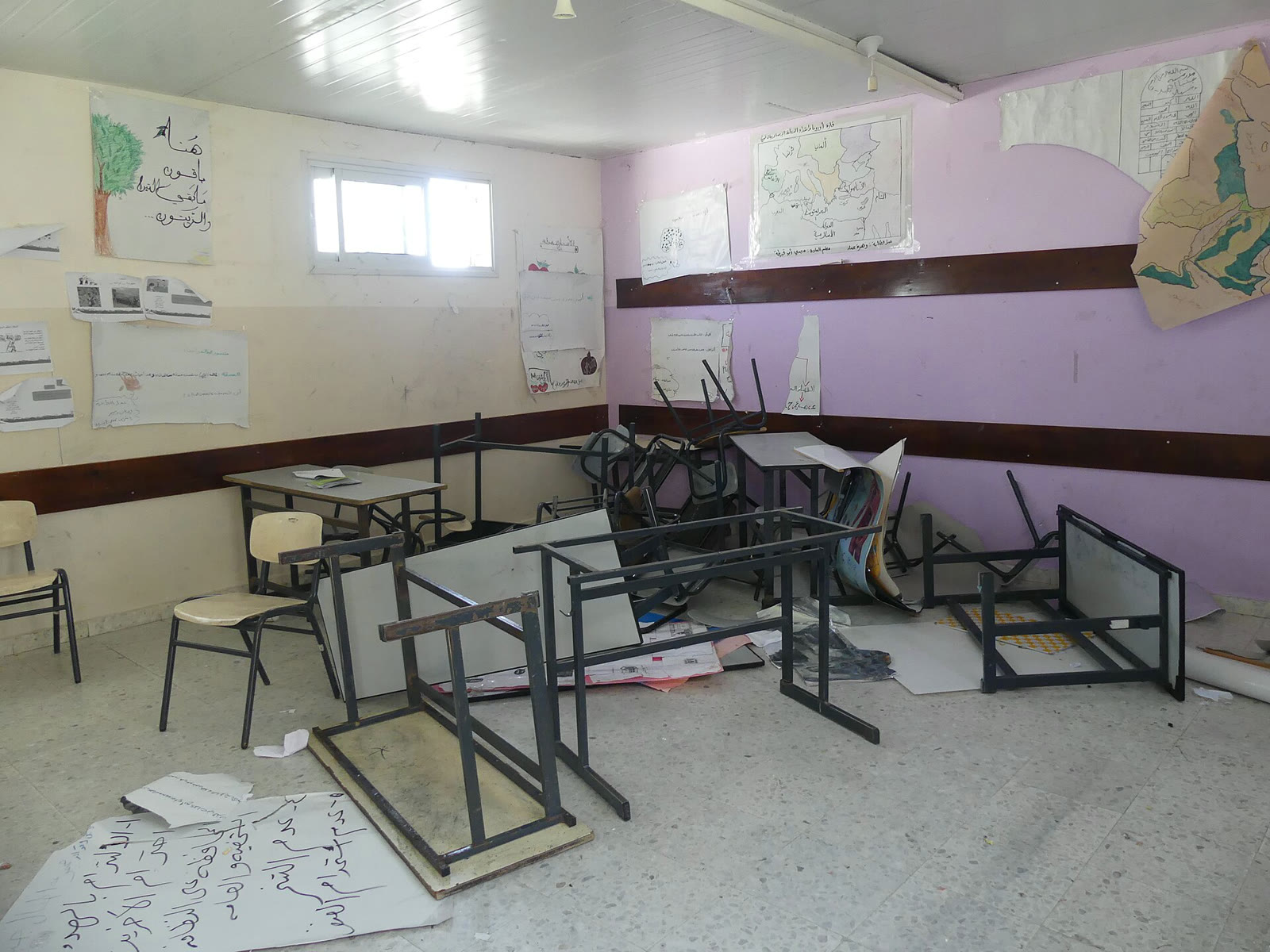
The delegation received information about the difficulties students face reaching their schools and the problems encountered by teachers in the areas of Umm al-Khair and al-Rifaiyya. The diplomats visited the al-Rifaiyya School, which Israeli authorities have threatened with demolition, and also gathered outside the Najada School near Umm al-Khair.
Call for protection from the European Union
Bessam Jabr, director of education for the Yatta, Masafer Yatta and Badiya areas, said a total of 15 schools in Masafer Yatta face the threat of demolition. Jabr said Israeli authorities had sent demolition notices for some of the schools.
Jabr called on the European Union to protect students and teachers and prevent the demolition of the schools. He also called for support for the educational process and for students to be able to reach their schools regularly.
Demolition notice issued for al-Rifaiyya School
According to the Palestinian Ministry of Education, Israeli authorities issued a demolition notice in July for al-Rifaiyya School, which provides education from kindergarten through seventh grade to approximately 200 students.
Masafer Yatta, south of the city of Hebron, consists of 12 Palestinian communities and is home to more than 1,100 people.
In the 1980s, Israel declared an area of approximately 30,000 dunams in Masafer Yatta a military zone. In May 2022, the Israeli Supreme Court ruled that there was no legal obstacle to expelling Palestinians from the area and using it for military training.
The United Nations said 84 schools in Area C of the West Bank and occupied East Jerusalem face demolition orders. The educational institutions in Masafer Yatta are among those schools.
On Aug. 4, Israeli authorities demolished three sections of a school in the village of Shaab al-Butum, which is part of Masafer Yatta.
The administrative structure of the West Bank
Under the Second Oslo Agreement signed between the Palestinian administration and Israel in 1995, the West Bank was divided into Areas A, B and C.
Administrative and security control of Area A, which makes up approximately 18 percent of the West Bank, was transferred to the Palestinian administration. Administrative control of Area B, which accounts for approximately 22 percent, was given to the Palestinian administration, while security control was assigned to Israel.
Administrative and security control of Area C, which comprises more than 60 percent of the territory, was transferred to Israel.