- BIST10011,843+1.51%
- USD50.28+0.05%
- EUR55.60-0.24%
- GOLD3,886.30+0.03%
- INTEREST36.00%-1.00
- BITCOIN64,591+0.73%
- November 15, 202612°
- BIST10011,843+1.51%
- USD50.28+0.05%
- EUR55.60-0.24%
- GOLD3,886.30+0.03%
- INTEREST36.00%-1.00
- BITCOIN64,591+0.73%
- November 15, 202612°
Kuwait revokes citizenship of 896 in one family file; total may reach 1,106
Kuwait’s Supreme Committee for Citizenship Investigations decided to revoke the citizenship of 609 additional people in one family file after DNA tests disproved their alleged family ties. In a separate case, a naturalized citizen was found to have registered his brother and two Syrians as his sons.
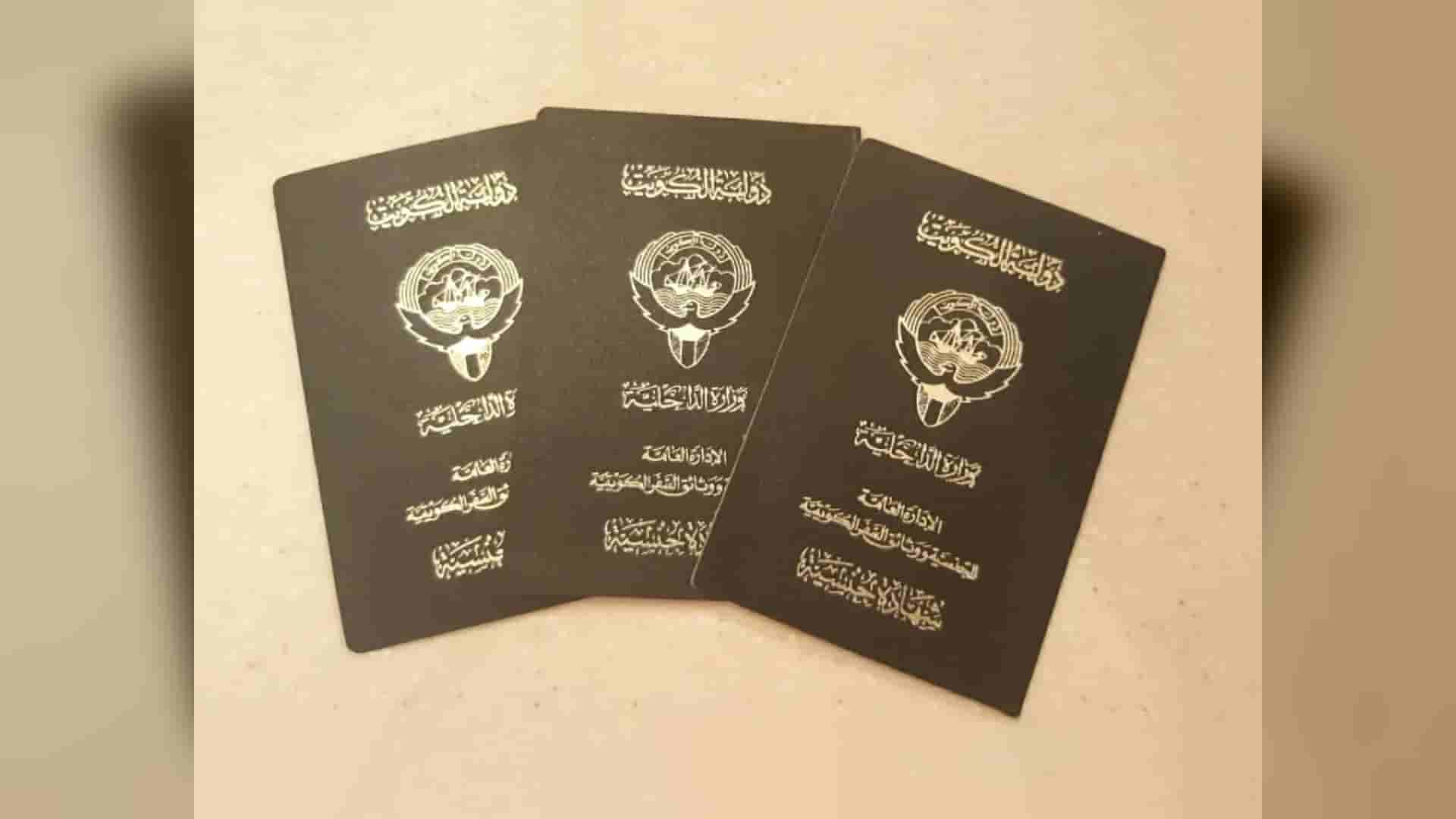
Kuwaiti authorities have expanded their investigation into one of the country’s largest citizenship-fraud cases. At its meeting on Thursday, the Supreme Committee for Citizenship Investigations decided to revoke the citizenship of 609 people linked to two newly examined branches within a single family file, bringing the total number covered by revocation decisions in the file to 896, according to Kuwait’s Arab Times and Saudi Arabia’s Okaz.
The file belongs to a Kuwaiti citizen identified by the initials (H.A.) and includes children from two marriages. Earlier decisions had affected 287 people from two other branches in the same file. The total could reach 1,106 if the action is extended to the original file holder and everyone registered under him, under Article 14 of the Nationality Law.
DNA tests determine family lineage
According to the two newspapers, the latest decision concerns two deceased men identified by the initials (F) and (A), who obtained Kuwaiti citizenship in the early 1970s when they were elderly. Citizenship investigators found that one of them had held the nationality of a Gulf state under another name, while one of his daughters still uses her Gulf identity today. They also found that his name was absent from the inheritance certificate for the person registered as his father.
Investigators summoned the children of the two branches and subjected them to DNA tests for comparison with their alleged uncles listed in official records. The results ruled out any family relationship, prompting the committee to issue the revocation decision.
Brother registered as son, two Syrians included in file
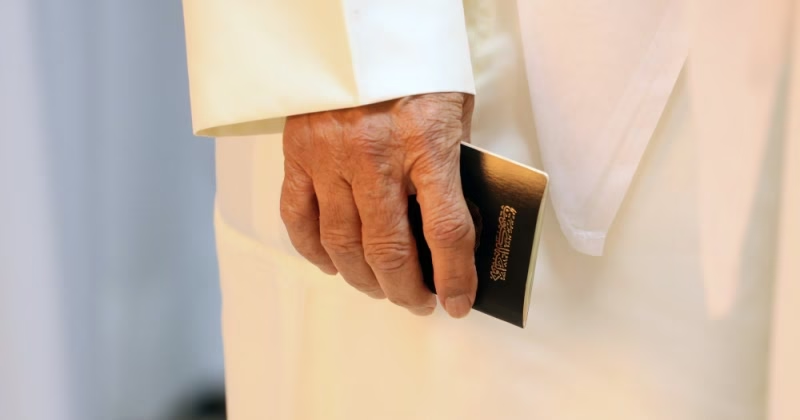
In a separate case detailed by Kuwait’s Al Rai newspaper, the committee decided to revoke the citizenship of a naturalized citizen, 15 of his biological children and 87 dependents, in addition to three people falsely registered as his sons. DNA tests proved that one of the three was actually his brother, while the other two, a man and a woman, were Syrians whose siblings live in Kuwait with Syrian citizenship.
The case also led investigators to the woman’s husband, a Syrian whose Kuwaiti citizenship was revoked in 2020 after it was established that he had obtained it through fraud. Kuwait’s Court of Cassation sentenced him in a final ruling to seven years in prison, but he remained in hiding for nearly six years before being arrested, according to the Arab Times.
The decisions are part of a broad campaign to review citizenship files that Kuwait has been conducting since 2024. As part of the campaign, successive decrees revoking citizenship have been published in the official gazette, Kuwait Al-Youm.
Photos: Okaz, Al Rai
Stay Updated with Hilal Times
Subscribe to be informed about special news, developments and announcements. We will keep you informed.
By signing up, you agree to our Privacy Policy