- BIST10011,843+1.51%
- USD50.28+0.05%
- EUR55.60-0.24%
- GOLD3,886.30+0.03%
- INTEREST36.00%-1.00
- BITCOIN64,249+0.20%
- November 15, 202612°
- BIST10011,843+1.51%
- USD50.28+0.05%
- EUR55.60-0.24%
- GOLD3,886.30+0.03%
- INTEREST36.00%-1.00
- BITCOIN64,249+0.20%
- November 15, 202612°
Nigeria and EU sign readmission deal after decade of talks
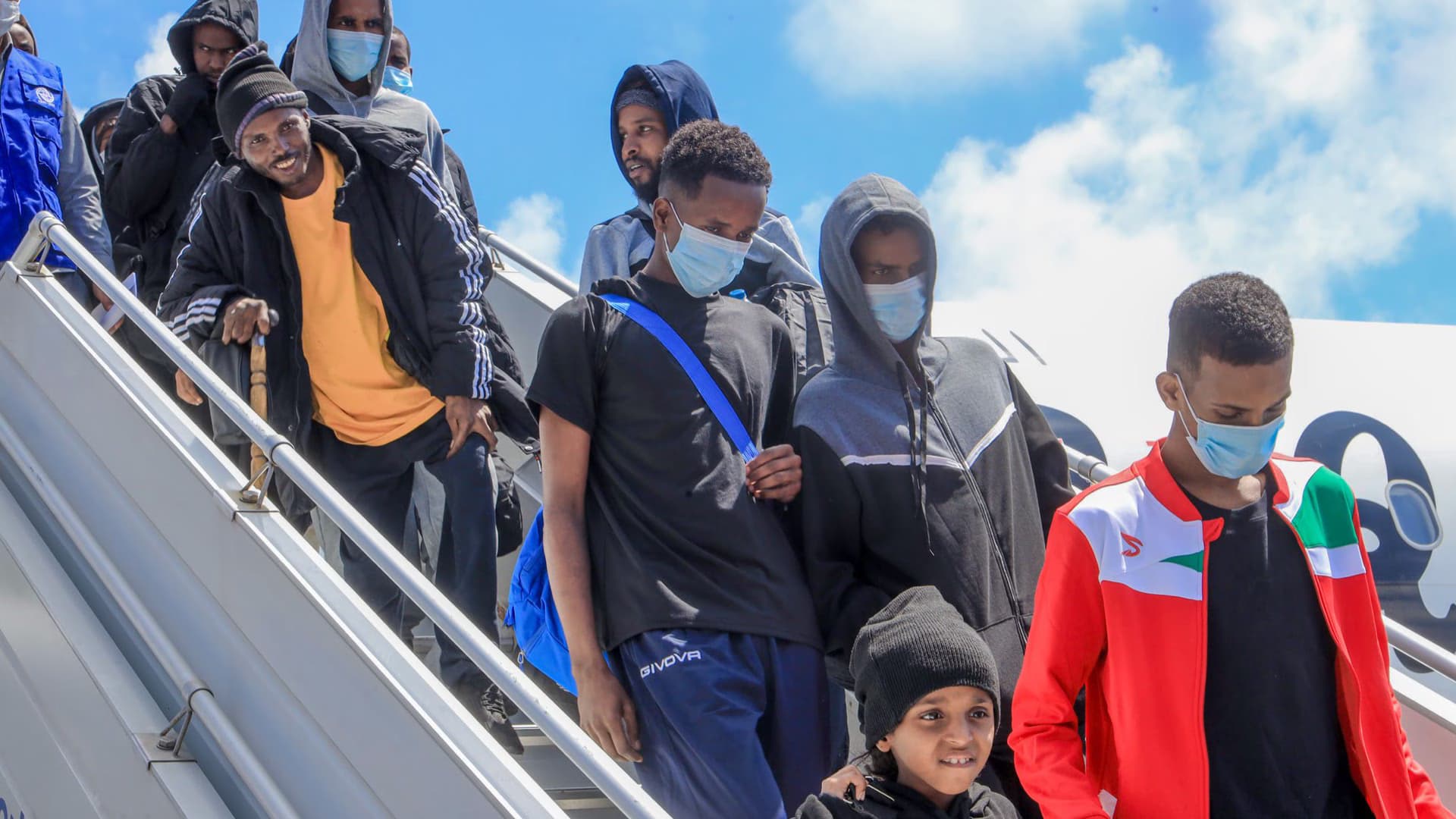
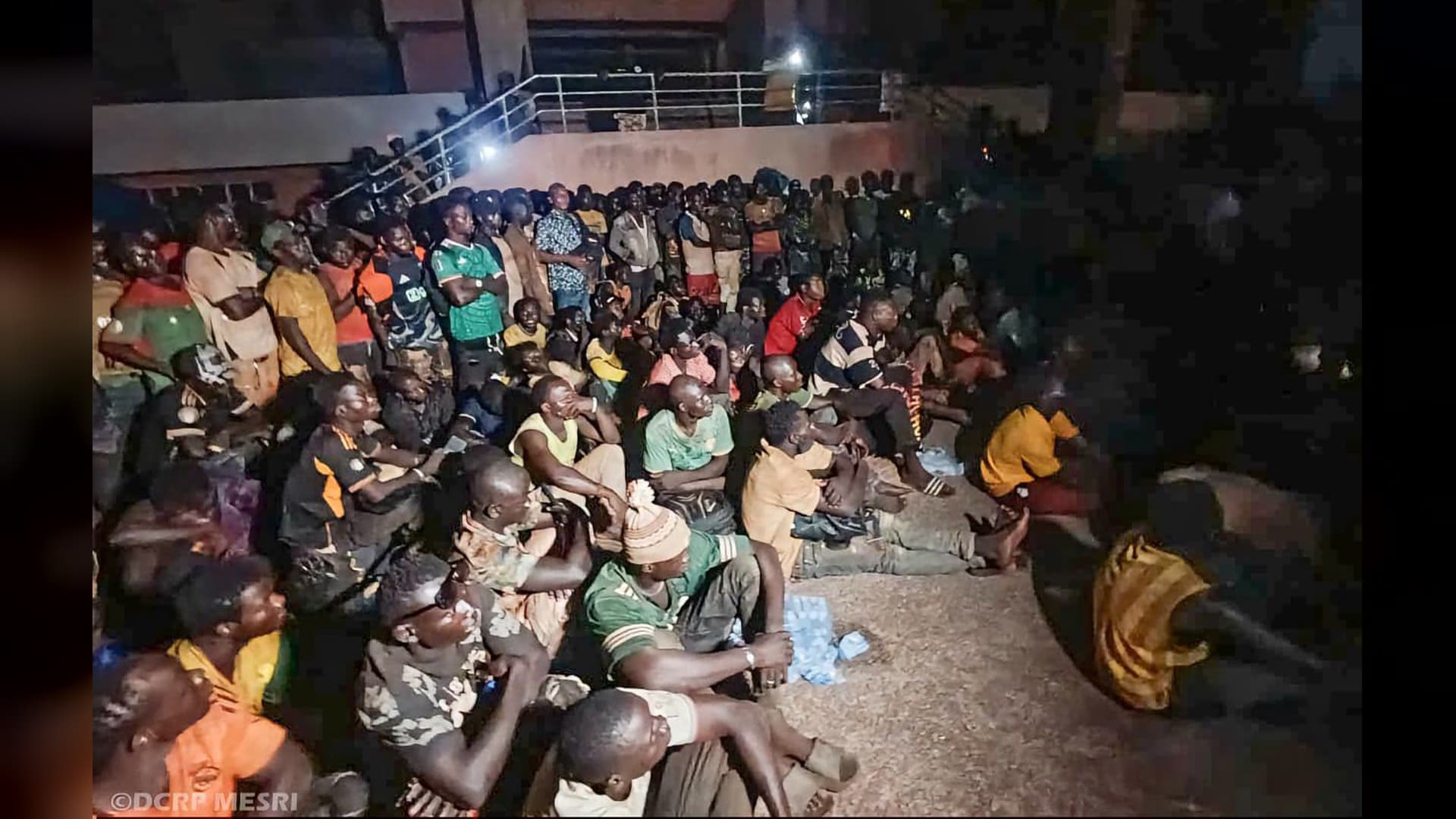
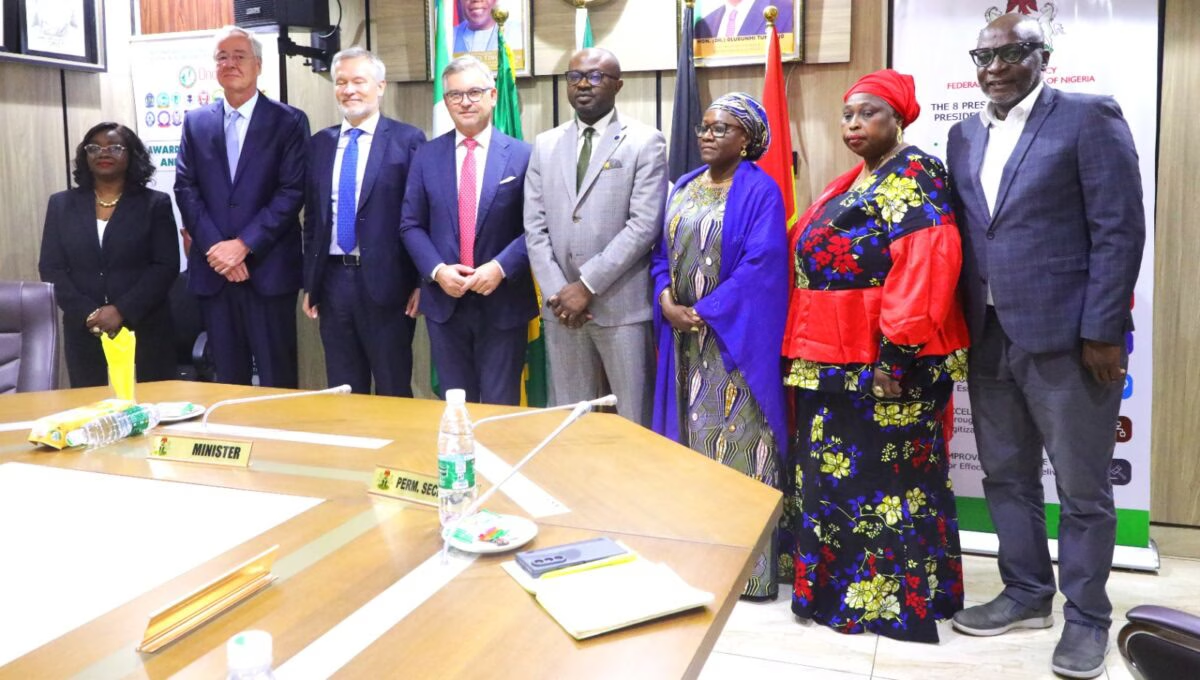
European Commissioner for Internal Affairs and Migration Magnus Brunner and Nigerian Foreign Minister Bianca Odumegwu-Ojukwu signed an agreement in Abuja requiring both sides to readmit their nationals residing illegally in the other party’s territory. The agreement will not enter into force until it is approved by the European Parliament.
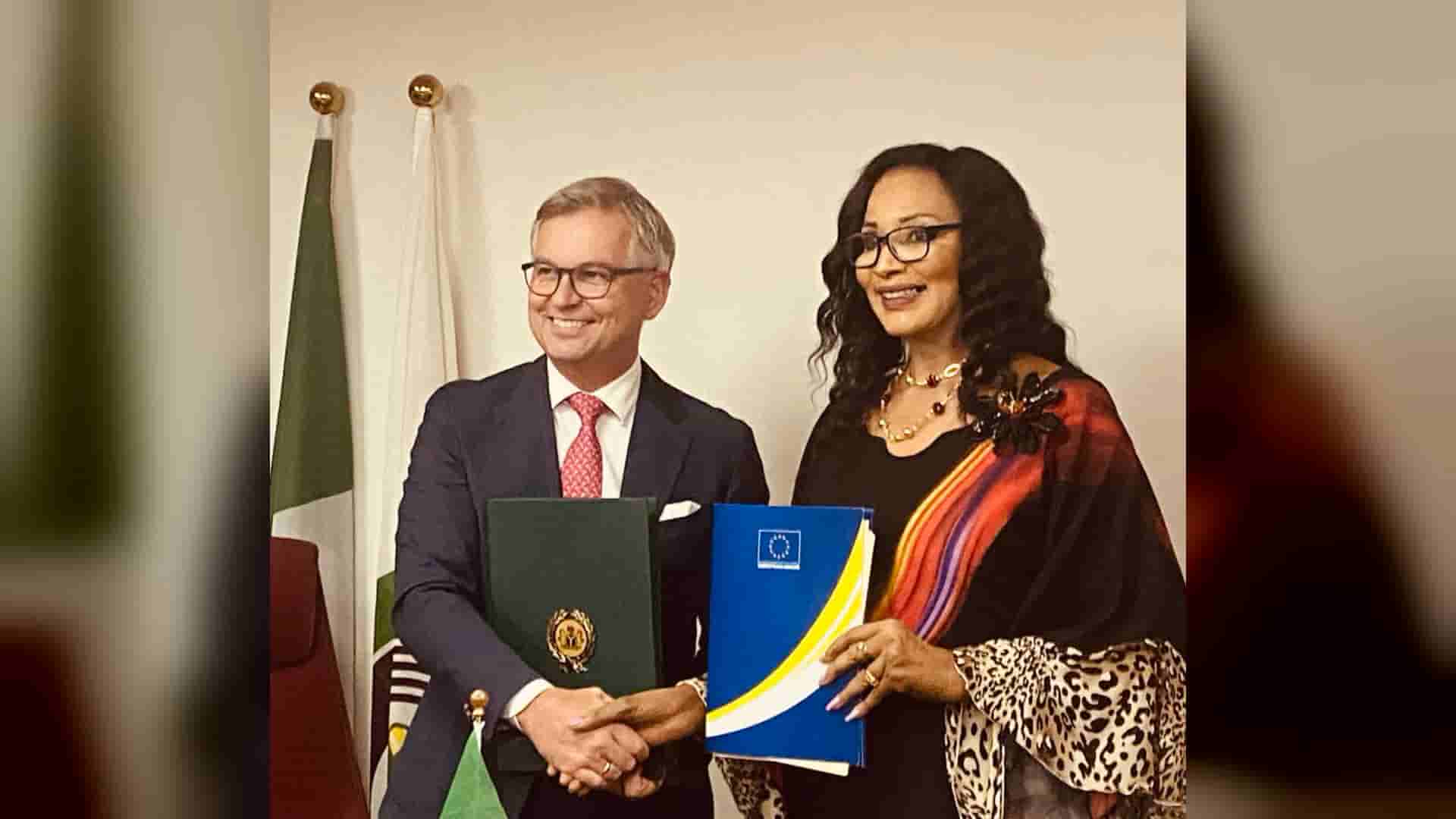
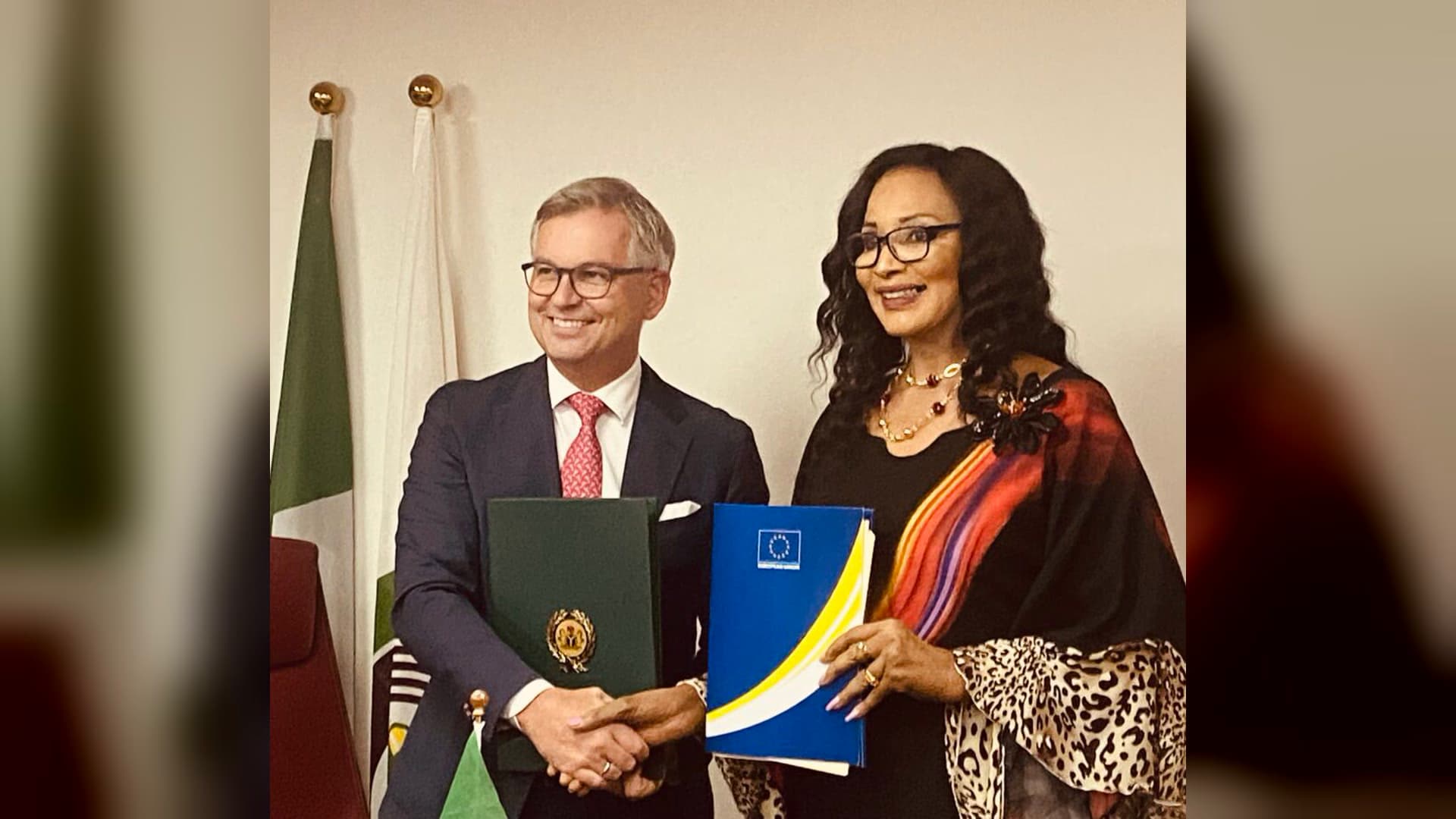
The European Union and Nigeria signed a readmission agreement in the capital, Abuja, on Tuesday, November 10. The agreement governs the identification and return of people who have no right to remain in either party’s territory, ending nearly a decade of negotiations that began after the EU Council authorized the European Commission to negotiate with Abuja in 2016.
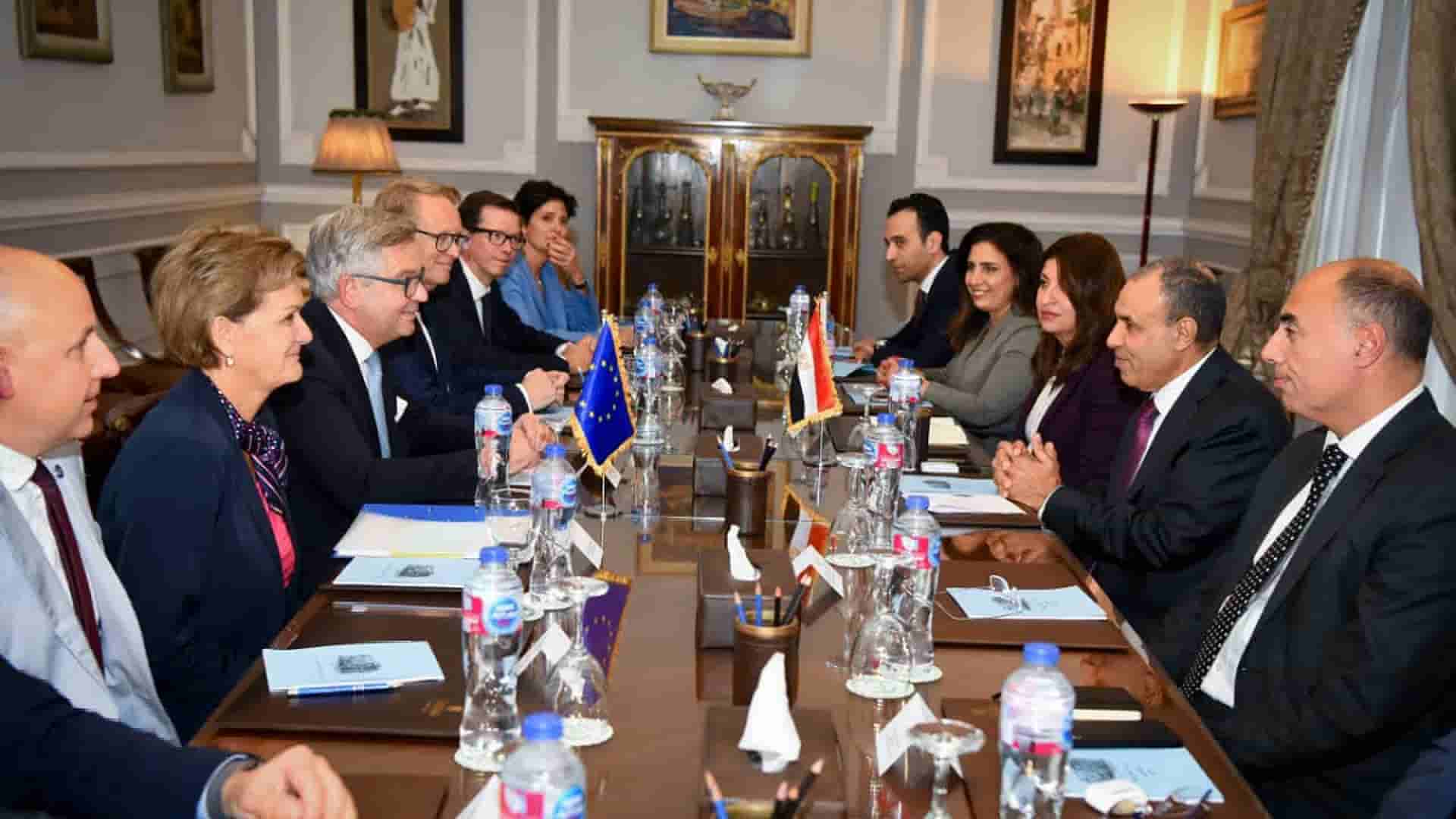
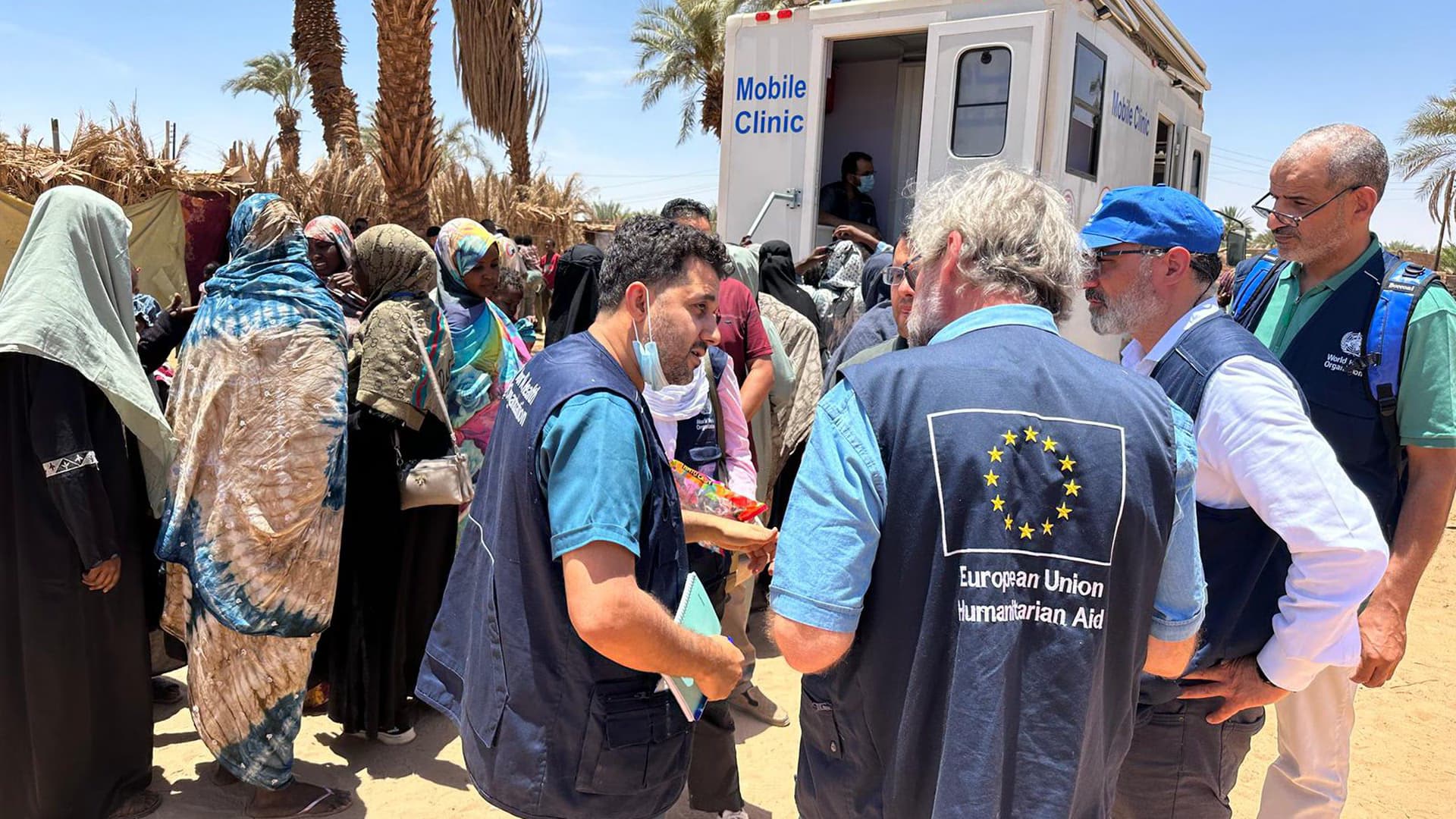
European Commissioner for Internal Affairs and Migration Magnus Brunner signed on behalf of the EU, while Nigerian Foreign Minister Bianca Odumegwu-Ojukwu signed for Nigeria at the Nigerian Foreign Ministry. Brunner described the agreement as an important milestone in relations, saying, “Nigeria is a key partner for Europe, and our ties are growing steadily stronger.”
The agreement requires Nigeria to readmit its nationals who no longer have a legal right to remain in EU member states, including people without valid identity documents. European countries, in turn, must readmit their nationals residing illegally in Nigeria, Ecofin reported.
Digital records to speed up identity verification
Nigerian Interior Minister Olubunmi Tunji-Ojo pledged that his country would meet its obligations, describing the agreement as a way to improve migration management while preserving the dignity of returnees. He said Nigeria was working to automate migration procedures and link national identity databases to facilitate verification of the identities of people subject to readmission. More than 17 million migration records have been transferred to a unified system, Nigeria’s Leadership newspaper reported.
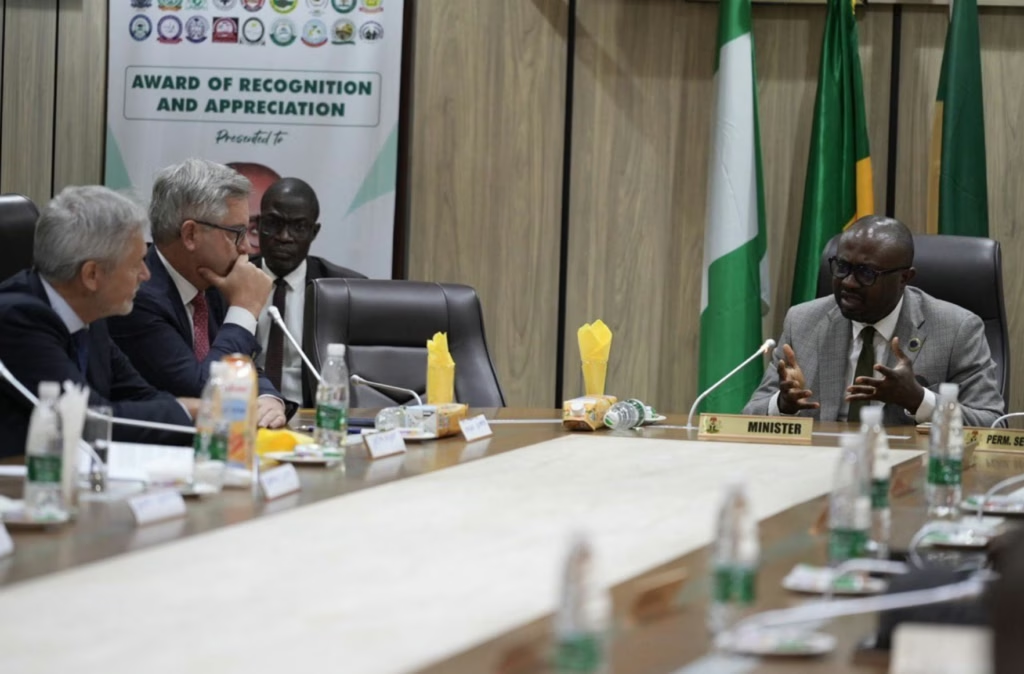
The two sides also launched a “Senior Officials’ Dialogue on Migration and Security.” Brunner identified stronger police cooperation, combating human trafficking and migrant smuggling, and developing regular migration pathways as priorities for the next phase.
What did Abuja get in return?
Nigerian media reported a European funding pledge of nearly 100 million euros, while Vanguard reported that the EU had committed 112 million euros to support security operations and migration management in Nigeria. The European Commission, however, stressed through Euronews that the agreement was not a “reciprocal trade-off of concessions.”
The agreement will not enter into force immediately. It requires approval by the European Parliament before the EU Council formally concludes it, and will take effect on the first day of the second month following notification by both parties that they have completed their procedures. The EU currently has readmission agreements or arrangements with 24 countries.
Photos: Real News, Leadership, Office of European Commissioner Magnus Brunner
Stay Updated with Hilal Times
Subscribe to be informed about special news, developments and announcements. We will keep you informed.
By signing up, you agree to our Privacy Policy