A measure banning children under 15 from creating accounts on social media platforms was approved by both houses of parliament in France on July 21. Before the law enters into force, it will undergo review by the Constitutional Council.
Under the measure's timetable, children who have not yet turned 15 will be unable to open new accounts from September 1, 2026. The deactivation of existing accounts is also scheduled to be completed by January 1, 2027.
Which services does the law cover?
In addition to TikTok, Instagram, Facebook, Snapchat, X and Reddit, social networking features added to gaming services are also expected to fall under the ban. Educational and scientific reference resources are excluded.
The law does not list the platforms covered by name; instead, it refers to the general definition set out in Article 6 of a 2004 law. This approach leaves open the question of which category hybrid services offering social functions within other products would belong to.
France plans to extend the mobile phone ban already in place in primary and middle schools to high schools beginning in the 2026–2027 academic year. According to a 2024 survey, 73 percent of people in France supported banning social media use by children under 15.
Age checks omitted from the text
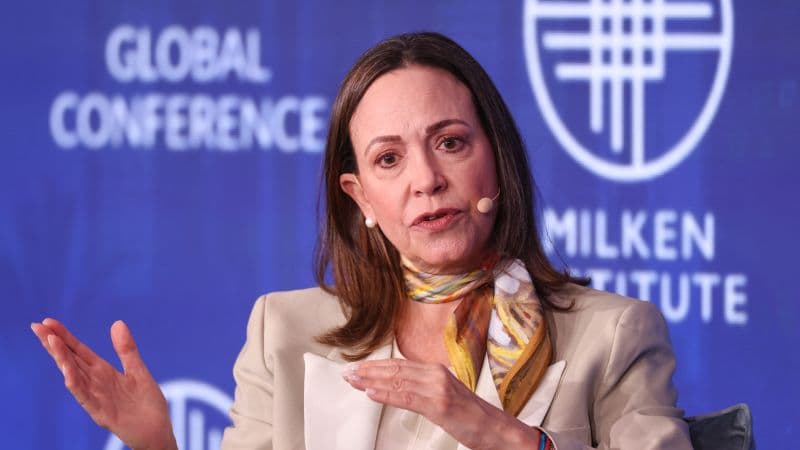
The initial draft submitted by lawmaker Laure Miller in November 2025 required platforms to use age-verification tools in line with technical guidelines to be set by the regulator Arcom. The draft also provided for fines of up to 3 percent of a platform's global revenue for noncompliance and called for platforms deemed harmful to children to be placed on a list.
The previous version also planned to cut off access to platforms for all users under 18 between 10:00 p.m. and 8:00 a.m. In its reasoned opinion dated July 6, the European Commission did not directly oppose the age limit of 15 or the requirement for age verification; instead, it focused its objections on the conflict between the national oversight structure and the coordinated supervision system under the Digital Services Act.
During the legislative debate, the platform list was dropped, and provisions granting Arcom supervisory powers were also removed from the text. In its final form, the law says that people under 15 cannot hold accounts but does not specify how platforms will determine users' ages or identify and suspend existing accounts.
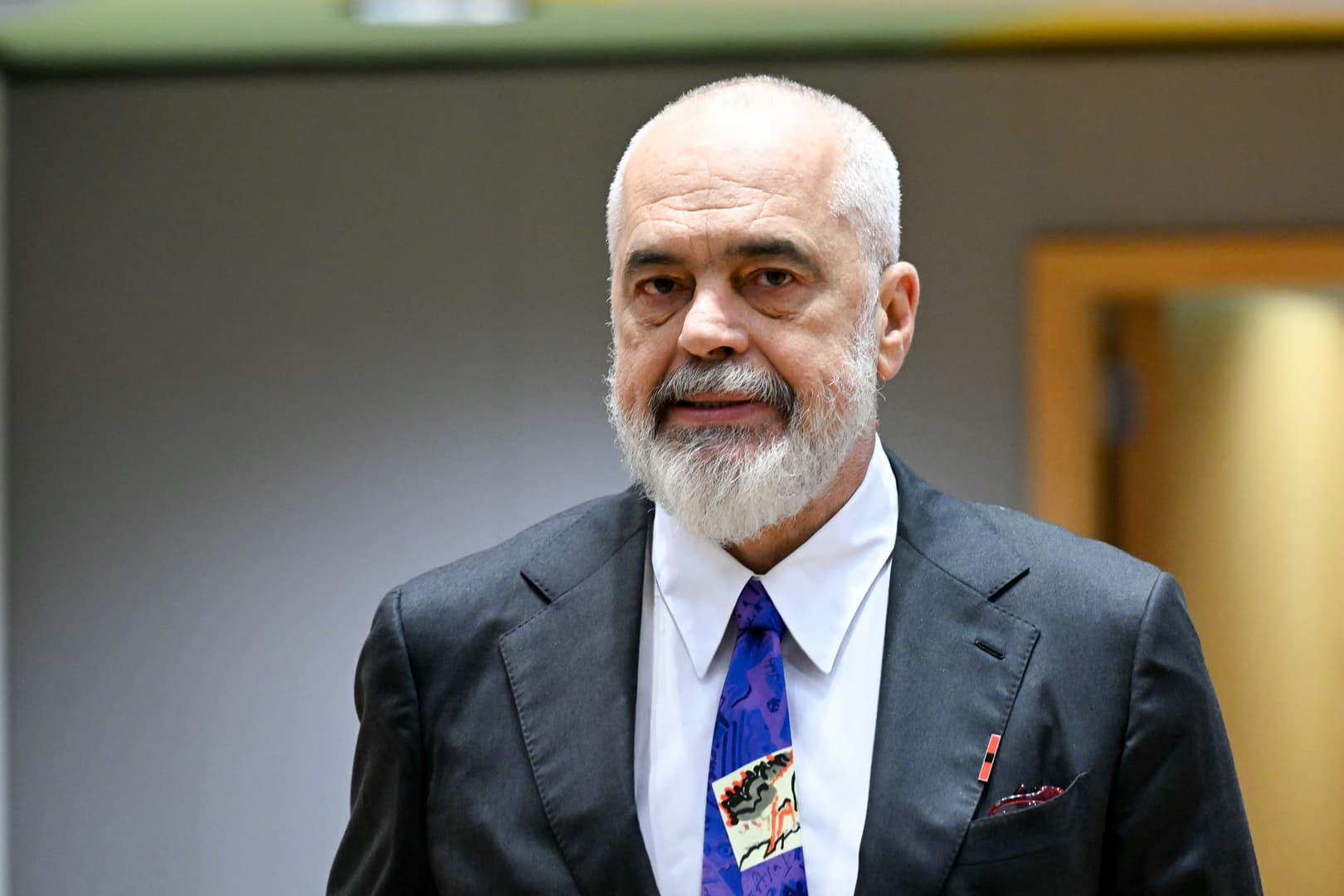
The fact that most major platforms serving France are based in other European Union countries has also brought the country-of-origin principle into focus. Anne Le Henanff, minister responsible for digital affairs, argues that age-verification tools are already available and effective. Enforcement mechanisms under the Digital Services Act will be important in putting the measure into practice.
Australia's experience cited as an example
Before Australia's social media ban began, approximately 86 percent of children were using at least one restricted platform. Three months after its implementation, the rate remained above 81 percent. Daily use fell from 60 percent to 58 percent, while account ownership declined from 52.4 percent to 42.1 percent.
Half of the children said the platforms themselves had not asked them to verify their age, while 7.4 percent said they had used a virtual private network. Despite the presence of a regulator and a maximum fine of 49.5 million Australian dollars in Australia, the failure to identify and close a significant share of existing accounts has become one of the main issues in the debate over implementation in France.
Different age limits under discussion in Europe
Denmark has put forward an age limit of 15, Greece plans to introduce a limit of 15 from 2027, Austria has considered 14, and Spain and Slovenia have put forward a limit of 16. Work in these countries is progressing alongside the results from Australia and the European Commission's preparations for age-verification infrastructure.
In Türkiye, the Grand National Assembly appears to have adopted a similar measure on April 22, 2026, with the sanctions defined from the outset. Until the age-verification infrastructure that the European Commission aims to roll out widely by the end of 2026 becomes operational, the extent to which the ban can be enforced in France remains uncertain.