Healthcare services in the Gaza Strip are being maintained amid shortages of fuel, medicine and medical supplies, as well as restrictions on the entry of humanitarian aid.
During the Israeli army’s attacks, which began in October 2023 and continued for two years, hospitals, healthcare facilities and medicine warehouses were targeted, healthcare workers were detained and the entry of medical supplies was blocked. Despite the ceasefire agreement that took effect in October 2025, attacks on Gaza have continued, with no significant improvement in humanitarian conditions.
Gaza’s oxygen infrastructure hit hard
Twenty-two of the 34 oxygen stations across Gaza have become inoperable because of restrictions on the entry of fuel and spare parts and the collapse of the healthcare sector. The 12 stations that continue serving hospitals are operating beyond capacity and frequently breaking down.
Twenty-six of the 30 devices used to fill oxygen cylinders have also gone out of service. Keeping the functioning stations under excessive strain increases the risk of new system failures.
Four stations out of service at Nasser Hospital
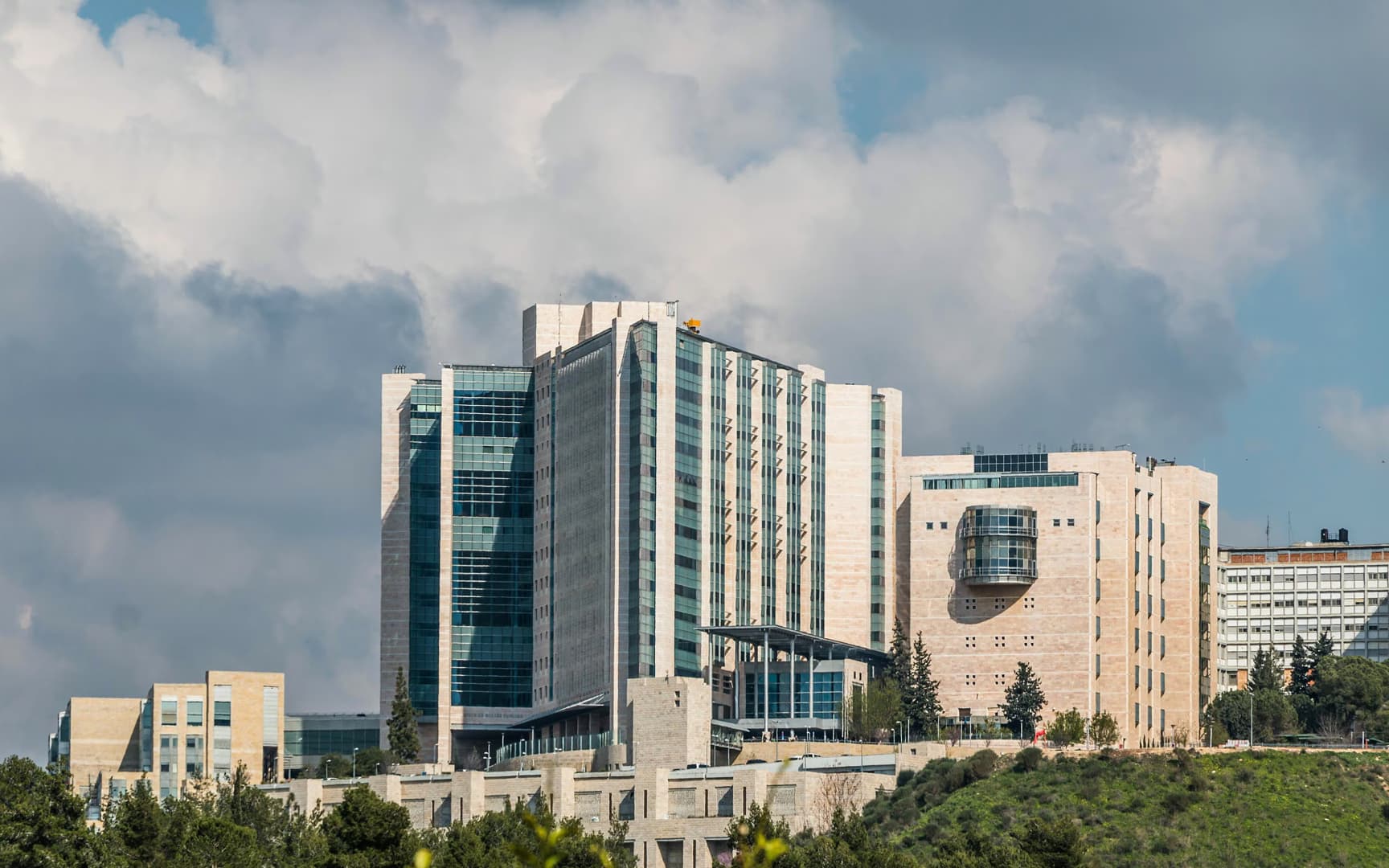
At Nasser Hospital in Khan Younis, one of the main sources of oxygen for centers across the Gaza Strip, four of its six stations are completely unusable. Oxygen production and services at the hospital can continue through only two stations.
Nasser Hospital also supplies oxygen to other hospitals and clinics in the area. The resulting loss of capacity directly affects patients receiving treatment in the neonatal unit, intensive care unit, emergency department and operating rooms. Some patients require continuous oxygen support.
Newborns depend on vital oxygen support
Asaad al-Nawajha, head of the Nasser Hospital Neonatal Unit and a pediatrician, said oxygen is vital, particularly for newborns struggling to breathe. Al-Nawajha said the oxygen shortage at the hospital threatens the health of newborns and babies in incubators.
Al-Nawajha said patients in intensive care, emergency departments and operating rooms face similar dangers. Babies in Gaza are being born with severe problems caused by malnutrition, hunger, dehydration and the conditions of war.
Missing parts prevent repairs to faulty systems
Abdulqader Ulaywa, a technical maintenance engineer at Nasser Hospital, warned that a complete interruption of oxygen supplies could seriously endanger patients’ health. Ulaywa said oxygen is indispensable for many patients and that this support cannot be delayed.
Ulaywa said oxygen systems require regular maintenance and replacement parts, adding that most of the necessary spare parts are unavailable in the Gaza Strip. Although some parts and materials have been obtained, faulty equipment cannot be repaired because essential components of the machines are missing.
Ulaywa said the necessary spare parts are located abroad, but the entry ban prevents these materials from reaching the hospital. He warned that operating the existing stations beyond capacity could cause new breakdowns and increase the risk of more facilities going out of service.