Gaza Health Ministry spokesperson Khalil al-Dakran said hospitals and health centers could be inspected by international organizations and called for urgent intervention to protect healthcare workers and facilities.
Speaking at a press conference on Wednesday, al-Dakran described as “baseless and misleading” the Israeli army’s claims that armed individuals were present or weapons were stored in hospitals in Gaza, and rejected the claims entirely.
Gaza’s health system under severe pressure
Al-Dakran said the claims had resurfaced at a time when Gaza’s health system was being directly targeted and most hospitals had been destroyed and taken out of service. He said the capacity of the health infrastructure built up over the years had been severely weakened.
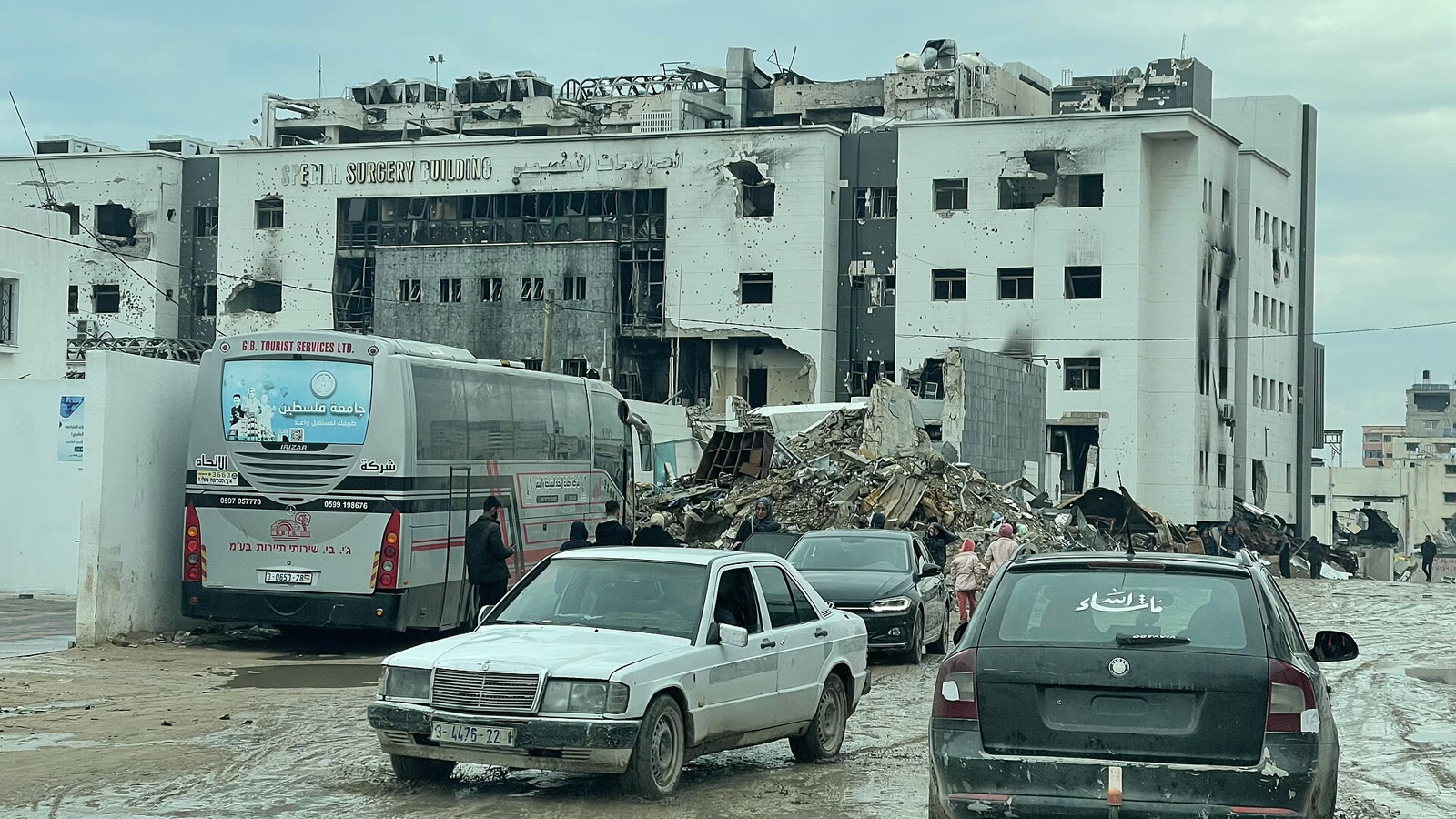
Al-Dakran said hospitals still operating were treating injured and sick people, while healthcare and humanitarian aid workers continued working in difficult conditions with limited resources. He noted serious shortages of medicines, medical consumables and care equipment.
Al-Dakran argued that Israel’s blockade, restrictions on the entry of medicines and medical supplies, and barriers preventing thousands of injured and sick people from leaving Gaza for treatment abroad continued to place healthcare services under pressure at the remaining facilities.
Hospitals open to inspections by international organizations
The Gaza Health Ministry spokesperson said hospitals and health centers were open to international organizations, United Nations agencies, and human rights and humanitarian organizations. He said these organizations could examine working conditions at the facilities and assess Israel’s claims.
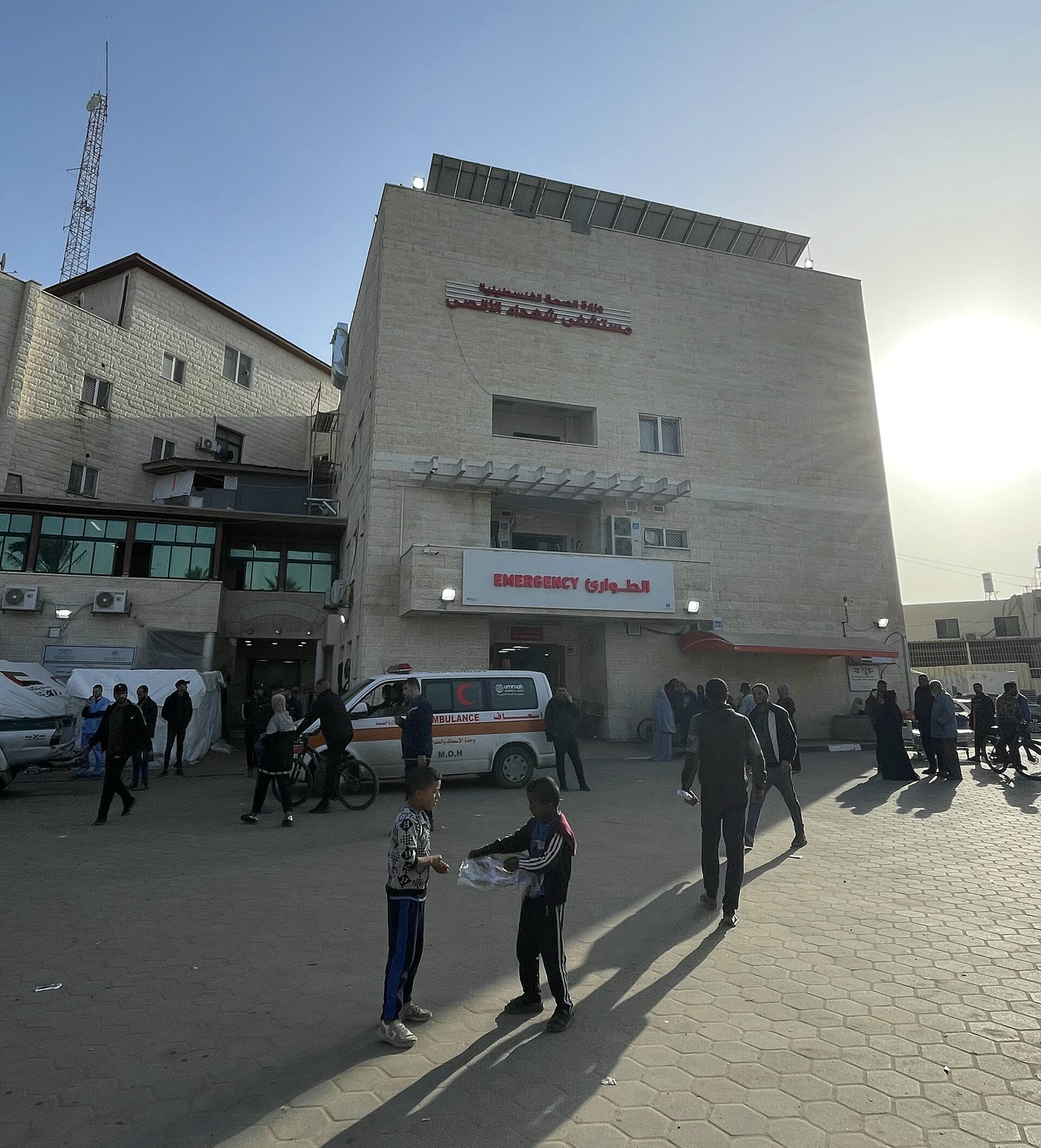
Al-Dakran also called on the international community, the United Nations and human rights organizations to take urgent action to protect healthcare workers and institutions.
Toll according to Palestinian official figures
According to Palestinian official figures, more than 74,000 Palestinians have been killed in Gaza since October 2023, more than 175,000 people have been injured and approximately 90 percent of the infrastructure has been destroyed.
Hospitals and health facilities have also been affected by attacks, the blockade and evacuations, while shortages of medicines, medical supplies and fuel continue.
















