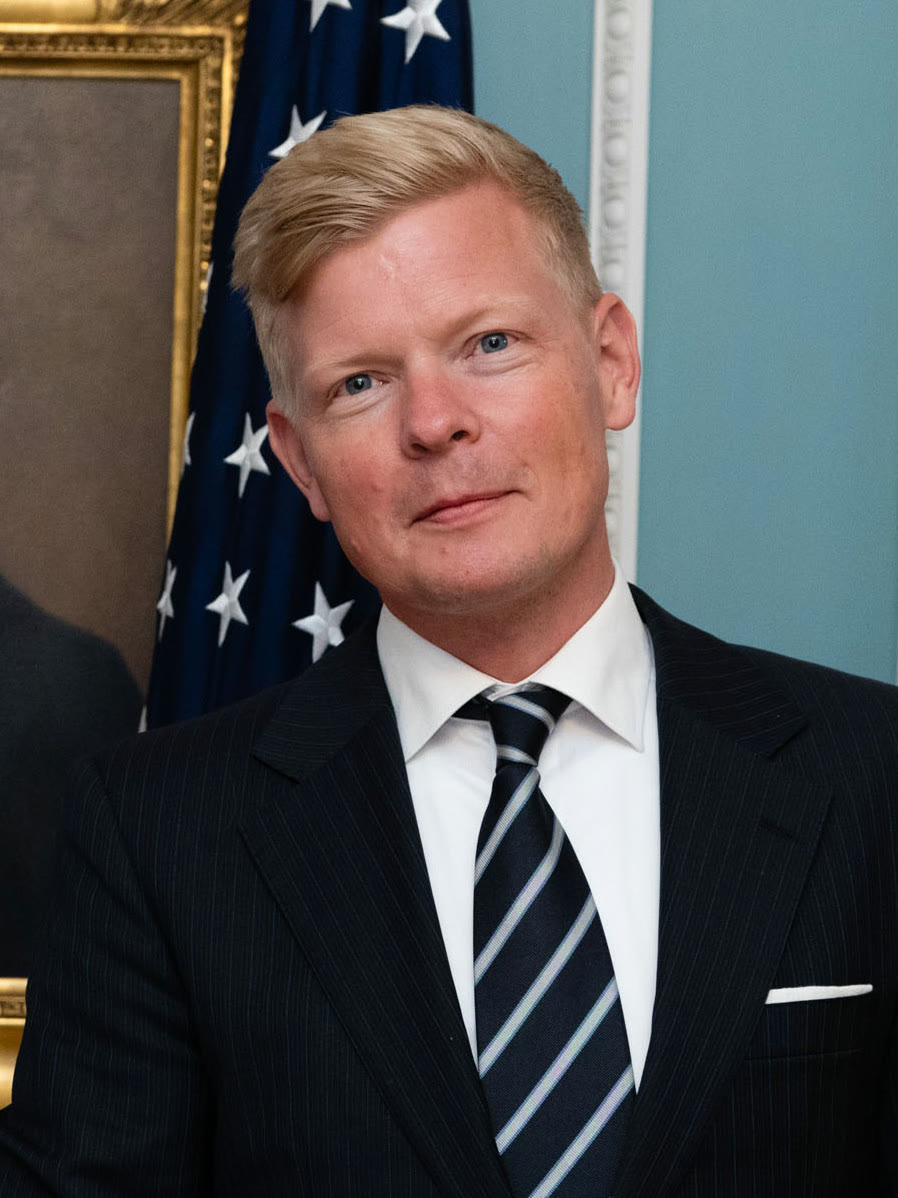
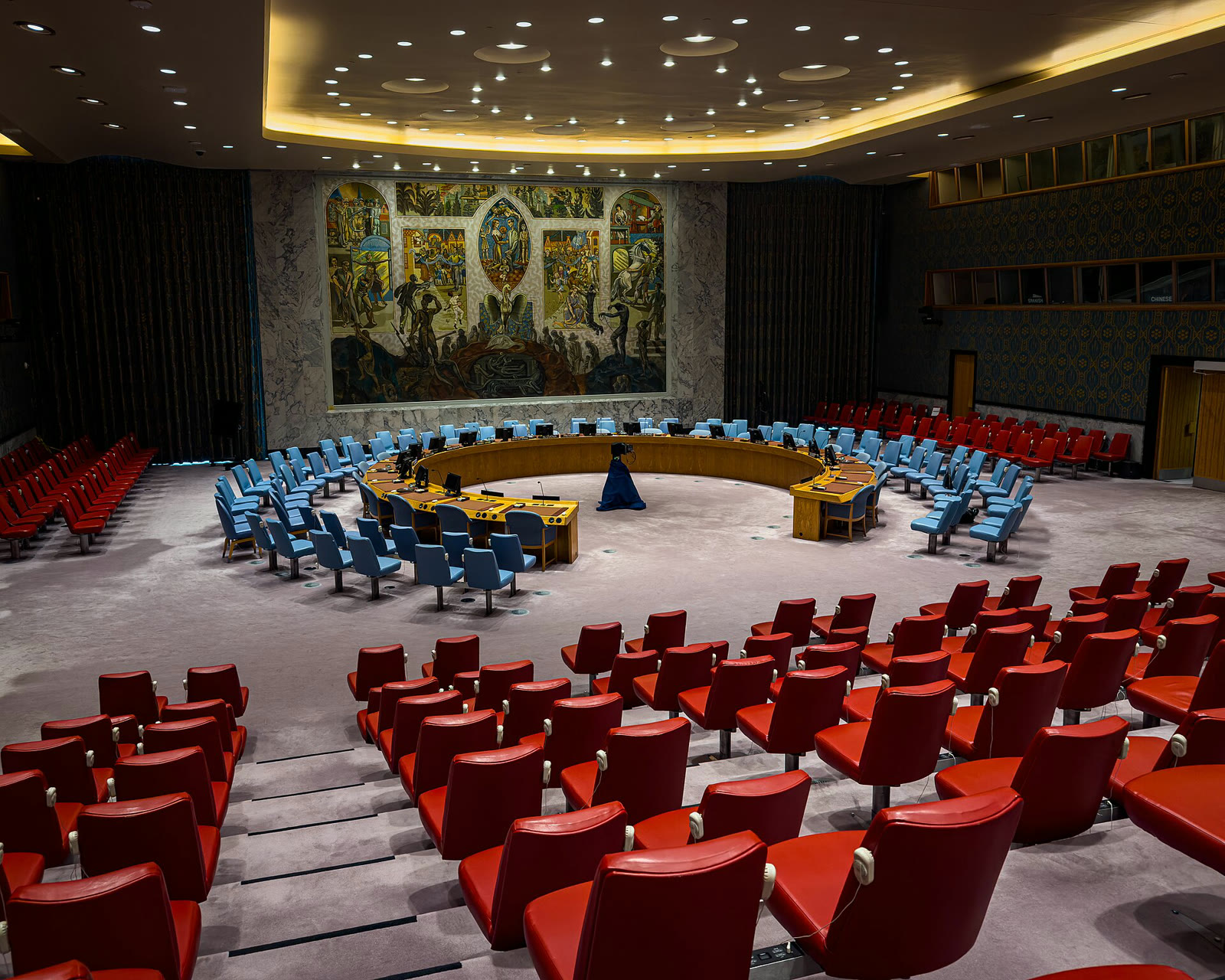
Addressing the UN Security Council over the renewed expansion of the conflict in Yemen, UN Special Envoy for Yemen Hans Grundberg said the war would not end through military developments alone. Grundberg said the fighting could not be contained without establishing a credible political process and that gains on the ground could not replace the necessary negotiations.
Grundberg said Yemen had once again been drawn into a large-scale war in recent weeks, with fighting spreading across multiple fronts and airstrikes and clashes continuing in different parts of the country. He said attacks targeting Saudi Arabia were also continuing.
Call to protect civilians and humanitarian infrastructure
Grundberg said the intensifying violence was once again severely affecting civilians, particularly women and children, and recalled that the International Monetary Fund classifies Yemen as the world’s poorest country. He called on all parties to comply with international humanitarian law and protect civilians and civilian infrastructure.
Grundberg said the parties must distinguish between civilians and combatants as well as civilian structures and military targets, and urged them to avoid disproportionate harm. He said every possible measure must be taken to protect civilians, called for children to receive special protection and not be used or recruited in armed conflicts, and demanded protection for health facilities, humanitarian workers and aid operations.
Attacks in Saudi Arabia
Grundberg condemned Houthi attacks on civilian infrastructure and energy facilities in Saudi Arabia. He said recent actions included attacks targeting King Khalid International Airport in Riyadh and Abha International Airport, adding that civilians had been killed or injured in the attacks.
After Grundberg renewed his call for the Houthis to stop attacks on Saudi Arabia, Saudi Arabia said on Thursday that three of its citizens had been killed and others injured in two attacks. The attacks targeted facilities at King Khalid International Airport in Riyadh and a Saudi Airlines aircraft located at the airport, Saudi Arabia said.
Conflict fronts expanding
Grundberg said fighting had intensified in the mountainous areas west and south of Taiz after the Houthis previously advanced toward the western coast near Al-Mokha and Bab al-Mandab, adding that tensions had also spread to the southern province of Lahij. He said government forces had launched a large-scale counteroffensive at the beginning of the week and retaken control of some areas around Bab al-Mandab.
Grundberg said fighting had also intensified in the provinces of Marib, Al-Jawf and Hajjah, while airstrikes continued across the country. Warning that the humanitarian situation in Taiz could deteriorate rapidly, Grundberg said regional security, freedom of navigation and international trade must be protected.
Regional political framework for Yemen
Grundberg said he had held comprehensive talks in September with the Yemeni government, the Houthis and regional and international parties. He said contacts in Riyadh, Muscat, Cairo and Washington showed that Yemen was passing through a critical period affecting not only the country’s internal parties but the entire region.
Grundberg said developments in Yemen were affecting the region and that instability in the Middle East was also influencing the dynamics of the conflict in Yemen. He stressed that international initiatives must be based on the realities of the country and the needs and expectations of its people. He highlighted the importance of continued joint Security Council support for reaching a political solution.
Risk to maritime traffic in the Red Sea
Grundberg said Houthi threats against commercial vessels linked to Saudi Arabia in the Red Sea were weakening freedom of navigation for all countries. He said the threats were increasingly intersecting with efforts to control maritime trade routes and the pressures facing international energy markets.
Grundberg said the protection of regional security, freedom of navigation and international trade were legitimate concerns that must be addressed. He added that a credible political process must address the root causes of the conflict, be based on relevant Security Council resolutions and build on previous negotiations.
Military pressure cannot replace the political process
Grundberg said changing military balances affected how the parties assessed the benefits, timing and conditions of participating in the political process. He said military pressure could increase their capacity to exert political influence, but the war must not prevent diplomatic efforts from continuing.
Grundberg said his role as the UN mediator was to create space for a political solution led by Yemenis. He said the conflict had affected approximately 40 million Yemenis for more than a decade and stressed the need to consider political strategies to prevent the war from becoming a permanent condition in Yemen.
72 UN staff members held by Houthis
Grundberg described the release of one UN staff member by the Houthis as a positive step. He nevertheless said that 72 UN staff members were still being held by the Houthis and that no concrete progress had been made so far toward securing their release.
Grundberg said the United Nations was continuing its contacts with the Houthis to secure the unconditional release of all detainees. He added that some of the detained staff members were suffering from serious health problems.
Background to the conflict in Yemen
Yemeni Presidential Leadership Council Chairman Rashad al-Alimi announced several days ago that the “Yemen’s Dawn” operation had begun to restore control over the capital, Sana’a, and state institutions and end Houthi rule. The military escalation in the country began in July 2026 and was described as the most extensive development compared with the relatively calm period that followed the ceasefire that began in April 2022.
The war in Yemen has continued since the Houthis seized control of Sana’a and some provinces in September 2014. The Saudi-led Arab coalition intervened in March 2015 to support the Yemeni government.



















