- BIST10011,639-0.71%
- USD49.45+0.05%
- EUR55.62+0.37%
- GOLD4,190.60+0.23%
- INTEREST37.00%-1.00
- BITCOIN82,847+1.02%
- October 19, 202617°
- BIST10011,639-0.71%
- USD49.45+0.05%
- EUR55.62+0.37%
- GOLD4,190.60+0.23%
- INTEREST37.00%-1.00
- BITCOIN82,847+1.02%
- October 19, 202617°
Henri B. Kagan and Kenso Soai win Nobel Prize in Chemistry for discovery advancing drug production
French scientist Henri B. Kagan and Japanese scientist Kenso Soai have won the 2026 Nobel Prize in Chemistry for work that laid the foundation for reactions used in the production of medicines, flavors and fragrances.
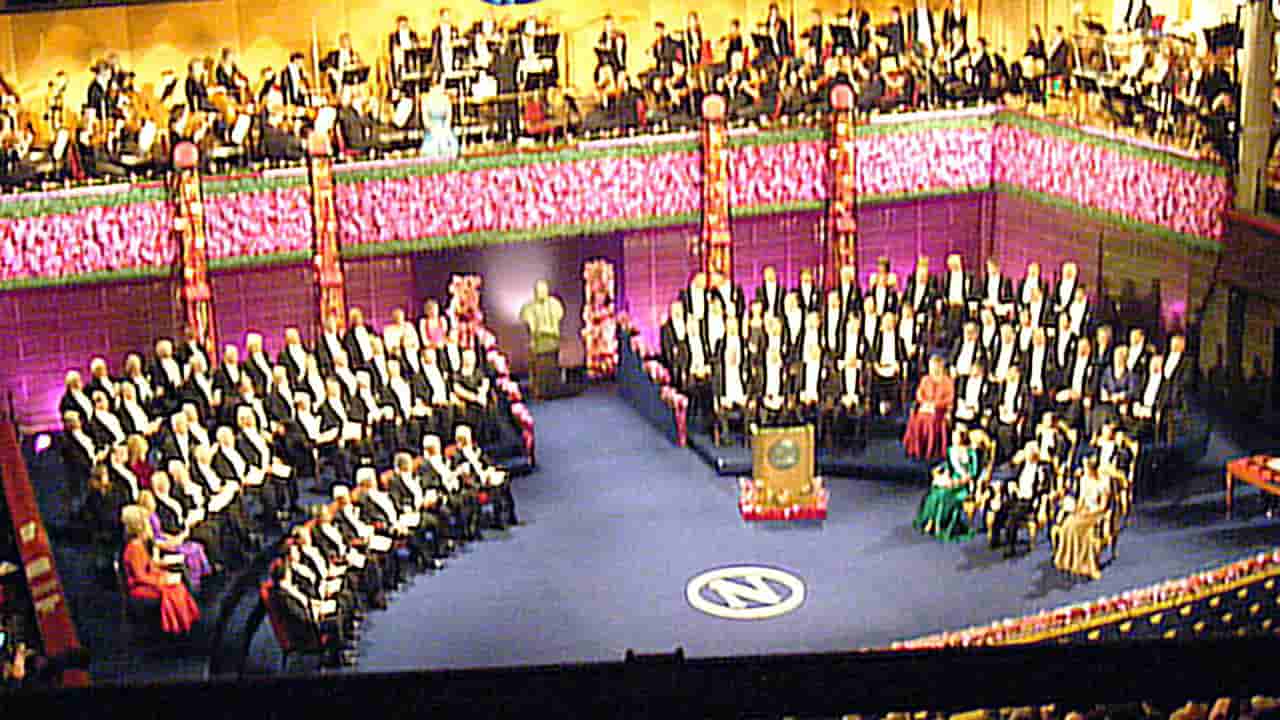
Two scientists whose work strengthened the foundations of chemical reactions used to produce everything from medicines to perfumes have won the 2026 Nobel Prize in Chemistry. The Royal Swedish Academy of Sciences announced that it had awarded the prize to French scientist Henri B. Kagan and Japanese scientist Kenso Soai.
The two chemists were recognized for their work revealing nonlinear effects and autocatalysis in asymmetric organic synthesis.
The mirror images of molecules
Some molecules, including amino acids, exist in two forms that are mirror images of each other. However, only one of these forms occurs in living organisms. For chemists, the key challenge is being able to select and obtain the desired form during production.
Kagan demonstrated that one of the mirror-image forms could be produced in a previously considered unattainably high proportion through a method that directs reactions. Soai developed the first reaction in which only one of the two possible forms was produced.
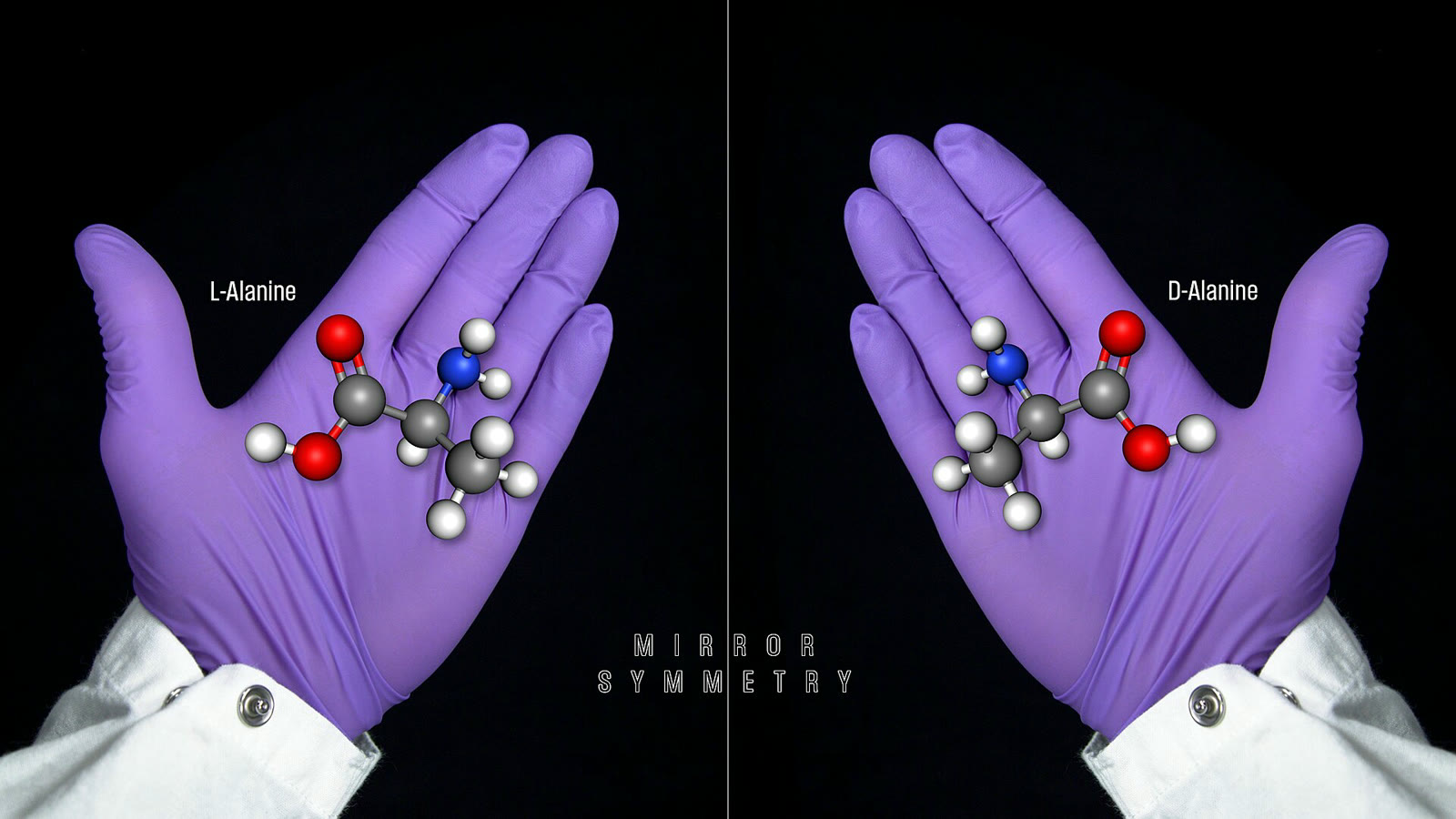
The academy described this experiment, known as the “Soai reaction,” as one of the most remarkable experiments in the history of chemistry.
Who are the award winners?
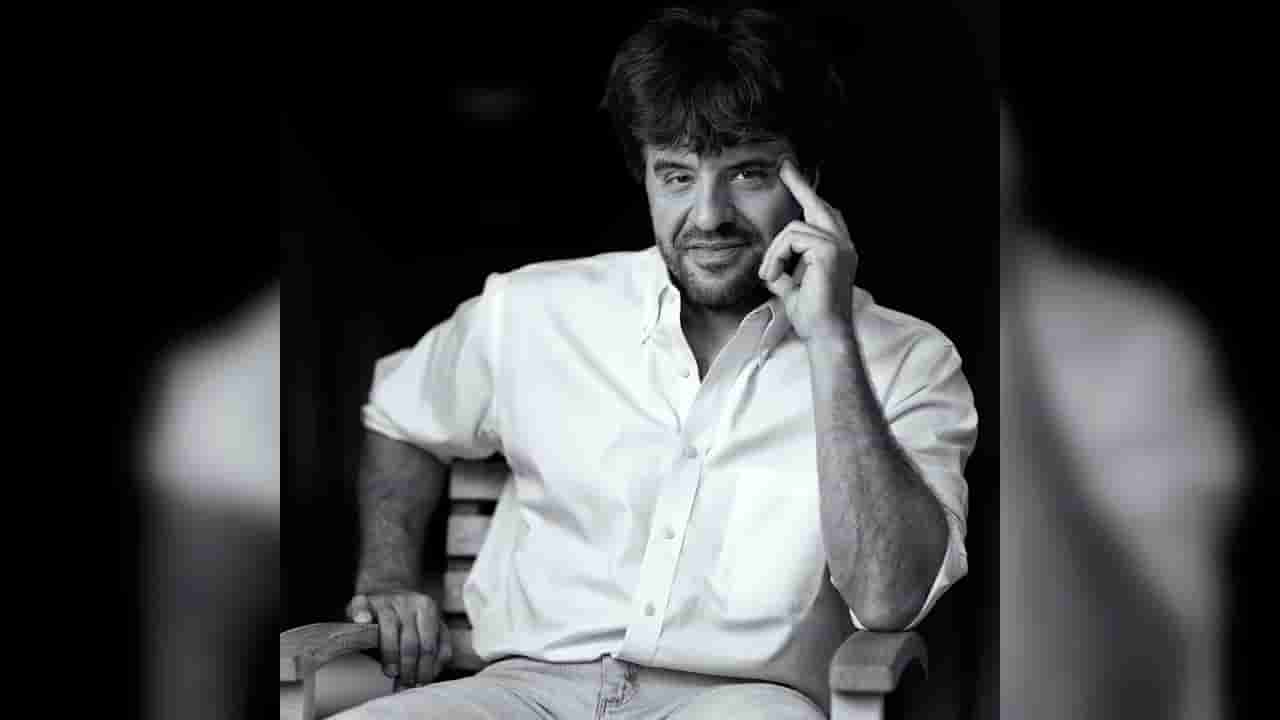
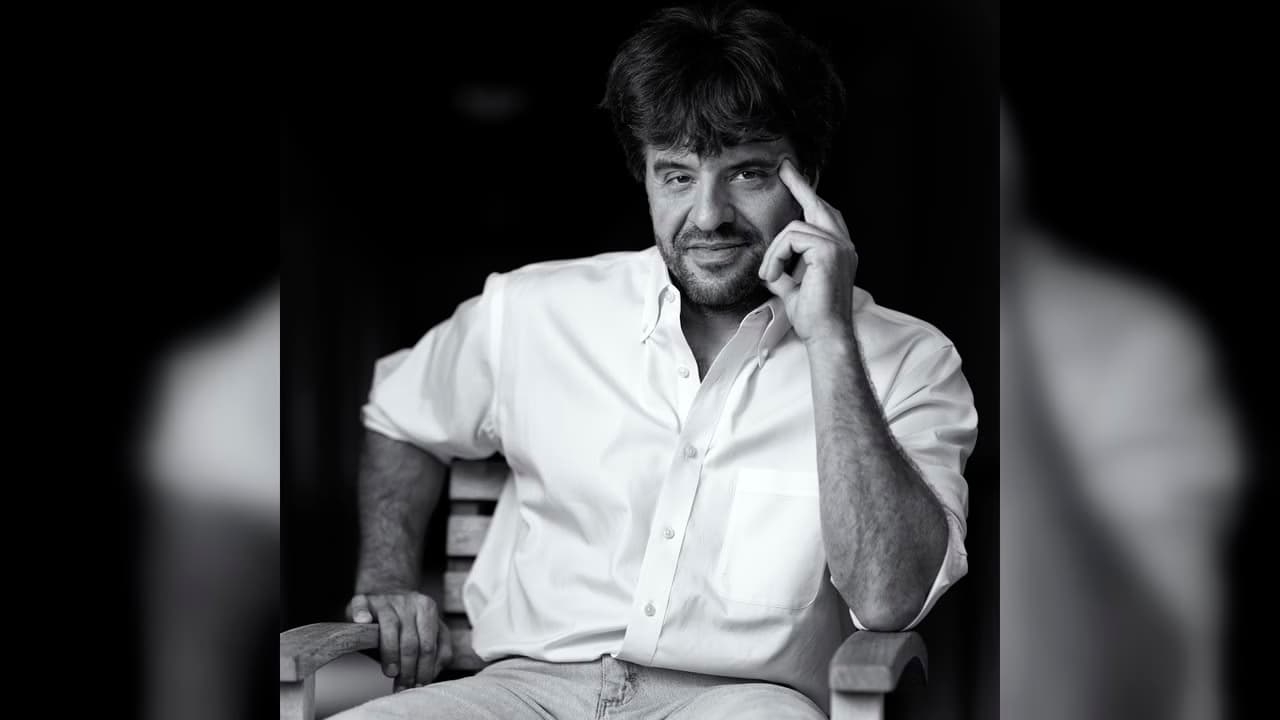
Henri B. Kagan was born in France in 1930. He studied at Sorbonne University, completed his doctorate at the Collège de France in 1960 and gained prominence through his work in asymmetric catalysis. Kenso Soai was born in Hiroshima, Japan, in 1950, graduated from the University of Tokyo and received his doctorate in 1979.
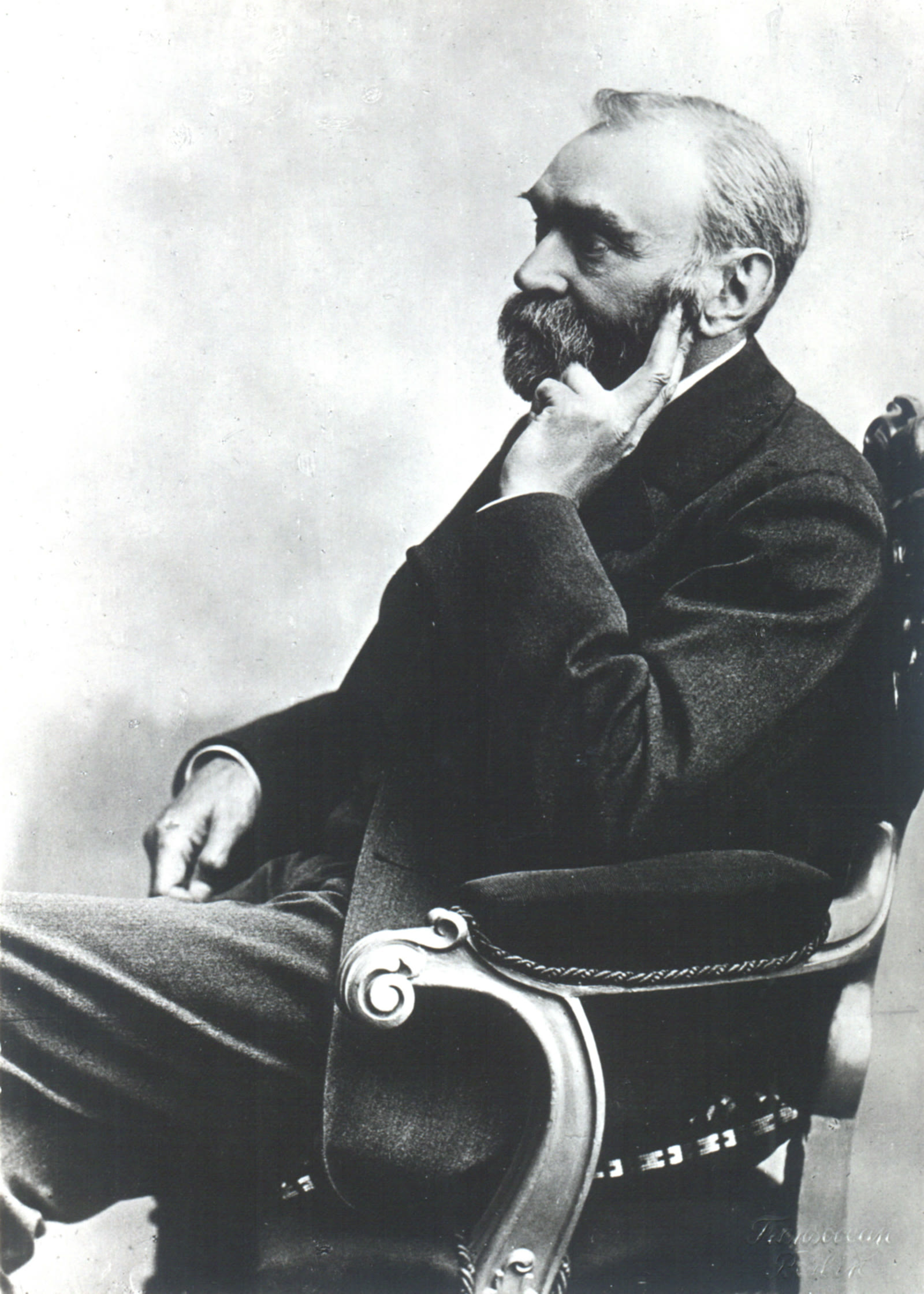
The award will be presented to the recipients at a ceremony on December 10.
Stay Updated with Hilal Times
Subscribe to be informed about special news, developments and announcements. We will keep you informed.
By signing up, you agree to our Privacy Policy