- BIST10010,743-2.03%
- USD50.64+0.03%
- EUR55.40+0.14%
- GOLD3,597.40+0.92%
- INTEREST36.00%-1.00
- BITCOIN60,445+0.11%
- November 26, 202610°
- BIST10010,743-2.03%
- USD50.64+0.03%
- EUR55.40+0.14%
- GOLD3,597.40+0.92%
- INTEREST36.00%-1.00
- BITCOIN60,445+0.11%
- November 26, 202610°
Mathematician says AI helped prove 167-year-old conjecture
Levent Alboge of the American company Anthropic said he and the Claude model had developed a proof of the Riemann hypothesis, but the proof has not yet undergone independent verification or peer review.
Mathematician Levent Alboge, who works for the American artificial intelligence company Anthropic, said he had developed a proof of the Riemann hypothesis with the help of the Claude artificial intelligence model. The hypothesis has been one of mathematics' most famous unsolved problems since 1859.
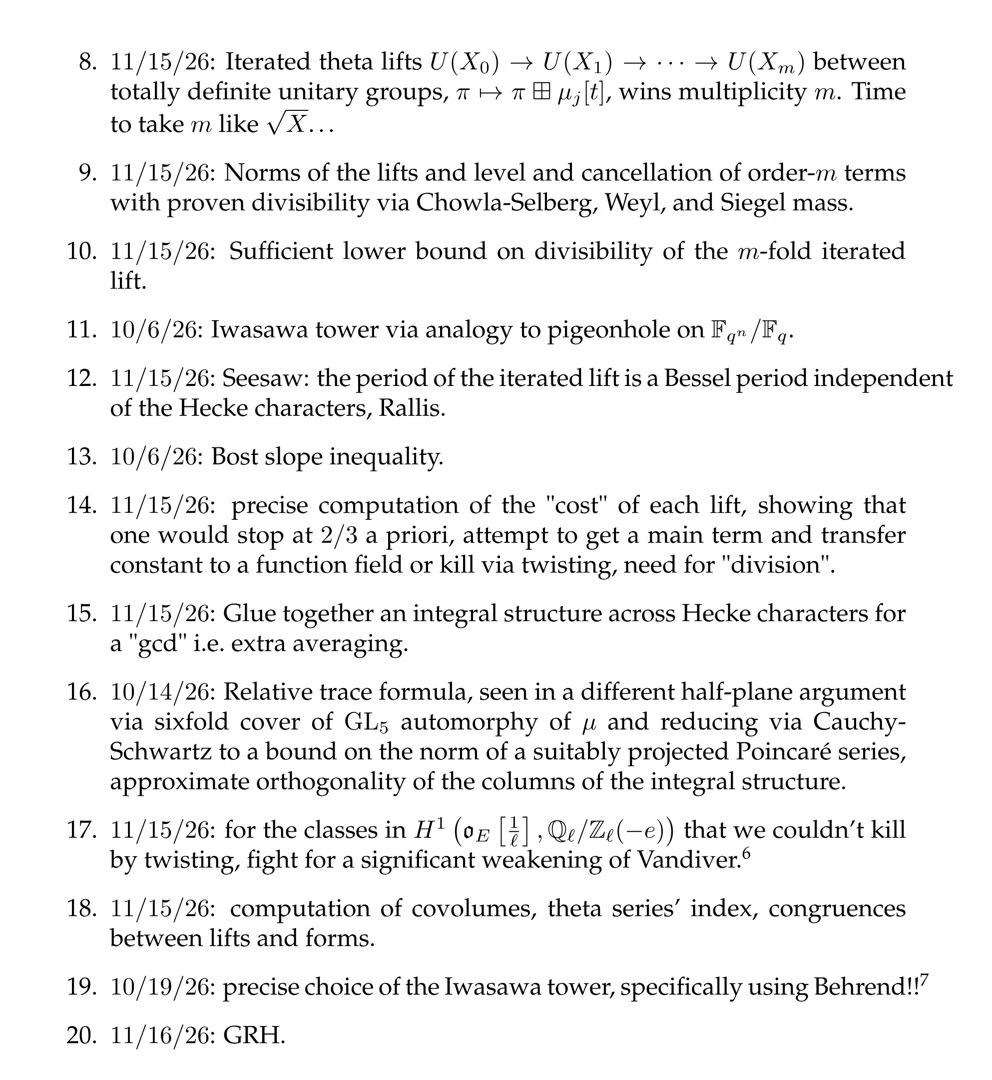
In a four-page note published on his personal website on Friday, Alboge wrote: "I believe that, working with Claude, I have discovered a proof of the Riemann hypothesis." He added that the method also extends to the generalized Riemann hypothesis. According to the timeline attached to the note, work began on October 6 and reached the generalized hypothesis on November 16.
Not yet verified
The proof has not yet undergone independent verification or peer review, and it has not been published in a peer-reviewed scientific journal. Instead of a conventional research paper, Alboge published a version written in Lean, a programming language that allows a computer to verify every logical step, divided into 14 parts. He said he would write an accessible explanation later.
Mathematician Hector Pastine of the Pontifical Catholic University of Chile told Scientific American that "if the proof is correct and intelligible," it would complete a dictionary linking different branches of mathematics, "rather like a Rosetta Stone."
A $1 million prize
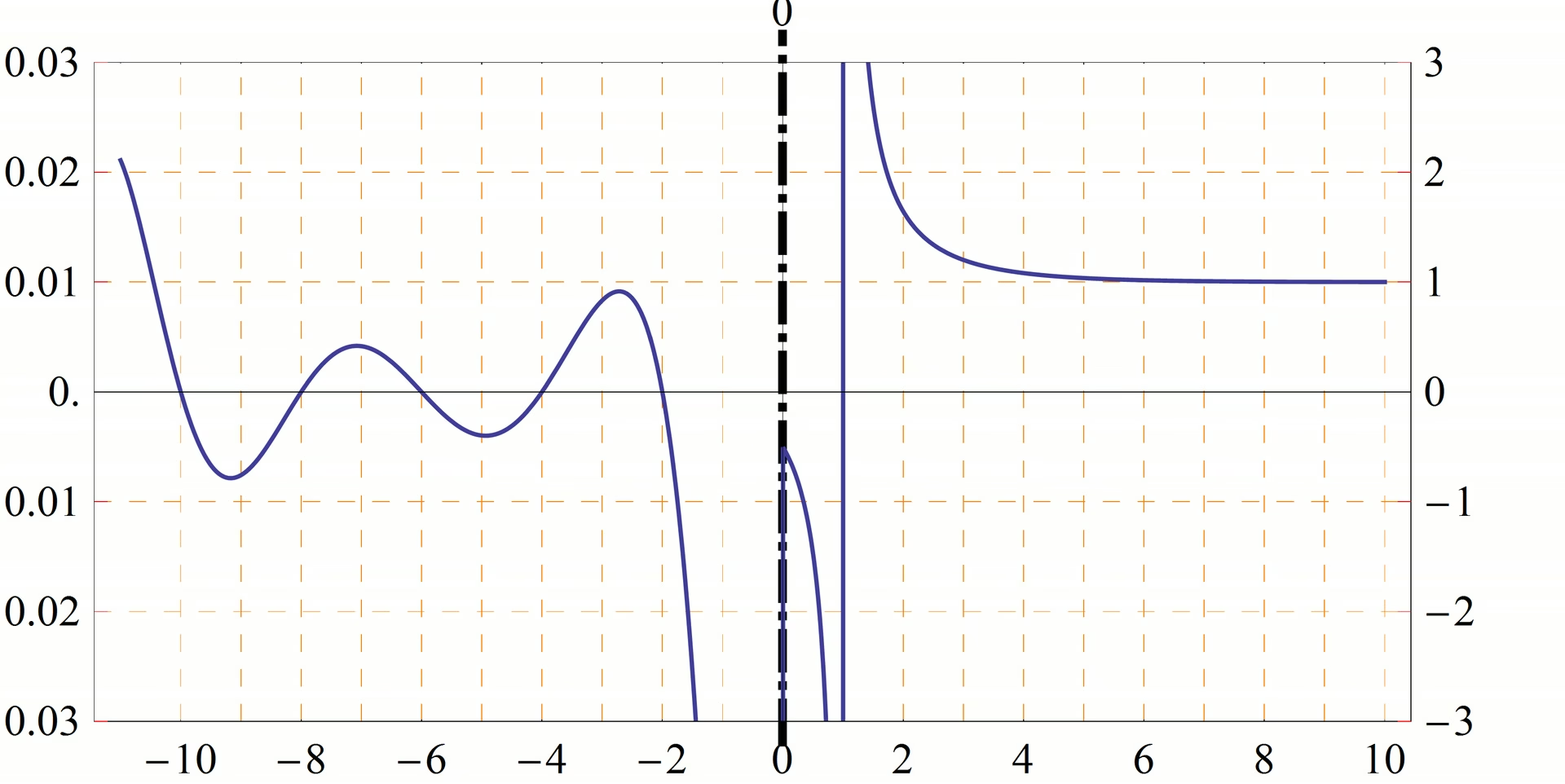
The Riemann hypothesis, proposed by German mathematician Bernhard Riemann in 1859, states that the real part of all nontrivial zeros of the Riemann zeta function is 1/2. It is key to understanding the distribution of prime numbers. The hypothesis is one of the seven "Millennium Problems" for which the Clay Mathematics Institute has offered a $1 million prize, provided that a solution is published and withstands scrutiny for two years.
Despite the importance of prime numbers in encryption systems that protect communications over the internet, Scientific American says the hypothesis has no immediate practical applications and will not turn global banking systems upside down.
Stay Updated with Hilal Times
Subscribe to be informed about special news, developments and announcements. We will keep you informed.
By signing up, you agree to our Privacy Policy