- BIST10011,614-0.92%
- USD49.45+0.05%
- EUR55.62+0.37%
- GOLD4,186.80+0.14%
- INTEREST37.00%-1.00
- BITCOIN82,299+0.35%
- October 19, 202617°
- BIST10011,614-0.92%
- USD49.45+0.05%
- EUR55.62+0.37%
- GOLD4,186.80+0.14%
- INTEREST37.00%-1.00
- BITCOIN82,299+0.35%
- October 19, 202617°
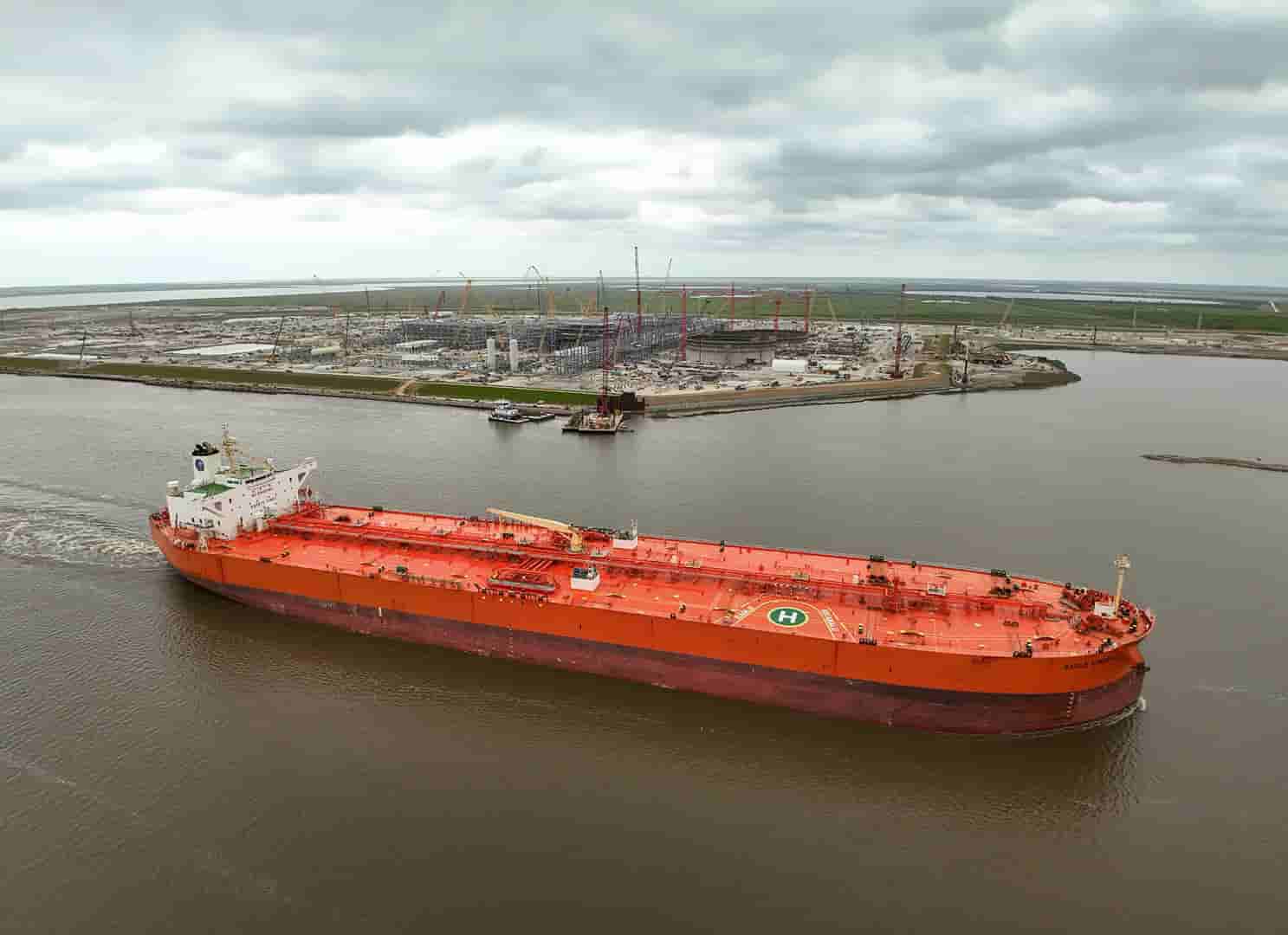
Houthi attacks cut commercial shipping through the Strait of Hormuz to six vessels
As Houthi attacks intensified, the number of commercial vessels passing through the Strait of Hormuz on Monday fell to six. The weekly average of crude oil, petroleum products and liquefied natural gas shipments from the Middle East remained below pre-conflict levels.


Commercial shipping traffic through the Strait of Hormuz, one of the Middle East's key energy shipping routes, fell to six passages on Monday. This was the lowest level recorded on the strategic waterway since July 22.
At least 14 incidents involving attacks, attempted attacks and blockades targeting commercial vessels were recorded in and around the Strait of Hormuz between October 5 and 12. On Monday, six vessels were identified as having come under attack.
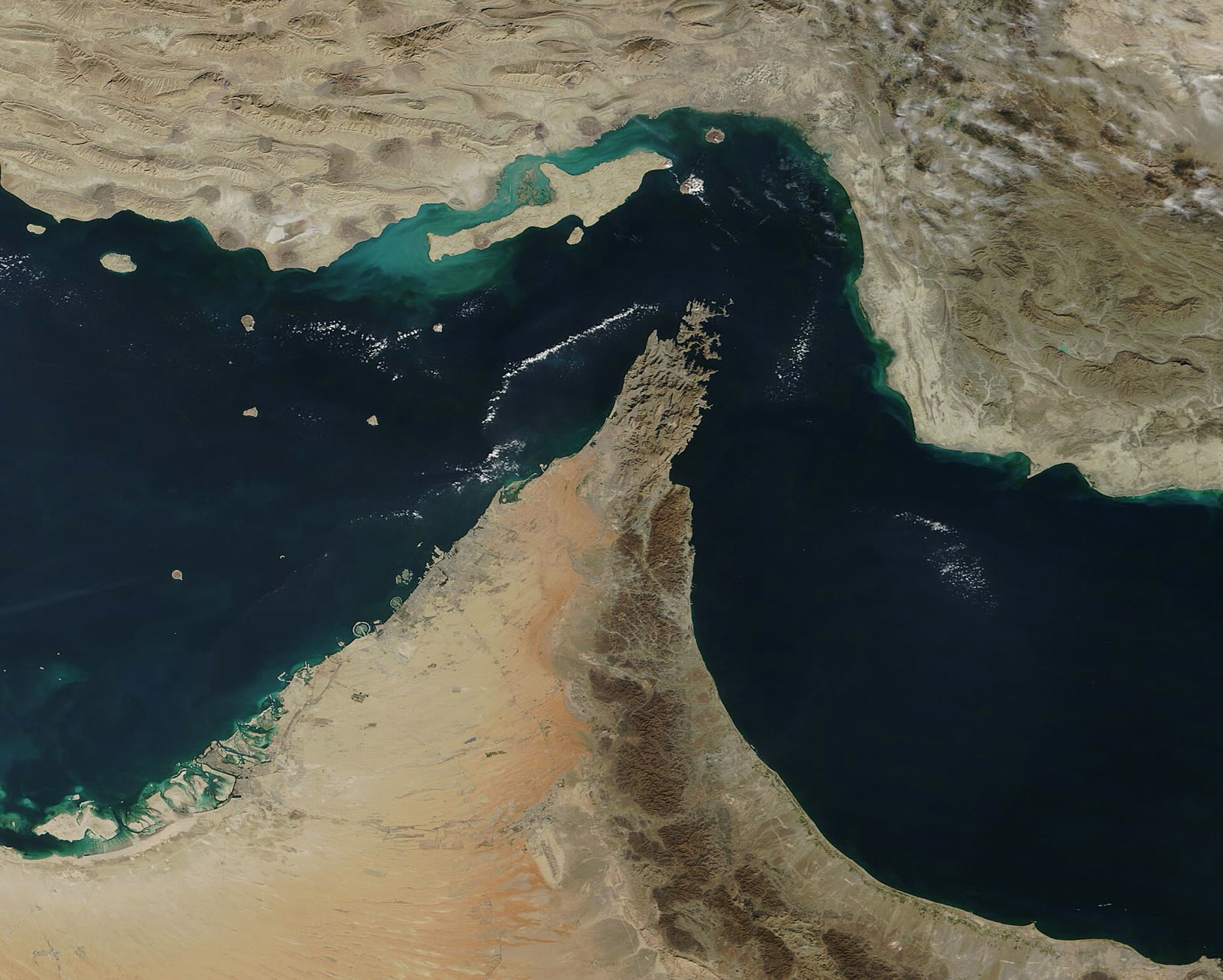
Energy flows remain below pre-war levels
Including shipments in the Gulf, the Gulf of Oman and the Red Sea, exports of crude oil, petroleum products and liquid chemicals fell from 21.1 million barrels per day on October 8 to 6.7 million barrels per day on October 11. The transport of crude oil, petroleum products and liquefied natural gas from the Middle East fell sharply as maritime security risks increased.
According to Kpler data, daily shipments stood at 10.4 million barrels on Monday and 8.3 million barrels on Tuesday. The weekly average remained at 17 million barrels, below the pre-conflict level of approximately 23.3 million barrels per day.
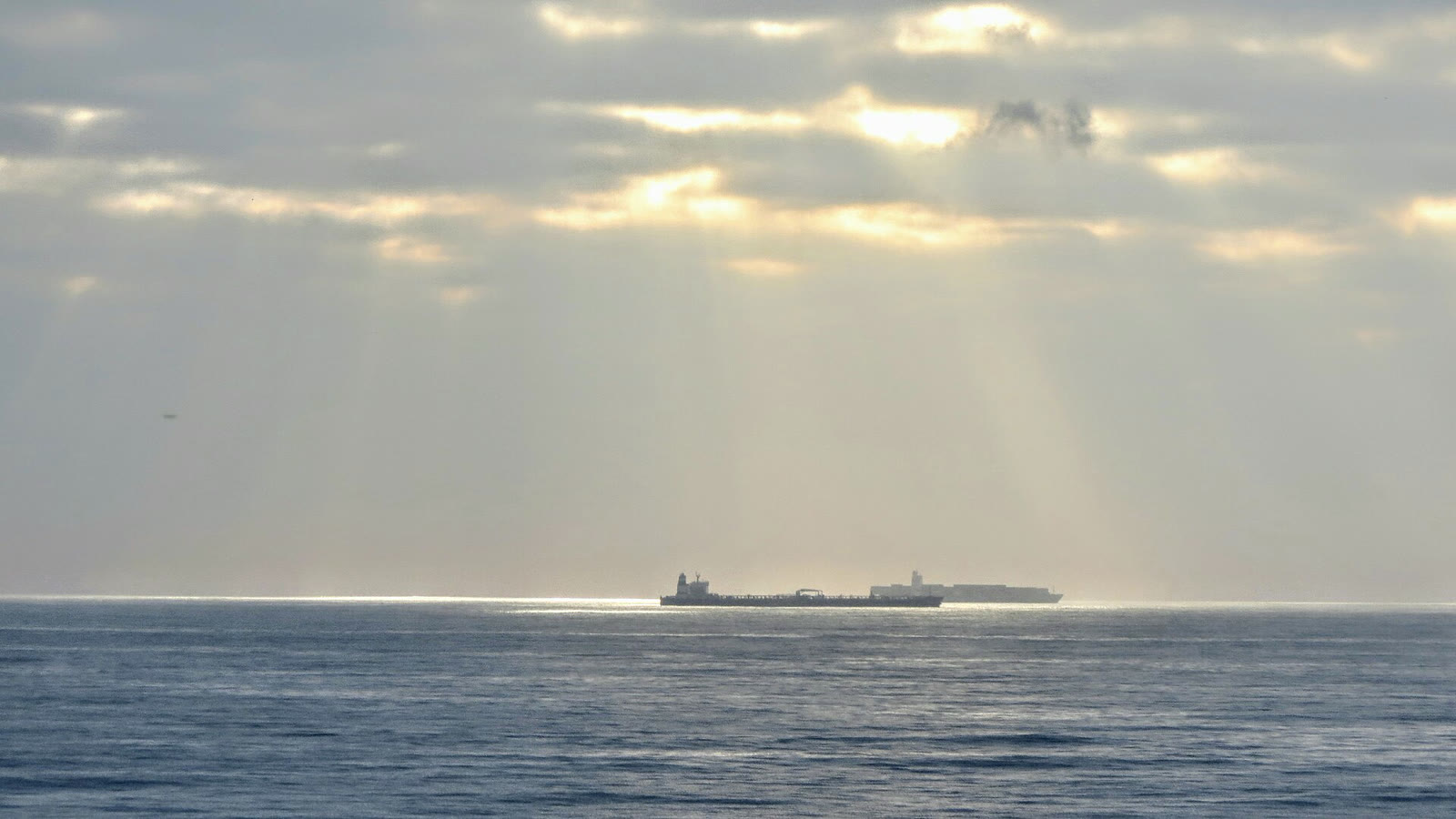
Hormuz passages fall from 32 to six in a few days
Thirty-two commercial vessels passed through the strait on October 8, 24 on October 9, 11 on October 10 and 12 on October 11. The number of passages fell to six on Monday, highlighting the contraction in maritime traffic in the region.
Activity also declined in the Bab el-Mandeb Strait, which connects the Red Sea with the Gulf of Aden and the Indian Ocean. Passage numbers on this route were recorded at 35 vessels on October 8, 39 on October 10, 46 on October 11 and 32 on Monday.
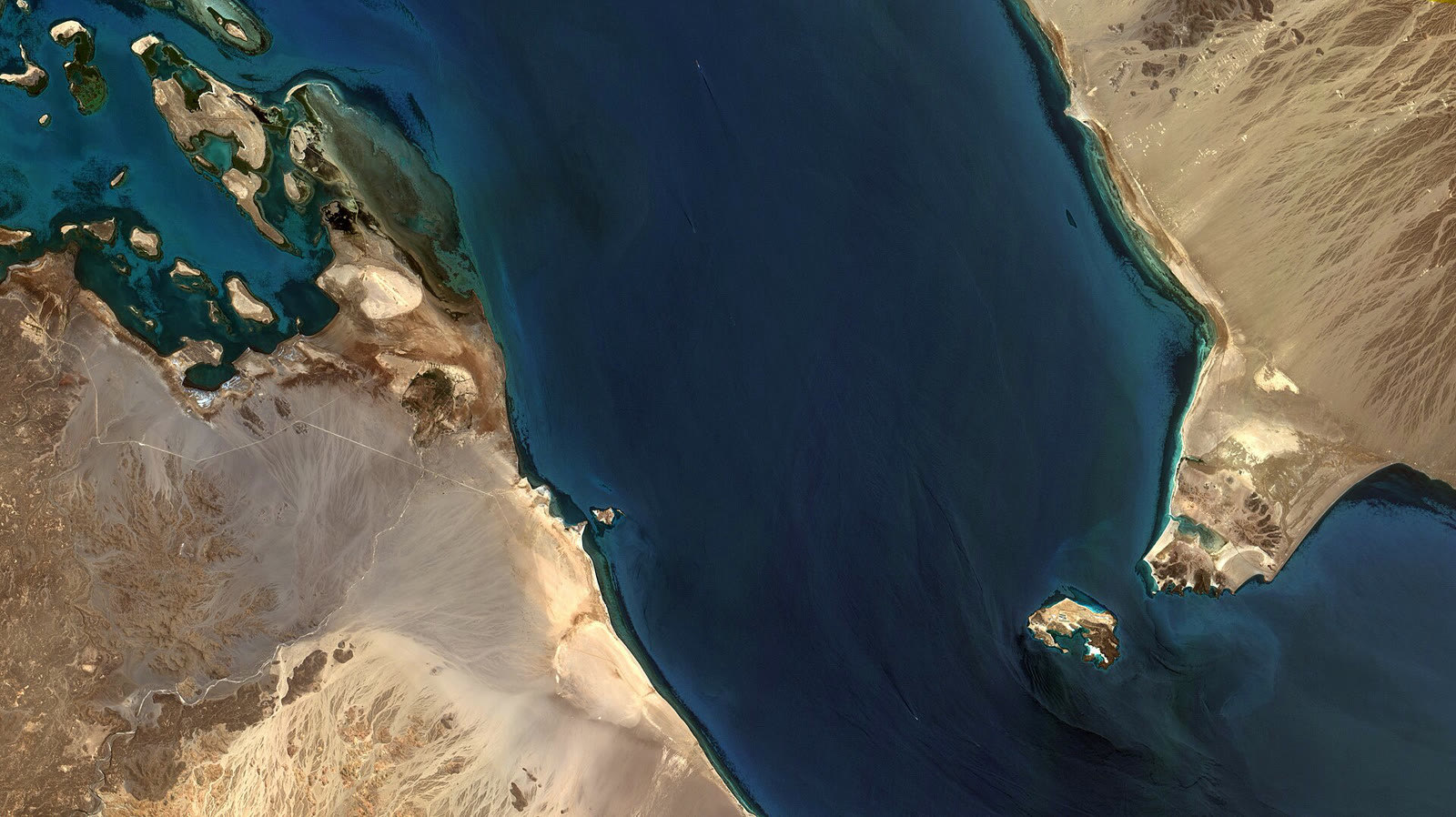
Security concerns also grow in Bab el-Mandeb
The Houthis' intensifying attacks on Saudi Arabia have heightened security concerns for vessels passing through Bab el-Mandeb. The Houthis' attempts to establish a naval blockade to take control of the corridor have added a new risk factor to the conflict in the region.
The decline in maritime traffic is being assessed alongside developments following the joint US-Israeli attacks on Iran on February 28. The effective closure of the waterway by Iran, followed by a US naval blockade, has further complicated regional shipping.
Extensive supply disruptions in the Straits of Hormuz and Bab el-Mandeb could increase pressure on global energy supplies and market stability.
Stay Updated with Hilal Times
Subscribe to be informed about special news, developments and announcements. We will keep you informed.
By signing up, you agree to our Privacy Policy