- BIST10011,430-2.49%
- USD49.55+0.21%
- EUR55.57-0.09%
- GOLD4,165.60+0.13%
- INTEREST37.00%-1.00
- BITCOIN81,981+0.17%
- October 20, 202614°
- BIST10011,430-2.49%
- USD49.55+0.21%
- EUR55.57-0.09%
- GOLD4,165.60+0.13%
- INTEREST37.00%-1.00
- BITCOIN81,981+0.17%
- October 20, 202614°
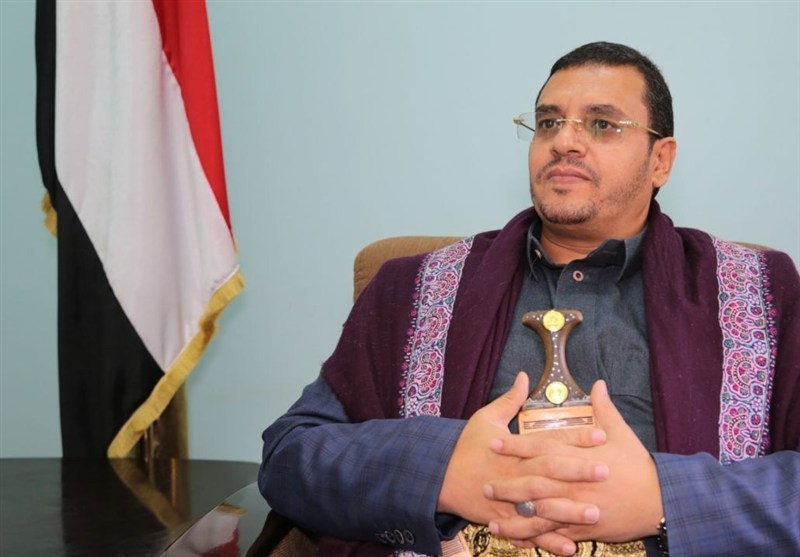
Houthi official Hizam al-Asad threatens Saudi oil infrastructure
Hizam al-Asad, a member of the Houthi political bureau, announced that if tensions with Saudi Arabia escalate, they could strike the country's oil facilities and other critical infrastructure. Al-Asad also condemned Riyadh's attack on Sanaa Airport.


Hizam al-Asad, a member of the Houthi political bureau, threatened to target Saudi Arabia's oil infrastructure. In a statement on the social media platform X, al-Asad said that if Riyadh's aggressive stance towards Yemen continues, the country's critical facilities could be struck.
"The Saudi regime is responsible for the environmental consequences resulting from the burning of oil wells, transmission lines, tankers, refineries, oil export ports, stations, and petrochemical facilities. It is also responsible for the suffering the local population will endure under violent flames and thick clouds of black smoke."
Al-Asad added that Yemenis will, God willing, reclaim their rights, break the tight blockade imposed on their country, and avenge the pure blood of the martyrs who have suffered greatly during 11 years of aggression and blockade.
Saudi Arabia's Attack on Sanaa Airport
Tensions escalated after Saudi Arabia struck Sanaa International Airport to prevent an Iranian plane from landing in the capital Sanaa. The plane was carrying a Houthi delegation heading to Tehran for the farewell and funeral ceremonies of the Islamic Revolution's martyred leader, Ayatollah Seyyed Ali Khamenei.
After Sanaa Airport was bombed, the plane diverted and landed safely in the strategic port city of Hudaydah.
11-Year War and Blockade on Yemen
Saudi Arabia and its Arab allies, with military, political, and logistical support from the US and other Western countries, launched a full-scale war on Yemen on March 26, 2015, and imposed a blockade.
Tens of thousands of Yemenis have lost their lives in the war, while the main goal of restoring the former Riyadh-backed government to power was not achieved. After a fragile ceasefire brokered by the UN in 2022, the US, UK, and the Israeli regime launched numerous attacks on Yemen to prevent Sanaa's solidarity strikes against Israeli targets in response to the genocide in the Gaza Strip.
Stay Updated with Hilal Times
Subscribe to be informed about special news, developments and announcements. We will keep you informed.
By signing up, you agree to our Privacy Policy