Iraqi Prime Minister Ali al-Zaydi is making his first official foreign visit since taking office to Washington, the U.S. capital. The talks, which began on Monday at the invitation of U.S. President Donald Trump, are centered on energy and investment cooperation agreements.
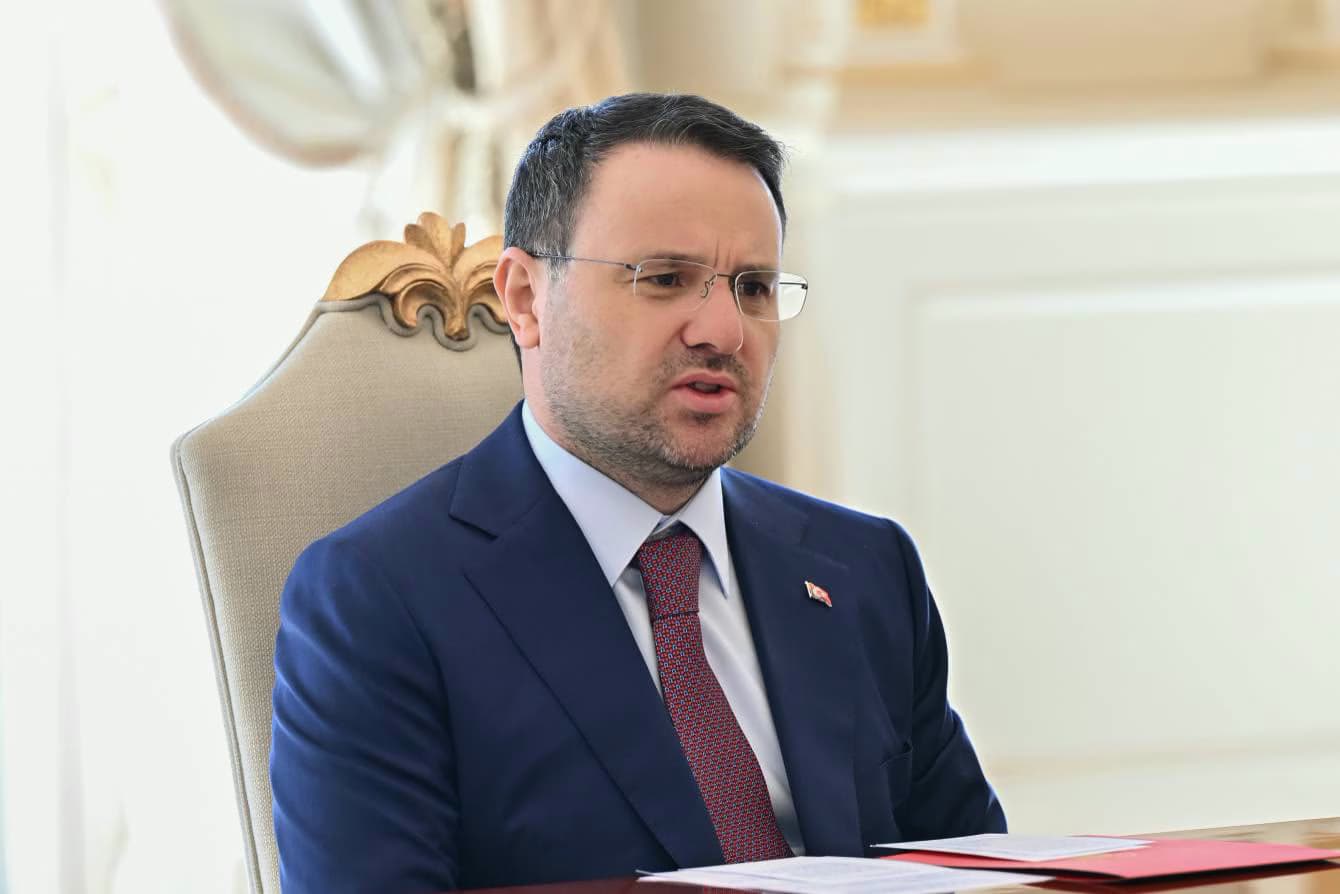
Government spokesperson Haydar al-Abudi stated that the visit aims to deepen economic relations by encouraging investments, particularly in energy, trade, and technology.
One of the most significant items on the agenda is Iraq's transfer of revenue from the export of 500,000 barrels of oil per day into an energy and development fund. This fund will be used to finance strategic projects, while the U.S. will also increase electricity supply to Iraq and expand the participation of American companies in infrastructure and energy projects.
Prime Minister al-Zaydi had previously stated that this fund could exceed $400 billion over the coming decades and that resources could be gradually increased depending on the rise in oil production.
The Baghdad administration also aims to attract new American investments to the energy sector. Spokesperson al-Abudi noted that Iraq is preparing to bring in specialized U.S. companies to increase oil production capacity, and that agreements have been signed in recent months with major firms such as Chevron, Halliburton, and HKN.
In an article published in The Washington Post ahead of the visit, Prime Minister al-Zaydi wrote that they would present Trump with investment opportunities in infrastructure, energy, industry, technology, and the digital economy. He emphasized that they aim to shift bilateral relations from "crisis management" to "opportunity creation."
The article also stated that the government has created a more attractive investment environment by strengthening the rule of law, consolidating weapons under state monopoly, and implementing economic reforms.
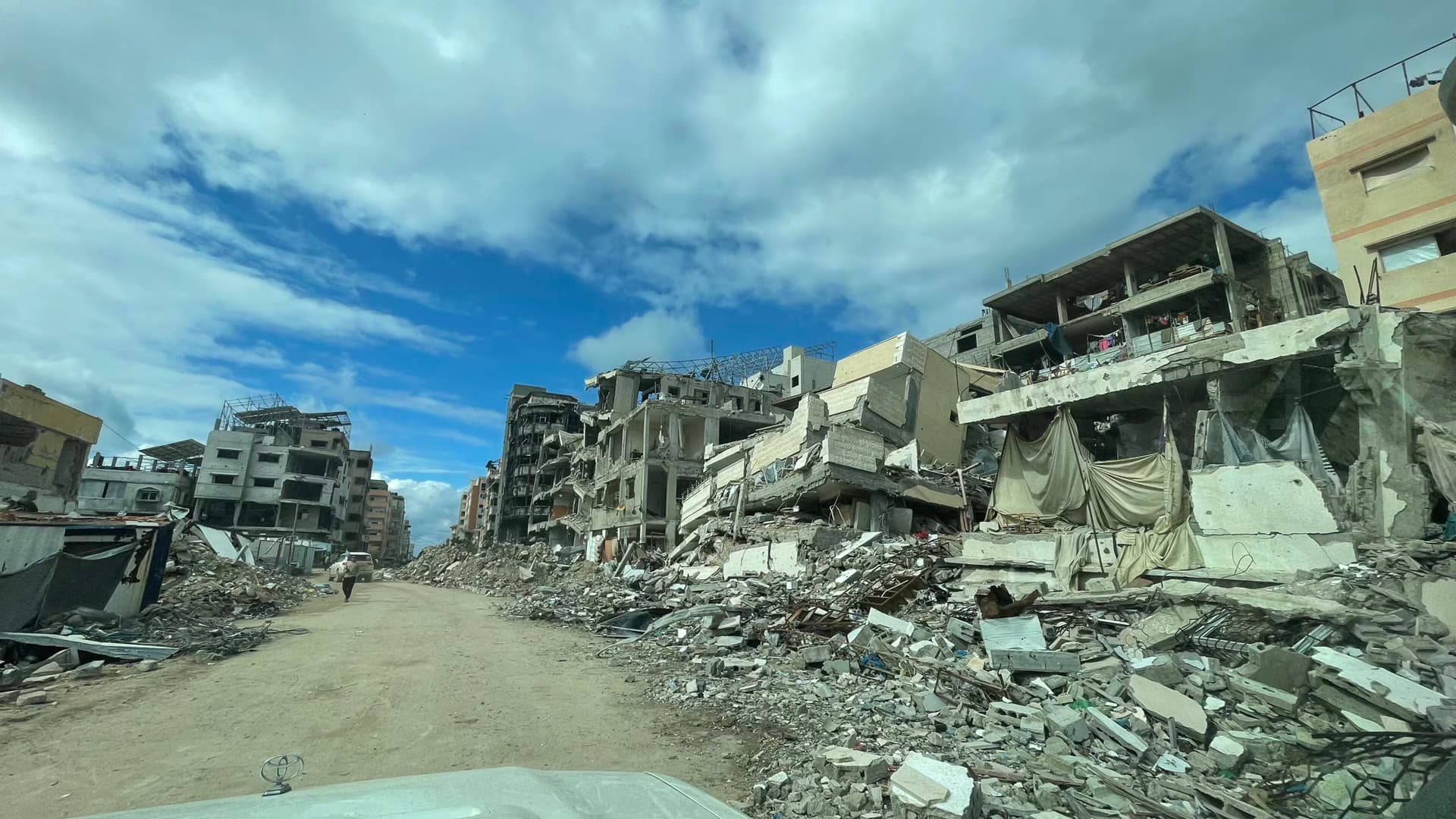
Iraq suffered major economic losses during the recent Middle East war due to disruptions in oil shipments through the Strait of Hormuz. The country, which relies on oil for more than 90 percent of its budget, says this situation negatively affected public revenues.
Baghdad hopes that the agreements to be signed will accelerate energy and electricity projects, diversify funding sources, and attract American capital to support infrastructure reconstruction and economic growth.
Observers, however, assess that the success of the visit will depend on Iraq's ability to translate political consensus into concrete investments, particularly in the energy sector, which is the backbone of the economy.