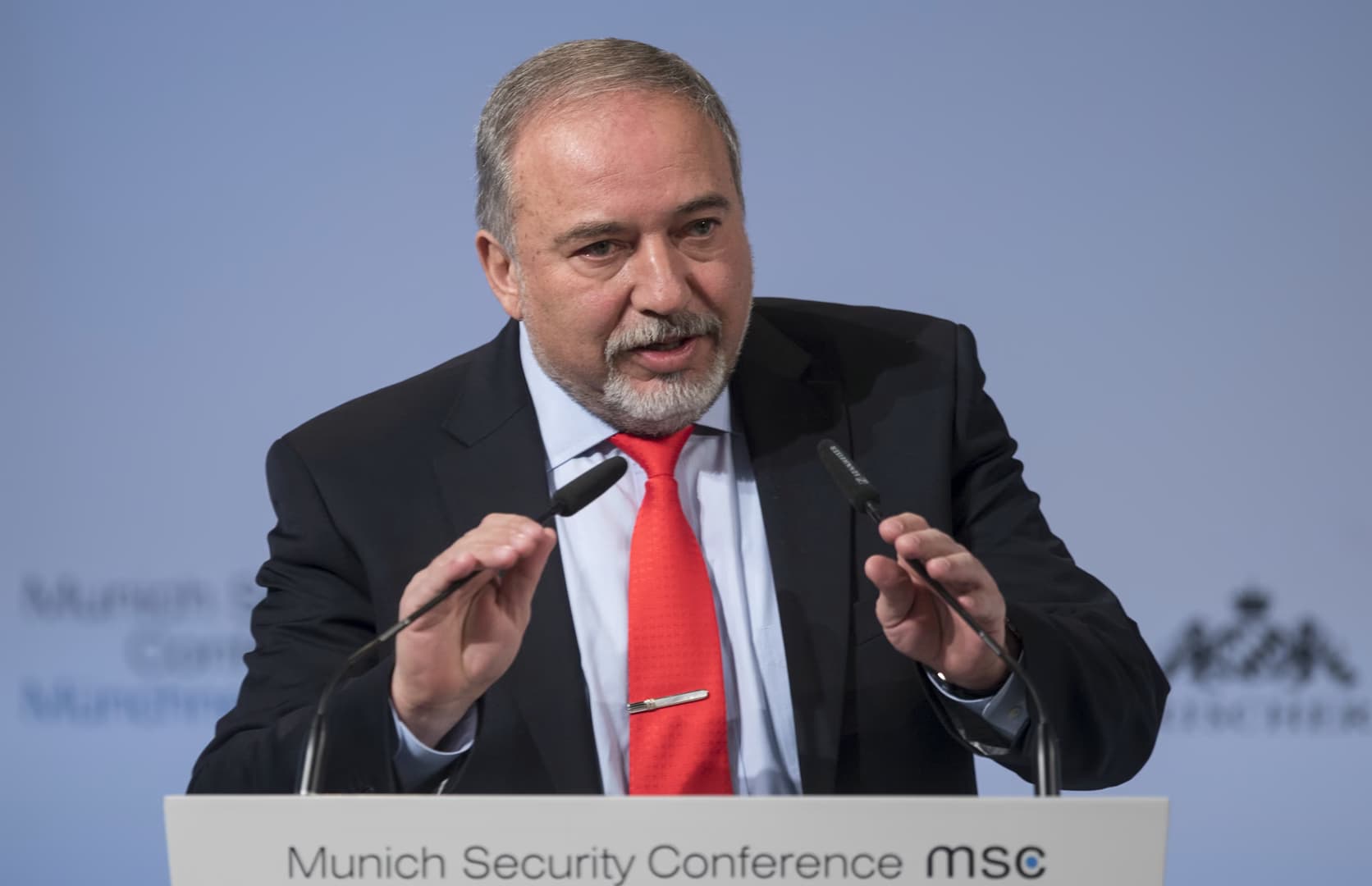
Iran's Foreign Ministry strongly reacted to the joint declaration issued by the United States and the Gulf Cooperation Council (GCC). The ministry described the positions in the statement as 'interventionist, irresponsible and provocative' and warned against the continuation of such policies in the region.
The ministry assessed Washington's claim of 'continued commitment to the security of GCC member states' as 'nothing but rhetoric and distortion of reality.' It emphasized that the US military presence in the region has become a burden and a source of insecurity and division for the region's peoples.
Reaction to Use of Military Bases
Iran stated that the use of US bases and military facilities in regional countries for attack operations against it between February 28 and April 8, 2026, shows that Washington does not value regional security or bilateral relations. The Tehran administration called on regional states whose territories and facilities were used by US-Israeli aggressors in the recent 'imposed war' to reconsider their positions.
The Foreign Ministry reminded that under international law and the principle of good neighborliness, GCC members have a 'clear obligation' to prevent a third party from using their territories or facilities for unlawful acts, including military aggression against Iran.
Nuclear Program and Proxy Debate
The ministry expressed disgust at the repetition of 'a big lie fabricated by the genocidal Zionist regime and the US' regarding Iran's peaceful nuclear program. It called on GCC states to advance a nuclear-weapon-free West Asia initiative and force the US to stop obstructing it, rather than aligning with Washington's 'threat narrative.'
Expressing regret over the labeling of the Palestinian and Lebanese resistance as 'Iranian proxies,' Iran emphasized that the only proxy presence in the region is the Zionist regime. It stated that the struggle of the Palestinian and Lebanese peoples against occupation and the apartheid regime is legitimate and fully in accordance with international law.
Regional Security and the Strait of Hormuz
The statement reminded that the US and the Israeli regime, as well as regional countries that supported the recent attacks, directly contributed to insecurity in the Strait of Hormuz. It noted that the strait lies within the territorial waters of Iran and Oman, and that the provisions of Paragraph 5 of the memorandum of understanding that ended the imposed war form the operational basis for navigation management in the region.
The Foreign Ministry reiterated its call on GCC member states to reconsider their security approaches in light of the recent war, emphasizing that 'collective security can only be achieved through cooperation among regional states and without foreign intervention.'