Iran announced it has suspended retaliation operations against US allies in the Middle East after the United States halted attacks over the past two nights. Iranian army spokesperson Mohammad Akraminia said, “These attacks were continuing until two nights ago, but for the last two nights the Americans have stopped their attacks.” Akraminia added, “Since our strategy is essentially retaliation-based, we too have halted our retaliation operations.”
The calm that followed nearly two weeks of relentless US bombardments has revived hopes for renewed diplomatic efforts between Washington and Tehran. The conflict, however, had begun with clashes in the strategic Strait of Hormuz and later expanded to include attacks on US bases, regional maritime shipping and Gulf allies.
US media reported that the pause may also reflect pressure on stocks of Patriot interceptors and other defense weapons. CNN, citing an unnamed Pentagon source, said US operations against Iran had been “suspended.” The development came just after US President Donald Trump threatened on Friday to strike at a much higher level.
The New York Times, citing two people familiar with the matter, wrote that plans to escalate the operation were shelved partly due to dwindling ammunition stocks. According to the newspaper, Trump also faces the risk of a broader Middle East war, the alienation of vulnerable Gulf allies and new shocks to the global economy.
According to CNN’s report, Vice President JD Vance and top US general Dan Caine voiced concerns about escalation during a Friday meeting at the White House. Caine warned Trump that while the military could successfully carry out current options, it might face serious consequences.
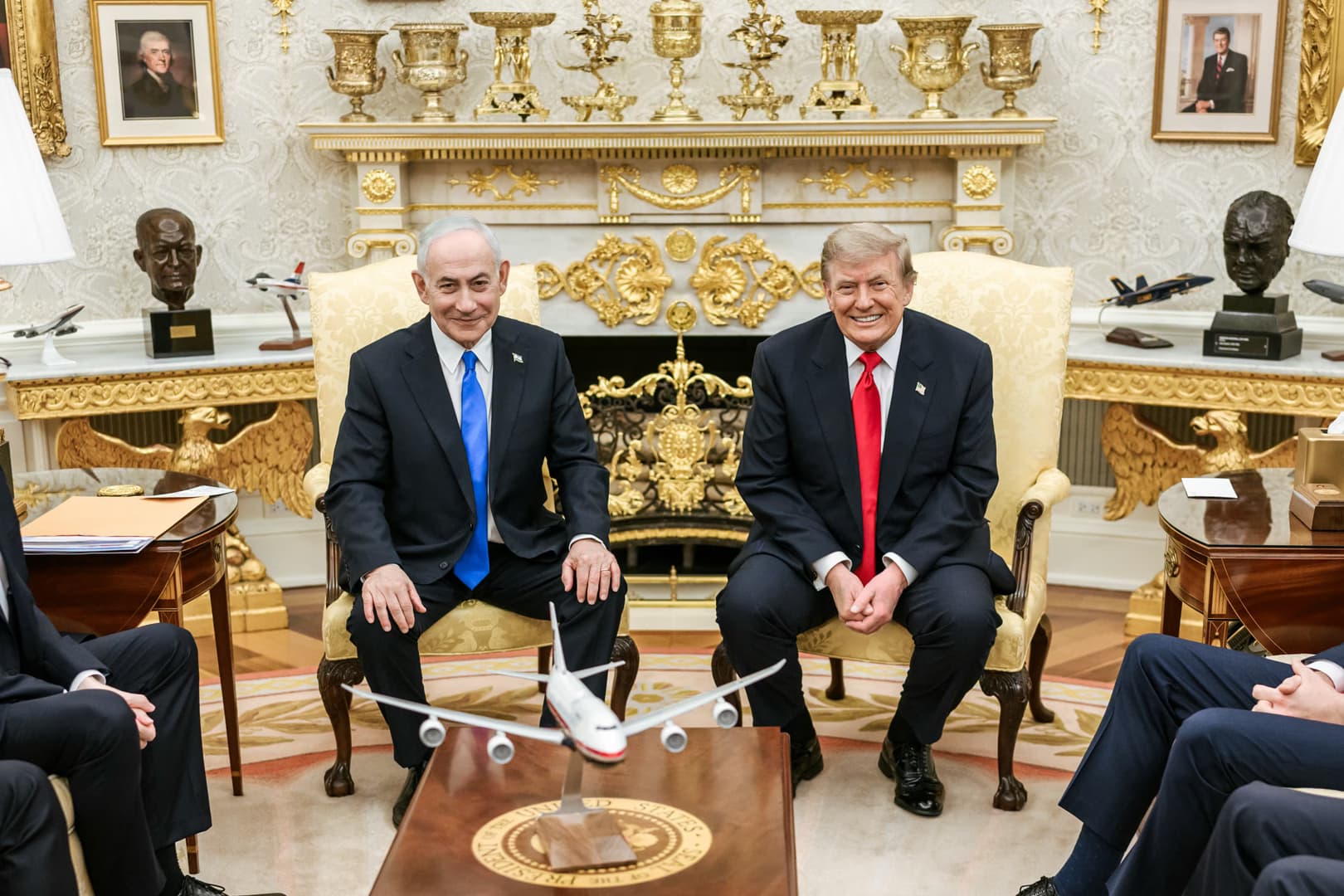
Iran’s military, however, warned on Sunday that the war would widen further if the US resumed its attacks ahead of Israeli Prime Minister Benjamin Netanyahu’s visit to Washington on Tuesday.
Trump told reporters on Friday that he had not yet decided whether to turn the campaign into a full-scale operation. “We’re talking to them right now. I think they are getting more and more serious,” Trump said, adding that Iran had to choose between a deal and “a much higher level” of attack.
As the war, which Trump once predicted would last four or five weeks, approaches its fifth month, it puts pressure on the Republican president’s approval ratings ahead of crucial midterm elections in November.
Axios reported that the Pentagon presented Trump with a plan envisioning strikes for a 14th night, but the president did not approve it, citing a desire to focus on diplomatic efforts.
New front opens in Yemen
Meanwhile, the conflict has spilled onto a new front. Iran-backed Houthis announced on Sunday that they shot down a Saudi drone in northwestern Yemen. The announcement came a day after the Yemeni group said it had attacked oil facilities in Saudi Arabia.
On Saturday, the Houthis claimed they struck Saudi Aramco facilities in Jizan and Yanbu in response to Riyadh’s Friday bombardment of Houthi targets. The Greek air force media office reported that a ground-to-air battery operated by Greek personnel in Saudi Arabia downed two ballistic missiles and a drone over Yanbu.
Iranian Foreign Minister Abbas Araghchi said Iran could not be held responsible for the escalation and offered to mediate between the Houthis and Riyadh, stating, “There is no military solution.”
Iranian state television reported that on Sunday, Iranian armed forces stopped six vessels attempting to transit the Strait of Hormuz in the past 24 hours after warnings. Tehran’s effective blockade of the waterway remains at the heart of tensions with Washington.
Iran announced progress with neighboring Oman on “joint principles and operational mechanisms” regarding maritime shipping in the Strait of Hormuz. In June, Oman and Iran announced they would discuss introducing a service fee; Washington opposed the move, but Muscat infuriated Tehran by saying ships could transit the strait via Omani territorial waters.
Meanwhile, life has returned to normal in the Iranian capital Tehran. An AFP correspondent reported that residents heading to work in the heatwave-hit city faced heavy traffic, while shops and restaurants were open as usual.