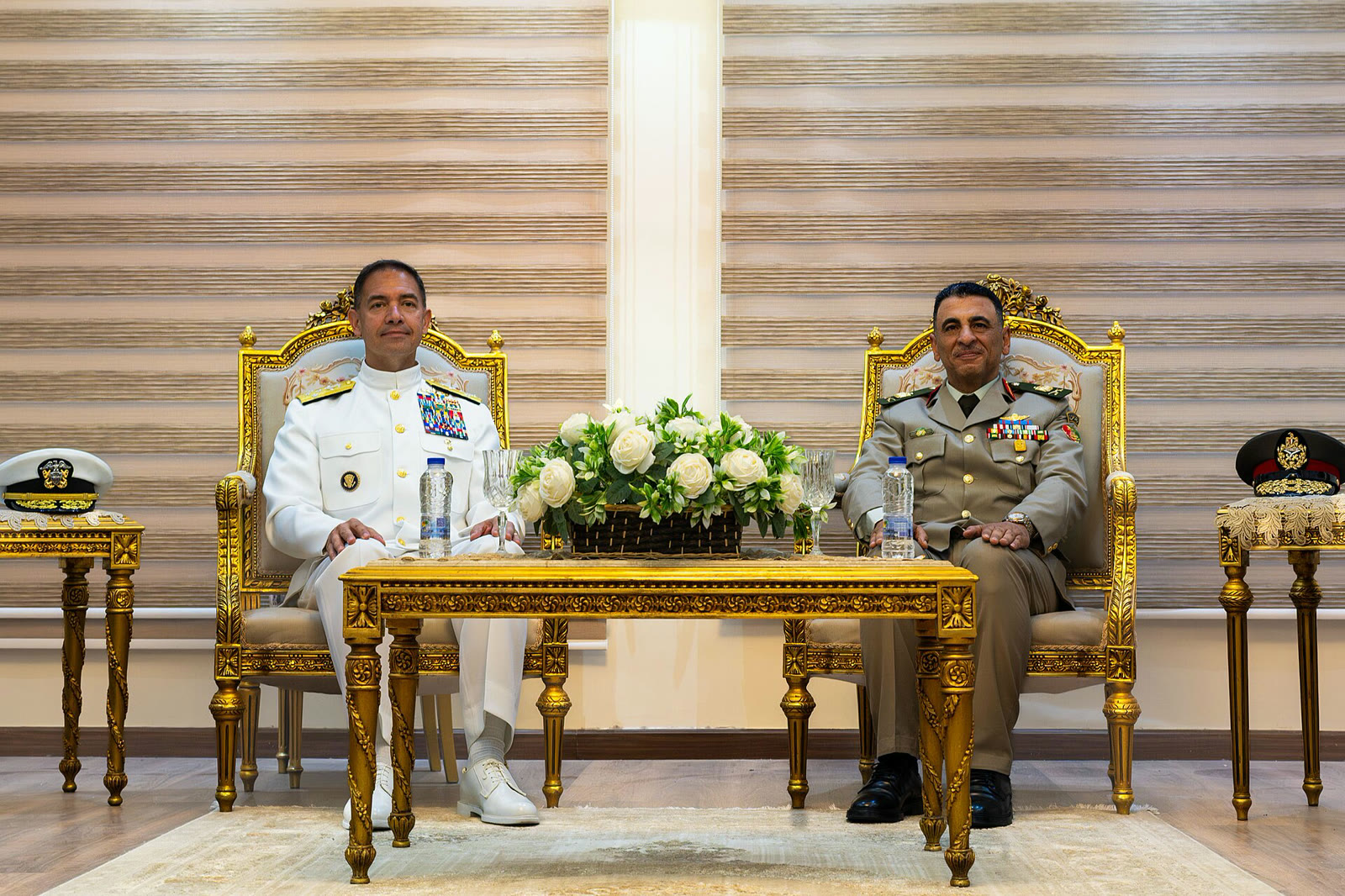
Mohsen Rezaei, secretary of Iran’s Supreme National Security Council, accused CENTCOM Commander Adm. Brad Cooper over oil operations in the Strait of Hormuz. Rezaei alleged that the operations were being conducted with the support of the United Arab Emirates military.
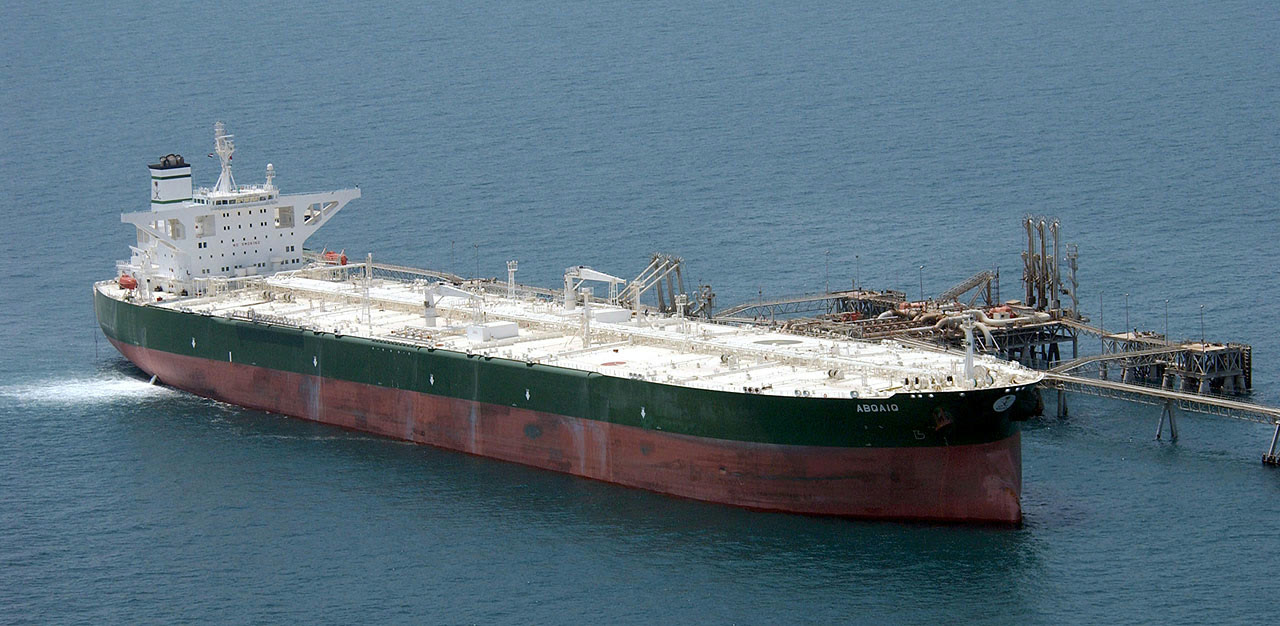
Speaking in an interview over the weekend, Rezaei claimed that five or six small boats were transferring oil to large tankers. The Iranian official said Iranian forces had attacked five or six vessels every night over the past two or three months that were allegedly being used in these operations.
The United States and the United Arab Emirates did not immediately respond to Rezaei’s accusations.
Iran’s position on control of the strait
Rezaei rejected U.S. President Donald Trump’s statement that the Strait of Hormuz was open. Saying that control of the strait would remain with Iran, Rezaei said the position was intended to ensure peace and security in the region.
Rezaei argued that maritime traffic remained well below prewar levels and also accused Washington and its regional allies of using smuggling networks to transport oil by sea.
Warning over U.S.-linked infrastructure
Rezaei warned that Tehran could target U.S.-linked technology infrastructure in the region if the United States attacked Iran again. The Iranian official listed undersea cables, data centers, artificial intelligence facilities and several other sites, claiming that the infrastructure was worth more than $2 trillion.
Rezaei also said Iran was ready to use additional military capabilities if new hostilities began, adding that preparations for such a scenario were continuing.
Agreement on the Strait of Hormuz was not implemented
The United States and Israel began a war against Iran on February 28. Tehran responded with missile and drone attacks across the region and effectively closed the Strait of Hormuz. Washington later imposed a naval blockade on Iranian ports.
The United States and Iran signed a memorandum of understanding on freedom of navigation in the Strait of Hormuz in June. However, implementation of the agreement was suspended because of security disputes over the strategic waterway.