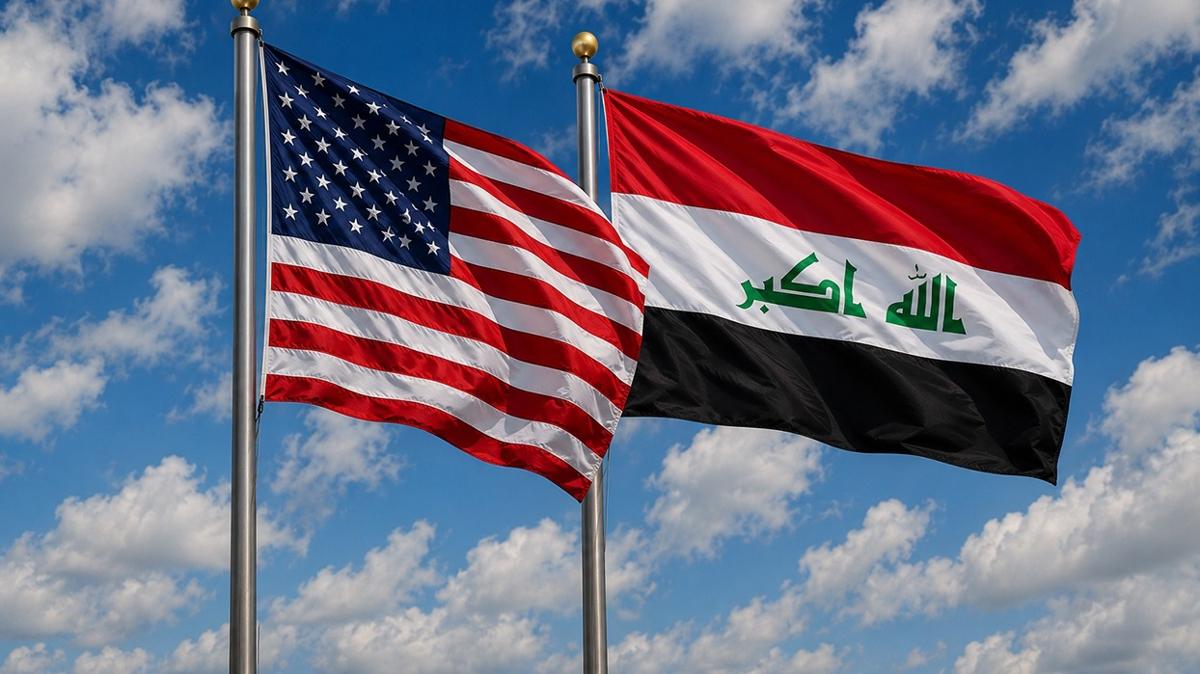
Iraqi Prime Minister Ali al-Zaidi's official visit to the US marked a significant turning point in Baghdad's energy strategy. During the visit, 48 agreements, memorandums of understanding, and cooperation protocols were signed with US companies in the fields of energy, health, and technology.
According to the prime minister's media office, the total value of the agreements exceeds $60 billion. Reuters also confirmed this figure.
Among the signed agreements, the most notable was the cooperation with Chevron for the reconstruction of the Iraq-Syria oil pipeline. The Iraqi state news agency reported that the project will be carried out by the US energy giant Chevron.
The US State Department welcomed the plan to rehabilitate the pipeline. The statement noted that "a US-led international consortium will handle the technical and financial aspects." It emphasized that after rehabilitation, the pipeline will have a capacity of 2 million barrels of crude oil per day and will be "a critical energy corridor linking Iraqi oil production to Mediterranean export markets."
US Ambassador to Ankara Tom Barrack said that Iraq's oil pipeline agreements will pave the way for a program that will "make the Strait of Hormuz a thing of the past."
Baghdad aims to reduce its dependence on the Strait of Hormuz, where oil shipments have been disrupted due to the US-Israeli war on Iran. In line with this strategic goal, reviving the long-dormant pipeline stretching from Iraq's Kirkuk region to the Syrian port of Baniyas on the Mediterranean coast is of great importance.
Chevron's head of corporate business development, Jake Spiering, announced that the company signed two additional agreements with Iraq focused on increasing oil production.
The agreements also envisage cooperation between the oil and electricity ministries and ExxonMobil, KBR, GE Vernova, Shell, and Halliburton. Iraq also signed an agreement with Starlink, the dominant player in the global satellite communications sector, to bring its services to the country.
Speaking at a business summit at the US Chamber of Commerce, Prime Minister Ali al-Zaidi said, "We are implementing an open-door policy. Anyone with a project can come and talk to us. We will not make things difficult for anyone."