- BIST10011,117-0.92%
- USD49.65+0.05%
- EUR55.60-0.19%
- GOLD4,007.90-1.29%
- INTEREST36.00%-1.00
- BITCOIN80,178-1.11%
- October 24, 202614°
- BIST10011,117-0.92%
- USD49.65+0.05%
- EUR55.60-0.19%
- GOLD4,007.90-1.29%
- INTEREST36.00%-1.00
- BITCOIN80,178-1.11%
- October 24, 202614°
Israeli army continues raids and arrests in Hebron
On the second day of its operation in Hebron, southern West Bank, the Israeli army restricted movement in and out of the city and continued house raids and detentions. The Palestinian Prisoners’ Society said approximately 70 people had been detained, some families had been forcibly removed from their homes and dozens of houses had been turned into interrogation centers.


As the Israeli army’s military operation in Hebron, southern West Bank, entered its second day, house raids, searches and detentions continued across the city. Israeli forces closed the city’s entrances and exits and increased their presence in the area with military vehicles and heavy machinery.
Soldiers raided homes in Deir Baha, Jalda Junction and Namra, and surrounded Jalda and Deir Baha. Dozens of Palestinians in these areas were reportedly forced to leave their homes.
Palestinian Prisoners’ Society reports approximately 70 detentions
The Palestinian Prisoners’ Society said approximately 70 Palestinians had been detained during the operation. According to the statement, hundreds of homes were entered, dozens were turned into field interrogation centers and some people were released after questioning.
Those detained included Azzam Salhab, a former member of the Palestinian Legislative Council, and journalist Musab Qafisheh. Most of those released were beaten, had their hands and eyes bound, and were threatened against engaging in political activity, according to the allegations.
The Israeli army described its operation in Hebron as a large-scale military activity. It said Palestinians in the operation area would be allowed to leave through three designated points once searches and interrogations had been completed. The raids were carried out in cooperation with the Shin Bet, border police and the civil administration.
Passages between Hebron and Halhul closed
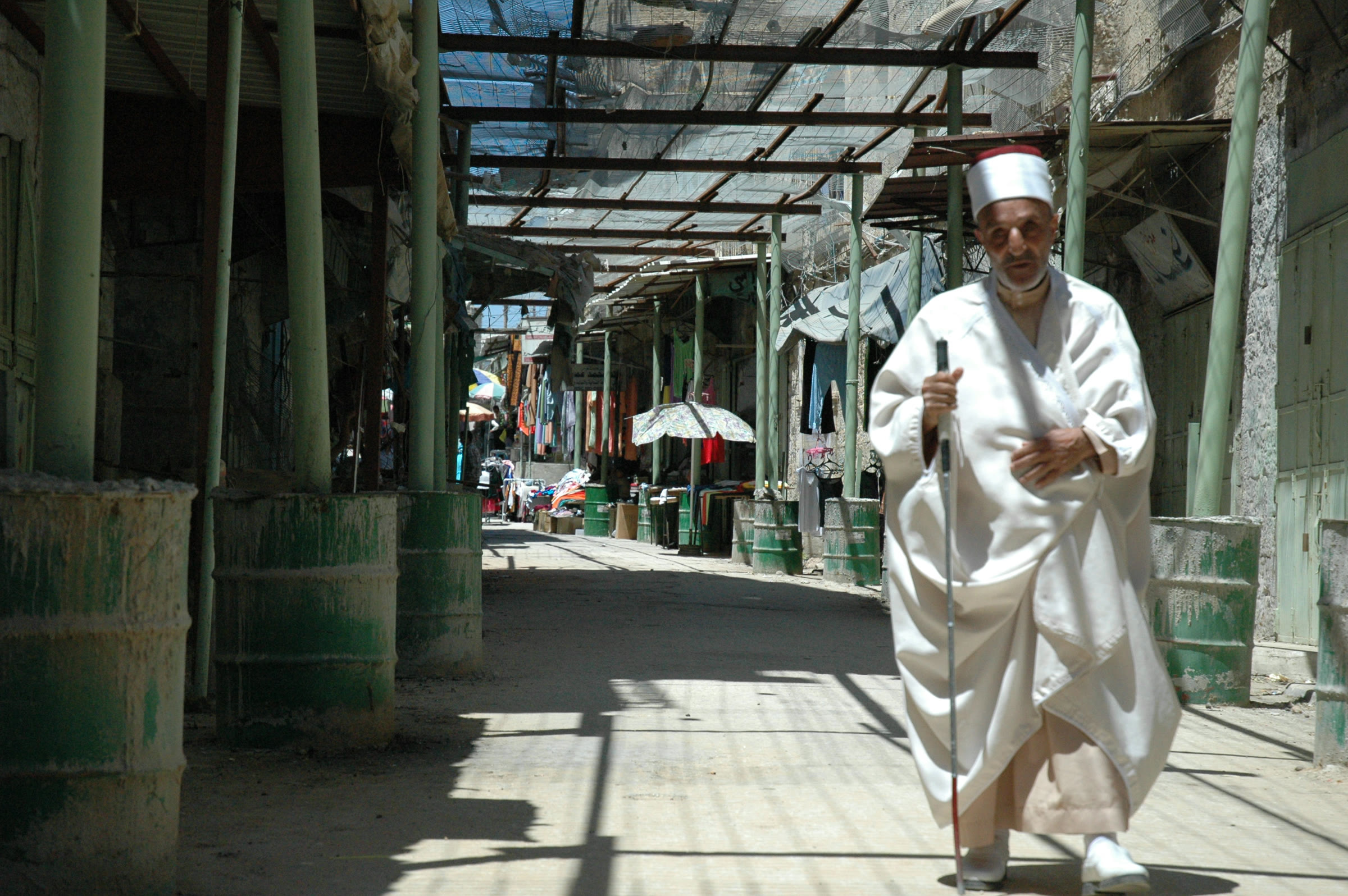
Hebron and Halhul, north of the city, were placed under military cordons, with entry to and exit from the areas prohibited. The restrictions were imposed alongside extensive search operations and house raids.
Approximately 20 Israeli military vehicles entered Hebron and used signal flares. Israeli army and border police forces questioned people alleged to be linked to the incidents during raids in Hebron and nearby villages.
There were also allegations that preparations had been made to demolish some homes. Israeli Chief of Staff Eyal Zamir said the military presence in Hebron would be reinforced, including through the deployment of the 98th Division.
Emergency plan for displaced families
The entrances to Hebron and to villages, towns and refugee camps in the governorate were closed. Hebron Governor Khaled Dudin and Mayor Yousef al-Jabari announced an emergency plan to support families removed from their homes and people stranded at the entrances to towns.
Educational institutions, including universities, were to remain closed. The transport union urged residents not to take to the roads to avoid being exposed to danger at military checkpoints.
Al-Farsh al-Hawa demolition and destruction allegations
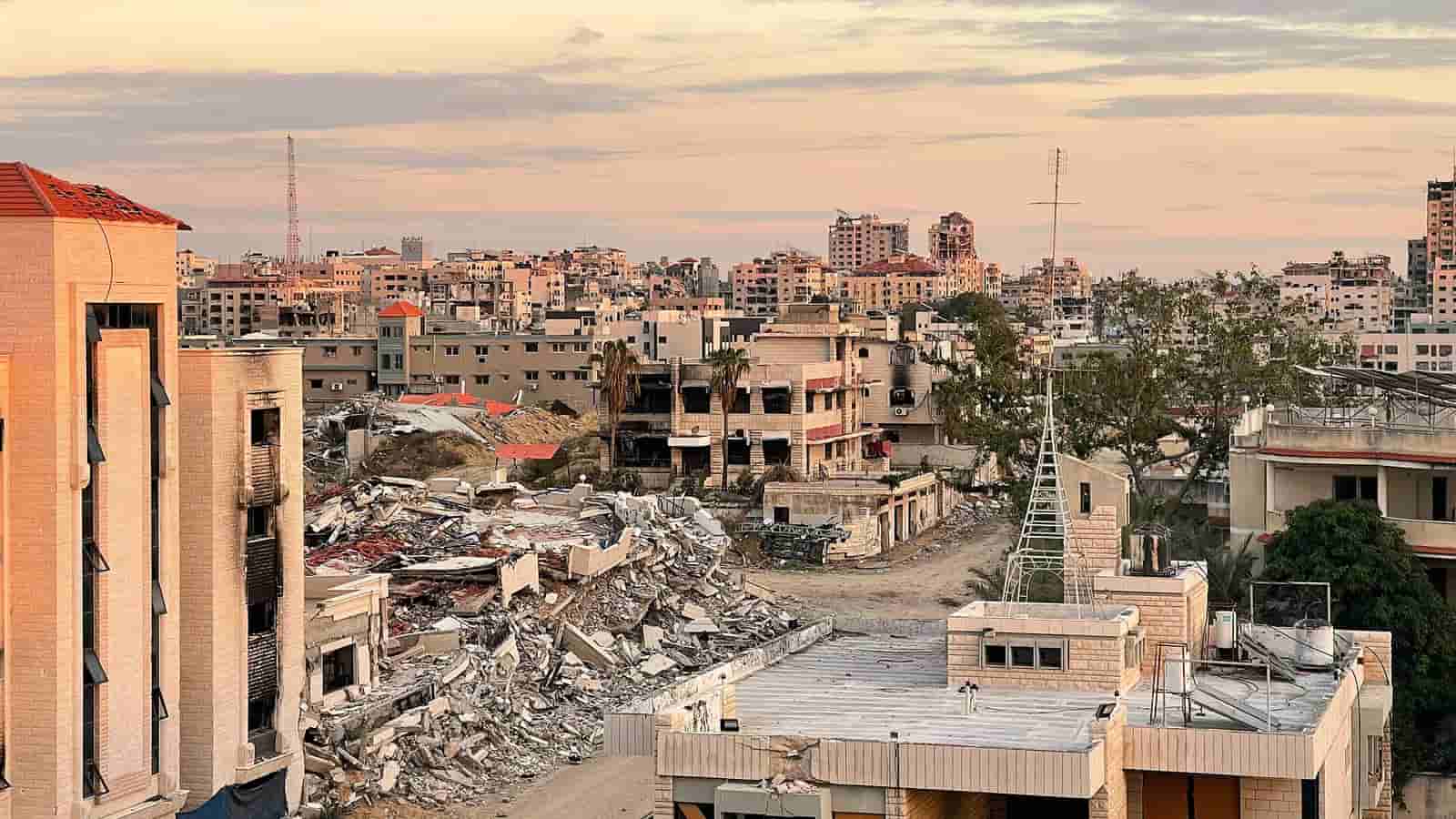
A three-apartment residential building was reportedly demolished in Al-Farsh al-Hawa, west of Hebron. Vehicles and pedestrians were barred from passing through the area, where the main entrance between the city and the bypass road had been closed.
A ceramics company, an auto spare-parts shop and some other businesses at the same location were allegedly demolished or damaged. Approximately seven dunams of land were also allegedly damaged by heavy machinery.
Raids on Beit Ummar and Al-Fawwar refugee camp
Intensive use of tear gas was reported during a raid on the town of Beit Ummar, north of Hebron, affecting large numbers of Palestinians.
Israeli soldiers who entered Al-Fawwar refugee camp, south of Hebron, forcibly closed shops near the camp entrance and restricted residents’ freedom of movement.
Alleged attack on farm workers and ambulance access
Israeli settlers allegedly attacked Palestinians working in prickly pear fields in Khirbet Soba, west of Hebron, injuring some workers. Israeli forces allegedly blocked an ambulance attempting to reach the wounded.
Blockade expanded after clash
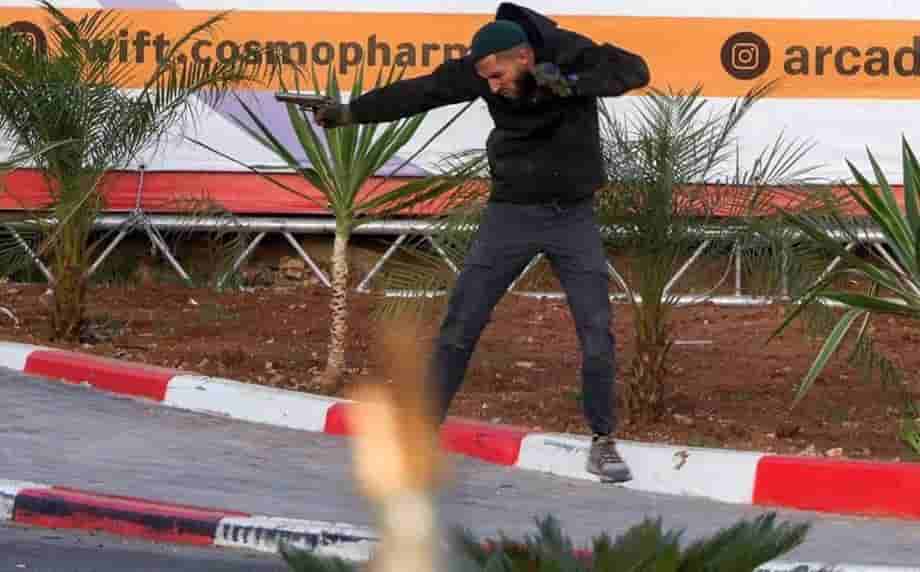
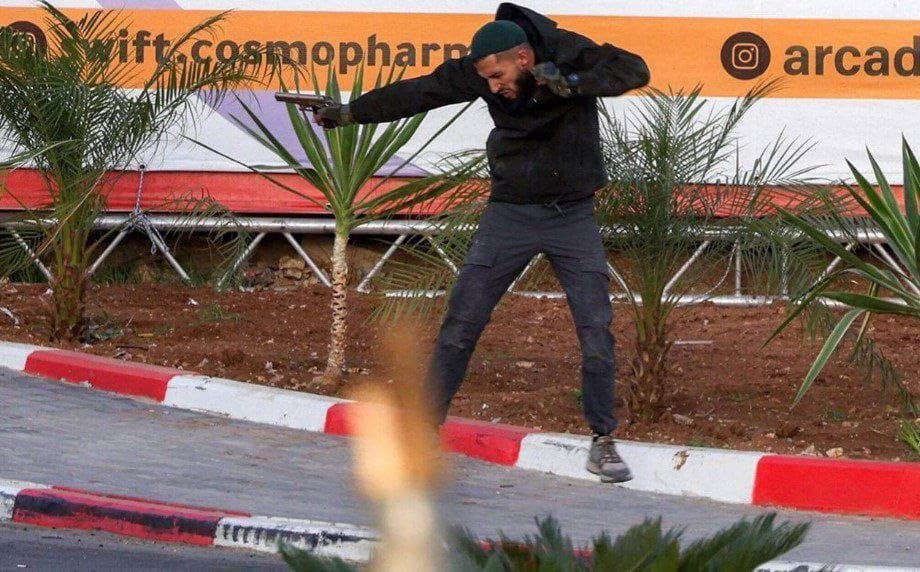
Two Palestinians and two Israeli soldiers were killed in a clash at a checkpoint in Hebron the previous day. Entrances to the city and nearby villages were closed after the clash.
Israeli Prime Minister Benjamin Netanyahu threatened to expel residents of the neighborhood where the Palestinians killed in the clash lived and to demolish their homes. Defense Minister Israel Katz also said neighborhoods where Palestinians alleged to have taken part in the clash lived would be evacuated and demolished.
Netanyahu instructed authorities to close entry to and exit from Hebron, begin preparations for a blockade across the occupied West Bank and take additional security measures.
The Palestinian Prisoners’ Society said more than 26,000 detention cases had been recorded in the West Bank since October 2023. Hamas condemned the raids, forced displacement, demolitions and detentions in Hebron and called for international intervention.
Source: Anadolu Ajansı
Have a story, event or announcement of your own?Send us your news on WhatsApp
Spotted an error in this story?Report it on WhatsApp
Share on all social platforms
Sponsored Ads
Featured Listings
Loading featured properties...
Stay Updated with Hilal Times
Subscribe to be informed about special news, developments and announcements. We will keep you informed.
By signing up, you agree to our Privacy Policy