- BIST10011,117-0.92%
- USD49.65+0.05%
- EUR55.60-0.19%
- GOLD4,007.90-1.29%
- INTEREST36.00%-1.00
- BITCOIN80,242-1.03%
- October 24, 202614°
- BIST10011,117-0.92%
- USD49.65+0.05%
- EUR55.60-0.19%
- GOLD4,007.90-1.29%
- INTEREST36.00%-1.00
- BITCOIN80,242-1.03%
- October 24, 202614°
Jaber says US-Iran rift could drag region back into war
Jaber, executive director of the Middle East Council on Global Affairs, said war could resume if the United States and Iran fail to reach an agreement. He said the Mecca Agreement could expand regional cooperation and that the strategic partnership between the Gulf countries and the United States would continue.


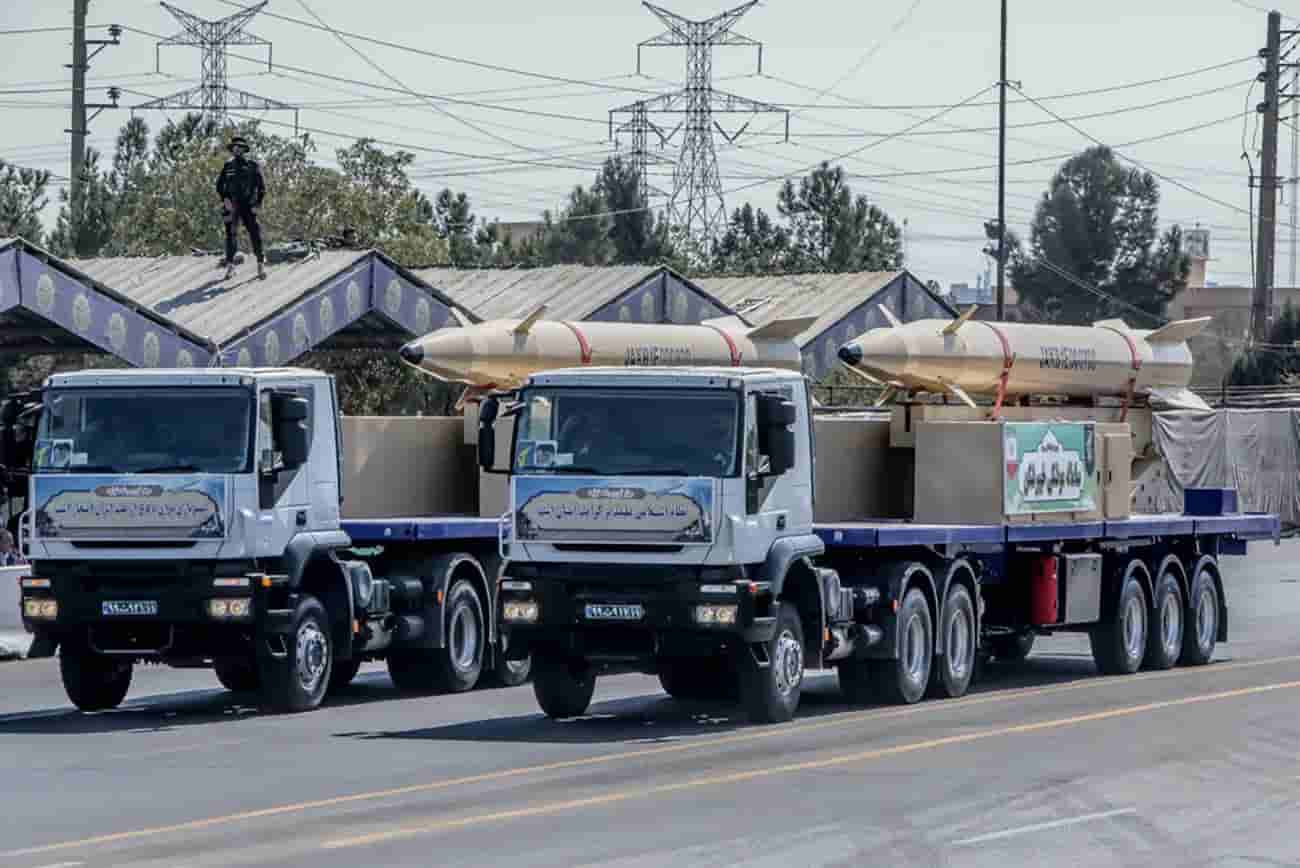
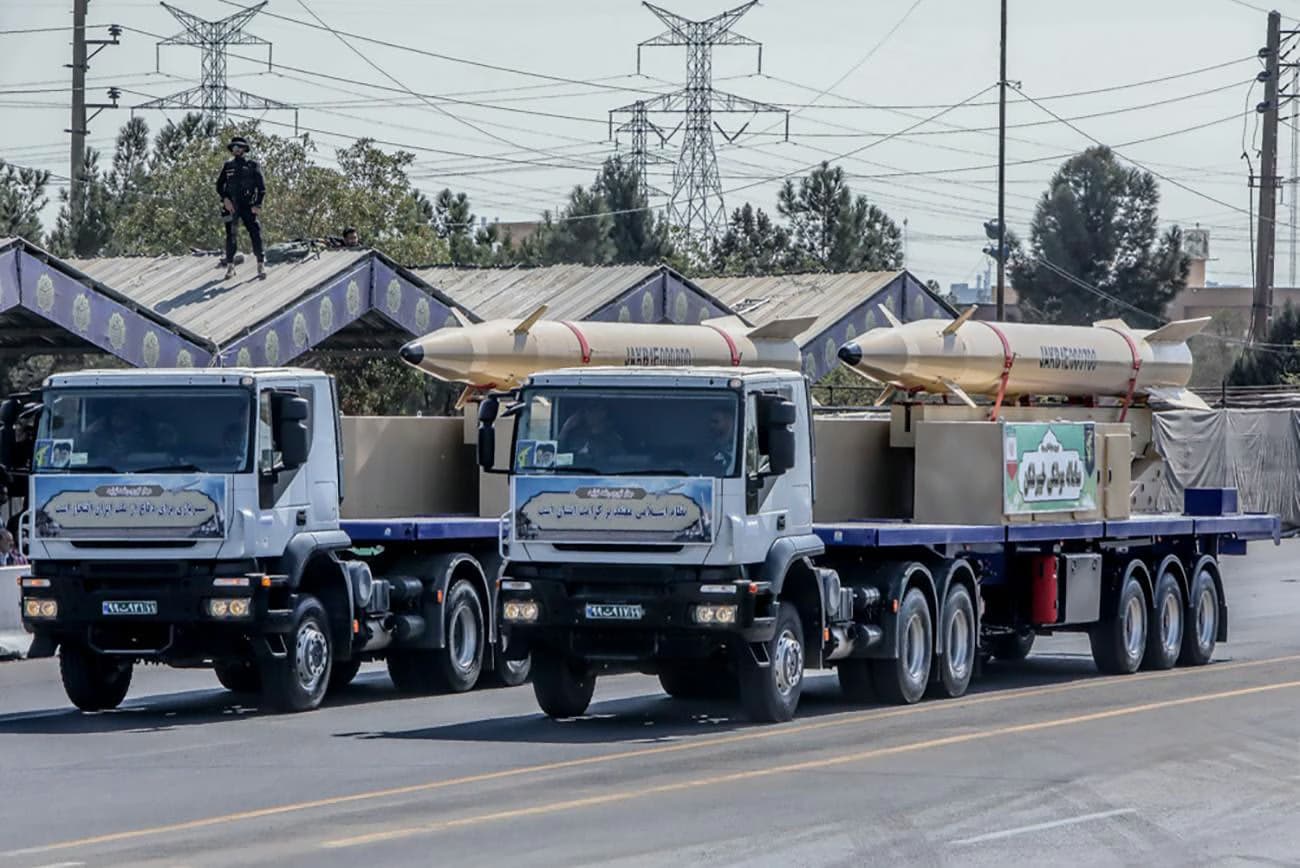
Jaber, executive director of the Middle East Council on Global Affairs, described the current situation between the United States and Iran as neither war nor peace and said clashes could resume if the sides fail to reach an agreement.
Tensions and mediation efforts
Jaber said mediation efforts initiated by Pakistan and later joined by Qatar were progressing with difficulty because the sides insisted on their positions. He said the United States was maintaining the conditions it had put forward and that both sides continued to use their political and military capabilities.
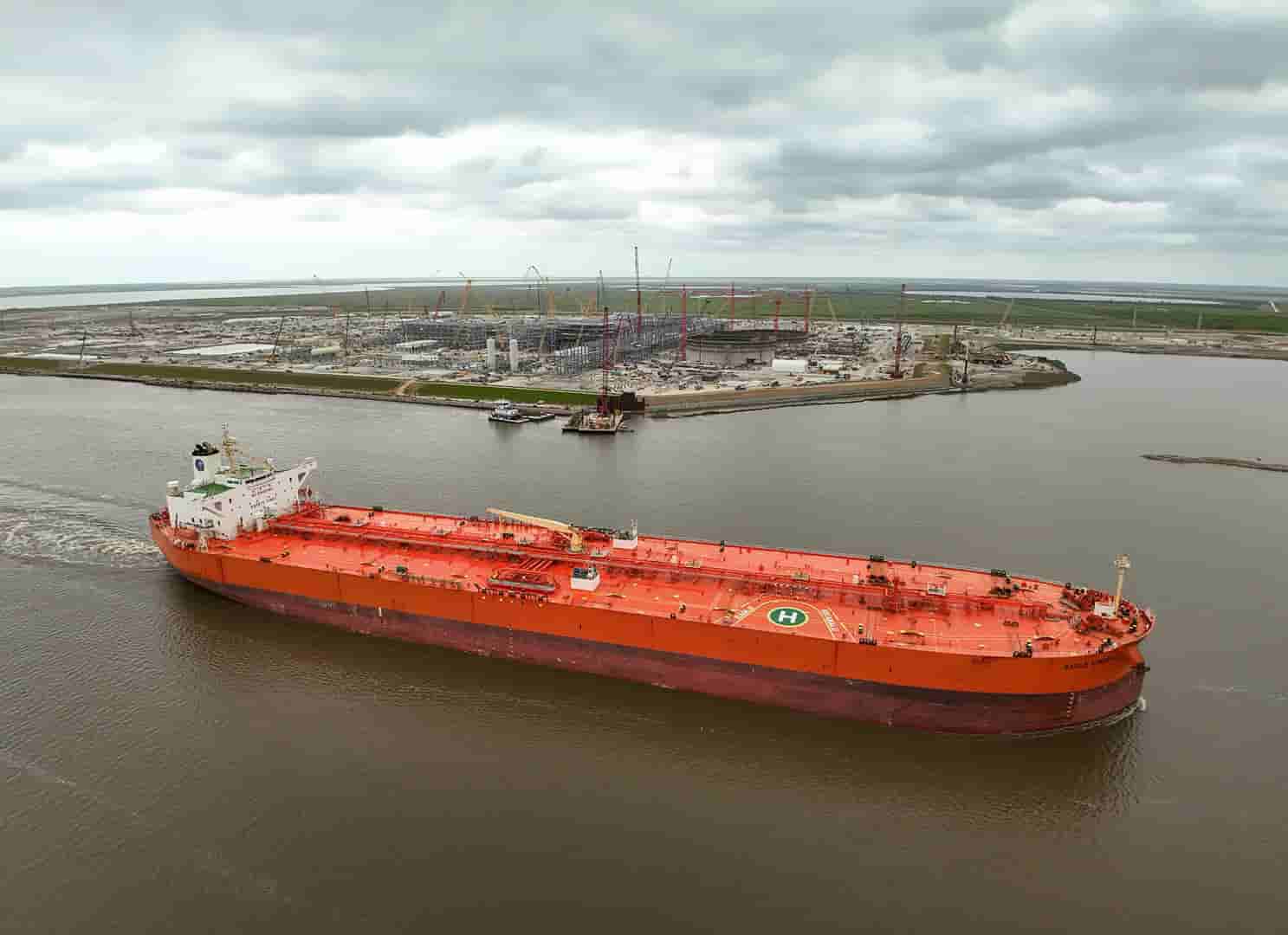
Jaber said Iran’s most important tools were the possibility of closing the Strait of Hormuz and its ability to use militia groups affiliated with it. He argued that the Houthis’ involvement in the process and the blocking of ships passing through the Bab el-Mandeb Strait had further aggravated the crisis.
Jaber said regional actors were being worn down politically, militarily, in terms of security and economically, warning that the crisis could grow further if tensions escalated and other parties joined the conflict. He said the Gulf countries were facing serious difficulties in transporting oil and liquefied natural gas, and that regional tensions were also affecting energy shipments.
Mecca alliance could expand
Jaber described the Mecca Agreement between Türkiye, Saudi Arabia and Pakistan as an important step toward developing a common approach to regional threats. He said Qatar, Bahrain and Kuwait had welcomed the initiative.
Jaber said coordination among the three countries could create a common perspective on security and stability. He said the Mecca Alliance could later expand with the participation of other countries, adding that he believed Qatar could be among the first countries to join the regional structure.
Jaber also welcomed Egypt’s show of solidarity with Saudi Arabia and the Gulf countries, saying that support against threats, particularly those originating from the Iran-backed Houthis, could lay the groundwork for more comprehensive regional cooperation initiatives.
Gulf countries to maintain partnership with US
Responding to a question about whether the recent conflicts had affected the Gulf countries’ confidence in US security guarantees, Jaber said the strategic partnership between Washington and the countries of the region would continue.
Jaber said the relationship had a history of nearly half a century and that the Gulf countries benefited significantly from the defense and security systems provided by the United States. He argued that despite criticism of the way the United States handled the conflicts, it remained the biggest guarantor of regional security compared with China, Russia and other actors.
Jaber argued that although China was among the countries that would be most affected by the closure of the Strait of Hormuz, it had failed to exert decisive influence over stopping the war, and highlighted the importance of diplomatic efforts. He said the United States and Iran needed to acknowledge that resolving the crisis and ending the war was in everyone’s interest.
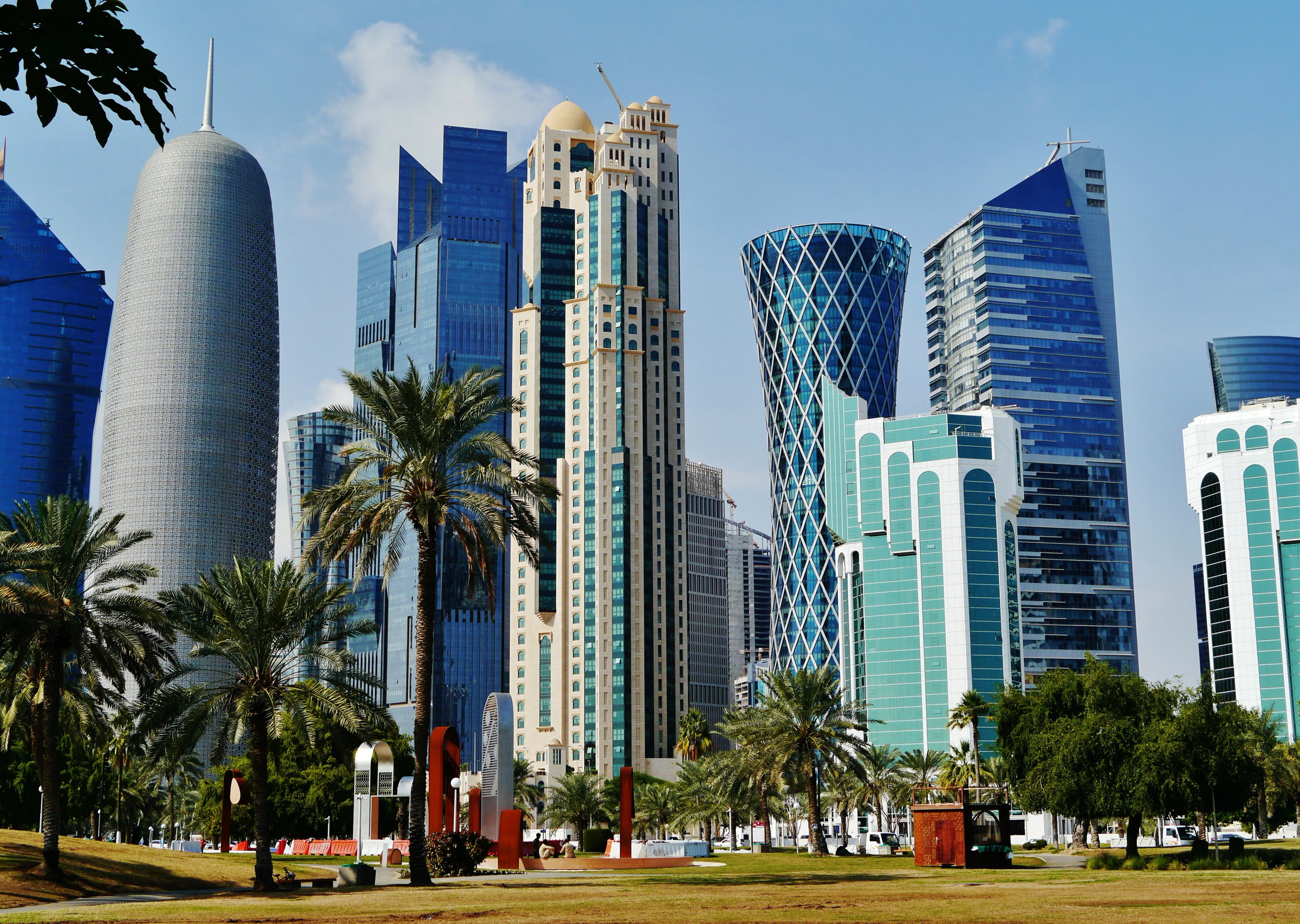
Qatar’s mediation role targeted
Jaber also assessed statements by Israeli officials targeting Qatar, linking the rhetoric to Israel’s electoral agenda. He said the statements targeted Qatar’s mediation role on the Palestinian issue, the war in Gaza and the issue of hostages.
Jaber said Qatar had demonstrated its mediation capacity not only in Gaza but also in other matters, arguing that the statements by Israeli officials were not serious enough to be taken into consideration.
The Qatar-based Middle East Council on Global Affairs conducts research on political, security and socioeconomic developments in the Middle East and North Africa.
Stay Updated with Hilal Times
Subscribe to be informed about special news, developments and announcements. We will keep you informed.
By signing up, you agree to our Privacy Policy