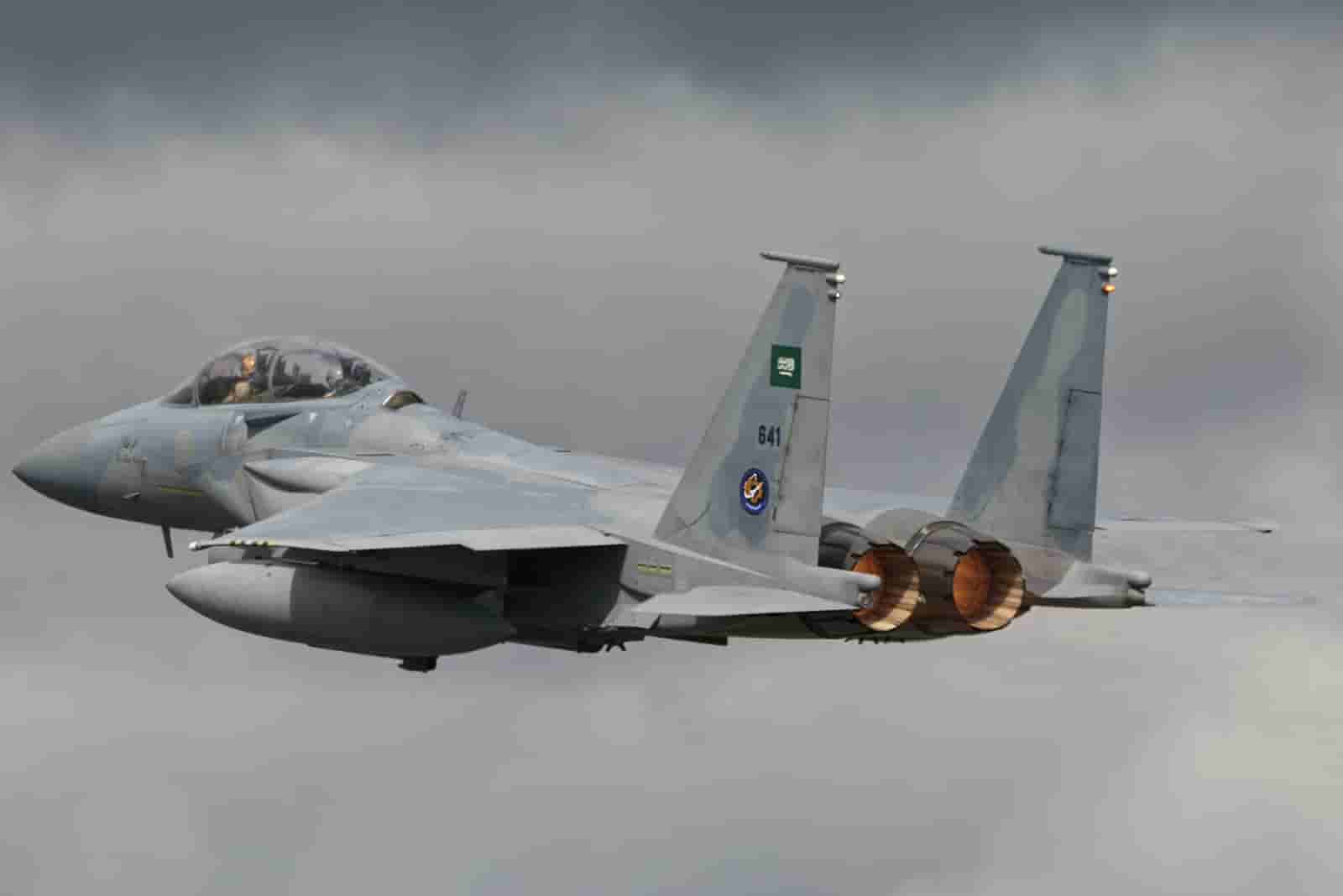
The U.S. State Department updated travel warnings for about 12 Middle Eastern countries, including Saudi Arabia, the United Arab Emirates, Qatar and Oman, amid concerns that the fallout from attacks by Yemen’s Houthi group could spread across the region, Al-Monitor reported.
A U.S. State Department spokesperson, who requested anonymity, said, “These warnings do not indicate that the Houthis have new capabilities,” adding, “We want Americans to have the latest information.”
On Wednesday, the State Department ordered nonessential U.S. Embassy staff and their family members to leave Saudi Arabia in response to recent Houthi attacks, while other U.S. embassies in the region are operating under a “restricted operations” status that allows them to adjust their staffing levels.
Earlier, on October 18, U.S. missions issued security alerts covering Saudi Arabia, Qatar, the UAE, Kuwait, Bahrain, Oman, Jordan, Iran, Iraq, Lebanon, Yemen and Israel. The alerts warned that flights could be canceled and airspace closed, and urged people to reconsider nonessential travel.

Houthi escalation against Saudi Arabia
After nearly four years of relative calm, the Houthis announced last July that they were imposing a naval blockade on Saudi Arabia, then expanded their attacks to include the kingdom’s aviation and energy facilities. An attack on King Khalid International Airport in Riyadh on October 10 killed at least 12 people, including a U.S. citizen.
In September, the Houthis took control of parts of Yemen’s Red Sea coast and besieged the city of Taiz, preventing U.N. aid workers from reaching around 800,000 people. Saudi Arabia is providing air support to Yemen’s internationally recognized government in its counteroffensive, while Washington is providing limited support to the Saudi-led coalition, including intelligence to identify targets and aerial refueling for aircraft.
Concerns about Iran
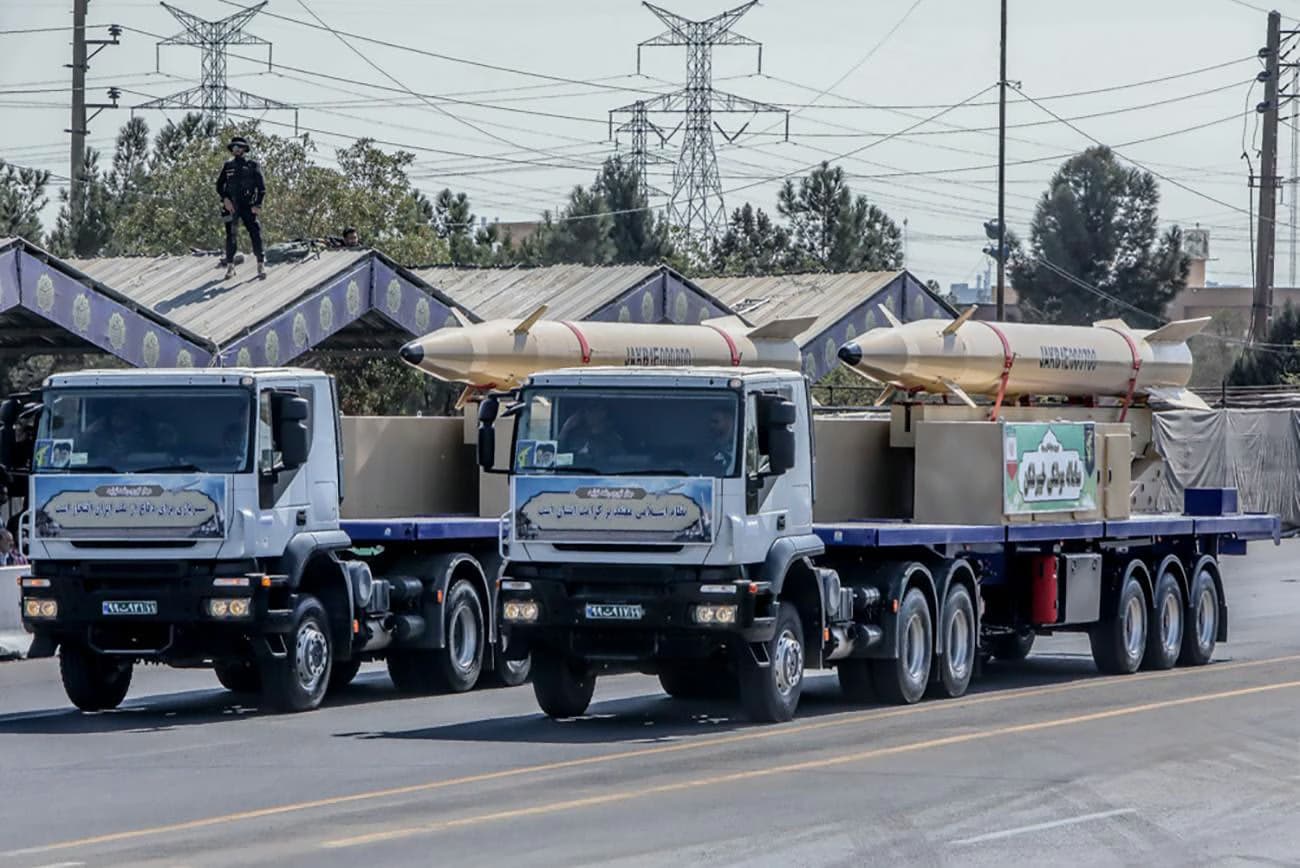
The move follows an October 23 memorandum from U.S. Director of National Intelligence Jay Clayton to Secretary of State Marco Rubio, stating that Iran had “significantly increased” efforts to target U.S. officials in the Middle East and that deadly plots had reached “advanced stages,” according to Al-Monitor.
Reports indicate that President Donald Trump’s administration is considering resuming extensive military operations against Iran after the U.S. midterm elections scheduled for November 3.