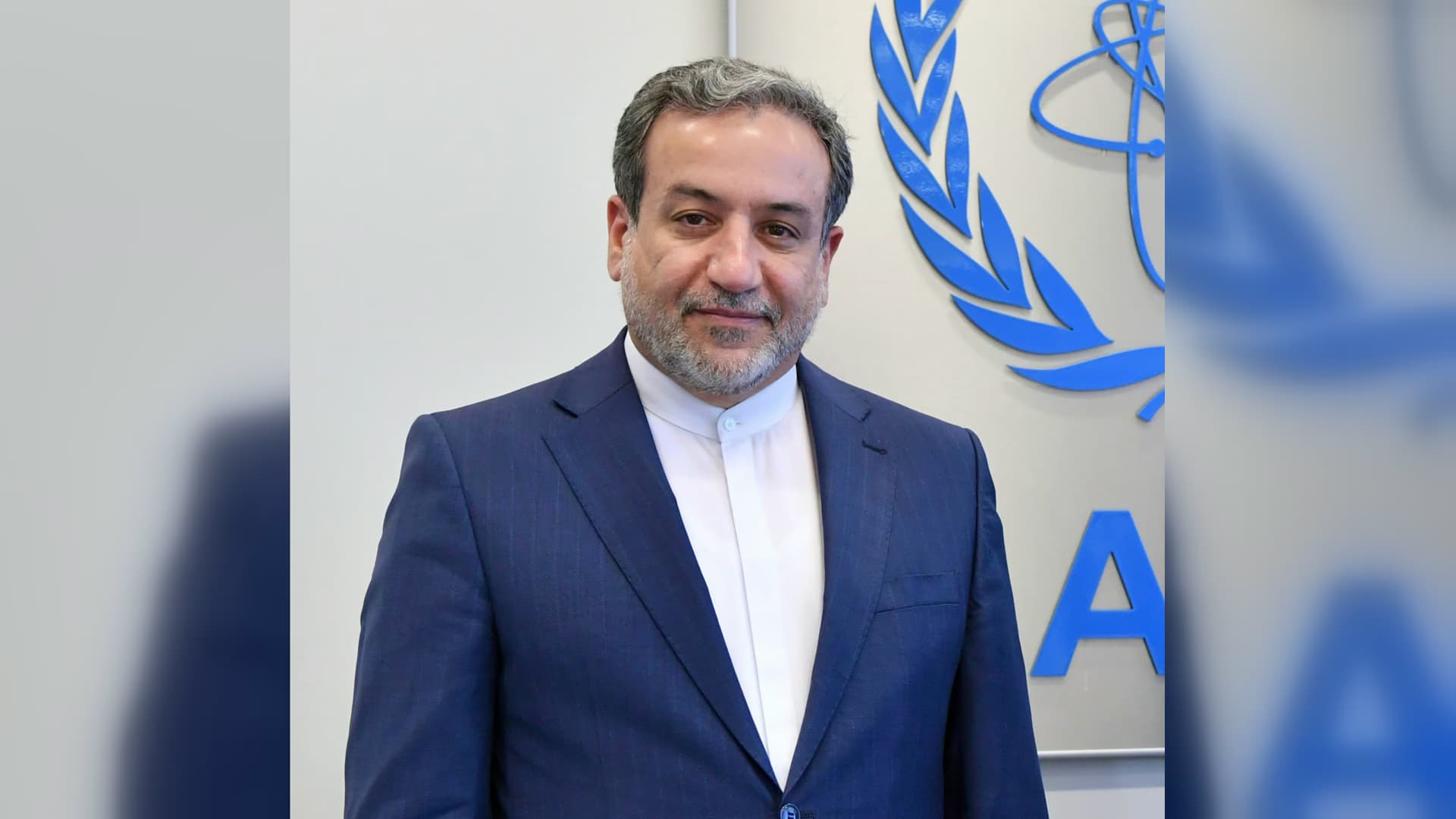
Israeli lawmaker Ofer Cassif said they aim to replace the Netanyahu government in the elections scheduled for October 27. Calling for an end to policies in Gaza and the West Bank, Cassif argued that the Joint List could achieve a significant success if the elections are held fairly.
Call concerning Gaza and the West Bank
Cassif said the world should focus more closely on developments in Gaza, the West Bank and the region. He called for an end to attacks in Gaza, a halt to practices aimed at displacing Palestinians in the West Bank and a change in the Israeli government’s policies.
Claiming that Palestinians in the West Bank face attacks by settlers and soldiers while traveling to their fields for the olive harvest, Cassif said these practices must end immediately. Cassif called on the international community to take action over developments in Gaza and the West Bank.
Claim of a new conflict and postponed elections
Cassif claimed that the government was doing everything it could to postpone or cancel the elections. Saying that Netanyahu had made statements about possible attacks abroad before the elections, Cassif said the opposition viewed these statements as election propaganda.
The Israeli lawmaker claimed that the government could use a new conflict in the West Bank, Lebanon, Syria, Iraq or Iran as a pretext to postpone the elections or secure an electoral victory. Cassif said such a development must be prevented.

The Joint List and the judicial dispute
Cassif described the Supreme Court’s annulment of the Central Elections Committee’s decision barring the Joint List from participating in the elections as a requirement of the right to be elected and to vote, rather than a privilege.
Cassif also categorically rejected preventing Sami Abu Shehadeh, head of the National Democratic Assembly, from participating in the elections. He said Abu Shehadeh had been accused of supporting armed struggle and rejecting the state’s identity, and argued that the decision had no legal basis.
Claiming that the Supreme Court had been influenced by government pressure, Cassif alleged that some judges were close to the fascist wing of the political spectrum. The Central Elections Committee had previously disqualified the candidacies of the Joint List and the United Arab List, while the Supreme Court had overturned that decision.
The decisive role of Palestinian voters
Cassif said attempts to block the candidacies had mobilized public opinion and that he believed Palestinian citizens and democratic Jews in Israel would turn out in greater numbers in these elections.
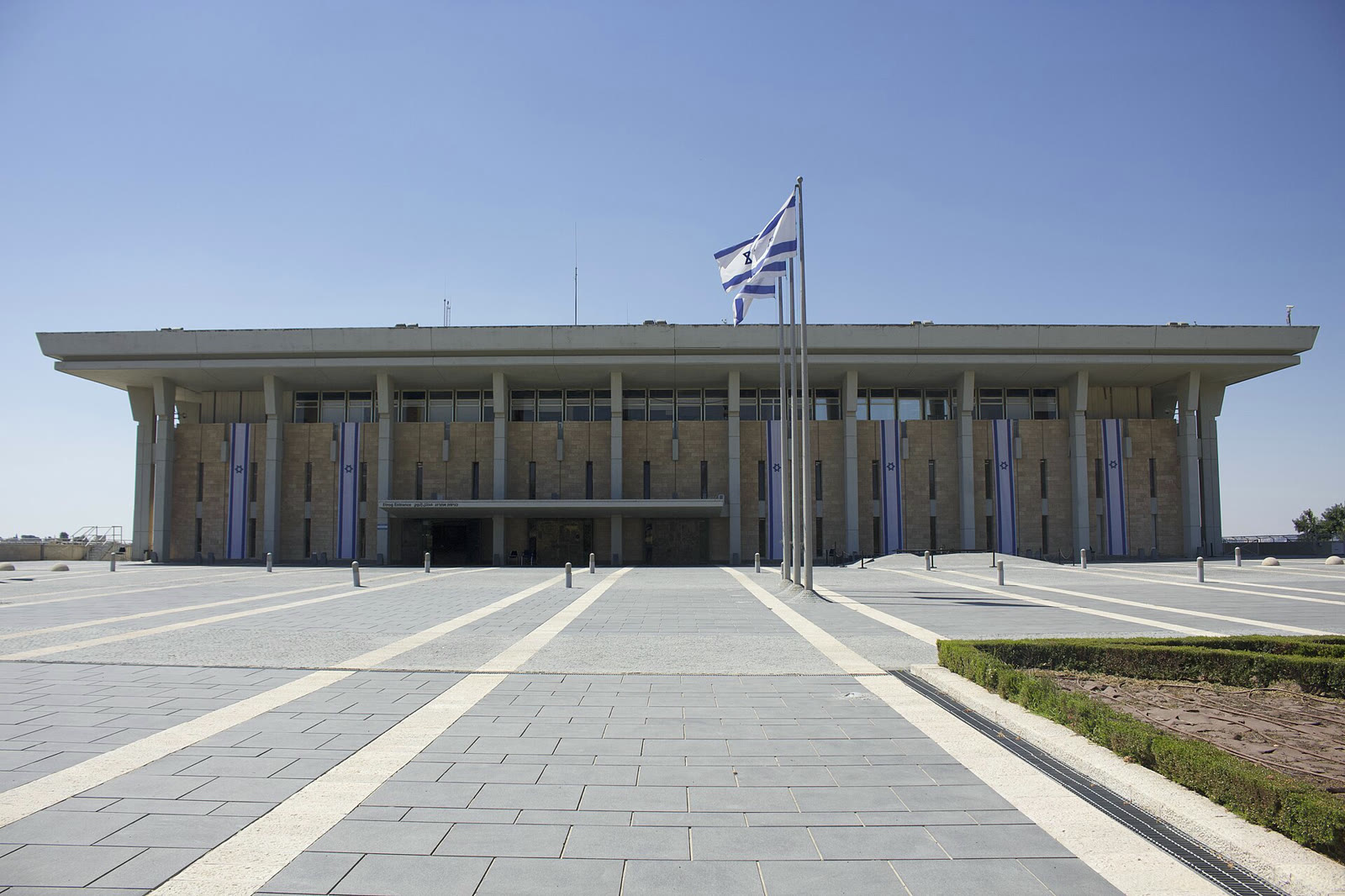
Cassif said Palestinian lawmakers in Israel were expected to win 12 to 14 seats in the 120-seat parliament, adding that high turnout among Palestinian voters could reduce the chances of small right-wing parties winning seats. Cassif said this could also affect Netanyahu’s chances of forming a government.
Cassif argued that approximately half of the population under Israeli rule, referring to Palestinians living in the West Bank, did not have the right to vote or stand for election.
Young voters and government support
Cassif said a significant portion of young Israelis vote for far-right parties, particularly the Jewish Power Party led by Itamar Ben-Gvir. He linked this trend to sustained incitement against Palestinians, the left and those who oppose the government’s pro-war approach.
Cassif said many people believed that bloodshed, incitement and racism between Palestinians and Jews must end, and that efforts must continue to achieve change.
Polls show that the Jewish opposition bloc is ahead of Netanyahu’s alliance but has not reached the 61 seats needed to form a government. The opposition may need support from Palestinian parties to form a government, although a significant portion of opposition leaders do not want that support.
Cassif said the Joint List would support a government formed under the leadership of Gadi Eisenkot only if its policies did not repeat those of the current government. He said they would not support such a government if a plan to annex Area C of the West Bank to Israel and leave Areas A and B to Jordan were implemented.