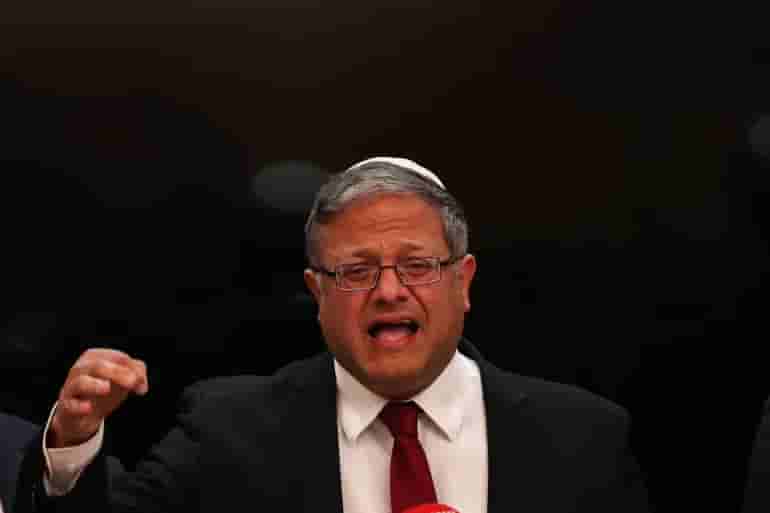
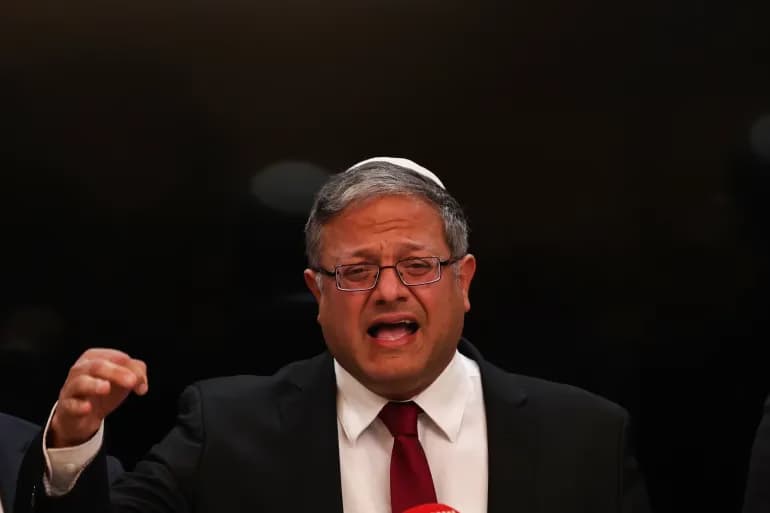
Israeli opposition leader Yair Lapid announced the reforms he plans to implement if a new government is formed, at a time when criticism of the Netanyahu government is increasing.
Lapid's reform plans
In a statement from his account on the X platform, Lapid stated that they would launch a major reform process in the new coalition government they would form with Naftali Bennett. The planned reforms include:
- Drafting Haredi (ultra-Orthodox) Jews into the military
- Restoring security on the streets
- Lowering the cost of living
- Adopting a constitution
- Rebuilding Israel's foreign relations
Lapid said these reforms would only be possible with a government that works for the citizens, referring to the current Netanyahu government.
US contacts with the opposition
Israel's Channel 12 reported that the US administration is in contact with the Israeli opposition and believes there is a major opportunity for the Netanyahu government to change. According to the report, US officials are concerned about extremists in the Netanyahu government and want to build a new popular base before elections.
It was stated that the US administration has established informal contacts with Bennett and Gadi Eizenkot, leader of the 'Yashar' party.
Criticism of Netanyahu
Recently, the Israeli opposition has accused Netanyahu of excluding Israel from talks with Iran and charged him with failure. Some Israeli politicians and commentators argued that the understanding between Washington and Tehran reveals a decline in Israel's ability to influence US decisions.
Metula mayor David Azoulay, on the Lebanese border, also strongly criticized the Netanyahu government, claiming that the government "abandoned northern Israel and surrendered to the US."
Last Saturday, dozens of Israelis held a demonstration on Gaza Street in Jerusalem to protest the Netanyahu government's policies and hold it responsible for the consequences of the war in the region.
Shadow of the US-Iran agreement
The US and Iran signed a memorandum of understanding on June 18 to end the war that began in February and are currently negotiating a final agreement. Before the memorandum was published, Netanyahu admitted he did not know its details and acknowledged disagreements between him and Trump.