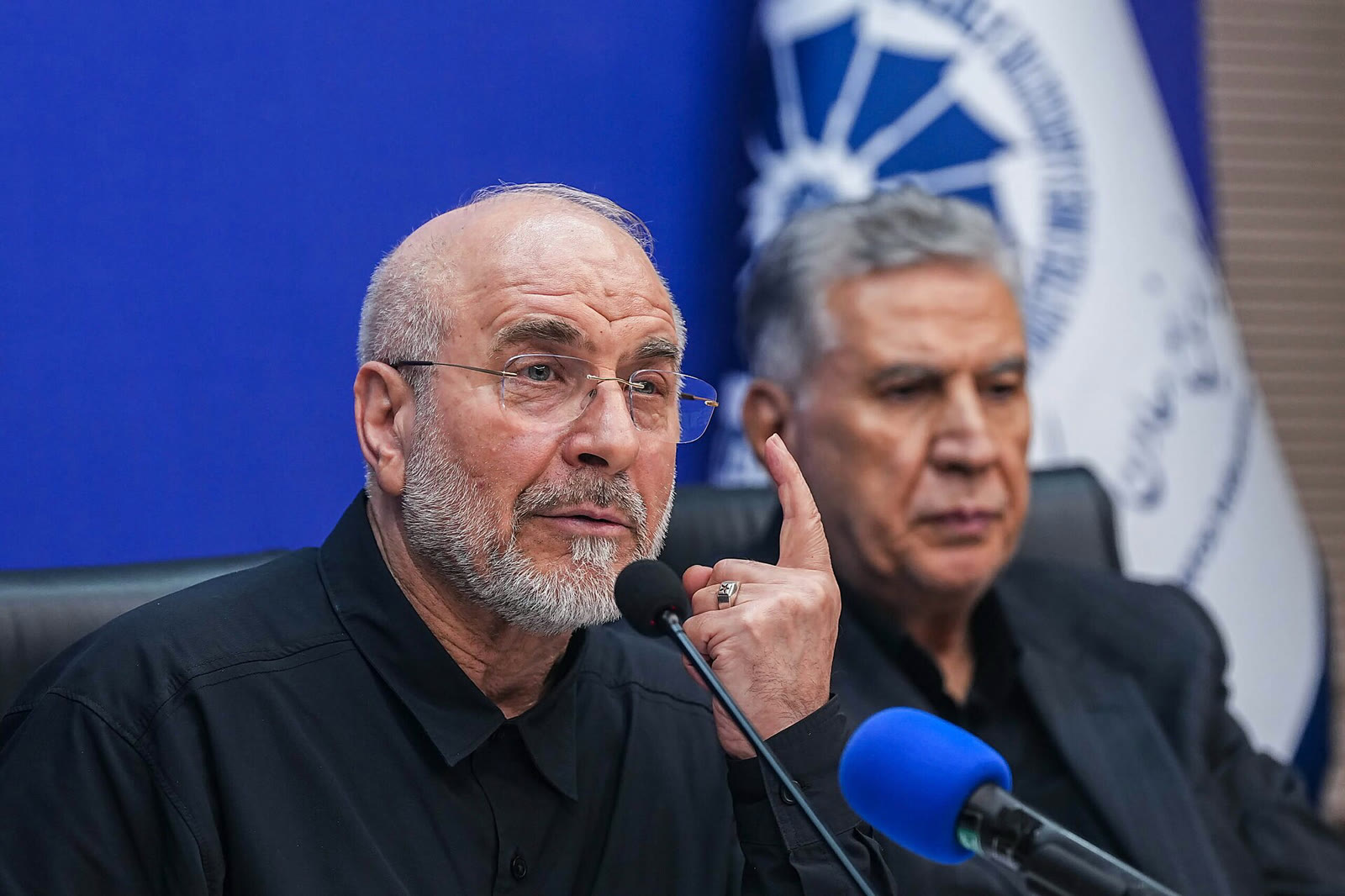
Iranian Parliament Speaker Mohammad Bagher Ghalibaf said in a statement on Tuesday that no country would be able to sell oil in a region where Tehran is prevented from selling its oil. Ghalibaf said the United States and other countries must understand that pressure on Iran’s oil exports would have regional consequences.
Ghalibaf also said that no infrastructure would be safe unless security was guaranteed. The Parliament speaker stressed that Iran would not back down if Washington increased pressure on Tehran and would not retreat in the face of air or commercial blockades.
Conflicting statements on oil exports
The governor of Iran’s central bank said in August that the country’s oil exports had fallen to zero. The governor said this was the result of the war and U.S. sanctions, adding that Tehran was no longer exporting crude oil.
The U.S. military, however, said on September 19 that more than 1 billion barrels of crude oil had passed through the Strait of Hormuz in recent months with U.S. military support. Washington maintains that Iran, under what it calls an “impenetrable blockade,” exported zero barrels of oil.
Conditions and proposals concerning the Strait of Hormuz
Iran is conditioning passage through the Strait of Hormuz on the United States fulfilling its commitments under the agreement signed in June. Tehran says it will not fully reopen the strategic waterway until its demands are met and the United States implements its obligations.
Iran’s proposal calls on the United States to release frozen Iranian assets, lift oil sanctions and end the naval blockade of Iranian ports. Under the proposal, Iran would then reopen the strait and talks would begin on a final agreement.
U.S. President Donald Trump rejected on Saturday Iran’s proposal to reopen the Strait of Hormuz to normal commercial traffic within seven days. Trump described Iran’s conditions as unacceptable and maintained that Washington had “full control” over the waterway.
Iranian Foreign Minister Abbas Araghchi said on Monday that Qatari mediators would convey to the United States new proposals discussed with Tehran on reopening the Strait of Hormuz.
Iran warns of retaliation
Ghalibaf had previously warned that if Washington attacked Iran’s oil and natural gas facilities, U.S. energy infrastructure and assets around the Persian Gulf and the Strait of Hormuz could face Iranian retaliation.
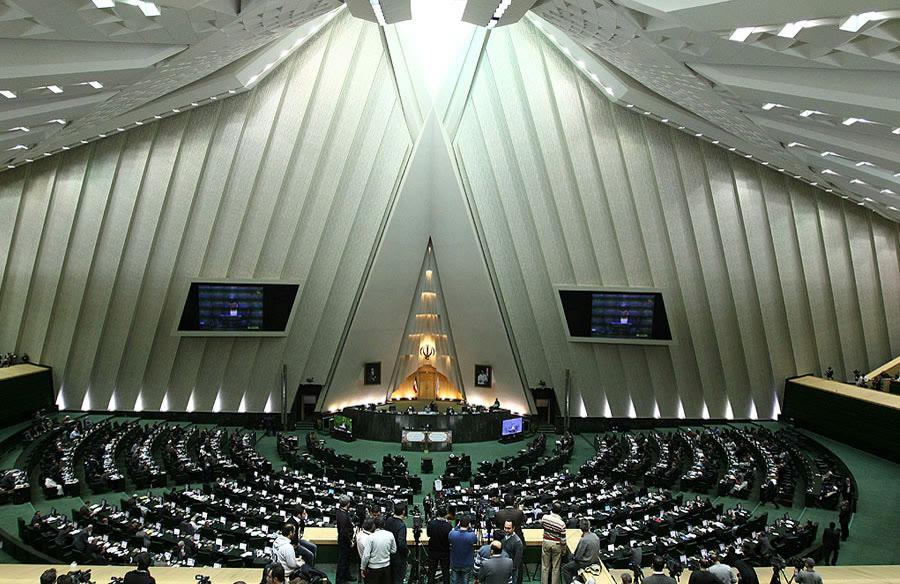
The Iranian Parliament speaker said the response to any threat or adventurism would be “swift and regrettable.”
Course of tensions
After the United States and Israel launched a war against Iran in February, Tehran carried out attacks against Israel and U.S. targets in the region. The parties reached a ceasefire agreement in April.
Washington and Tehran signed an agreement in June on freedom of navigation in the Strait of Hormuz. However, disagreements over security arrangements in the strategic waterway disrupted implementation, and tensions between the two sides continued.