Lebanon faced heavy loss of life, widespread destruction and economic contraction after the conflict that began on October 8, 2023, and expanded again in 2026. Prime Minister Nawaf Salam said the 2023 and 2026 wars could cost the country more than $27 billion.
8,953 people killed in the conflicts
According to figures from Lebanon’s Ministry of Health dated September 25, 8,953 people have been killed and 30,649 injured since October 8, 2023. The figures include 4,386 deaths and 12,413 injuries from the clashes that followed March 2, 2026.
The conflict began after the war in Gaza, with attacks launched by Hezbollah on October 8, 2023, which the group said were intended to support Gaza. The exchanges of fire between the Israeli army and Hezbollah escalated into Israel’s wide-ranging attacks on Lebanon in September 2024.
A ceasefire was reached on November 27, 2024, 66 days after the start of the wide-ranging attacks. However, ceasefire violations continued because of assassinations and direct attacks. The conflict expanded again on March 2, 2026, after the war launched by the United States and Israel against Iran. Hezbollah sent missiles toward military targets in Israel in response to the killing of Ali Khamenei.
Hundreds of thousands of homes and farmland damaged
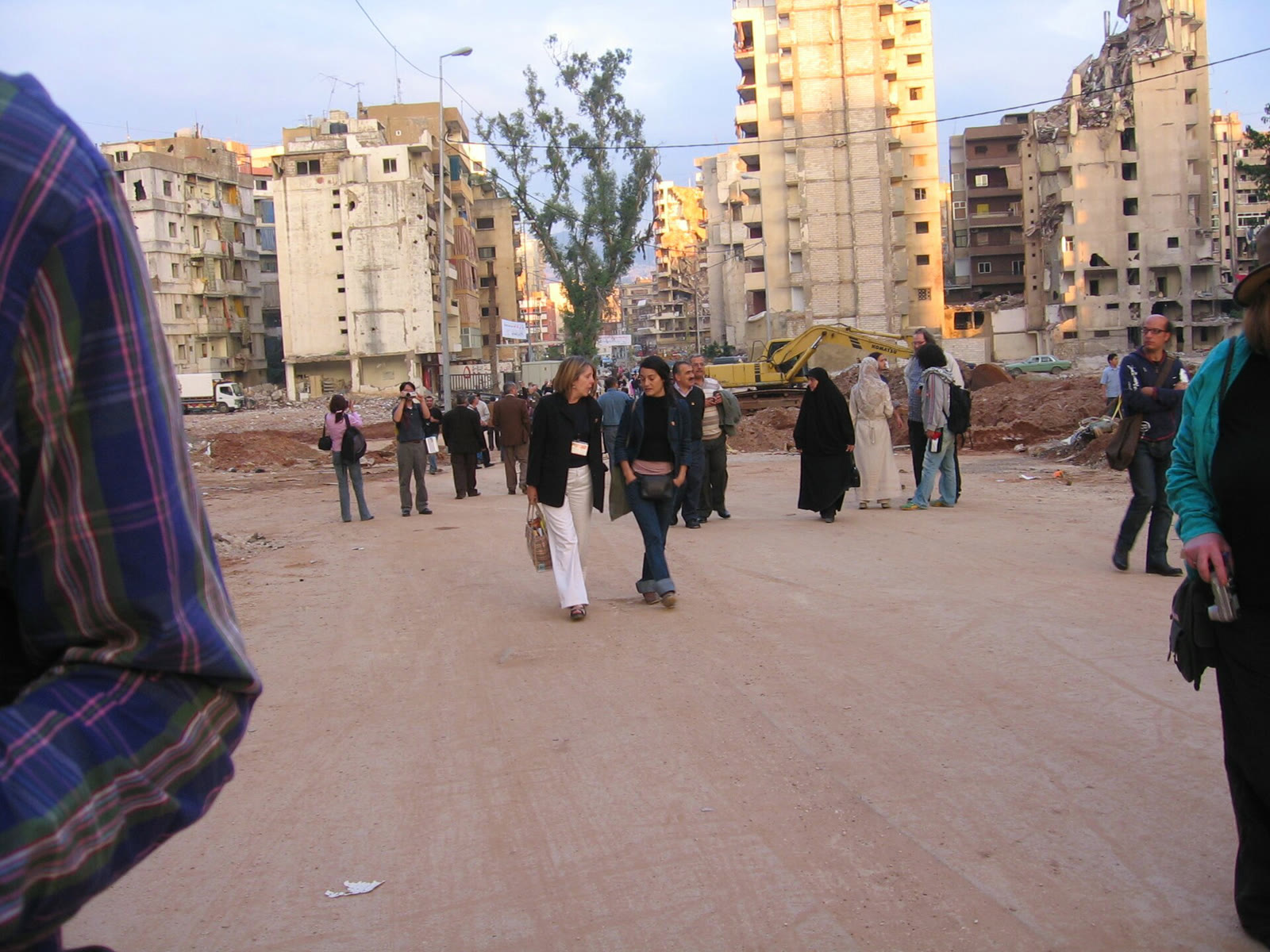
Statistician Mohammed Shamseddine said 97,000 homes in Lebanon were completely destroyed and about 65,000 were partially damaged. Another 320,000 homes sustained more limited damage.
A joint assessment by Lebanon’s Ministry of Agriculture, the National Council for Scientific Research and the United Nations Food and Agriculture Organization put losses in the agricultural sector at $530.5 million. Some 22.5% of Lebanon’s farmland was damaged, and special rehabilitation programs were deemed necessary to restore production capacity.
More than 1 million people displaced
Prime Minister Salam said during a parliamentary session on government policy that more than 1 million people had been displaced at the height of the latest war. Salam said 250,000 of them remained displaced.
Salam also said residents of more than 75 villages and towns had been unable to return to their homes and livelihoods. Saying the 2023 and 2026 wars had definitely cost the country more than $20 billion, Salam said the total could exceed $27 billion once calculations for the 2026 war were completed.
War weakens hopes for economic recovery
Economic journalist Khaled Abu Shakra said Lebanon’s annual gross domestic product had stood at about $32 billion before the war and had been expected to reach $38 billion. The economy contracted by about 8% as a result of the war, reducing gross domestic product to $28 billion.
Abu Shakra said tourism revenues were expected to fall below $4 billion in 2026. Tourism revenues could reach $11 billion if stability continues in the country. The war eliminated 5% to 10% of cash flows from Lebanese citizens abroad, as well as some opportunities for direct foreign investment.
The concentration of the fighting in the southern and eastern Bekaa regions caused about one-third of the economy to become inactive. Inflation rose from 11.5% in 2025 to 17% in 2026. Rising global transportation costs and the inability to implement economic reforms because of the war could push inflation even higher.
Lebanon holds talks on an IMF program
The wars weakened Lebanon’s opportunity for recovery, which could increase gross domestic product and support growth. This also made it more difficult to resolve issues such as depositors’ lack of access to their money and negotiations with the International Monetary Fund.
Lebanon is seeking access to a lending program with the International Monetary Fund that requires the implementation of banking, economic and financial reforms. Although Lebanese authorities have taken some steps in this direction, talks between the parties have yet to produce an agreement.
The country’s economic problems worsened after the financial crisis that began in 2019 and deepened with the collapse of financial institutions, deteriorating living conditions and energy shortages. The new wars’ loss of life and economic damage made Lebanon’s long-awaited recovery even more difficult.