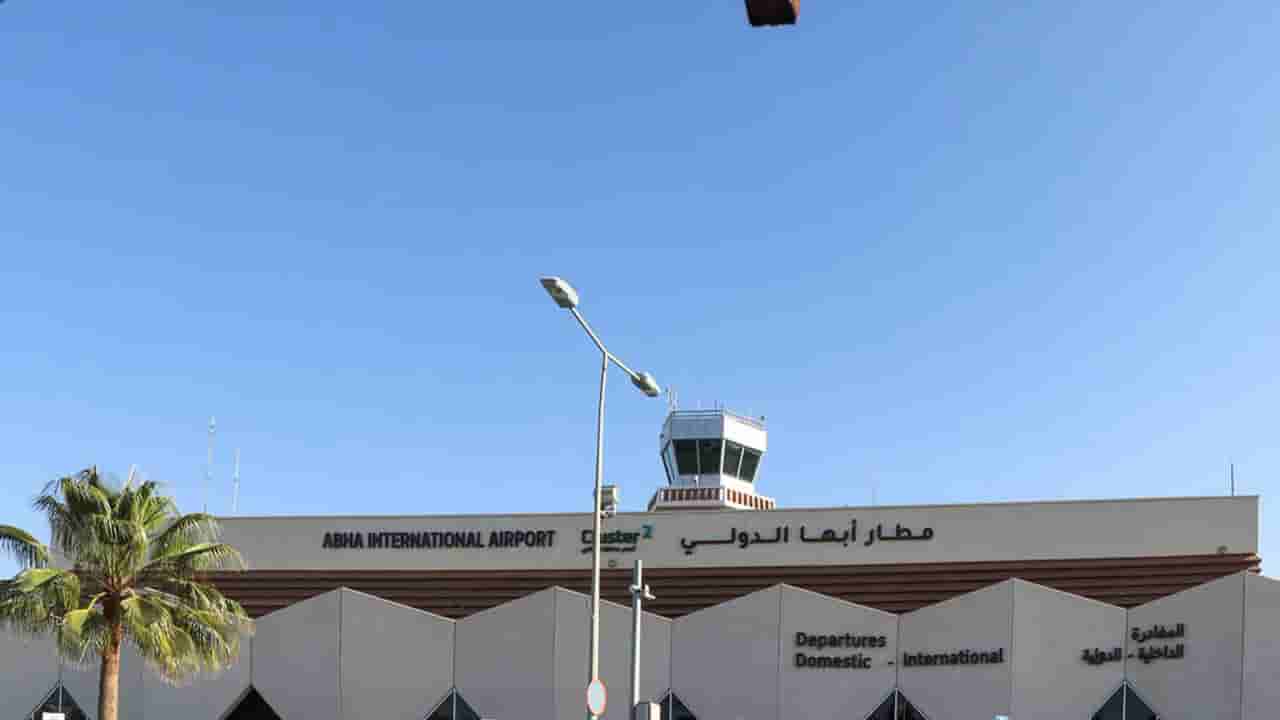
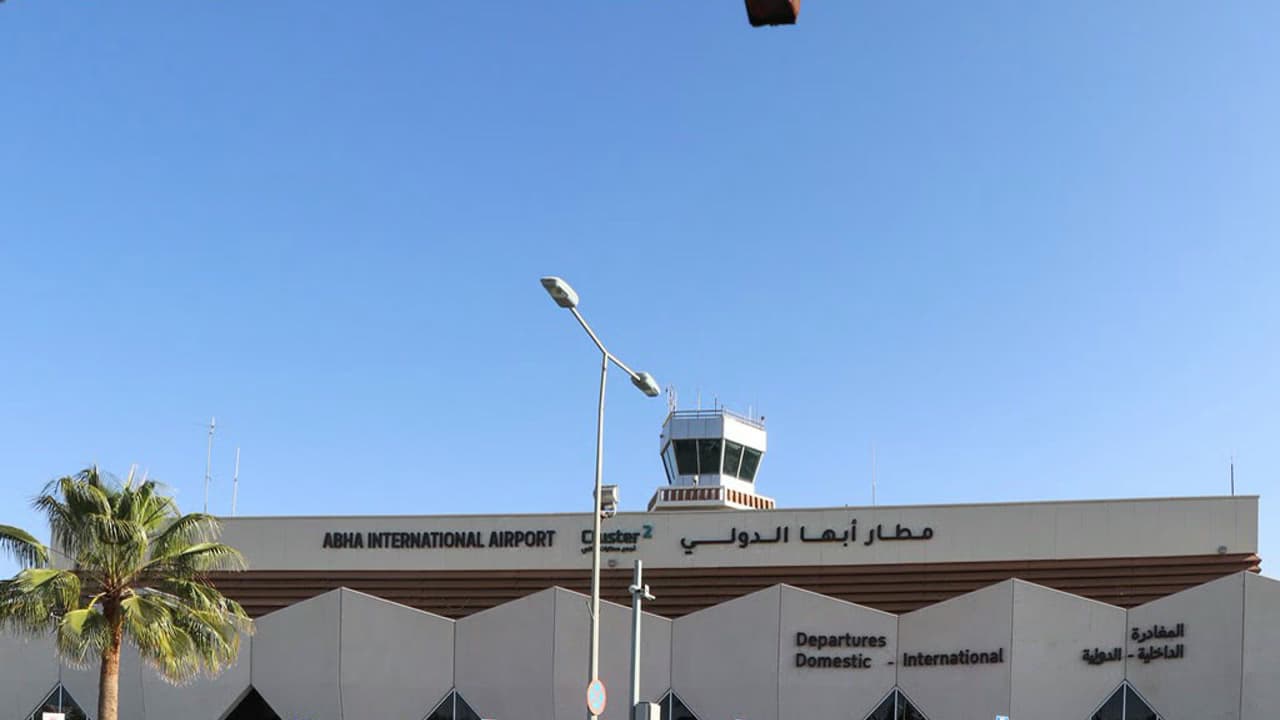
Attacks targeting Abha International Airport in Saudi Arabia and King Khalid International Airport in Riyadh drew condemnation from countries across the region. Kuwait, Syria, Egypt, Jordan and the Gulf Cooperation Council condemned the attacks.
Saudi Arabia’s General Authority of Civil Aviation said three people were killed and 36 injured in the attacks on Tuesday and Wednesday. Two people, Moroccan and Algerian nationals, were killed and 28 injured in the attack on Abha Airport. One Sudanese national was killed and eight people were injured in the attack on King Khalid Airport.
Regional reaction
Kuwait’s Foreign Ministry described the targeting of the airports as a violation of Saudi Arabia’s sovereignty. The ministry said the attacks constituted a clear violation of international law and international humanitarian law, and expressed support for the steps Riyadh was taking to protect its security and sovereignty.
Syria’s Foreign Ministry also described the targeting of civilian facilities and the endangerment of civilians’ lives as violations of international law. The Damascus government said it stood in full solidarity with Saudi Arabia.
Egypt’s Foreign Ministry said the escalation targeting Saudi Arabian territory posed a threat to the security and stability of the region. Cairo called for an end to the attacks and respect for the sovereignty and territorial integrity of states.
Jordan’s Foreign Ministry said in a statement on Wednesday that the two attacks targeting the airports violated Saudi Arabia’s sovereignty. The ministry said the attacks contravened international law and the United Nations Charter.
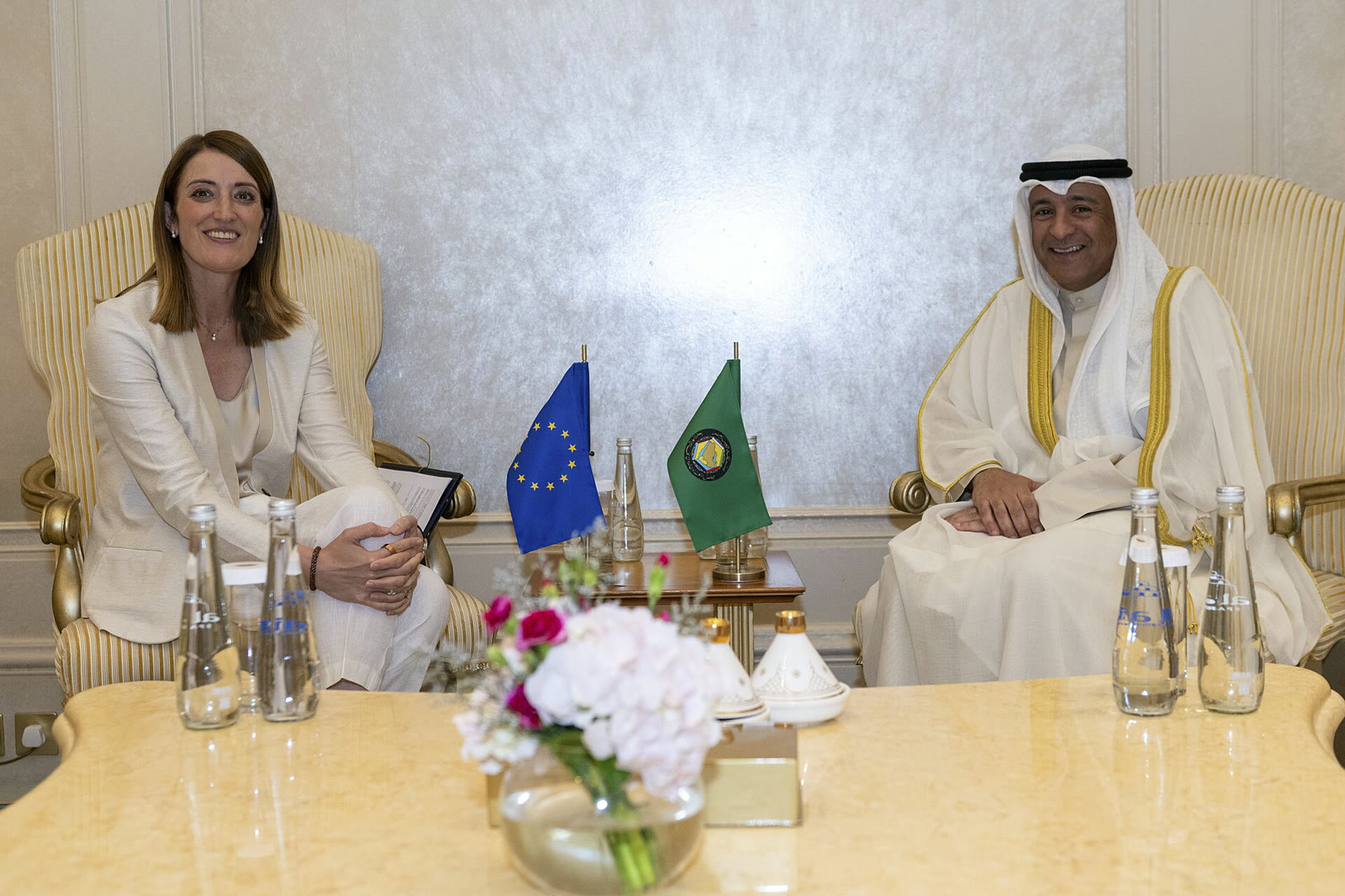
Jassim Mohammed Al-Budaiwi, secretary-general of the Gulf Cooperation Council, described the targeting of civilian airports and the endangerment of passengers’ lives as a serious escalation. Al-Budaiwi said the council’s member states supported measures to protect Saudi Arabia’s security and sovereignty.
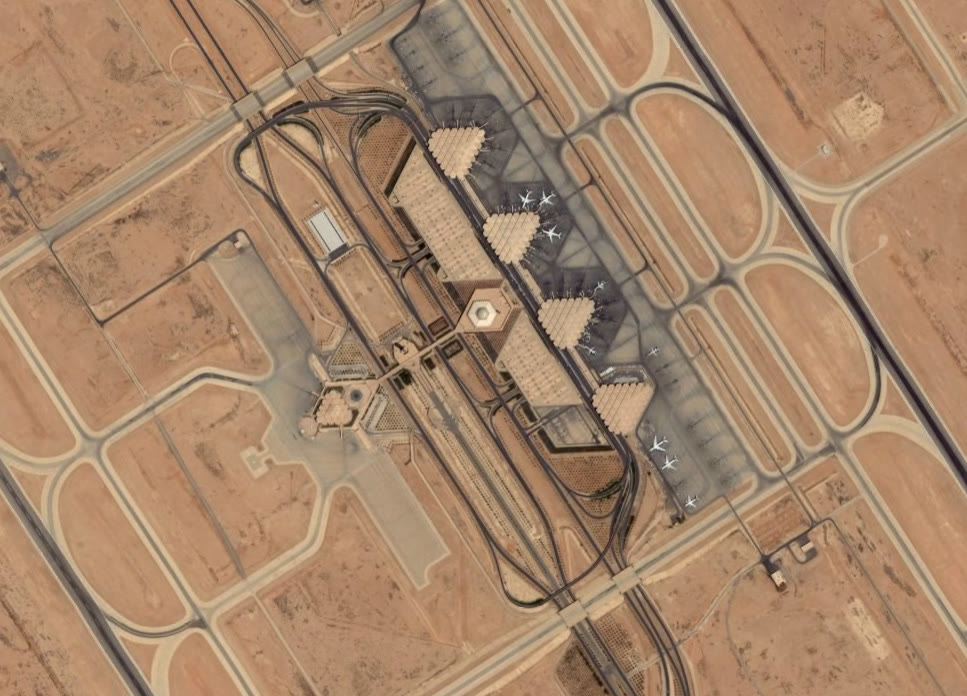
Houthis issue statement on King Khalid Airport
The Houthis said on Thursday that they had targeted King Khalid International Airport and military sites in Yemen’s Lahij province. The group’s military spokesperson, Yahya Saree, claimed that a ballistic missile had been launched at the airport and hit its target.
Saree also warned airlines not to operate flights in Saudi Arabian airspace outside the holy areas of Mecca and Medina. Saudi Arabia’s General Authority of Civil Aviation did not say who had targeted the airports.
The coalition supporting Yemen’s legitimate government said on Wednesday that a ballistic missile the Houthis had launched toward northern Riyadh had been intercepted and destroyed. The coalition also said another missile sent toward Khamis Mushait on Tuesday had been intercepted.
Background to the Yemen conflict
The developments came as part of what was described as the broadest military escalation since the relatively calm period that followed the ceasefire that began in April 2022, in a process that started in July.
The conflict in Yemen began after the Houthis seized control of the capital, Sana’a, and several provinces in September 2014. The Arab coalition led by Saudi Arabia intervened in March 2015 to support the Yemeni government.