- BIST10011,483+1.32%
- USD50.07+0.05%
- EUR55.96-0.52%
- GOLD4,074.90-0.94%
- INTEREST36.00%-1.00
- BITCOIN75,680-0.10%
- November 8, 20267°
- BIST10011,483+1.32%
- USD50.07+0.05%
- EUR55.96-0.52%
- GOLD4,074.90-0.94%
- INTEREST36.00%-1.00
- BITCOIN75,680-0.10%
- November 8, 20267°
Lieberman drops opposition to alliance with Haredi parties
Avigdor Lieberman announced his willingness to engage in talks with the Haredi parties he has long criticized over exemptions from military service for their sons. The shift could bring opposition leader Gadi Eisenkot closer to forming a government that excludes Netanyahu.
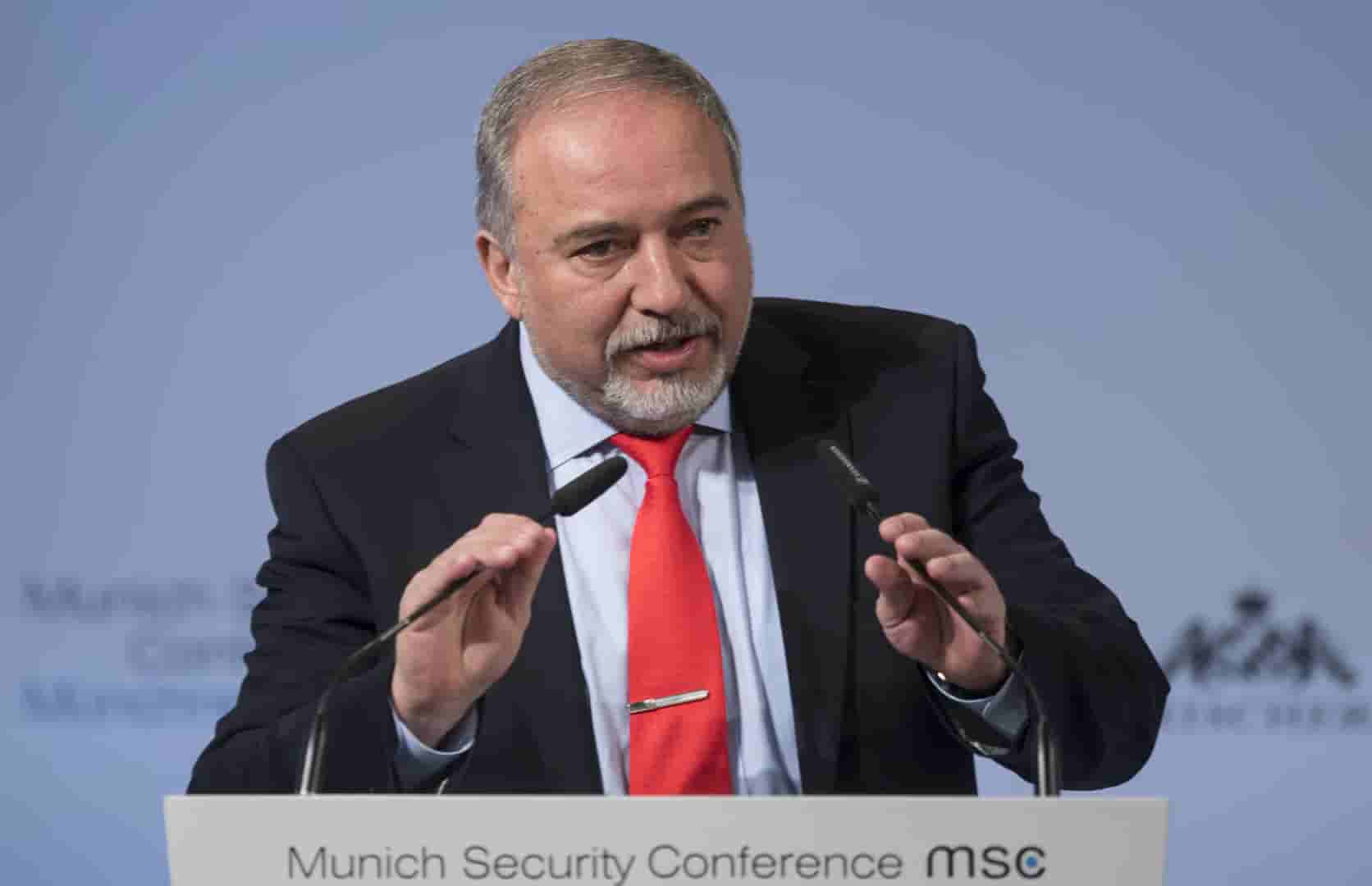
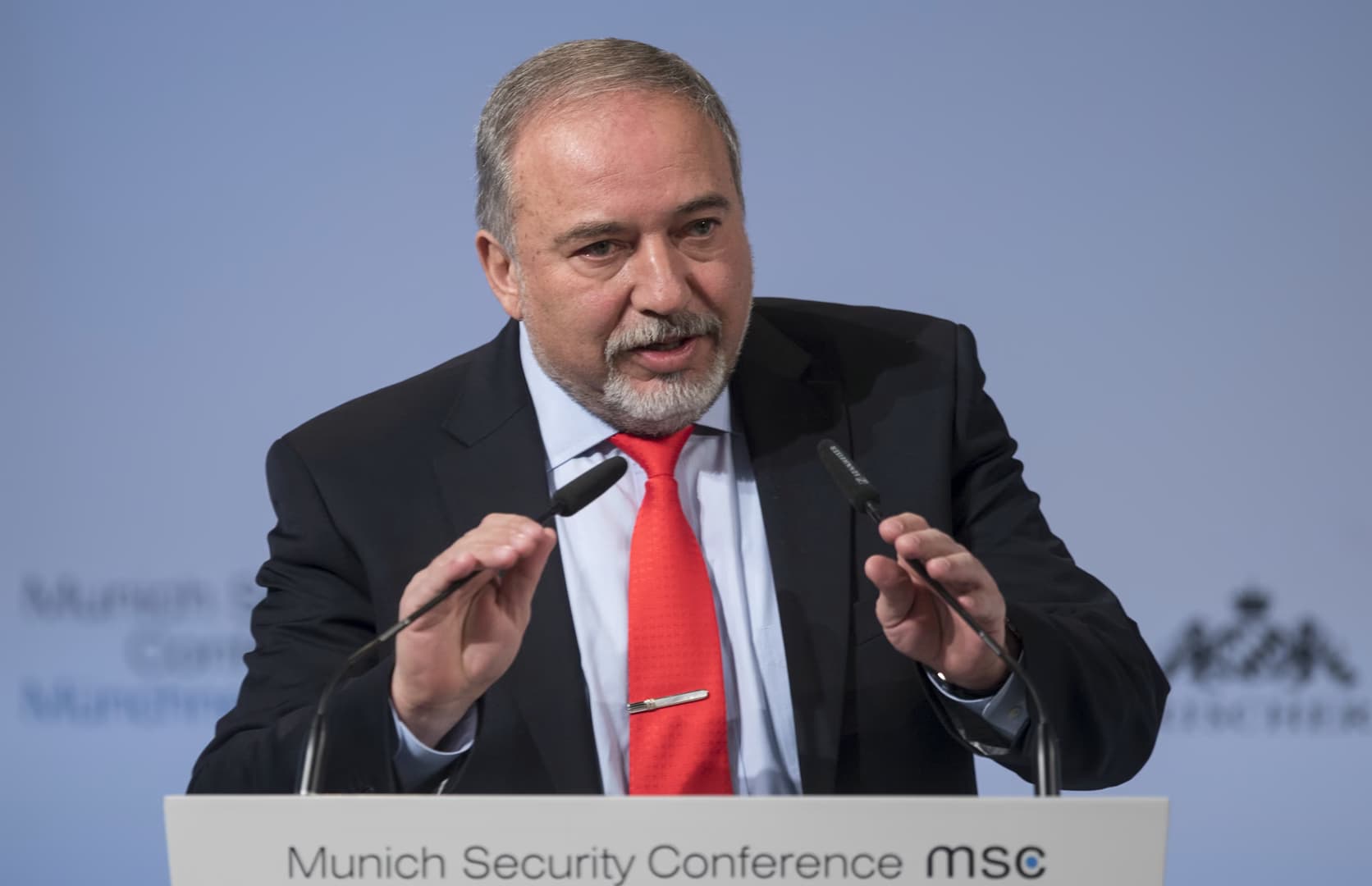
Avigdor Lieberman, leader of the Yisrael Beiteinu party, said Friday that he supports holding talks with Haredi Jews, despite having campaigned on a pledge to end their exemptions from mandatory military service. The shift could open the door to an alliance that had been considered unlikely until recently.
Lieberman said the time had come "to understand that trying to get everything may lead to getting nothing," adding: "This pains me, and I know it pains many others, but given the challenges we face, the national interest must come before everything else." At the same time, he reaffirmed that he would not back down from refusing to work with Arab parties.
Neither Netanyahu nor opposition leader Gadi Eisenkot won a majority in the October 27 election. Writing before the Sabbath began, Eisenkot said: "We have made significant progress and breakthroughs quietly and humbly," and expressed his expectation that President Isaac Herzog would task him with forming the government when he makes his announcement on Sunday. He hinted at the possibility of initially forming a minority government supported by lawmakers who would not immediately join it.
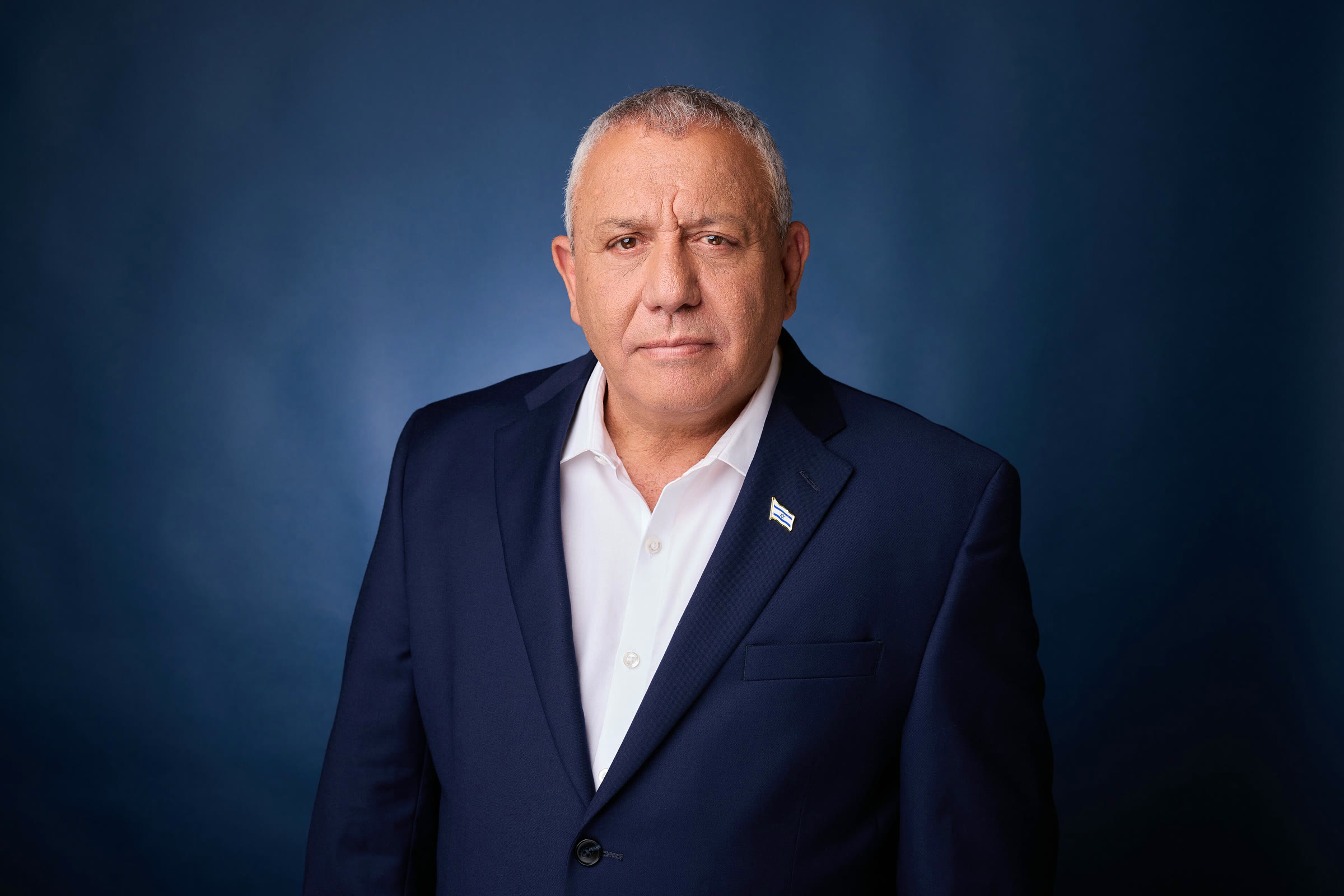
Ya'akov Asher, a lawmaker from the United Torah Judaism party, welcomed Lieberman's shift and said the party's rabbis would consider any formal alliance offer. United Torah Judaism and Shas hold 13 seats between them, enough to bring Eisenkot to power. The two parties had withdrawn from Netanyahu's government because he had not enshrined the Haredi exemption from military service in law.
Eisenkot said he remained committed to "mandatory service for everyone," but that it could be civilian service, allowing the integration of Haredim. Any potential alliance with the Arab parties, whose number of seats increased, faces opposition from Lieberman, whose party won seven seats.
Have a story, event or announcement of your own?Send us your news on WhatsApp
Spotted an error in this story?Report it on WhatsApp
Share on all social platforms
Sponsored Ads
Featured Listings
Loading featured properties...
Stay Updated with Hilal Times
Subscribe to be informed about special news, developments and announcements. We will keep you informed.
By signing up, you agree to our Privacy Policy