- BIST10011,165+0.13%
- USD49.79+0.05%
- EUR55.52-0.41%
- GOLD4,049.60-0.05%
- INTEREST36.00%-1.00
- BITCOIN79,728-1.89%
- October 29, 202616°
- BIST10011,165+0.13%
- USD49.79+0.05%
- EUR55.52-0.41%
- GOLD4,049.60-0.05%
- INTEREST36.00%-1.00
- BITCOIN79,728-1.89%
- October 29, 202616°
Palestinian parties become pivotal in Israel’s coalition calculations
With 57.3% of the vote counted in Israel’s election, the governing bloc has 55 seats and the opposition bloc 49. The 16 seats held collectively by parties representing Palestinians who are Israeli citizens have become decisive in coalition arithmetic, with 61 lawmakers needed in the 120-seat parliament.


With 57.3% of the vote counted in Israel, the governing bloc has 55 seats while the opposition bloc has 49.
A majority of 61 lawmakers is required to form a government in Israel’s 120-seat parliament. If the current picture holds, neither bloc can reach that majority on its own.
The weight of Palestinian parties in the seat arithmetic
Parties representing Palestinians who are Israeli citizens are expected to win a combined 16 seats. The Joint List, made up of three parties, is projected to receive 12 seats, while Mansour Abbas’ Ra’am Party is projected to receive 4.
This distribution brings the position of parties representing Palestinians to the forefront in forming a coalition majority.
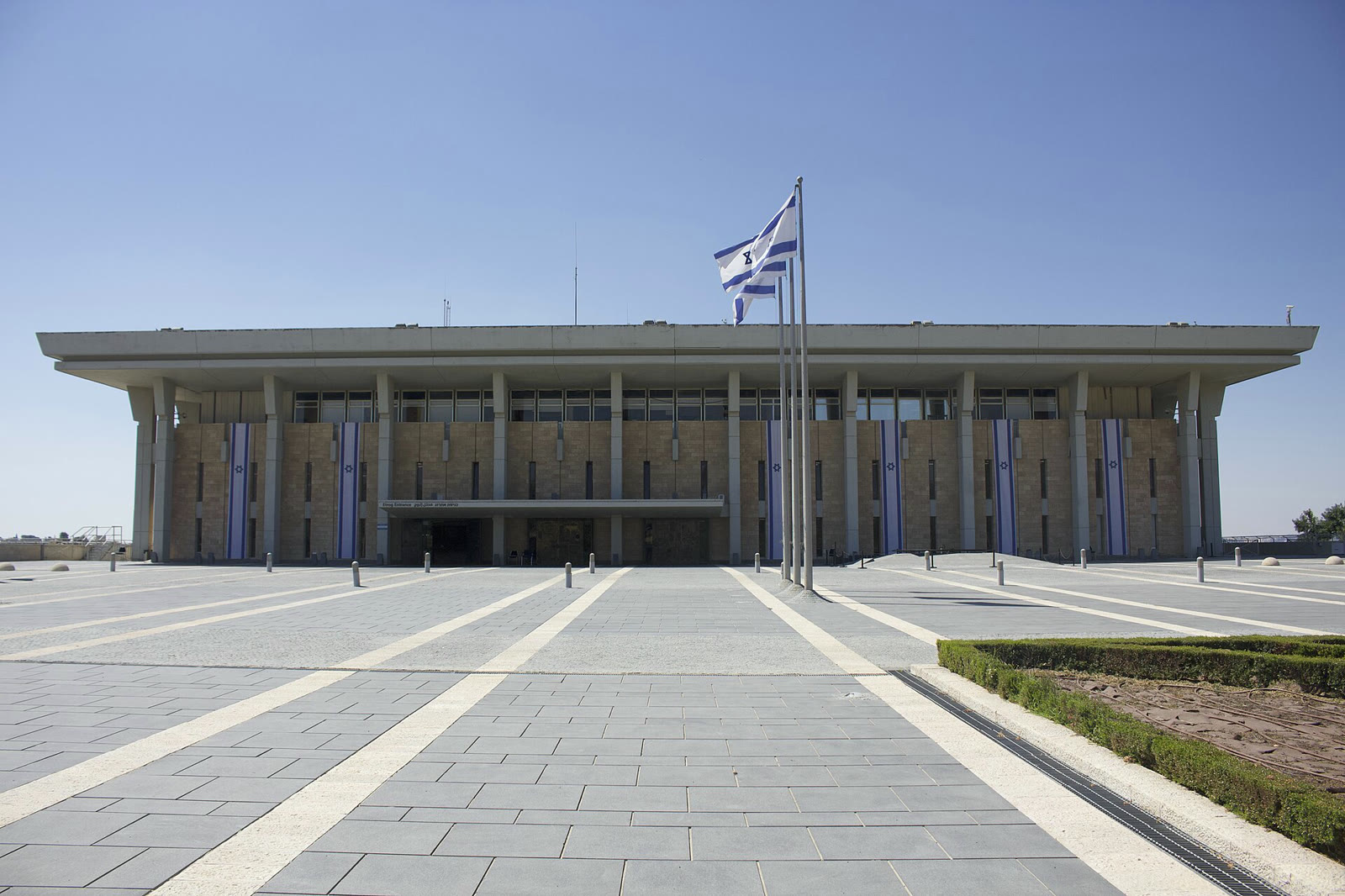
Current seat projections for the parties
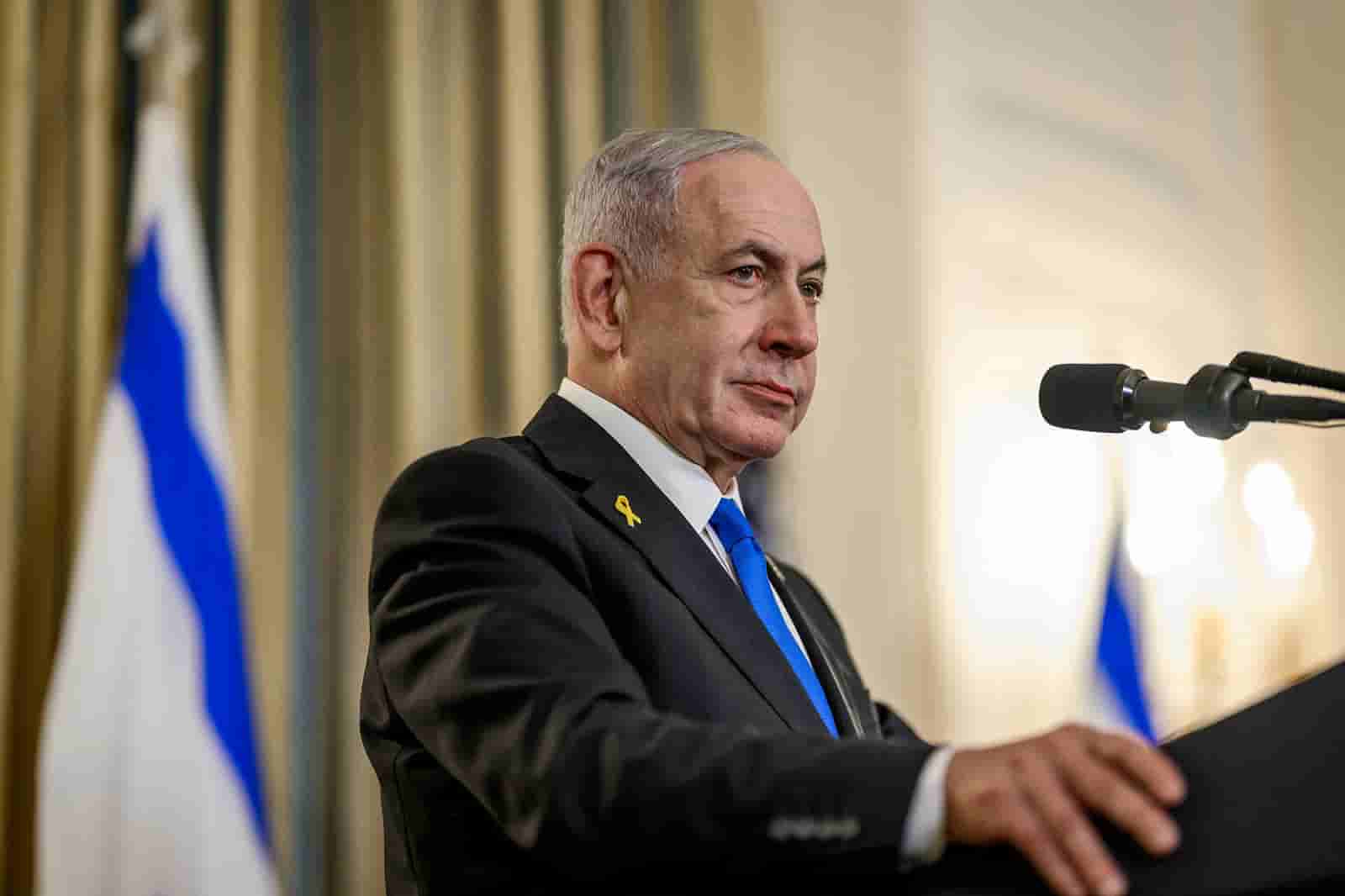
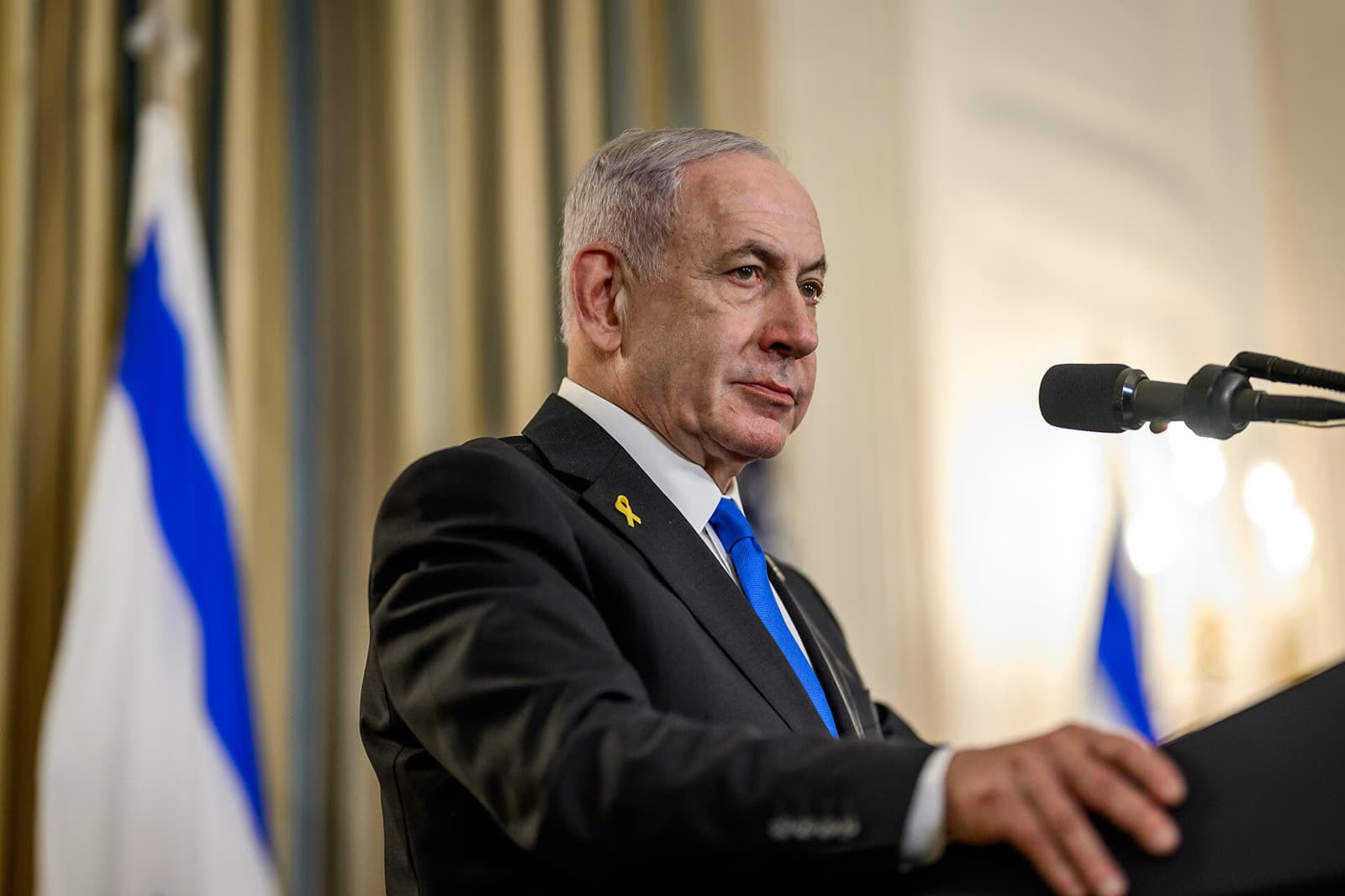
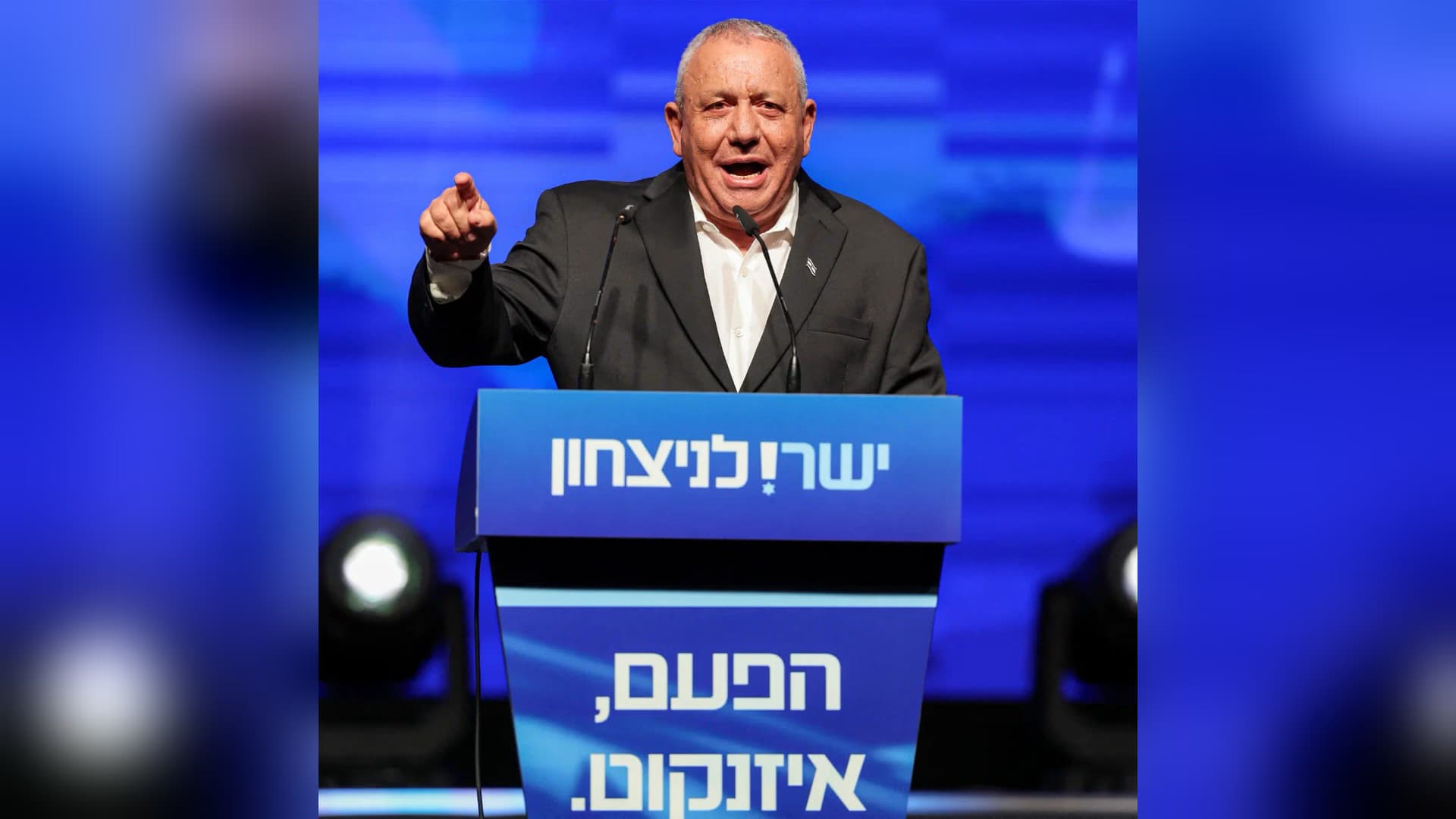
Within the governing bloc, the Likud Party ranks first with 27 seats. Yashar, led by former Chief of the General Staff Eisenkot, is projected to have 21 seats.
On the opposition side, Yair Golan’s Democrats Party has 9 seats, Avigdor Liberman’s Yisrael Beiteinu has 8, and the Together List of former prime ministers Naftali Bennett and Yair Lapid is projected to have 11.
Other projections for the governing bloc give 7 seats to the Shas Party, which represents ultra-Orthodox Jews, and 9 to United Torah Judaism. Itamar Ben-Gvir’s Jewish Power Party and Bezalel Smotrich’s Religious Zionism Party, Netanyahu’s far-right allies, are each expected to win 6 seats.
Stay Updated with Hilal Times
Subscribe to be informed about special news, developments and announcements. We will keep you informed.
By signing up, you agree to our Privacy Policy