The London Halal Forum, organized by the Halal360 Platform, a joint initiative of the Islamic Chamber of Commerce and Development and the Halal Products Development Company, is being held at the Queen Elizabeth II Centre on October 10-11. The forum is addressing companies’ strategies for entering new markets, their capacity to attract investment and reliable supply chains.
Technology and artificial intelligence in the halal economy
The agenda includes strengthening brand value, scaling through technology and using artificial intelligence in the halal economy. The forum emphasizes that the halal sector is not limited to food but also encompasses media and other creative fields.
Yousef Hassan Khalawi, secretary-general of the Islamic Chamber of Commerce and Development, said London’s dynamic and multicultural structure was important for the halal sector. Khalawi said the concept of halal should be addressed beyond traditional perceptions, encompassing different dimensions of Muslims’ lifestyles and a range of sectors.
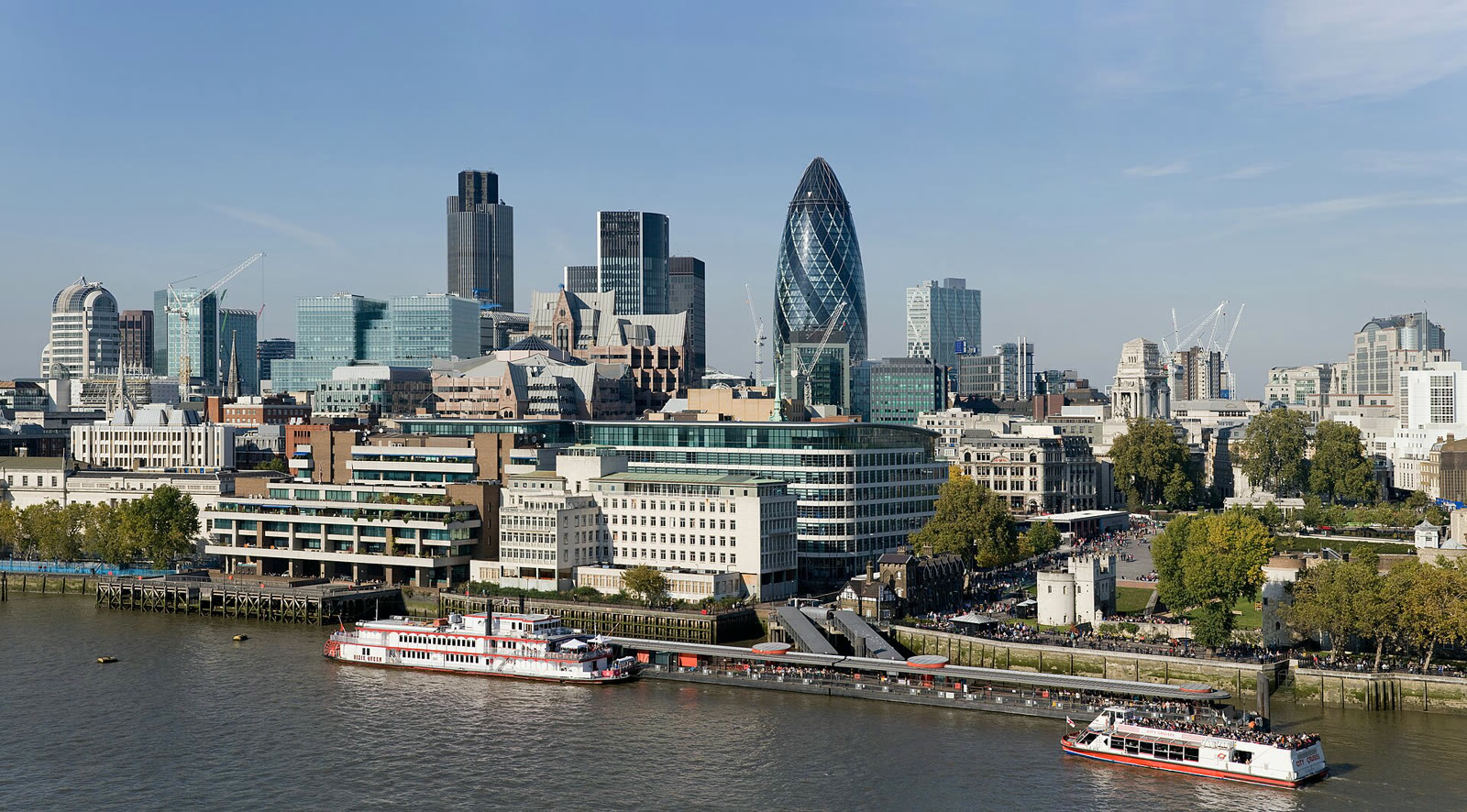
Describing London as a starting point for establishing international connections, Khalawi said they aimed to take the concepts they had developed to different regions around the world. Khalawi also announced that they would host the first halal reception in Paris next week.
New projects for halal lifestyles and Islamic art
Three new concepts were announced as part of the forum to introduce, promote and develop the concept of halal. The 55th District for halal lifestyles, halal technologies and Islamic art were among these concepts.
Khalawi said the concepts had been developed by entrepreneurs and that they wanted to promote the projects internationally, rather than only introducing them in London. Pointing to projections that Muslims will account for 25-30 percent of the world’s population by 2050, Khalawi said sectors connected to lifestyles should be assessed together.
Saudi Arabia moves toward becoming a producer and exporter
Fahad bin Suleyman AlNuhait, CEO of the Halal Products Development Company, said halal had become a global benchmark associated not only with religious requirements but also with quality, safety and reliability. He said consumers from different backgrounds and cultures approached halal products with confidence.
AlNuhait said Saudi Arabia was one of the world’s largest import markets for halal products and that, in line with the country’s Vision 2030, it was moving from being an importer toward becoming a producer and exporter. He said the halal economy had strategic importance for food security, strengthening domestic production, local development and increasing non-oil exports.
Assessing that more Saudi halal brands had begun appearing in global markets with this transformation, investor confidence had strengthened and the international recognition of the halal ecosystem had increased, AlNuhait said the London Halal Forum had created an international meeting point linking European markets, the United Kingdom’s global reach, open markets and strong standards.
Following the forum’s opening speeches, plaques were presented to the sponsors.