- BIST10011,043-0.67%
- USD49.65+0.05%
- EUR55.60-0.19%
- GOLD4,034.90+0.67%
- INTEREST36.00%-1.00
- BITCOIN80,253+0.27%
- October 26, 202620°
- BIST10011,043-0.67%
- USD49.65+0.05%
- EUR55.60-0.19%
- GOLD4,034.90+0.67%
- INTEREST36.00%-1.00
- BITCOIN80,253+0.27%
- October 26, 202620°
Aselsan’s TULON EW munition jams radars and blinds air defenses
Thailand-based defense channel Pacific Steel praised TULON EW, a munition developed by Türkiye’s Aselsan, calling it the crown jewel of the Turkish defense industry and saying Türkiye is shifting from an arms buyer to a producer.
Hilal Times Editorial DeskUpdated:
Thailand-based defense outlet Pacific Steel praised TULON EW, a munition developed by Türkiye’s Aselsan, calling it the crown jewel of the Turkish defense industry at present.
The outlet said the system had amazed it, describing it as advanced technology that puts Türkiye in a leading position in network-centric warfare.
Jamming before impact
TULON EW is a long-range glide munition equipped with an integrated electronic-warfare payload. It effectively jams enemy radars, disrupts their communications and blinds air-defense systems before striking its target.
According to defense publications, the munition uses digital radio-frequency memory technology to generate decoys and open a corridor for friendly manned and unmanned aircraft. Unlike the US MALD and MBDA’s SPEAR EW, it carries a warhead, while its threat library can be updated and the munition controlled in real time via a data link.
The TULON family expands
Aselsan unveiled TULON EW in May during SAHA EXPO 2026, alongside the laser-guided TULON-L and the fragmentation TULON-F. The former weighs 121 kilograms and has a margin of error of less than 3 meters, while the latter carries a 70-kilogram fragmentation warhead designed to target radars, air-defense systems and command centers.
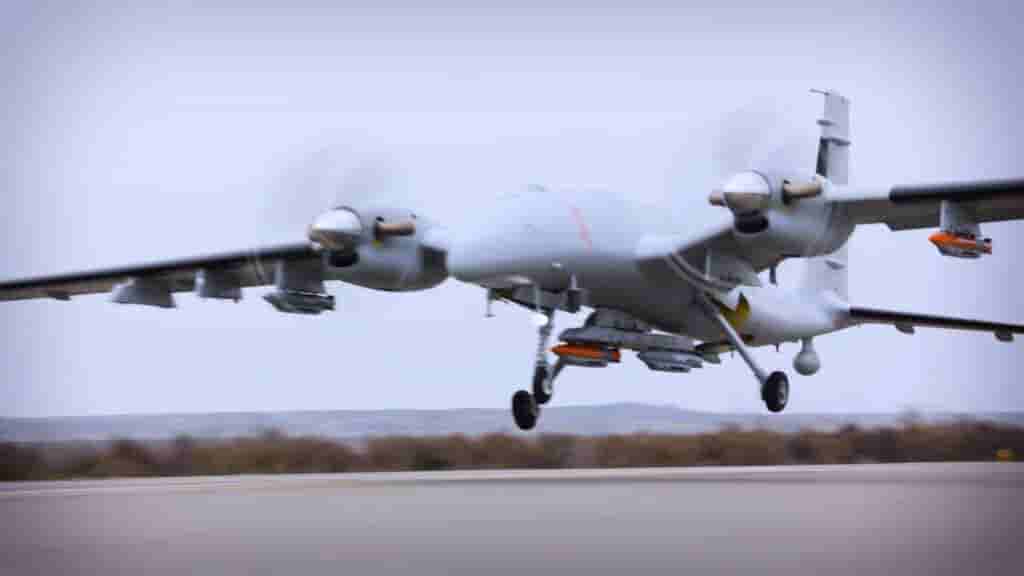
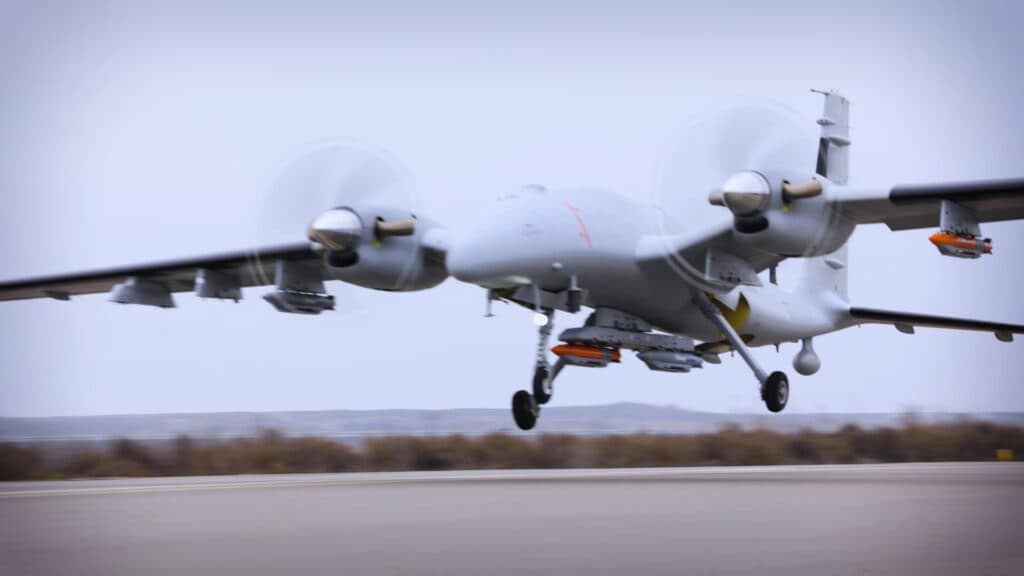
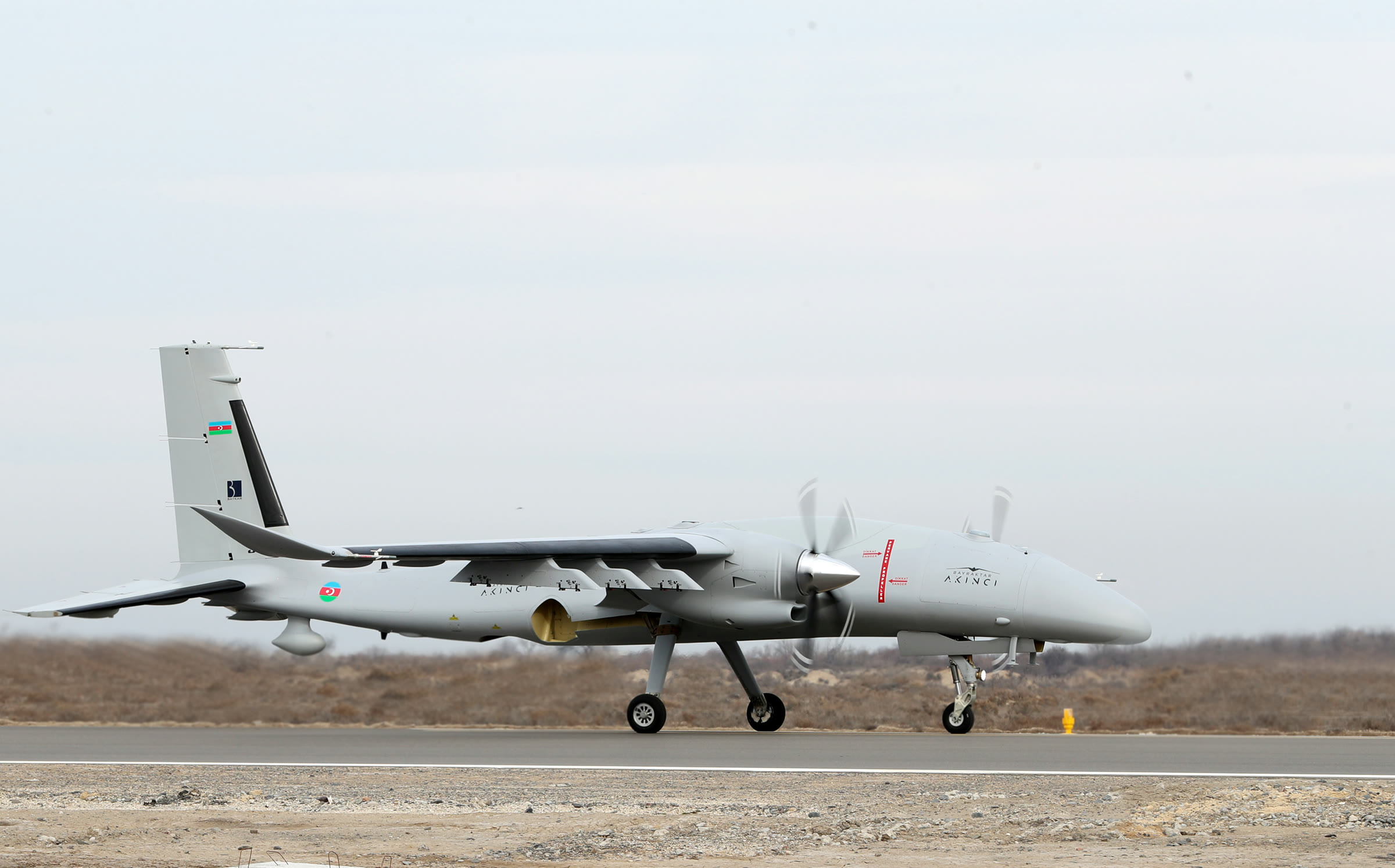
The family’s munitions have been certified for use on F-16 fighter jets and the Bayraktar Akıncı drone. Their range is approximately 100 kilometers when launched from an F-16 and about 67 kilometers from Akıncı.
An important piece on the global chessboard
In a second assessment, the outlet said Aselsan was rapidly expanding into global markets, with more countries, from the Middle East and Caucasus to Eastern Europe and Africa, turning to Turkish defense products and reducing their reliance on traditional major powers.
It added that Türkiye was shifting from a country that buys weapons to one that produces them and guides the technologies of future warfare, describing TULON as more than just a bomb but an important piece in Türkiye’s moves on the global chessboard. Türkiye’s defense and aerospace exports reached approximately $10 billion in 2025.
Stay Updated with Hilal Times
Subscribe to be informed about special news, developments and announcements. We will keep you informed.
By signing up, you agree to our Privacy Policy