- BIST10010,962+1.88%
- USD49.86+0.15%
- EUR55.82+0.52%
- GOLD3,956.60+1.48%
- INTEREST36.00%-1.00
- BITCOIN76,700-1.96%
- November 3, 202616°
- BIST10010,962+1.88%
- USD49.86+0.15%
- EUR55.82+0.52%
- GOLD3,956.60+1.48%
- INTEREST36.00%-1.00
- BITCOIN76,700-1.96%
- November 3, 202616°
New study finds comets likely did not bring life to Earth
Computer simulations by University of Cambridge researchers concluded that comets that struck Earth more than 4 billion years ago were traveling too fast to preserve organic molecules, weakening a decades-old theory about the origin of life.
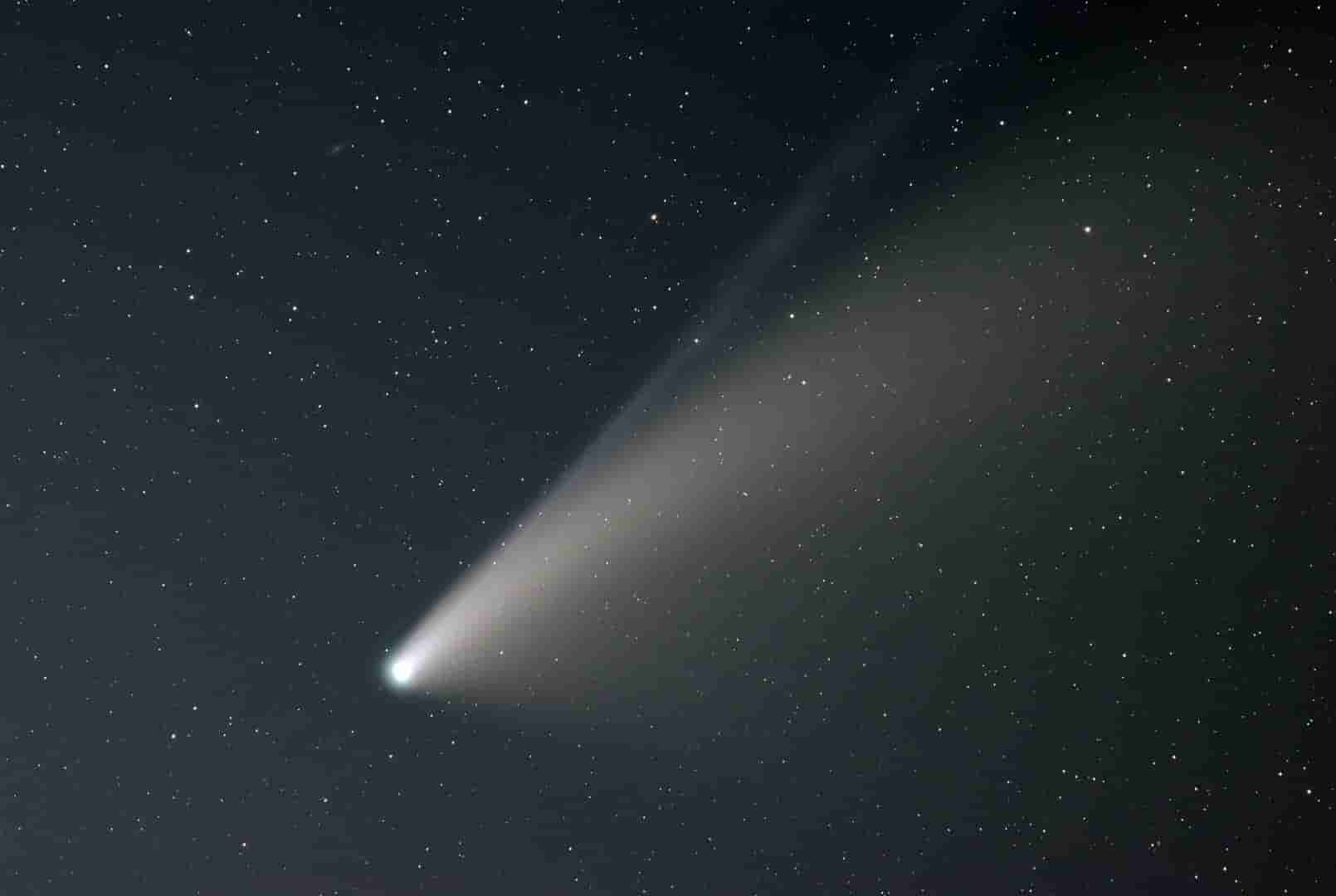
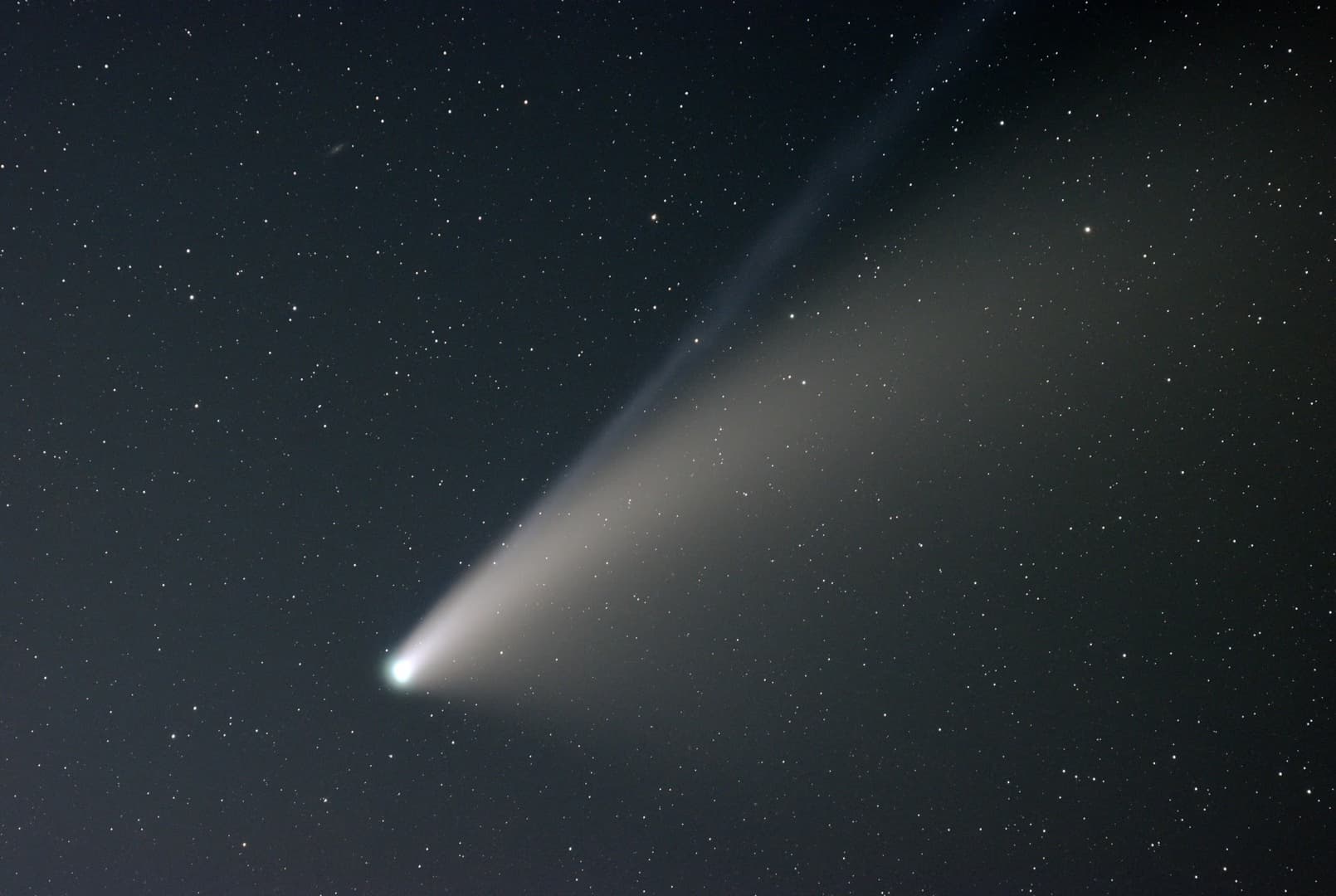
The widely held theory that comets played a crucial role in triggering life on Earth billions of years ago may not hold up, according to new computer simulations whose results were published in the scientific journal Scientific Reports. The study indicates that the fragile organic molecules comets are believed to have carried would have been destroyed upon impact.
The idea that comets supplied Earth with water and organic materials dates back at least to 1961, while the broader scientific proposal that the ingredients for life came from space was put forward in 1908. Comets, nicknamed “dirty snowballs,” are made of dust and ice and contain organic materials.
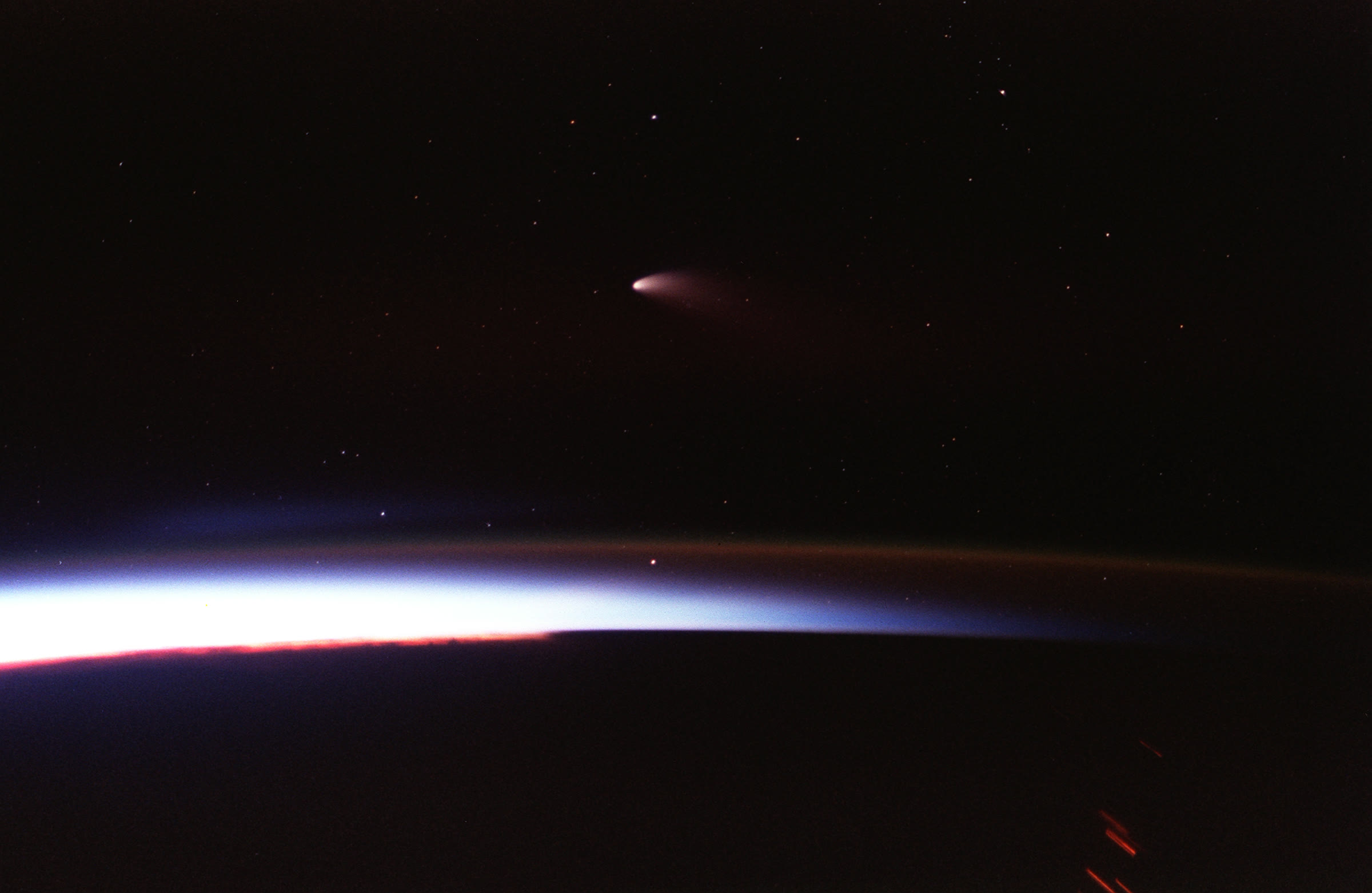
The team used the latest models of comet formation and evolution to simulate Earth’s early history 100,000 times. More than 4 billion years ago, the planet may have been bombarded by more than 100,000 comets, each measuring over 100 meters in diameter. “On average, the simulations found no successful impacts,” said the study’s lead author, Richard Anslow, who conducted the research while pursuing his doctoral studies at the University of Cambridge’s Institute of Astronomy.
Anslow explained that the comets’ speed when they struck Earth meant that few, if any, could have delivered intact organic molecules. In 54% of the simulations, there was no successful impact, while 46% produced at least one impact, and a very small minority produced as many as three. The researchers do not rule out a “lucky” impact, but it would have required an ideal location with liquid water and other chemicals essential for life.
Stay Updated with Hilal Times
Subscribe to be informed about special news, developments and announcements. We will keep you informed.
By signing up, you agree to our Privacy Policy