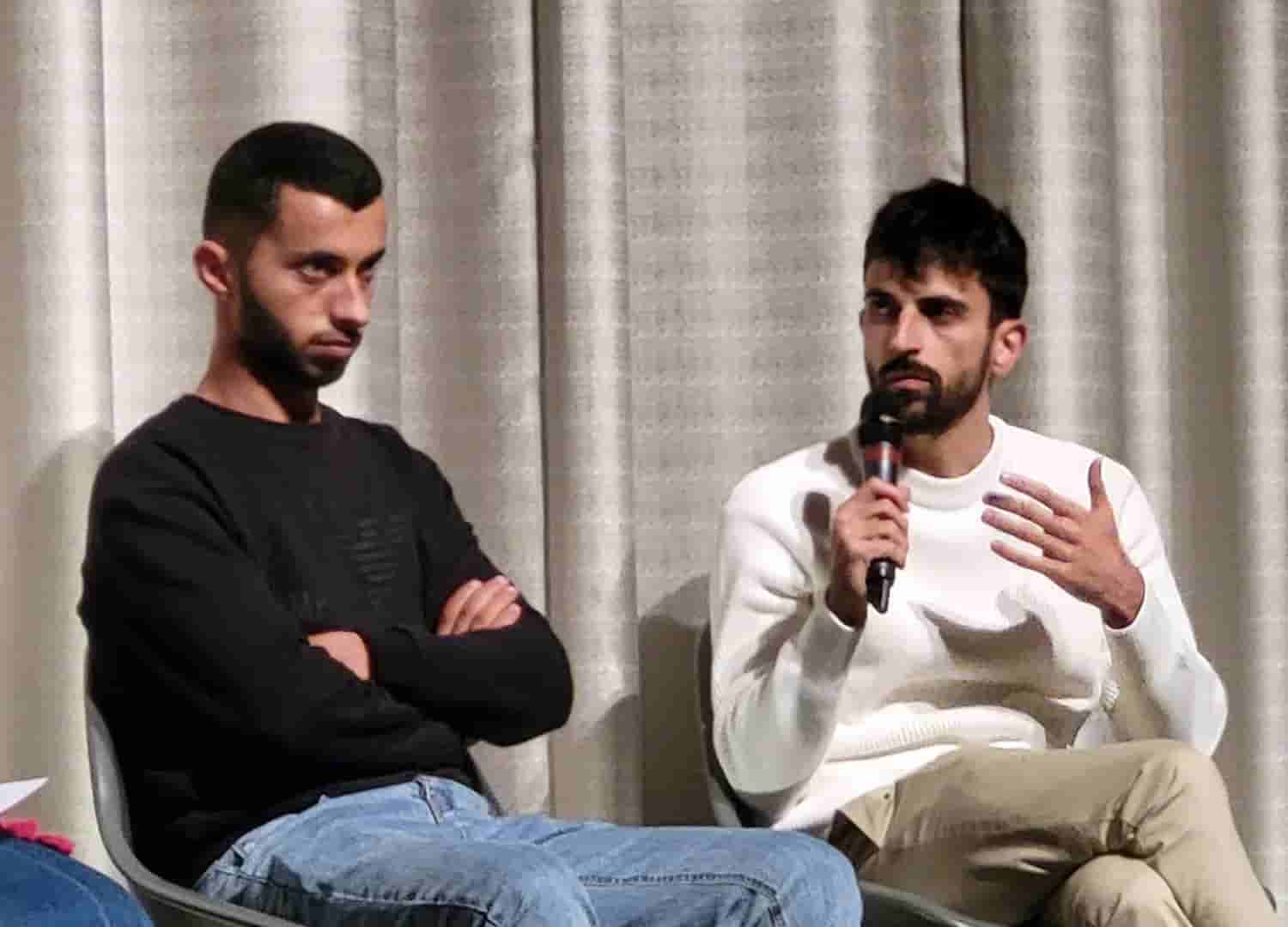
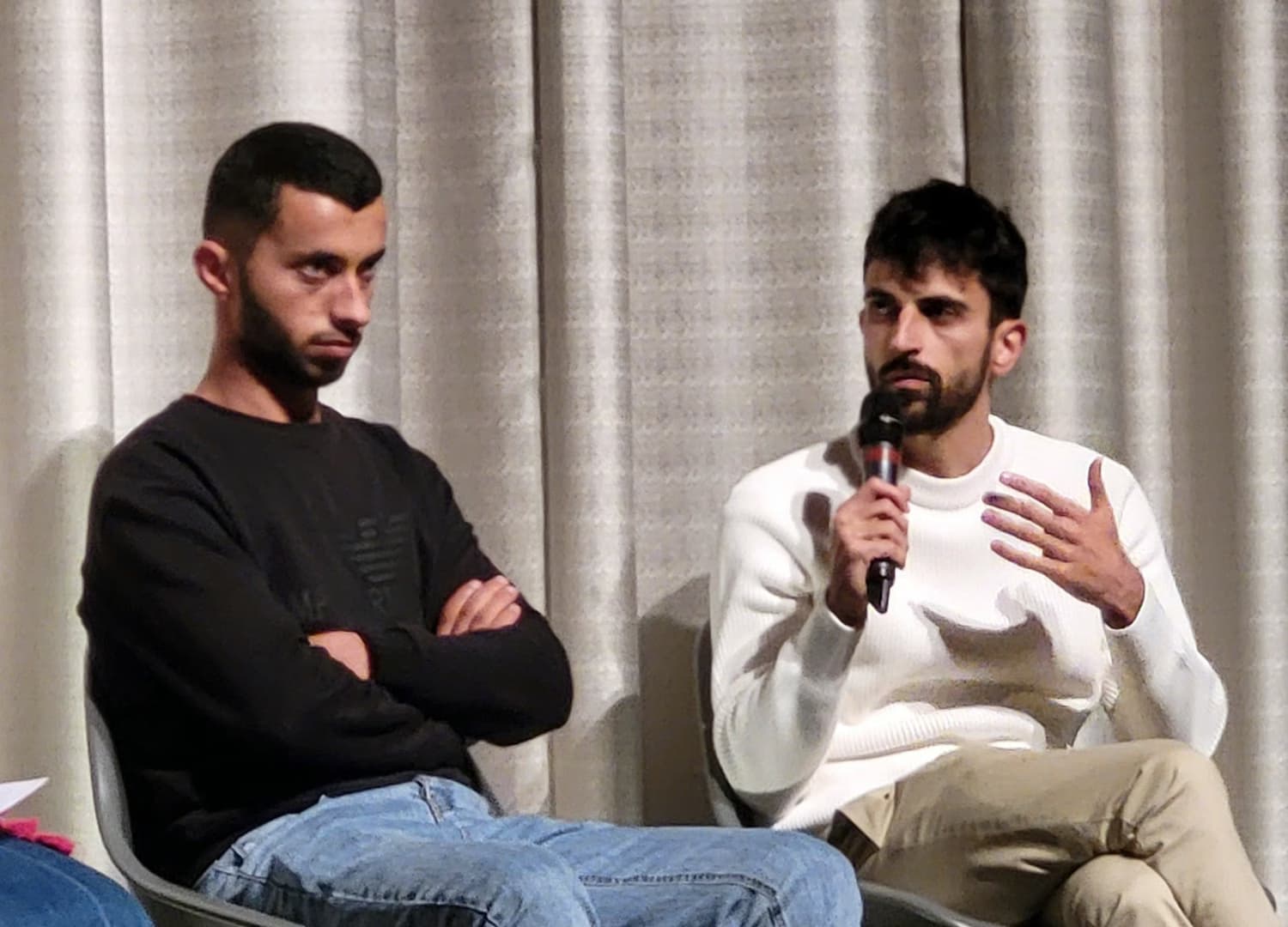
The NAZA documentary, which received contributions from Yuval Abraham and Rachel Szor, was shown to audiences in France on October 12 and 13. The production was screened at two cinemas in Paris and attracted considerable interest after the screenings.
Reducing Gaza’s death toll to statistics draws criticism
Adam, 27, said after the screening that what affected him most was the reduction of human lives to statistics. Adam said people described as "civilian casualties" had been turned into mere numbers and argued that mass loss of life in Palestine had begun long before October 2023.
Kenzie also drew attention to the way Israeli soldiers referred to deaths in Gaza through numbers and calculations. Kenzie said the film addressed the use of artificial intelligence in targeting people and showed that, at one point, the counting of civilian casualties had stopped and the focus had shifted to the number of people planned for targeting.
Kenzie said the soldiers’ accounts of women and children losing their lives also affected her. Saying that admissions about attempts to target certain people resulting in the destruction of entire families had shaken her, Kenzie described the documentary’s directors as extremely courageous.
The contrast between Tel Aviv and Gaza stands out
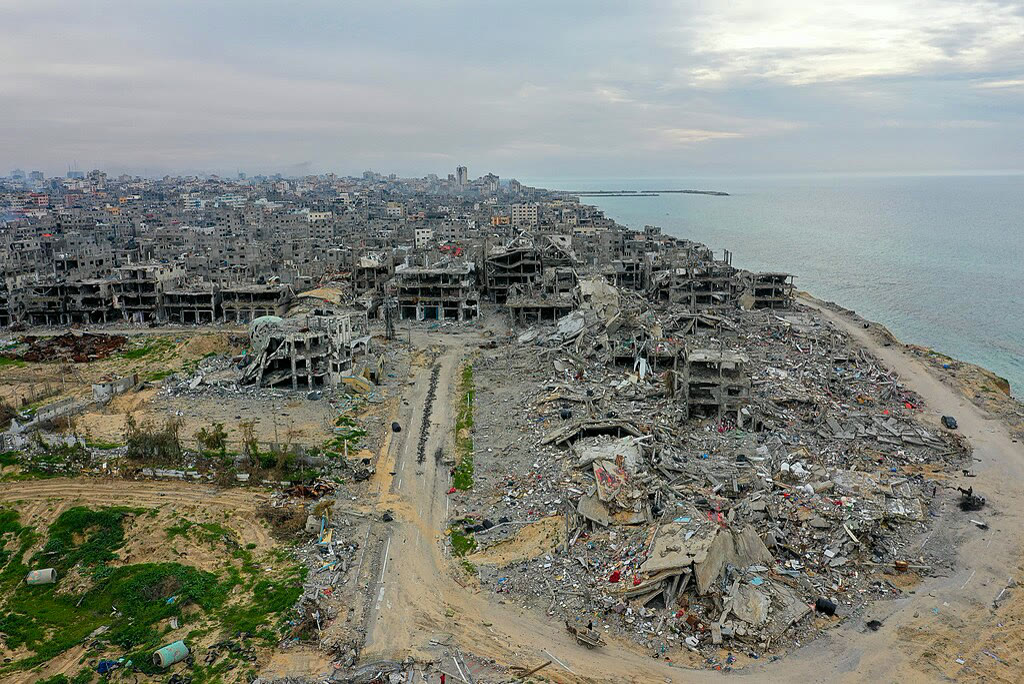
Yasin, who watched the screening, said the film clearly highlighted the difference between everyday life in Tel Aviv and the destruction in Gaza. Yasin said the footage from Gaza created the impression that people there were trying merely to survive in extremely harsh conditions, where ordinary life had almost completely disappeared.
Iona, 23, said the documentary offered an opportunity to hear not only the testimonies of victims but also the accounts of people who took part in the attacks. Iona said the film asked soldiers whether they viewed what had happened as genocide and conveyed that the answer was "Yes."
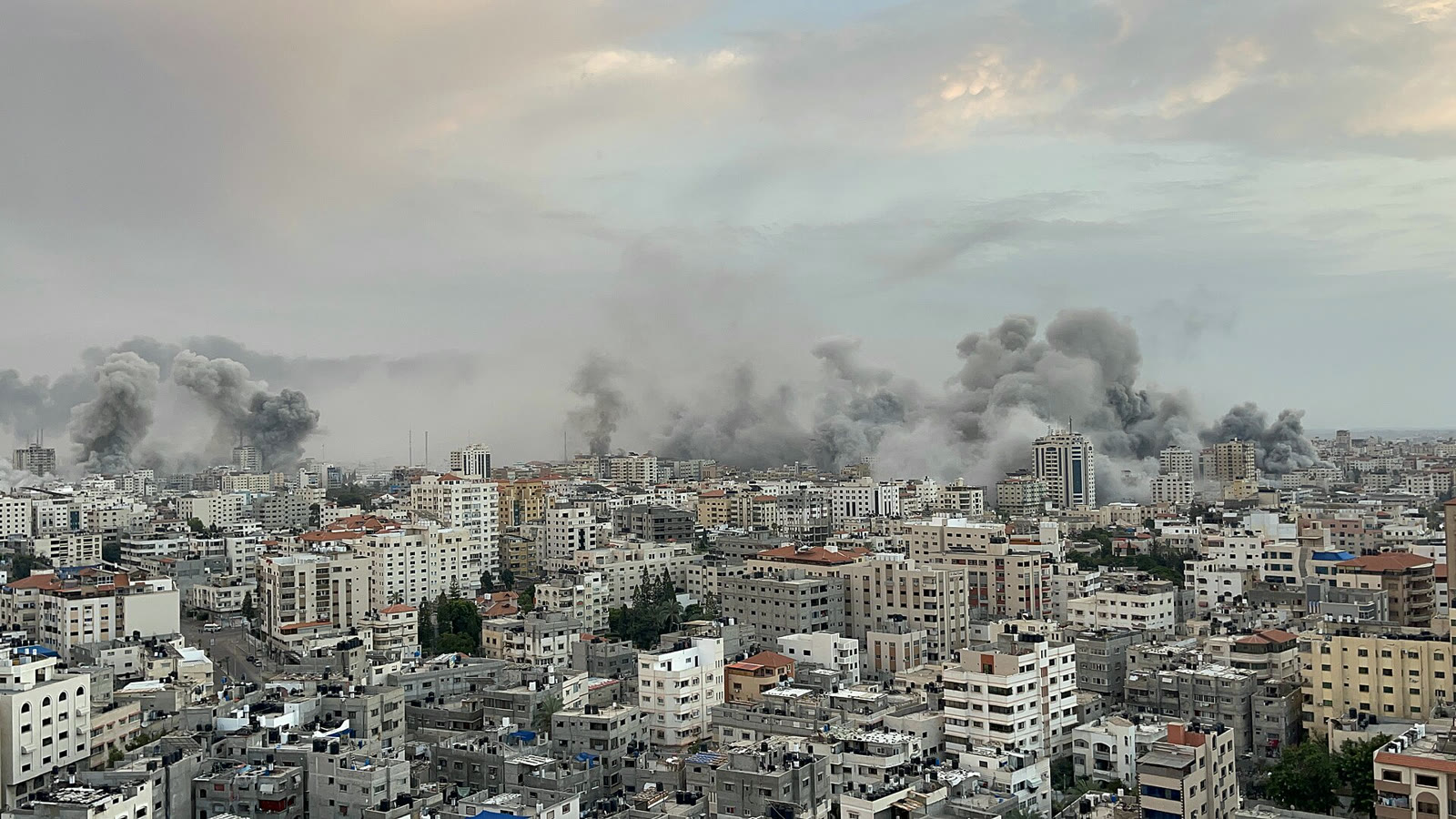
Iona said she was affected by the contrast between people losing their lives in Gaza and ordinary life continuing in Tel Aviv. Saying that silence fell over the theater after the screening, Iona noted that the film deeply affected viewers from different generations.
The documentary was also screened at Istanbul’s Atlas Cinema as part of Filmekimi, organized for the 25th time this year by the Istanbul Foundation for Culture and Arts. Viewers in Istanbul said the testimonies helped them understand what is happening in Gaza and that the film should reach wider audiences. Directed by Abraham and Szor, who won an Oscar for the documentary “No Other Land,” and produced by The Guardian and director Jonathan Glazer, the film received the Special Jury Prize at the Venice Film Festival, where it had its world premiere.