- BIST10011,618-0.88%
- USD49.45+0.05%
- EUR55.62+0.37%
- GOLD4,188.80+0.18%
- INTEREST37.00%-1.00
- BITCOIN82,453+0.54%
- October 19, 202617°
- BIST10011,618-0.88%
- USD49.45+0.05%
- EUR55.62+0.37%
- GOLD4,188.80+0.18%
- INTEREST37.00%-1.00
- BITCOIN82,453+0.54%
- October 19, 202617°
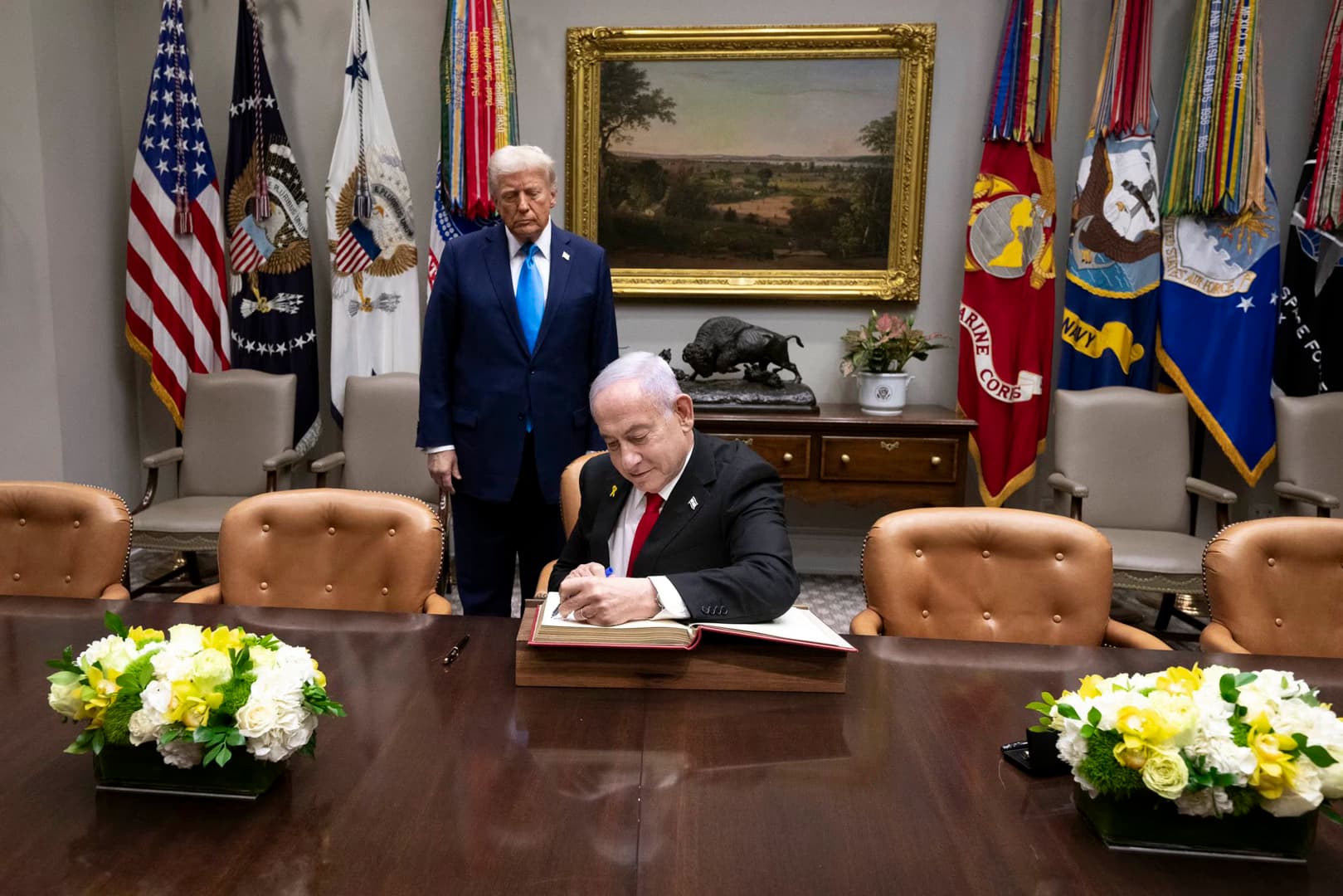
Netanyahu rejects a new conflict with Iran ahead of the election
Israeli Prime Minister Binyamin Netanyahu said he did not consider entering a new military conflict with Iran appropriate ahead of the election scheduled for October 27. Netanyahu said Iran would face a harsh response if it attacked, and argued that they would not allow Iran to acquire nuclear weapons.


Israeli Prime Minister Binyamin Netanyahu said he did not want Israel to enter a new military conflict with Iran ahead of the Israeli election scheduled for October 27, as tensions with Iran continued.
Asked whether Iran might take military action before the election, Netanyahu said that if Tehran attacked Israel, it would face a response it could not even imagine. Netanyahu said they were prepared for all scenarios and expressed hope that they would not have to resort to military options.
Netanyahu also argued that they would not allow Iran to acquire nuclear weapons as long as Israel and he remained in office.
Netanyahu responds to opposition accusations
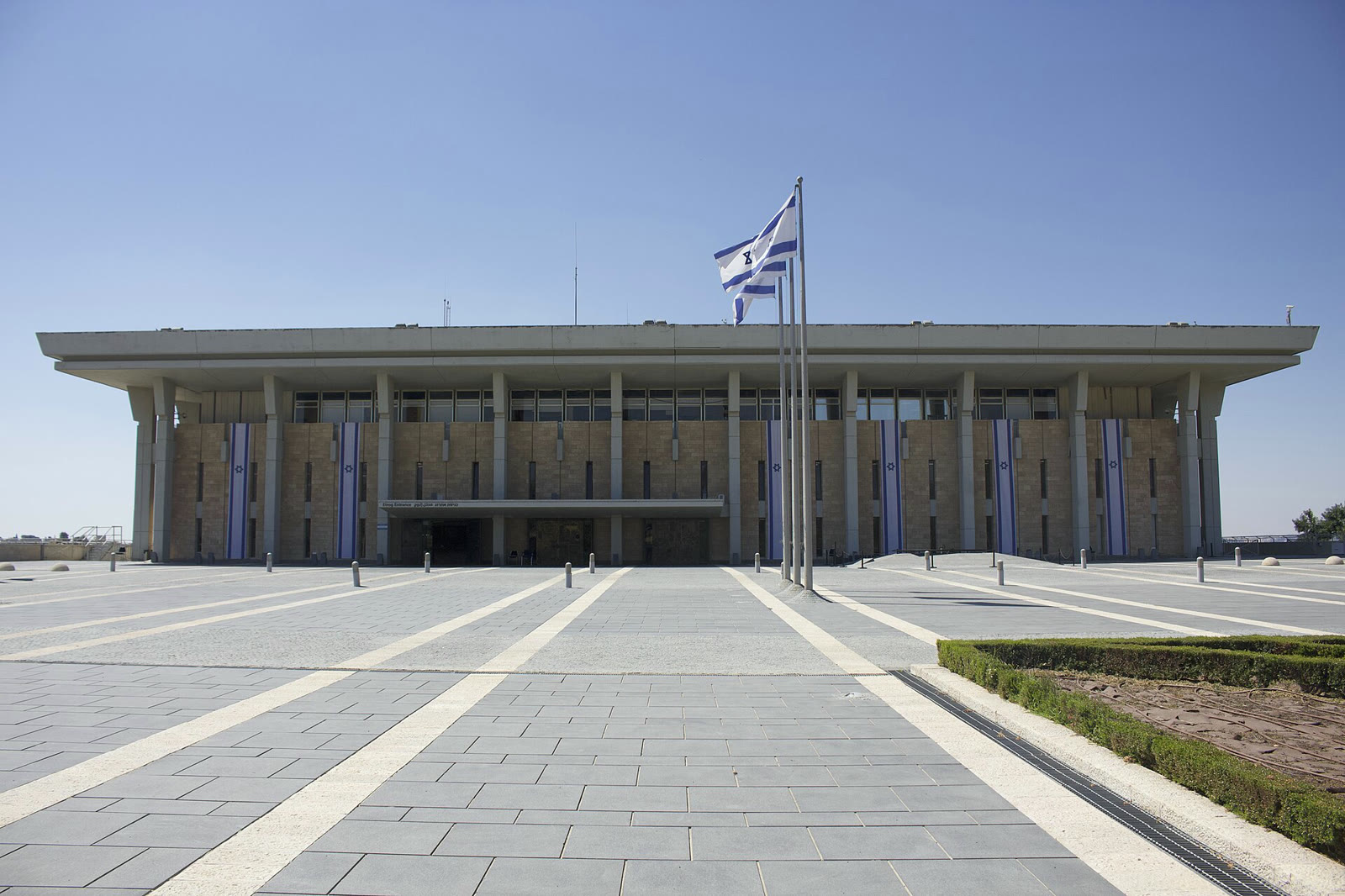
Responding to opposition accusations that he was seeking a military conflict for political purposes before the election, Netanyahu said such a conflict would not serve Israel’s interests.
The Israeli prime minister claimed that approximately 60 percent of the objectives had been reached in security operations against the Iranian axis and said additional operations might be necessary.
Netanyahu claimed that Iran had been on the verge of destroying Israel a year earlier. He argued that Israel had eliminated this threat to his country.
Claim of preparations for a missile attack on election day
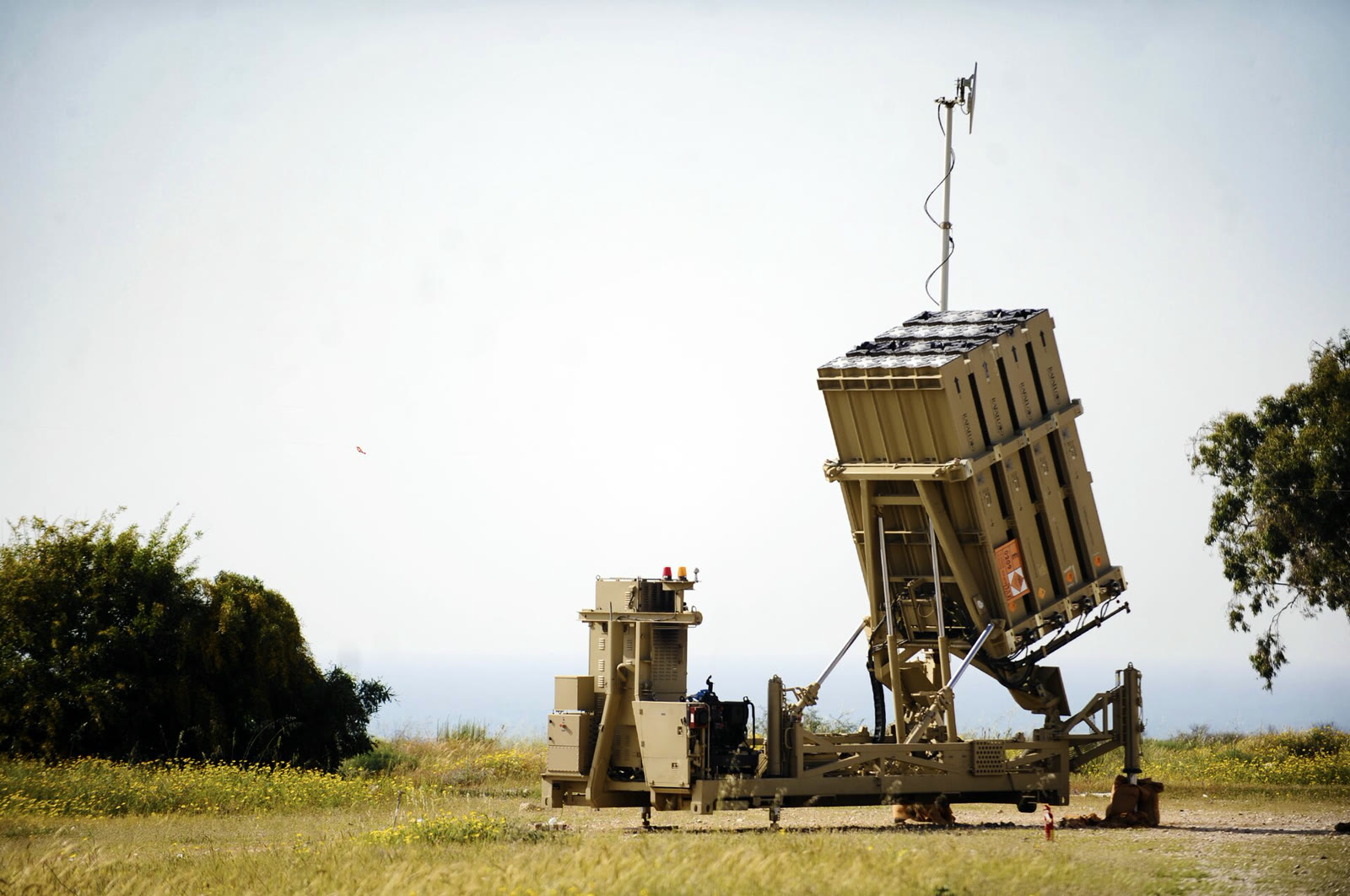
A newspaper published in Israel claimed that preparations were being made for a possible missile attack from Iran on election day. The newspaper also claimed that intelligence assessments concerning plans by Iran to disrupt the election had increased in recent weeks.
It was claimed that Judge Noam Solberg, chairman of Israel’s Central Elections Committee, held special meetings on the threat. One of the emergency scenarios considered by the committee was the possibility of an intense missile attack being launched simultaneously with the opening of polling stations on the morning of October 27, disrupting the electoral process.
Background to tensions with Iran
The United States and Israel launched a war against Iran on February 28, and thousands of people were killed in the fighting. Iran responded with attacks on Israel as well as on U.S. targets in the region.
A ceasefire was reached in April. Washington later carried out attacks on targets inside Iran, and negotiations between the two countries ended without a result.
Disputes between Washington and Tehran centered on maritime traffic through the Strait of Hormuz, energy shipments and global trade.
Stay Updated with Hilal Times
Subscribe to be informed about special news, developments and announcements. We will keep you informed.
By signing up, you agree to our Privacy Policy