- BIST10011,585-1.16%
- USD49.45+0.05%
- EUR55.62+0.37%
- GOLD4,183.60+0.06%
- INTEREST37.00%-1.00
- BITCOIN82,537+0.64%
- October 19, 202617°
- BIST10011,585-1.16%
- USD49.45+0.05%
- EUR55.62+0.37%
- GOLD4,183.60+0.06%
- INTEREST37.00%-1.00
- BITCOIN82,537+0.64%
- October 19, 202617°
Netanyahu says Israel is building a barrier from the Yarmouk to Eilat
Israeli Prime Minister Benjamin Netanyahu announced during an inspection in the Jordan Valley that Israel is building a major barrier along its eastern border, stretching from the Yarmouk River to Eilat. The project is planned to include measures against unmanned aerial vehicles, military arrangements and multilayered security infrastructure.
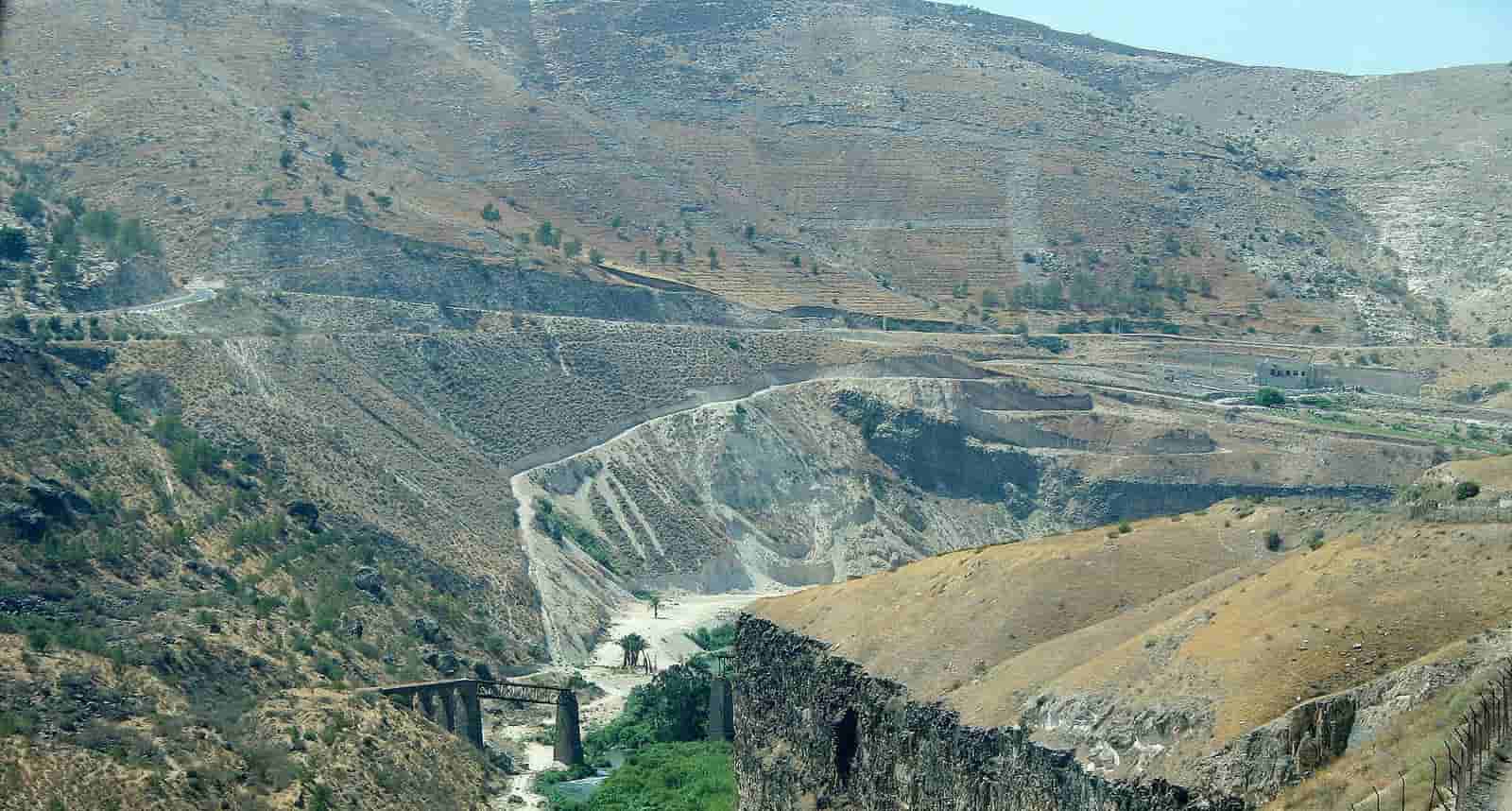
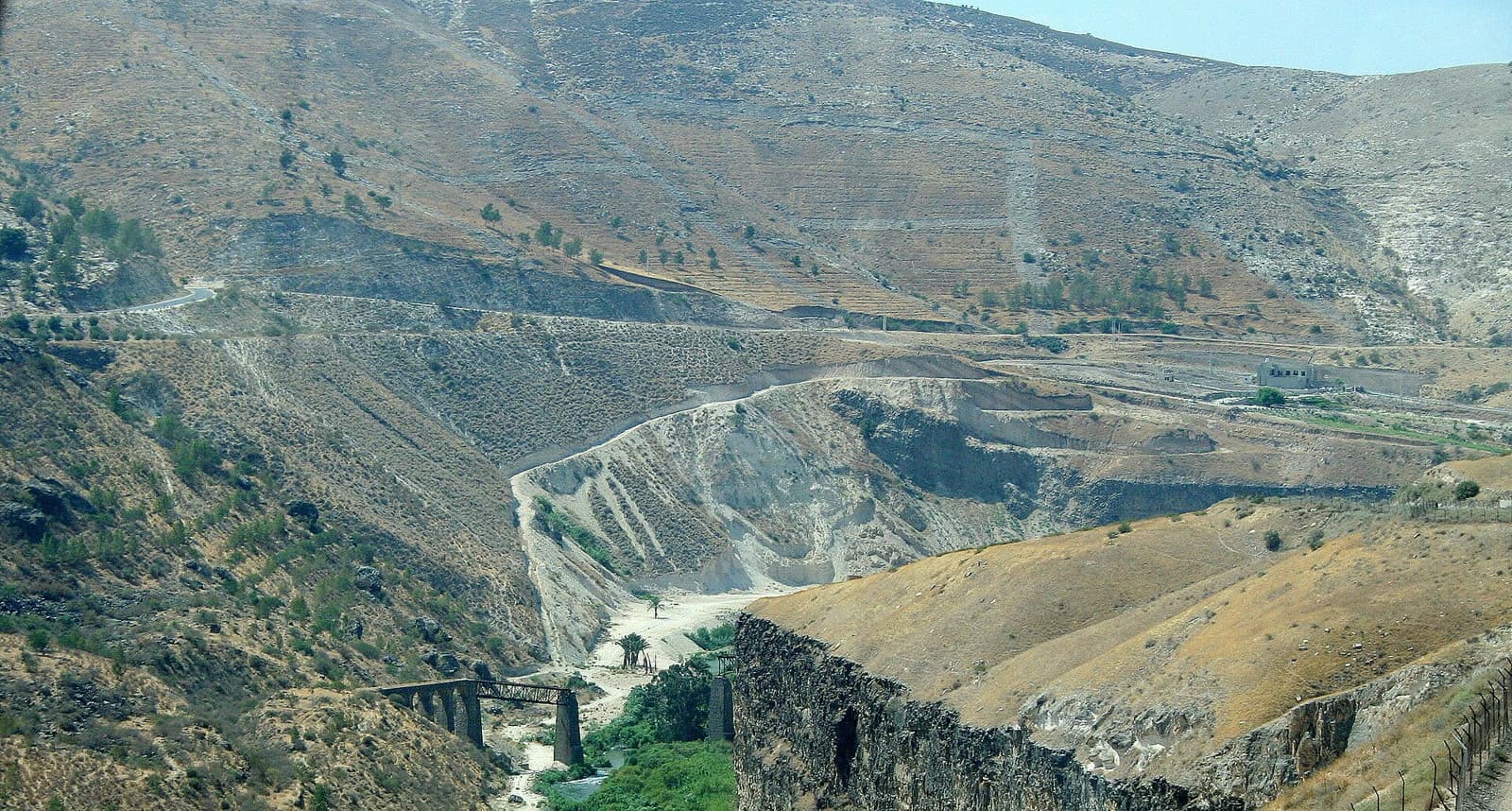
Israeli Prime Minister Benjamin Netanyahu announced during an inspection in the Jordan Valley a major barrier project that will extend along the country's eastern border.
According to a statement from Netanyahu's office, the structure will stretch from the Yarmouk River in the north to Eilat in the south. Netanyahu inspected the work at the site of the new barrier and efforts to strengthen security systems in the area.
Barrier plan includes measures against UAVs
Speaking during the inspection, Netanyahu said, "We are surrounding the State of Israel with a major barrier." Netanyahu said the project would be implemented along the line between the Yarmouk River and Eilat, adding that the plan included preparations against unmanned aerial vehicles as well as military arrangements.
Netanyahu also discussed security plans for places in Lebanon, Syria and Gaza that he described as areas under Israel's control. Saying he would not disclose details, Netanyahu said they aimed through these efforts to protect Israeli citizens and prevent a possible invasion of the country.
Israeli Defense Minister Israel Katz, who accompanied Netanyahu, said their first priority against Iran and nearby threats was "to attack, destroy the enemy and eliminate the threats." Katz had announced that the use of drones with fiber-optic cables and cellular network connections would be banned in Israeli airspace on September 13. Israel's electronic defense systems were reportedly ineffective during Hezbollah's attacks with fiber-optic-linked kamikaze UAVs.
Security cabinet approved plan in 2025
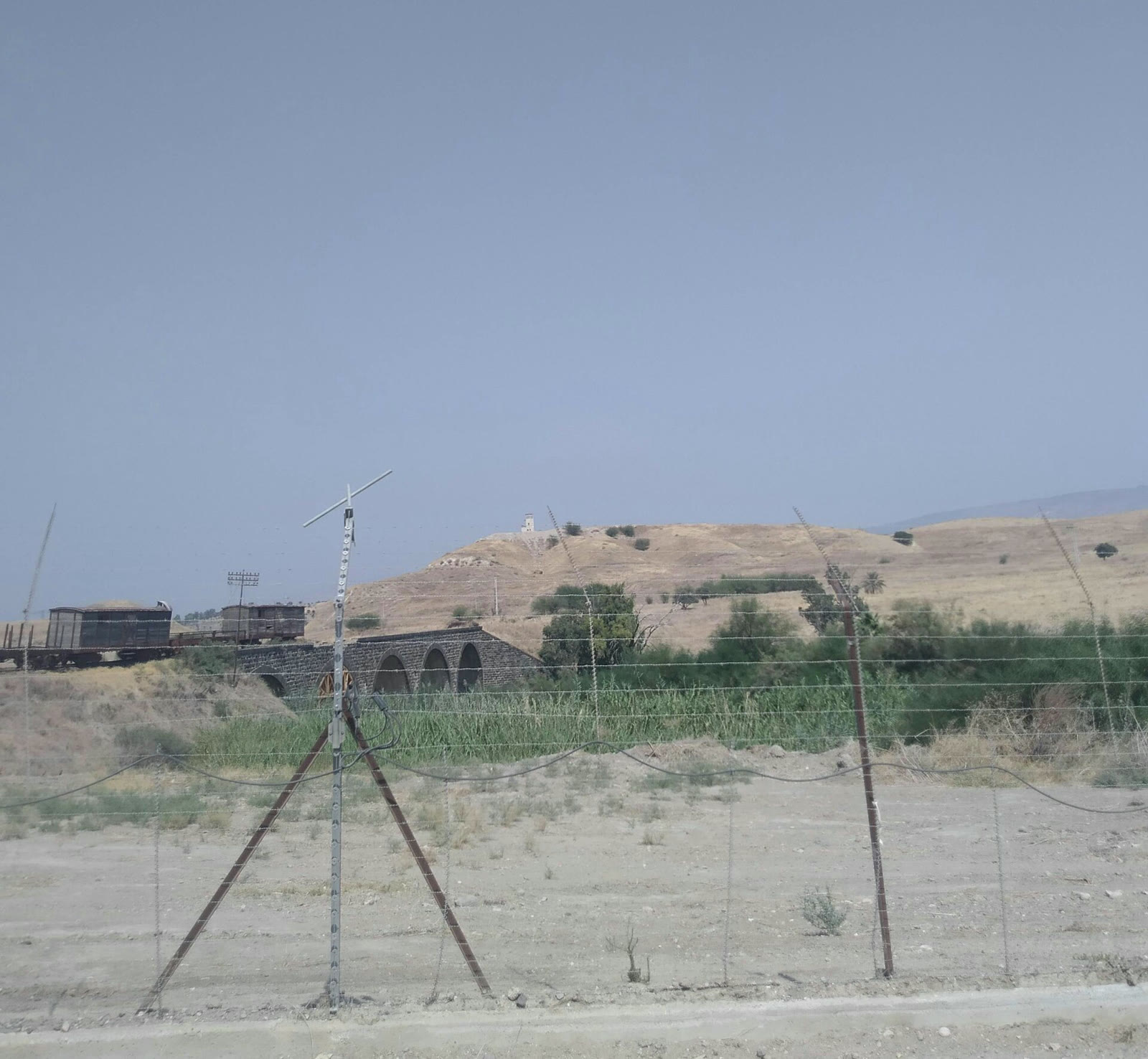
Israel's security cabinet approved a plan to establish a technological security barrier along the eastern border on May 25, 2025, at the initiative of then-Defense Minister Israel Katz. The plan was intended to strengthen Israel's presence in the Jordan Valley.
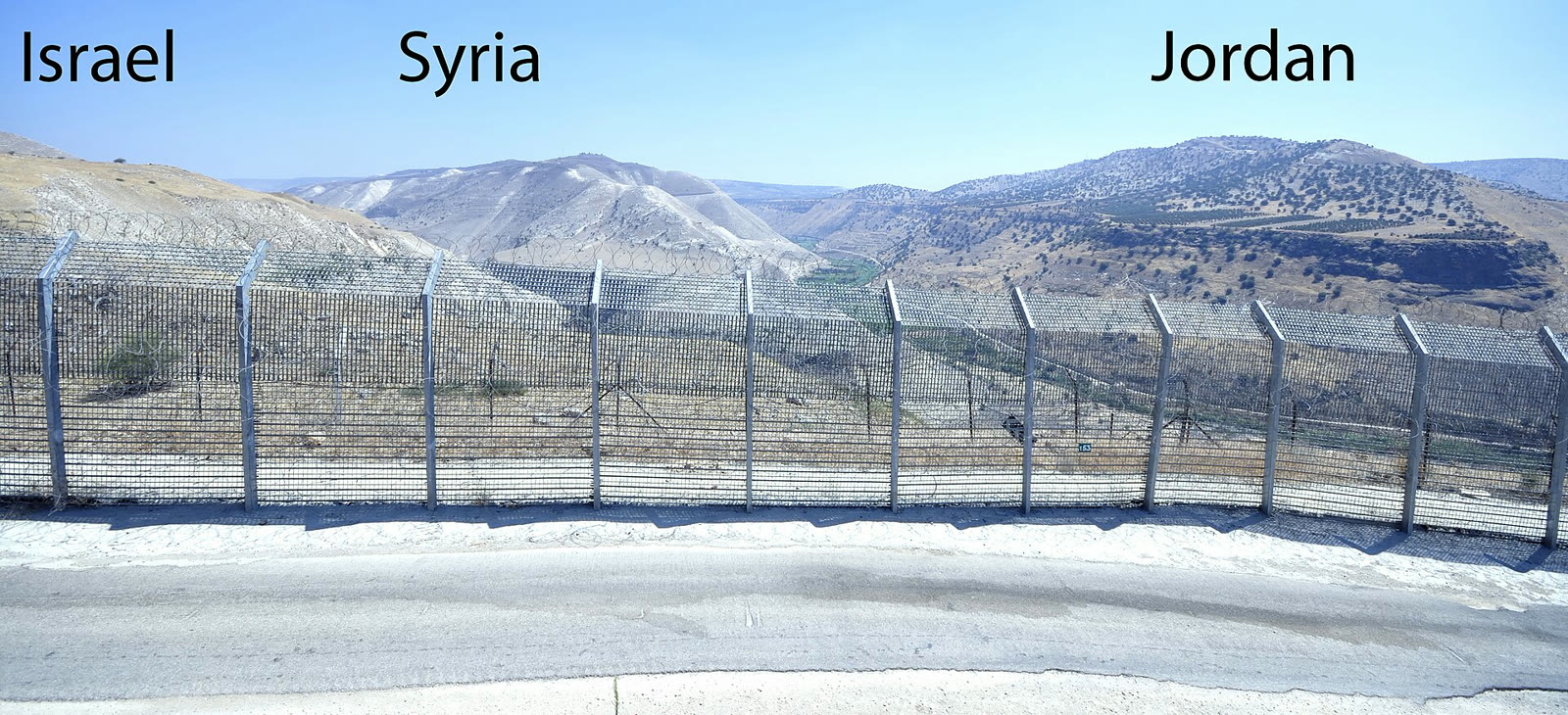
Under the project, a 425-kilometer multilayered defense system will be built between the Hamat area near the Yarmouk River and the Samar dunes north of Eilat. The project, whose cost is estimated at 5.2 billion shekels, approximately $1.4 billion, is planned to be completed within three years.
The system is expected to consist of more than just a barrier; advanced sensors, mobile military units and command-and-control infrastructure will also be included in the project.
Warning concerning Palestinian families in the Jordan Valley
The Jordan Valley is located in Area C of the occupied West Bank, where Israel exercises civil, administrative and security control. Area C accounts for approximately 61 percent of the West Bank.
Israeli human rights organization B'Tselem announced on August 18 that 47 Palestinian families, comprising more than 300 people, in the northern Jordan Valley faced the risk of displacement. The organization said that access to water for homes had been cut off because of actions by the Israeli army and settlers.
B'Tselem argued that a new Israeli wall known as the "Red Line" in the area risked severing Palestinians from their land and seizing approximately 50,000 dunams of territory. It was alleged that the wall, approximately 22 kilometers long, passed through agricultural land; that olive trees were uprooted during excavations that began in March 2026; and that agricultural areas, water networks and irrigation systems were damaged.
The organization claimed that the damage to water infrastructure and the increase in settler attacks aimed to force the remaining Palestinian communities in the area to leave. Reports by Palestinian, Israeli and international human rights organizations have also stated that some Palestinian communities in the West Bank have been forced to leave their areas because of practices by the Israeli army and settler attacks.
Stay Updated with Hilal Times
Subscribe to be informed about special news, developments and announcements. We will keep you informed.
By signing up, you agree to our Privacy Policy