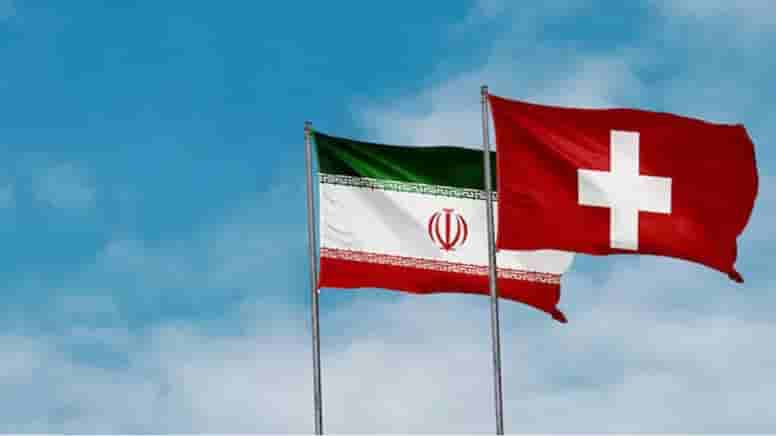
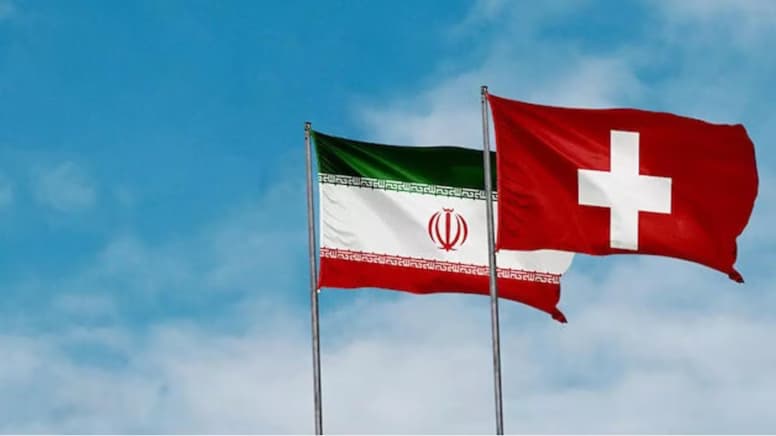
The Iran war, which started with Israeli and US attacks, has been under a fragile ceasefire since April 8. A framework agreement aimed at ending the conflict is expected to be signed in Switzerland on Friday.
Although fighting on the ground has decreased, the political and diplomatic repercussions of the war continue. The process raises not only military balance questions but also which side has gained the upper hand at the negotiation table.
Iran Severely Weakened Militarily
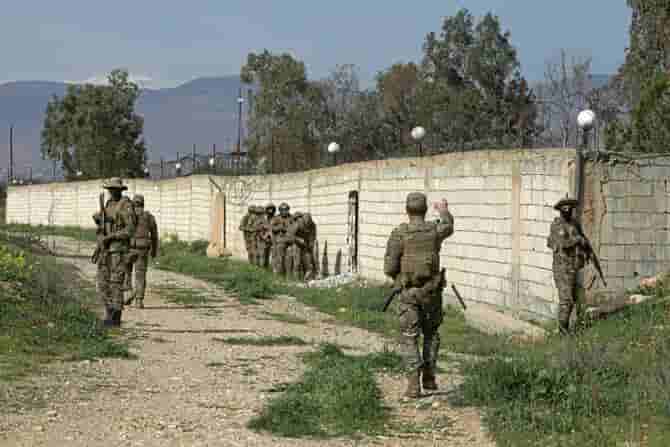
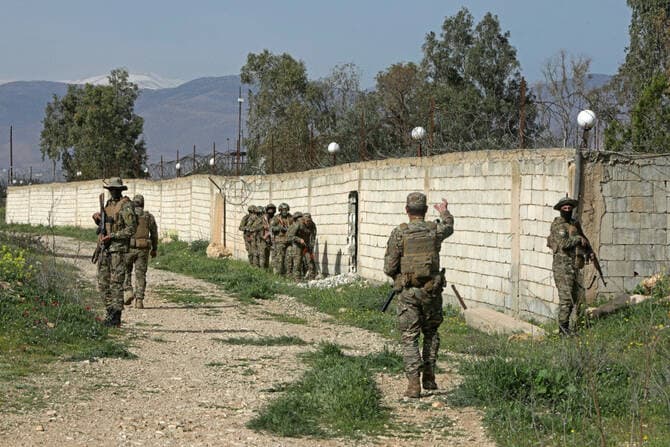
During five weeks of attacks, much of Iran's air defense systems, a significant portion of its missile stockpiles, launch ramps, senior military command structure, and key nuclear facilities were damaged. This situation indicates serious military attrition for Iran.
However, it is also noted as a significant outcome that Iran has managed to withstand US-Israeli pressure in some regional capitals. Iran's Deputy Foreign Minister Kazem Garibabadi stated that his country has "achieved great victories" in the war.
Framework on Nuclear Issue, Uncertainty in Details
The expected agreement framework is anticipated to reaffirm that Iran is not pursuing nuclear weapons. However, details regarding enriched uranium stockpiles and possible suspension of enrichment are expected to be deferred to a more comprehensive second agreement.
The emerging text is described as a framework that lays the groundwork for future negotiations on these issues. It is also recalled that Iran has previously tended to prolong such talks.
Sanctions Relief and Strait of Hormuz on the Agenda
Although Iran has not fully closed the Strait of Hormuz, it is argued that disruptions have been used as a pressure tool. In this context, sanctions relief and economic easing are seen as possible parts of the negotiations.
The agreement text reportedly does not include topics such as ballistic missiles, support for armed groups, and the power structure of the regime. Therefore, it is assessed that the potential agreement might be softer than what diplomacy could achieve before the war.
Expectations Diverge in Washington and Tel Aviv
It is reported that the Trump administration initially expected a rapid regime collapse when entering the conflict but shifted its priority to ending the war after this did not occur. The Israeli side is said to be seriously disappointed with the outcome.
Israel apparently believes the agreement does not sufficiently limit Iran's missile and nuclear capabilities. However, it is noted that both sides may present this as a gain from their perspective, with lasting results depending on binding and verifiable restrictions to be established in subsequent talks.