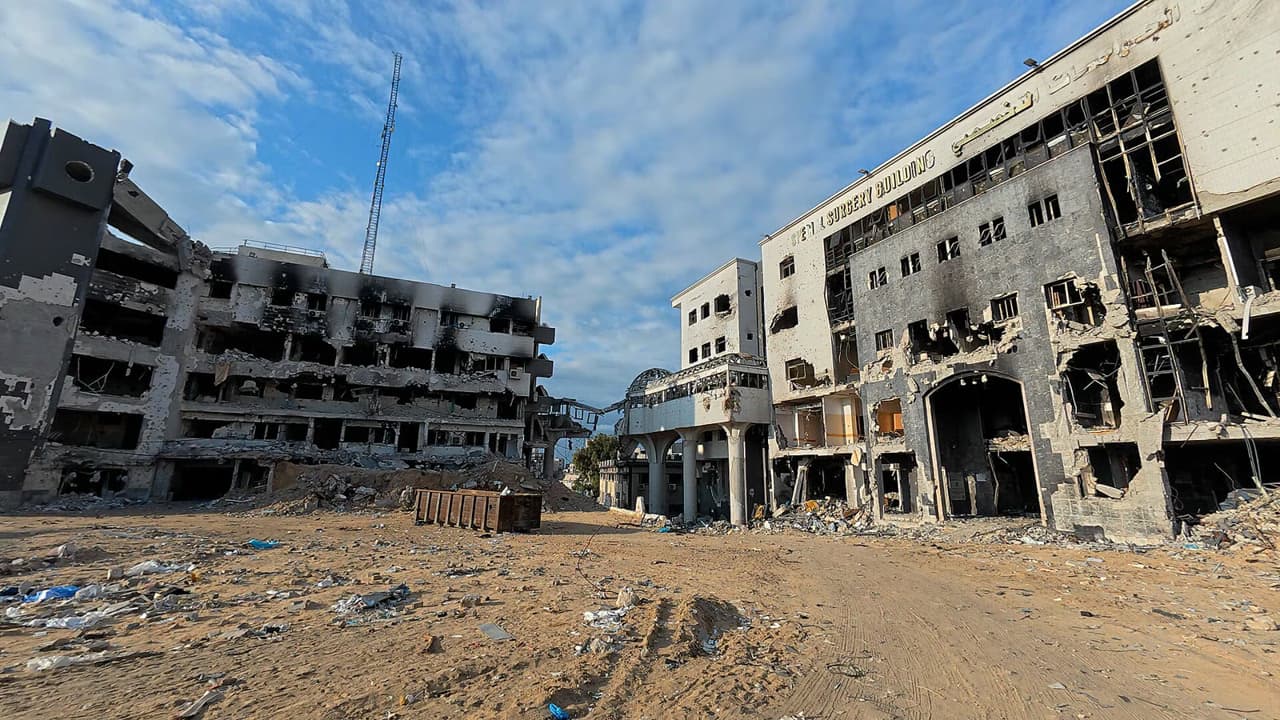
Restoring health services in Gaza requires international support as well as a comprehensive recovery process led by Palestinians.
Palestinian Health Minister Majed Abu Ramadan joined by video link an online meeting organized by the World Health Organization on early recovery in Gaza and the reconstruction of its health system. The Palestinian Health Ministry said the meeting, held on Wednesday, addressed the damage and health needs in Gaza and how the emergency humanitarian response could be aligned with early-recovery and long-term reconstruction objectives.
Abu Ramadan said urgent and coordinated international action was needed to rebuild the health system in the Gaza Strip. He said reconstruction meant more than repairing health facilities and medical equipment, adding that the capacity to provide essential services sustainably also needed to be restored.
Health priorities for Gaza
The Palestinian health minister said primary healthcare, emergency services, rehabilitation and mental health services needed to be strengthened. He said these steps aimed to safeguard Gaza residents’ right to access treatment and healthcare.
Priorities identified by the Palestinian Health Ministry for the health sector included rehabilitating damaged facilities, restoring essential medical services, supplying medicines and medical materials, supporting health workers and developing sustainable financing mechanisms.
Representatives of the World Health Organization, international partners and United Nations agencies attended the meeting. Abu Ramadan said the recovery and reconstruction process should advance under Palestinian leadership and ownership.
Abu Ramadan said the process should be carried out in partnership with the World Health Organization and relevant international organizations, adding that the work should align with the priorities of the Palestinian Health Ministry and the health recovery plan prepared for Gaza.
Hospitals face shortages of fuel and maintenance supplies
The Palestinian Health Ministry said Abu Ramadan’s participation in the meeting took place ahead of the online week of the 73rd session of the WHO Regional Committee for the Eastern Mediterranean.
Munir al-Barsh, director general of Gaza’s Health Ministry, announced on September 14 that the World Health Organization had decided to halt diesel deliveries to more than 20 hospitals and health centers from September 19 because of insufficient funding. The WHO did not comment on the decision, although it had said in recent months that funding for its activities and programs had declined.
Al-Barsh’s statement came as hospitals faced shortages of motor oil and spare parts for the electricity generators they use. Some hospitals operating in Gaza said they had reduced services because of operational problems caused by shortages of fuel and maintenance supplies.
The Gaza Government Media Office has repeatedly said that Israel had failed to fulfill its obligations concerning the entry of aid and fuel quantities under the ceasefire it said had been in effect since October 10, 2025.