The Italian Senate building in Rome hosted an event at which Palestinian youth from the West Bank and Jerusalem shared their testimonies. The speakers described the difficulties Palestinians face in daily life in relation to detention, travel and access to health services.
"Invisible voices from Palestine to Italy" was organized by Italian Senator Mariolina Castellone of the Five Star Movement. The gathering addressed the current situation in the occupied West Bank and Jerusalem through the accounts of young Palestinians.
Fear of detention affects social activities
Rami Naser Eddin, executive director of the Palestine Vision Organization, said that one way to resist the occupation was for people to remain in their homes and on their land. Eddin said Palestinians were regularly detained by Israeli soldiers.
Arguing that the detentions took place without judicial proceedings, Eddin said that even nonviolent social activities were conducted without prior announcement because of fears of detention.

Palestinians face movement and identity problems
Palestinian student Lujayn Abdul Latif described the difference between her own experience and that of people who have the opportunity to study or work abroad. Latif said that while others think about their housing and livelihood, she thinks about whether she will be able to return home and whether she can live without an identity document.
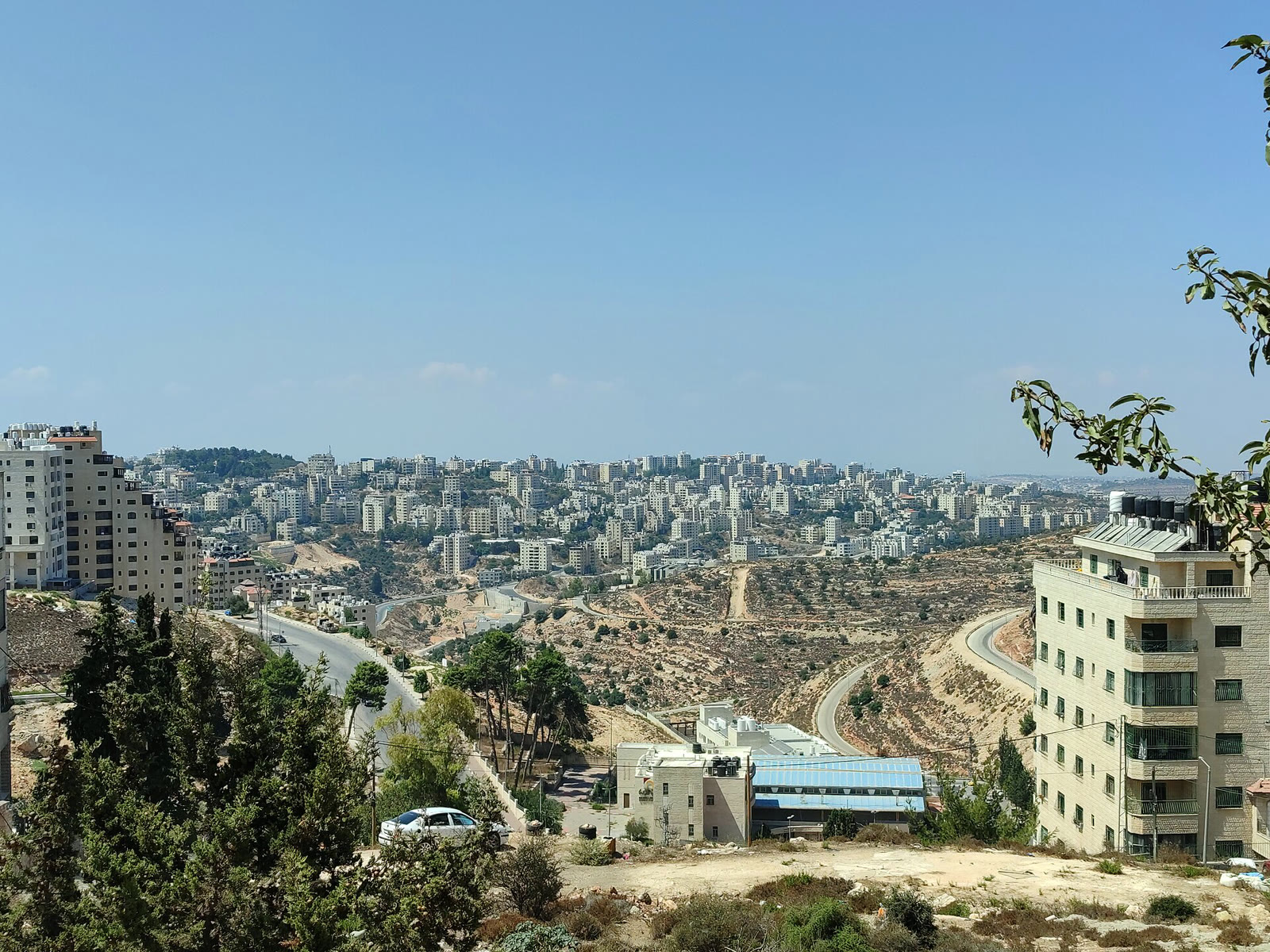
Kader Abdo said she could see Bethlehem, parts of the West Bank, the Dead Sea and the hills of Jordan from the area where she lived, but that reaching these places was far more difficult than seeing them.
Abdo said that travel from one place to another within Palestine was determined by documents, checkpoints and travel permits. She said she was born and lived in Jerusalem and was identified on her identity document as a permanent resident rather than a citizen.
Medical teams wait at checkpoints
Medical student Adem Abbasi said medical teams could not always reach patients. Abbasi said they had waited for permission at a checkpoint to collect a child who needed to be taken to Jerusalem, and were later directed to another crossing.
Abbasi said ambulance teams also faced problems beyond checkpoints and traffic, adding that Israeli settlers and soldiers created obstacles on the roads. Abbasi said 31 ambulances and four emergency response centers had been lost in Gaza.
Abbasi also said that his family had never been able to live in the house his father built with a major investment. He said Israeli soldiers came to the house and told them that the structure had to be demolished.
Prisoners and settler attacks
Nur Muhaysen argued that Palestinian prisoners in Israeli jails were subjected to torture and deprived of medical care. Muhaysen called for pressure to be placed on Israel to improve the prisoners’ conditions.
Hind Abu Shahdim said Hebron was the only city in Palestine where Israeli settlements were located in the city center. Abu Shahdim said settlers behaved aggressively in the area and that in some neighborhoods where she lived, many women were unable to receive an education because of settler attacks.