- BIST10011,843+1.51%
- USD50.28+0.05%
- EUR55.60-0.24%
- GOLD3,886.30+0.03%
- INTEREST36.00%-1.00
- BITCOIN64,591+0.73%
- November 15, 202612°
- BIST10011,843+1.51%
- USD50.28+0.05%
- EUR55.60-0.24%
- GOLD3,886.30+0.03%
- INTEREST36.00%-1.00
- BITCOIN64,591+0.73%
- November 15, 202612°
Pezeshkian in Antalya seeks compensation for Iran’s war-related environmental damage
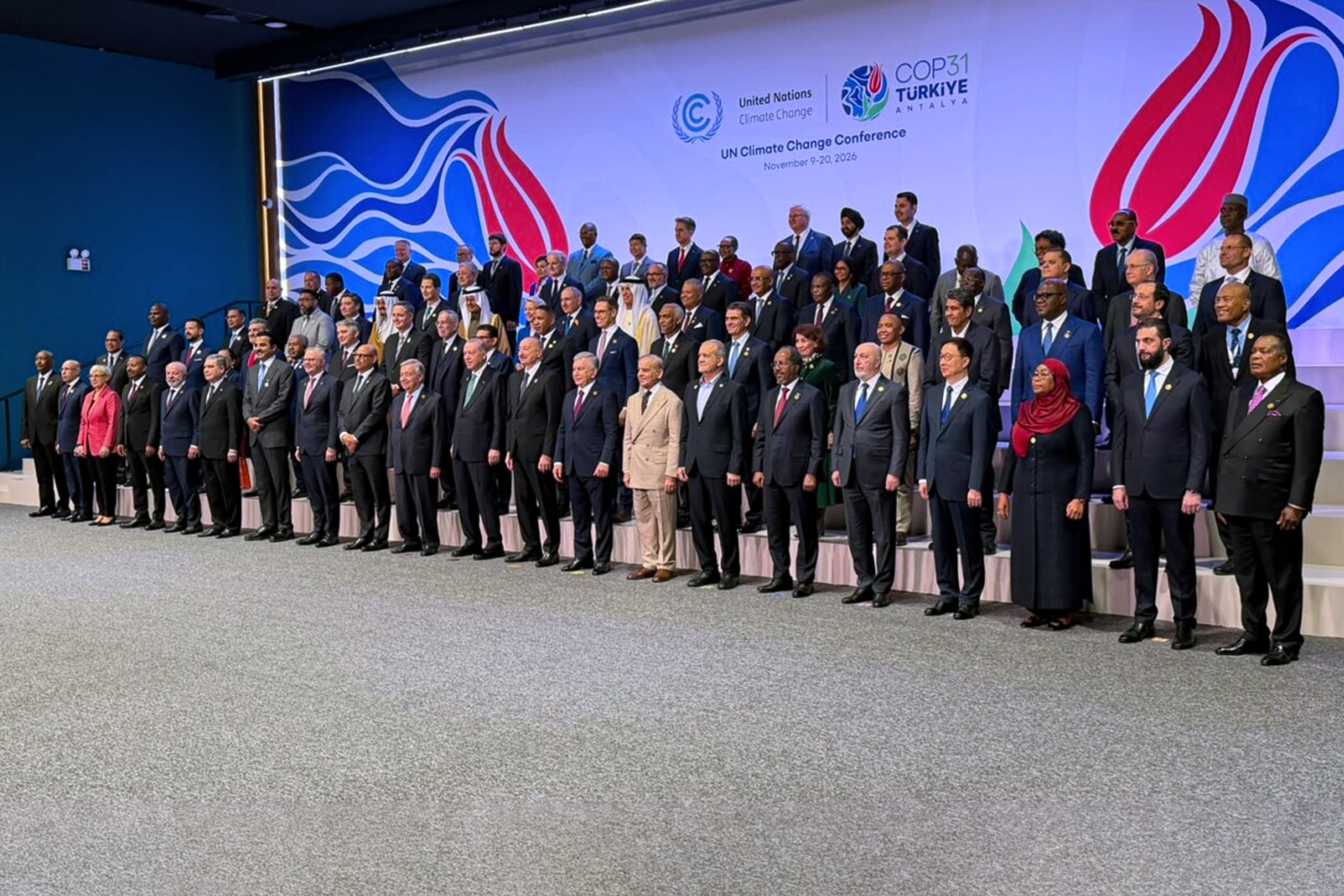
Iranian President Masoud Pezeshkian called in his address to the UN Climate Change Conference (COP31) in Antalya, Türkiye, for international mechanisms to assess and compensate for the environmental damage caused by US and Israeli strikes on Iran. He estimated that attacks on fuel facilities released about 1.5 million tons of carbon dioxide.
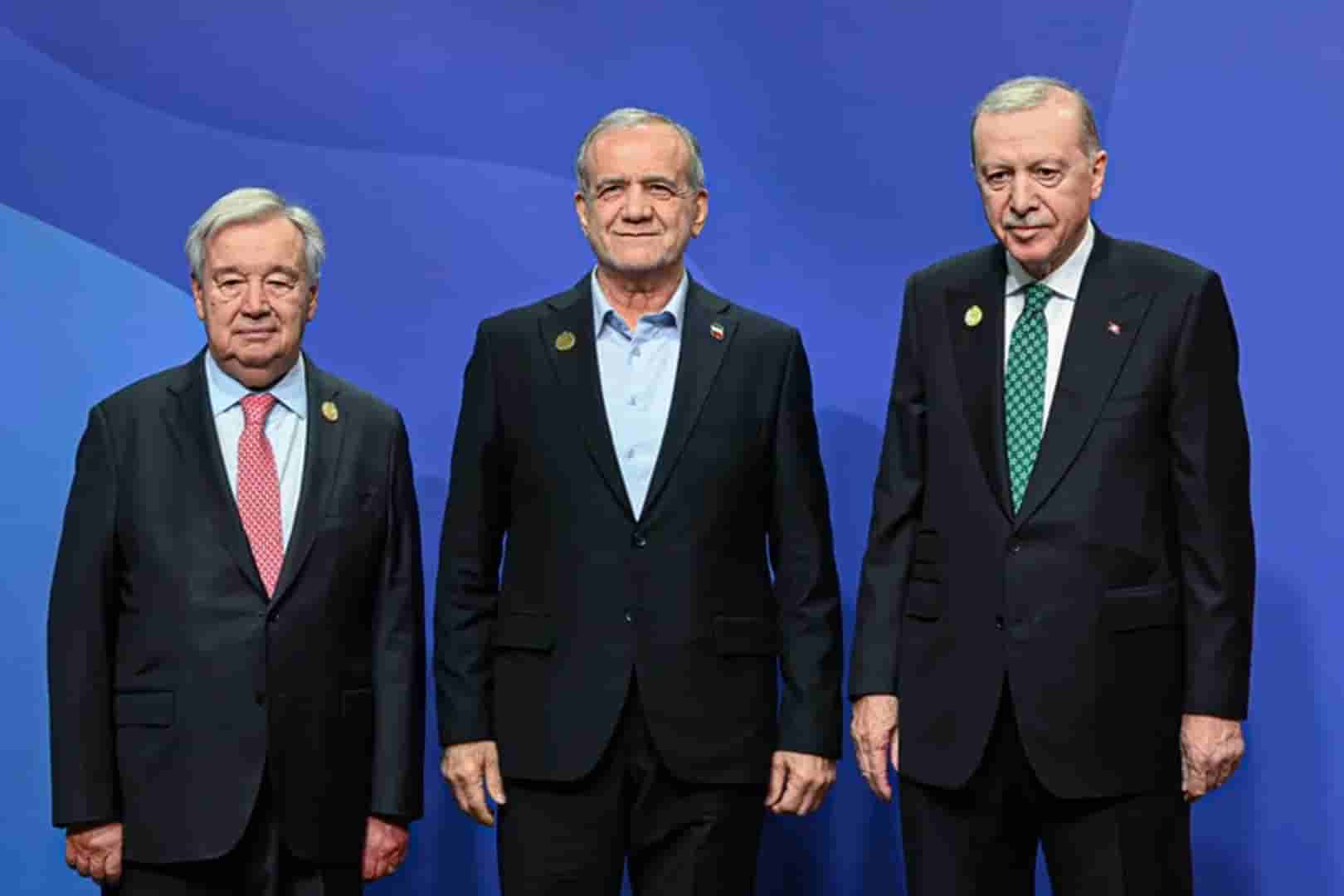
Iranian President Masoud Pezeshkian delivered an address to the UN Climate Change Conference (COP31) in Antalya, Türkiye, calling for international mechanisms to assess and compensate for the environmental damage caused by US and Israeli military strikes on Iran.
Pezeshkian said: “We expect the international community to establish a genuine and effective link between climate commitments in times of peace and responsibility in times of war, document and assess the environmental damage caused by military aggression, and create compensation mechanisms.”
The Iranian president said the military campaign that began on February 28 caused extensive human, economic and environmental losses. He estimated that strikes on fuel facilities released about 1.5 million tons of carbon dioxide, including 500,000 tons from attacks on facilities in Asaluyeh in the south of the country on March 18, and 1 million tons from the bombing of fuel tanks near Tehran on March 7. He also pointed to damage to nature reserves and environmental protection centers, warning that it threatened natural resources and future generations.
Current international climate agreements allocate billions of dollars from wealthy countries to help developing countries adapt to climate change, but they contain no provisions covering the environmental impact of military operations. The effects of the war also extended to Lebanon and the Gulf, including repeated strikes on energy facilities in the region and attacks on oil tankers in the Strait of Hormuz that caused major oil spills.
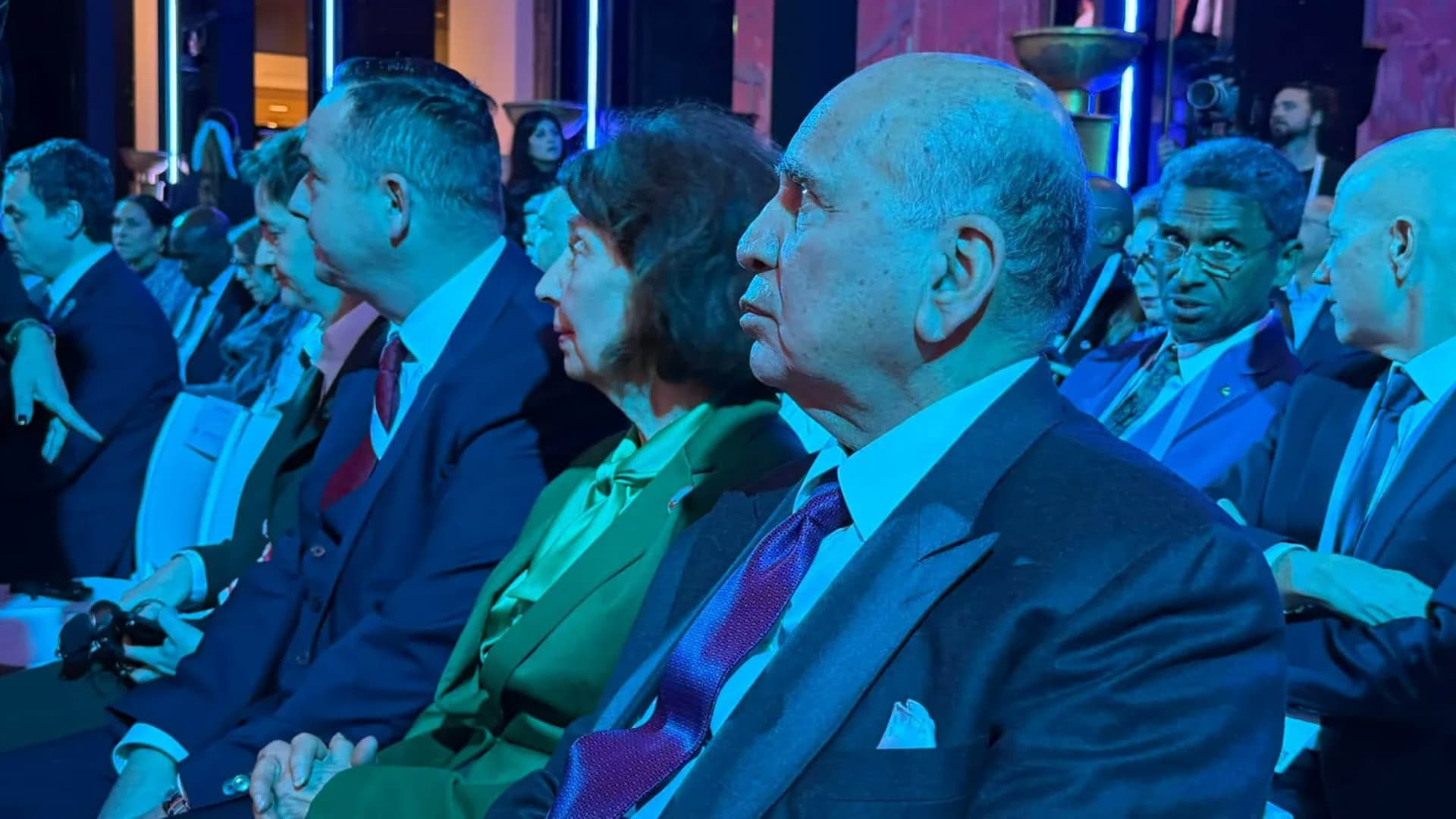
Türkiye is hosting COP31 in Antalya from November 9 to 20, with the participation of leaders and negotiators from around the world. On the sidelines of the summit, Pezeshkian held meetings with the Iraqi president, the prime ministers of Pakistan and Norway, and Armenian Prime Minister Nikol Pashinyan.
Stay Updated with Hilal Times
Subscribe to be informed about special news, developments and announcements. We will keep you informed.
By signing up, you agree to our Privacy Policy