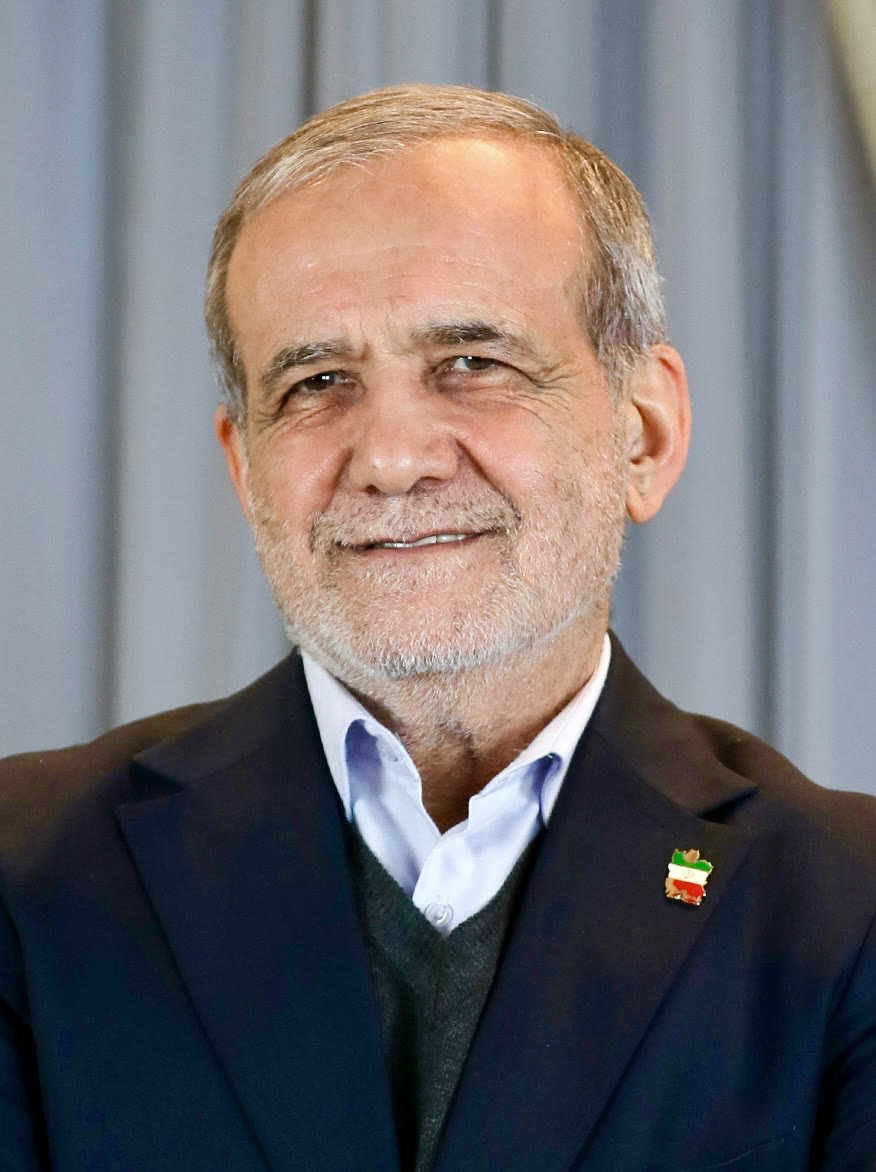
Iranian President Masoud Pezeshkian said in a phone call with Vladimir Putin that an agreement could be reached with Washington if the United States adheres to the rules of international law.
The Iranian Presidency said the call covered Iran-U.S. negotiations, regional developments and relations between the two countries. Pezeshkian also briefed Putin on the negotiations conducted with Pakistan’s mediation.
Pezeshkian argued that Washington’s “double standards and maximalism” were the main obstacles to a fair settlement. He said Iran was ready for a “balanced and fair” agreement that would ensure lasting peace and security in the region.
The Iranian president described Tehran’s red line as “Iran’s national interests and the rights of the Iranian people.” He reiterated that an agreement remained possible if the United States acted within the framework of international law.
Describing the Gulf countries as Iran’s “brothers,” Pezeshkian expressed regret that U.S. military bases in those countries were being used in attacks against Iran. He said Tehran was ready to cooperate with its neighbors to strengthen regional peace and security without the intervention or presence of powers from outside the region.
Putin reiterated Moscow’s support for diplomatic initiatives aimed at ending the war through political means. Saying that Russia could continue contributing to a diplomatic solution, Putin stressed that Iran’s sovereignty and territorial integrity must be respected.
The Russian president also supported Iran’s demands for compensation for damage sustained during the war and long-term security guarantees against new attacks.
Iran-Russia partnership to be expanded
The two leaders reiterated their determination to expand cooperation under the Comprehensive Strategic Partnership Agreement and maintain coordination on international platforms.
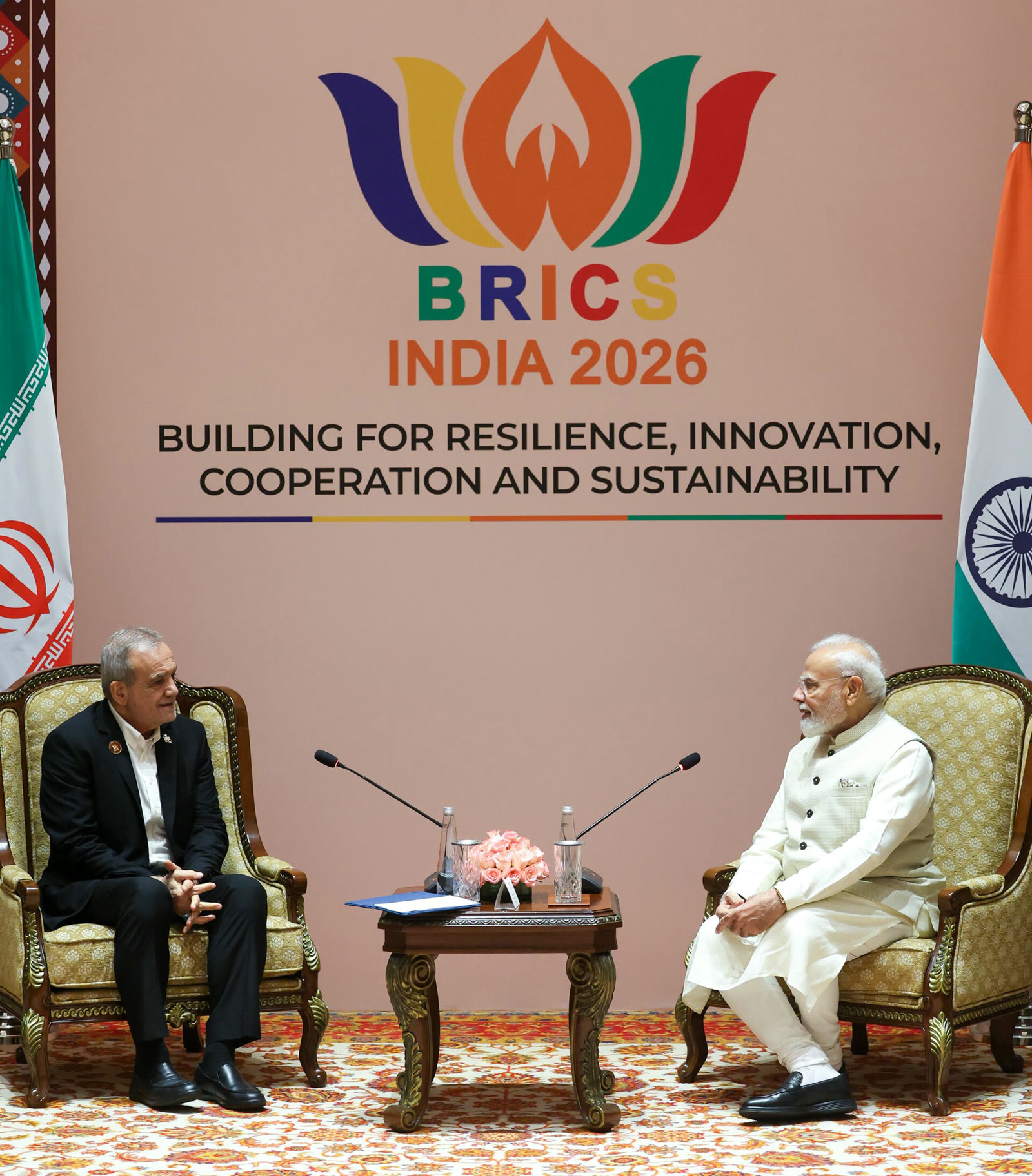
Iran and Russia signed the Comprehensive Strategic Partnership Agreement in January 2025 to strengthen cooperation in trade, energy, transportation and security.
Disputes in Iran-U.S. negotiations
After the war began with attacks by the United States and Israel against Iran, Iran launched retaliatory attacks in the region. Following mediation efforts by Pakistan and Qatar, Washington and Tehran signed an initial agreement in June to halt the clashes and pave the way for negotiations.
However, implementation of the agreement later stalled because of disagreements on various issues, particularly security and navigation in the Strait of Hormuz.