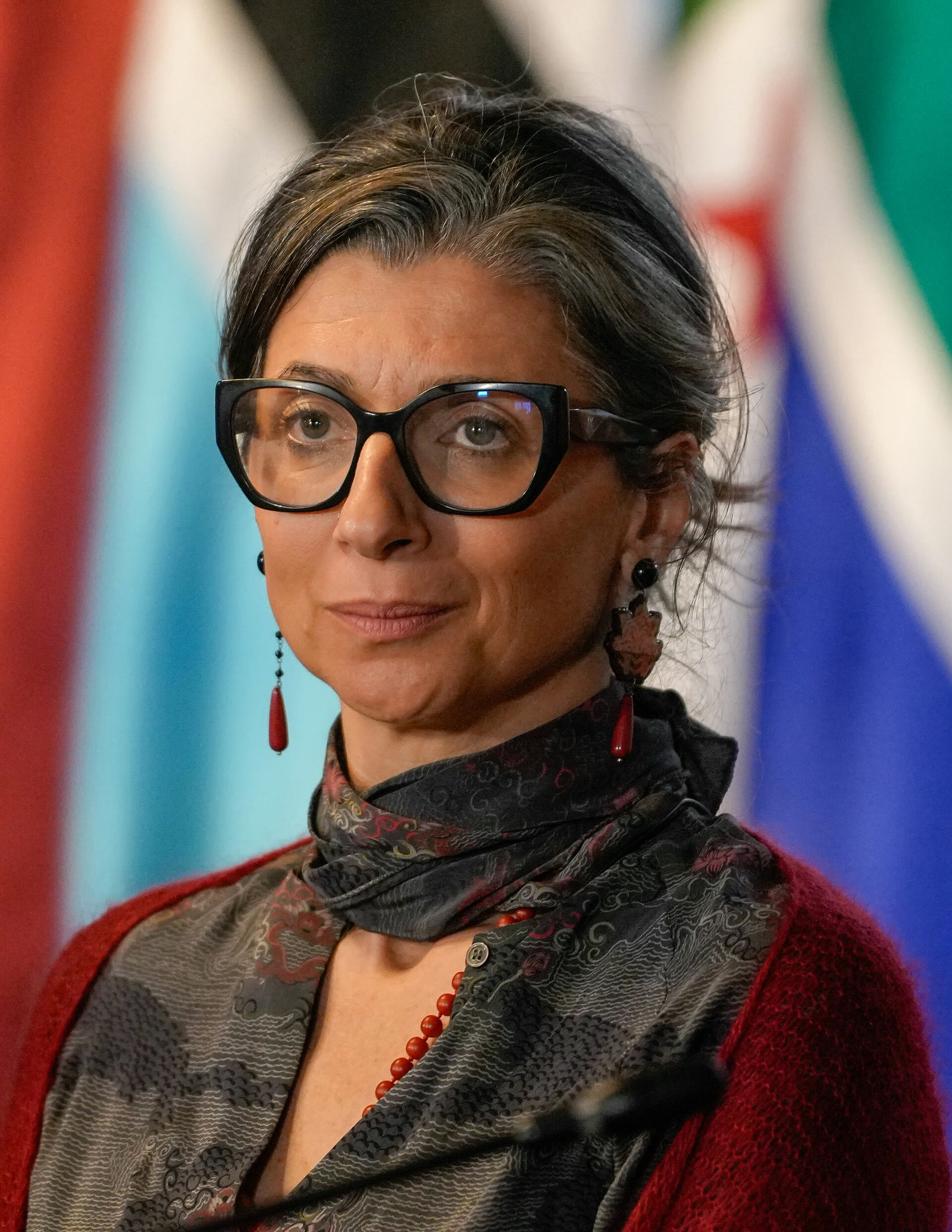
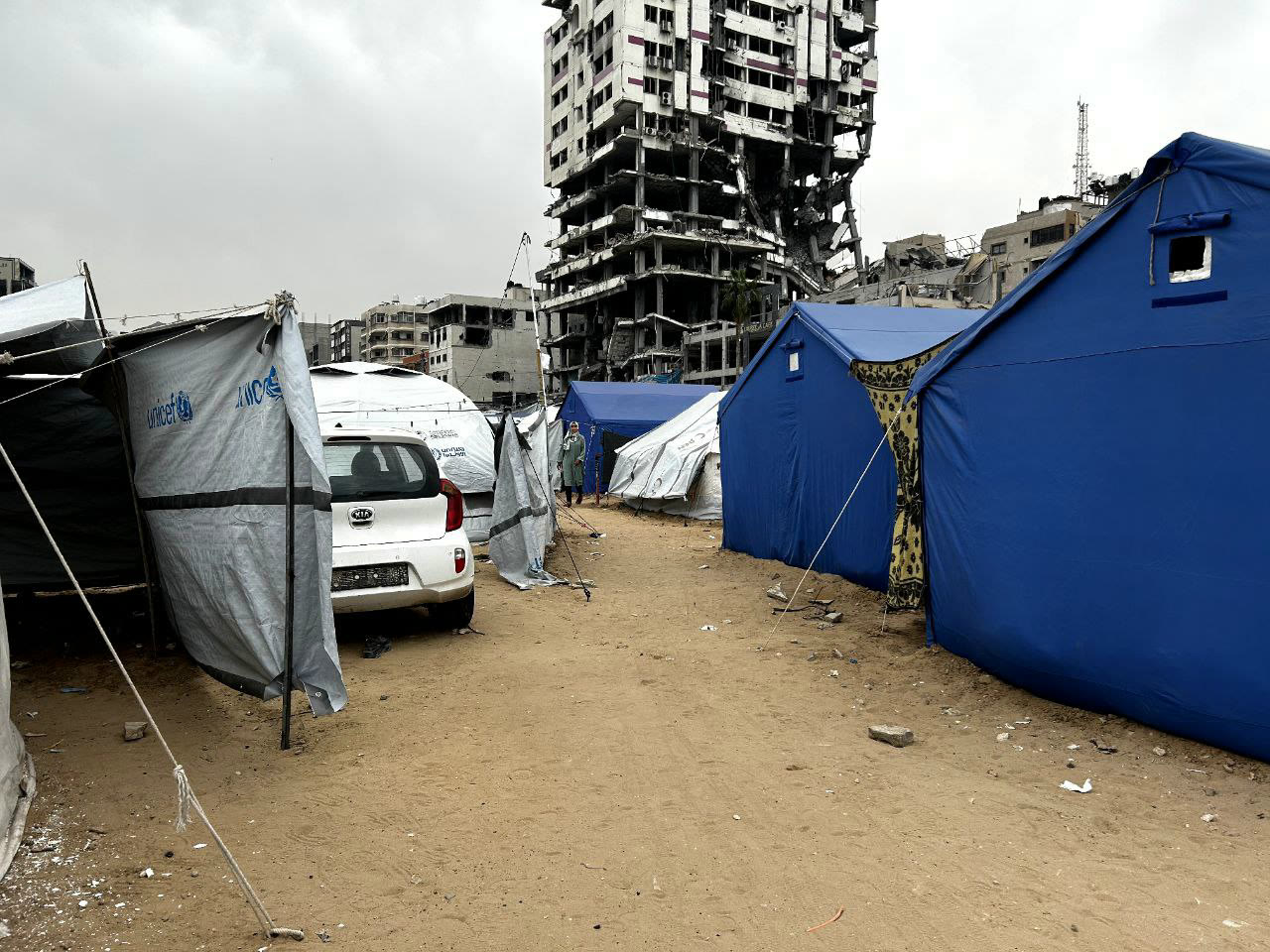
As the third year of the Gaza war came to an end, Francesca Albanese, the UN special rapporteur on the situation of human rights in the Palestinian territories occupied since 1967, said Palestinians could not be described solely as “survivors of genocide.” Albanese said destruction was continuing in Gaza and that conditions in Gaza and the occupied West Bank had become even more severe.
Albanese described the situation in Gaza as “beyond what words can express.” She said the continuing destruction raised questions about the scope of the international response, including the policies of governments supporting Israel.
According to Palestinian sources, more than 74,000 people have been killed and more than 175,000 injured in Gaza since October 2023. Despite the ceasefire that took effect on October 10, 2025, attacks continued, with 1,454 people killed and 5,090 injured in the period after the ceasefire.
Albanese warned that using the term “survivors of genocide” could create the impression that the danger had ended. She said the army controlled 70 percent of the Gaza Strip and that destruction was continuing across the area.
Gaza’s future place in history remains uncertain
Responding to a question about how Gaza would be remembered alongside genocides of the past, Albanese drew comparisons with genocides against Indigenous peoples during the colonial era. She said it was not yet known how history would be written and described the world as being at a “tipping point.”
Albanese described Gaza as the center of a broader struggle between those seeking to continue the exploitation and erasure of Palestine and those aiming to stop it. She said the first group included the United States, Israel and their allies, as well as those advocating greater militarization and expanded state surveillance powers.
Albanese also assessed electoral gains by politicians who criticized Israel’s actions in Gaza, arguing that the war had shaped public perceptions. She criticized Israeli leaders for claiming victimhood while facing criticism over attacks on civilians and said some European countries had adopted the same approach.
Pressure and settlement trade in the West Bank
Albanese said conditions in the occupied West Bank were deteriorating, drawing attention to killings, arbitrary detentions, arrests and restrictions imposed on Palestinian communities.
Albanese welcomed steps by France, the United Kingdom, Canada, Denmark, Spain, Finland, Ireland, Iceland, Norway, Poland, Portugal and Sweden to restrict trade with illegal Israeli settlements, but said the scope of these measures needed to be questioned.
Albanese described the United Kingdom’s restrictions on settlement products and financial support for the construction and infrastructure of settlements as a policy shift. She argued that the approach focused too heavily on settlements and contained no explicit reference to East Jerusalem.
Albanese also welcomed the United Kingdom’s steps to prevent the advertising and offering for sale of property belonging to Palestinians, saying the measure was important.
U.S. policy and the “Greater Israel” assessment
Albanese argued that the war had made visible the costs of Europe’s dependence on Washington. Claiming that the United States had threatened countries it described as partners, Albanese said the relationship between Europe and Washington was not one of equal partnership.
Albanese also called on Middle Eastern countries, alleging a connection between U.S. foreign policy and the goals of “Greater Israel.” She said the term “Greater Israel” was used for various views advocating the expansion of Israel’s control over the occupied Palestinian territories and that some proponents extended this concept to parts of Jordan, Syria and Iraq.
How the sanctions affected Albanese’s life
The United States imposed sanctions on Albanese in July 2025. U.S. Secretary of State Marco Rubio accused Albanese of waging a “political and economic warfare campaign” against the United States and Israel.
The Trump administration placed Albanese on the Specially Designated Nationals list, preventing U.S. citizens and companies from conducting transactions with her. Albanese said the sanctions also restricted her access to banking and financial services outside the United States.
The sanctions followed a UN report in which Albanese examined a corporate structure alleged to support Israel’s activities in Palestine. Her report alleged that major technology companies including Microsoft, Alphabet and Amazon profited from and facilitated the occupation and conflict.
A federal judge temporarily halted enforcement of the sanctions in May. An appeals court later allowed the sanctions to remain in effect while the legal challenge continued.
Albanese said the sanctions had made it more difficult for her to work, travel and cover her daily expenses. She said she could not use her credit cards, access health insurance or enter the United States, adding that she received no pay from her UN role but could not accept payment for her other work.
Albanese said she had become dependent on her family because she could not conduct financial transactions or receive payments. She said the sanctions had affected every aspect of her life as a UN expert, employee and mother.