- BIST10011,843+1.51%
- USD50.28+0.05%
- EUR55.60-0.24%
- GOLD3,886.30+0.03%
- INTEREST36.00%-1.00
- BITCOIN64,591+0.73%
- November 15, 202612°
- BIST10011,843+1.51%
- USD50.28+0.05%
- EUR55.60-0.24%
- GOLD3,886.30+0.03%
- INTEREST36.00%-1.00
- BITCOIN64,591+0.73%
- November 15, 202612°
Qalibaf: Strait of Hormuz will not return to its pre-war state
Iranian Parliament Speaker and chief negotiator Mohammad Bagher Qalibaf said in an interview with Al Jazeera that Tehran is awaiting an official U.S. response to its seven conditions. He said Russia and China are working alongside mediators Qatar and Pakistan, describing China as a strategic partner.
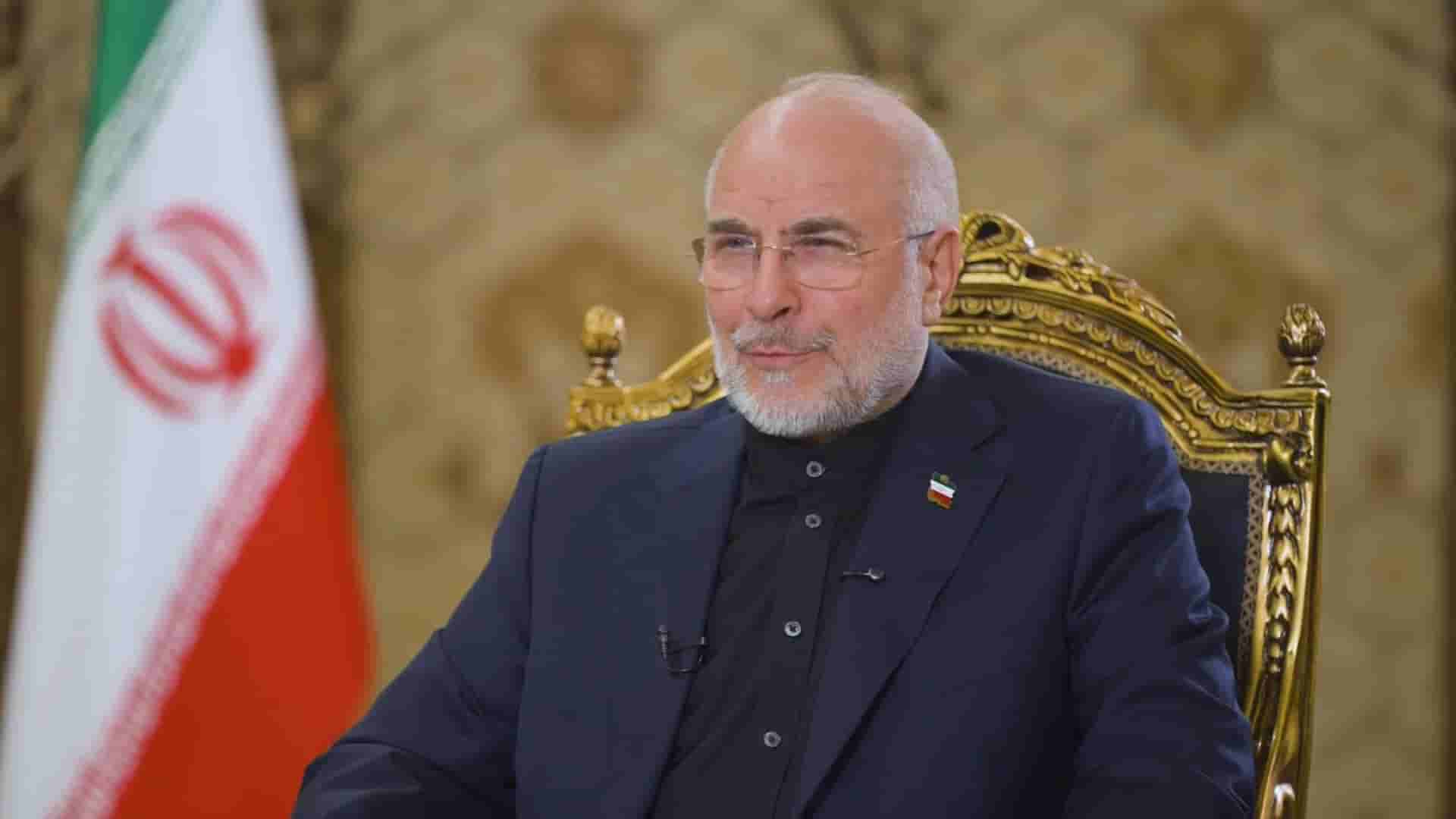
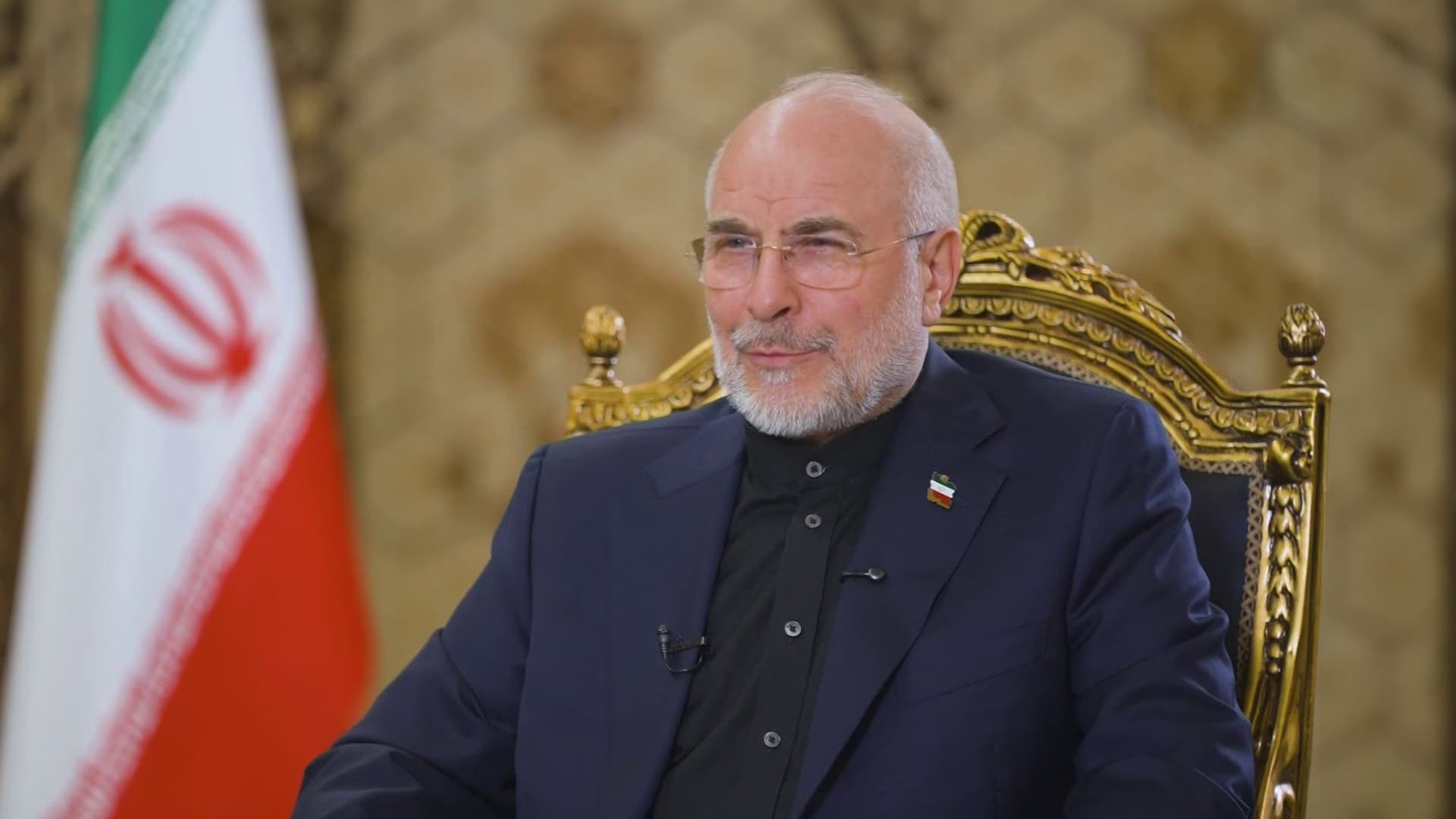
Iranian Parliament Speaker and head of the negotiating delegation Mohammad Bagher Qalibaf said the Strait of Hormuz would not return to its pre-war state, revealing that Tehran had reached an understanding with Oman regarding the shipping route and its traffic separation scheme. In an interview with Al Jazeera's Tehran bureau chief, Nour al-Din al-Daghir, he said: “Iran and Oman are the two coastal states overlooking the Strait of Hormuz, and there are no free waters there. The 1982 Convention also does not apply here.”
Qalibaf said Tehran had delivered a “clear and transparent” response through Qatari mediation, outlining its seven conditions, including lifting the blockade and sanctions, releasing frozen funds and ending the war on all fronts. He added that “the ball is now in the American court.” He revealed that the mediators' efforts had reduced the deadline for implementing these steps from seven days to two, and that reopening the strait depended on completing their implementation.
In this segment of the interview, Qalibaf explains Tehran's vision for managing the Strait of Hormuz in coordination with Oman, questioning why the United States is present in the strait “from a distance of 12,000 kilometers,” before turning to the Lebanese issue and Tehran's position on Hezbollah.
No war, no peace
Qalibaf stressed that Iran would not allow itself to be worn down in a “no-war, no-peace” situation, saying that overcoming this state depended not only on negotiations but could also be achieved by building sustainable deterrence. He warned that U.S. President Donald Trump would face “a new defeat” if he decided to resume the war, asserting that distrust of Washington and its “excessive” demands were the main obstacles to any agreement.
Russia and China alongside the mediators
Qalibaf said the official mediators between Tehran and Washington were Qatar and Pakistan, adding that “Russia, China and other countries in the region are also working in this direction.” He said the Americans had asked President Vladimir Putin during a visit to Moscow to speak with Iran and push it toward direct negotiations, describing Russia as a “friendly country” with strategic relations with Tehran.
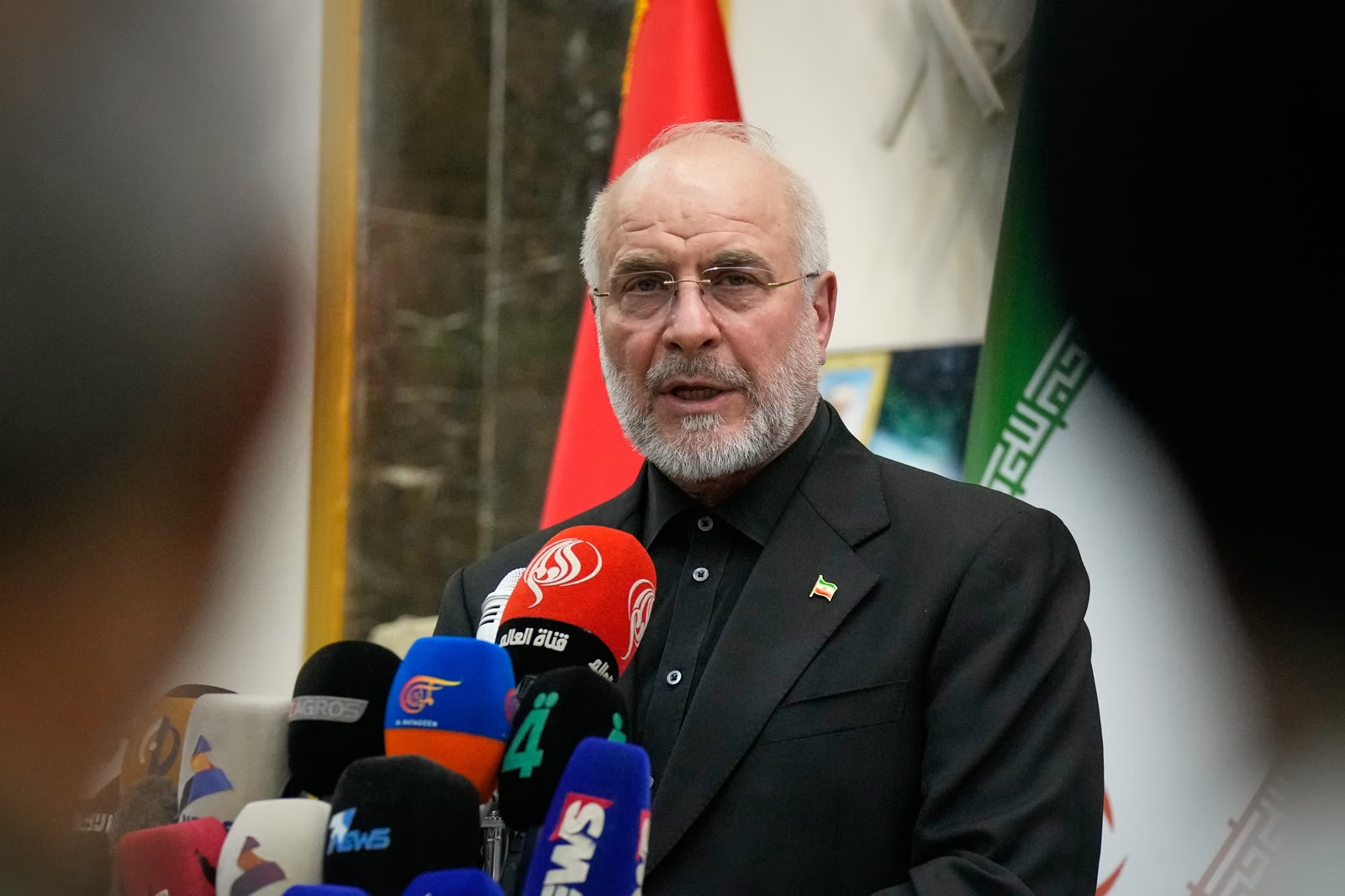
As his special representative for relations with Beijing, Qalibaf said: “We consider China a strategic partner.” He praised the four-point proposal put forward by Chinese President Xi Jinping and China's mediation between Iran and Saudi Arabia, which he said could serve as a model for strengthening regional stability.
Yemen and Ansar Allah
On Yemen, Qalibaf described Ansar Allah as a “popular movement” and said Tehran was ready to help resolve disputes between Saudi Arabia and the Yemenis if both sides requested it, stressing that “no one should interfere in Yemen's affairs.” He denied that his country had received a specific Chinese proposal on Yemen.
Video and cover image: Al Jazeera. Photo: Associated Press
Stay Updated with Hilal Times
Subscribe to be informed about special news, developments and announcements. We will keep you informed.
By signing up, you agree to our Privacy Policy